
Author: Jonathan Wiener

  • What Every Homeowner Should Know About Deeds And Titles

    What Every Homeowner Should Know About Deeds And Titles

    Most homeowners sell the biggest asset they own without knowing the difference between a title and a deed. The two words get used interchangeably, and they aren’t the same thing. At Ready Door Homes, we’ve seen how much that gap can cost you.

    The Numbers Behind Property Ownership Mistakes

    The American Land Title Association states that approximately 25% of all real estate transactions expose a title defect that must be remedied prior to closing. In the same association’s 2026 survey of 449 title professionals, nearly 60% said they clear 3 to 5 commitment requirements on a typical transaction. Fraud adds another layer. The FBI’s Internet Crime Complaint Center logged 12,368 real estate fraud complaints in 2025, with reported losses of more than $275 million. Most defects are resolved by title companies, but undetected issues can disrupt the sale and closing process.

    Most sellers find out about a title problem only when they suddenly need to sell. That’s the worst possible time to find one. An old contractor’s lien, an unknown heir, or a spouse who never signed will not show up in your sales contract. Those defects sit in the county records, waiting. If you own a house with title issues, resolving these problems before listing the property can help prevent delays, failed closings, and legal complications.

    What Is the Difference Between a Title and a Deed?

    How Titles and Deeds Differ in Real Estate Memphis

    The deed is a document, while the title is a legal right. A deed is a document signed under the law that records the movement of ownership from one party to another. It can be stored, recorded in the county office, and verified in public records, and provides evidence of ownership of a property. A title, on the other hand, is a legal concept rather than a document. It represents the bundle of ownership rights recognized by law.

    These rights can be the right to use a property, sell a property, lease a property, and encumber and improve a property. You can hold all of those rights yourself, or share them with co-owners, lenders, and easement holders. Most buyers assume that signing the deed at closing hands them clean ownership. It doesn’t. The deed moves the property to you, but the title is what tells you whether that ownership is actually worth anything. Professionals in the title insurance business investigate the history of ownership, are concerned with any remaining liens, claims, or competing interests, and provide insurance. Even a clean-looking record can hide something old that nobody caught.

    What Does a Property Title Cover That a Deed Does Not?

    A deed only captures the transfer while a title covers a property’s entire history, and that history can get complicated. Title records include all liens, such as unpaid taxes, contractor judgments, HOA dues, and mortgages that weren’t fully released. Title records include easements (the right to use part of the property granted to someone else) as well as boundary conflicts, judgments against previous owners, and competing claims from unknown heirs.

    However, this all shows up nowhere in the deed. Say a family buys a house, and years later, a contractor who was never paid by the previous owner surfaces with a mechanic’s lien. Their deed shows the sale and nothing else. The lien had been sitting in the county records the whole time, attached to the property rather than to the person who owed the money. This is why the title covers more ground than the deed. Properties that passed through a divorce, estate, or bankruptcy also have partial claims on the property that need to be settled in order to have clear ownership.

    What Are the Different Types of Property Deeds?

    Not all deeds are the same. Each deed informs the buyer of the extent of the grantor’s commitment to provide legal protection. The general warranty deed is the best option since the grantor extends a promise to the entire chain of title and not just the grantor’s period of ownership. If a defect shows up 40 years later, the grantor is still liable. The general warranty deed offers the most protection, which is why most traditional home sales use it. Protection in a special warranty deed is restricted to the ownership period of the grantor.

    The buyer in a special warranty deed is solely responsible for defects in the chain of title prior to the grantor’s ownership. The special warranty deed is most commonly used in bank-owned properties, foreclosures, and commercial transactions. A quitclaim deed transfers only whatever interest the grantor happens to hold, with no warranties at all. Quitclaim deeds are often used in family law transactions and in property transfer between family members; however, they are not advisable. Bargain and sale deeds and sheriff’s deeds also limit what the grantor promises.

    How Does a Property Deed Actually Work?

    During the closing meeting, the seller signs the deed, and the buyer leaves with the legal right to the property. However, the deed is not fully effective until it is recorded. Recording a deed is the act of filing the deed with the county recorder or the register of deeds. The recorder’s office is where the public property records are kept. Until that deed is recorded, the transfer is hidden from anyone who examines the public records. In that time, the seller could theoretically sell the property to another buyer. In Tennessee, the buyer who records first usually prevails, as long as that buyer paid value and had no notice of the earlier deed.

    There are many requirements in the law for a deed that are known as the mechanical requirements. A valid deed must name the seller and buyer, carry the legal description of the property, state the consideration, be signed by the seller, and be delivered to and accepted by the buyer, with notarization in most states. Any of the mechanical requirements that are missing may invalidate the transfer. The recording fees are typically between $25 and $150 in 2026, and the title company records the deed. The surprising part for many first-time sellers is that only the seller (grantor) signs the deed.

    When Should You Update Your Home’s Deed or Title?

    Your deed is not something you can just set aside. Updating your deed is vital, and if you neglect this, your family will almost certainly end up in a lengthy probate struggle with title issues. You should examine your deed and title after any of the following:

    • You get married. You will need to decide if you would like your spouse added to the title. You should also be aware of the property title form, as it will impact the survivorship rights in your state. Your spouse may be added through joint tenancy, tenancy by the entirety, or community property.
    • You get divorced. A divorce decree can award the house to one spouse, but the decree alone often does not clear the other spouse off the deed. You must sign a new deed and record it for the spouse to be officially removed from the title.
    • A co-owner passes away. The procedures to clear a title of the deceased may be probate or record a death certificate and an affidavit of survivorship. This is dependent on how the title is held.
    • You create a living trust. Your trust does not protect your property unless you transfer your property to the trust. This is a step many trust makers forget.
    • You want to add an adult child or family member. You should first seek counsel. This will be a gift and may cause your home to be exposed to the new co-owner’s creditors and potential lawsuits.
    • You pay off your mortgage. Confirm that the mortgage company records a lien release with the county. Otherwise, the loan will still appear on the title, and your home will be unsellable.
    • You change your legal name. To prevent issues with future property sales, submit a corrective deed or a new deed with your new legal name. This keeps the chain of title uninterrupted.
    • You inherit a property. The estate executor must deed the property to you. Property that is in a deceased parent’s name is highly susceptible to property fraud and heir property litigation.

    None of these changes count until you record them. The same holds whether you sell to a traditional buyer, to cash home buyers in Tennessee, or to the investors who buy houses in Bartlett, TN.

    How Do Title Searches and Title Insurance Protect Homeowners?

    Deed and Title Compared Memphis

    A title search is a vital step to protecting yourself from acquiring someone else’s problems. Title searches examine decades of public records. Depending on when the land was originally granted, a title search could examine public records from hundreds of years ago. Title companies and attorneys piece together the land’s history by examining recorded deeds, mortgages, tax records, and court filings. The same ALTA survey found that most purchase transactions require reviewing 11 to 50 historical documents before a file can close.

    From the resolution of a title search’s findings, title insurance policies are issued. Title insurance policies protect lenders and owners, and both are paid at the closing of a real estate transaction. A typical title insurance policy covers the owner for the duration of their ownership. Fraud is a large enough problem that title work now includes guarding against it. In the same ALTA study, 52% of title professionals said they spend at least 11 hours a month on fraud prevention, and nearly 15% spend more than 50. Given how often forged signatures and fake payoff letters turn up, skipping an owner’s policy to save a few hundred dollars is a bad trade.

    How Can You Protect Your Home’s Deed and Title From Fraud?

    Deed fraud occurs when a person alters a property deed to claim ownership of the property without the actual owner’s knowledge. The table below lists the signs of deed fraud, as well as instructions for the prevention of each fraud sign.

    Threat or Warning SignWhat It Could MeanHow to Protect Yourself
    You stop receiving property tax bills or utility noticesSomeone may have changed the mailing address on your property recordsContact your county assessor immediately and verify the owner of record
    Mail arrives addressed to an unfamiliar name at your addressA fraudulent deed may have been recorded transferring “ownership”Pull a copy of your deed from the county recorder and check the chain of title
    Your home or land appears in an online listing you never authorizedScammers may be impersonating you to sell the propertyReport it to the listing platform, a real estate attorney, and the FBI at ic3.gov
    You own vacant land, a second home, or a mortgage-free propertyVacant land and unoccupied homes are the top targets in reported title fraudSign up for your county’s free property fraud alert service to get notified of any filing
    A stranger offers to buy or transfer property using a quitclaim deedQuitclaim deeds carry no warranties and are the fraudster’s tool of choiceNever sign transfer documents without a real estate attorney reviewing them
    Notice of a loan, lien, or foreclosure you never took outSomeone may have borrowed against your home using a forged deedNotify your title insurance company and an attorney right away. The first 72 hours matter most for recovering wired funds
    A “mortgage relief” or “foreclosure rescue” offer asks you to sign paperworkDeed transfers are sometimes hidden inside rescue-scam documentsRead every page before signing; verify any company with your state attorney general

    Many of the protections associated with county fraud alerts are time-efficient and free. Quickly detecting fraudulent filings can minimize the correction process and help avoid lengthy and expensive legal issues.

    Who Holds the Deed and Title During a Home Sale?

    You hold the title until the day you close. Signing a purchase contract doesn’t move ownership. It gives the buyer an equitable interest, a right to complete the purchase rather than a right to the property itself. The deed from your own purchase stays where it has always been, recorded at the Shelby County Register of Deeds. The new deed doesn’t exist yet. Your closing attorney or title company drafts it, and you sign it at the table.

    Between signing and recording, the deed sits with the closing attorney or title company. They hold it along with the money, acting as the neutral party for both sides. If the buyer is financing, Tennessee adds one more holder. The state uses deeds of trust, so a trustee holds legal title as security until the loan is paid off. The buyer holds equitable title and the right to live there. Cash removes that layer. When you sell to a company that buys homes in Memphis or to cash home buyers in Collierville, TN, there’s no lender and no trustee. Title passes straight to the buyer once the deed is recorded, and the county mails the recorded original back.

    What Happens to Your Deed and Title at Closing?

    Title vs Deed Explained Memphis

    Closing is the formal meeting in person or virtually where the transfer of ownership is completed. A closing attorney or title company performs the role of a neutral party. They gather the funds for the purchase. They ensure existing liens are paid or will be paid. They prepare the new deed to be signed by the grantor and pay the seller after deducting the payoffs and the closing costs. The signed deed is sent to the closing attorney or title company. They prepare the deed for recording and file it with the county. This typically occurs within a few days of closing. It becomes a permanent record and part of the public record.

    The buyer leaves the closing with a copy of the signed deed. You convey title to them at the table, and weeks later, the county mails the recorded original to the buyer as the new owner of record. The buyer and seller also receive a closing disclosure. The closing disclosure is a federal requirement and provides a detailed accounting of all costs and credits. This is a document to be read carefully. In a complicated transaction, the order of actions becomes very important. For example, a seller facing foreclosure with a tax lien on the title can still sell. This is allowed as long as the tax lien is paid and the deed is properly signed.

    FAQs

    Is It Better to Be on the Deed or the Title?

    Both indicate ownership but have different implications. Being on the deed means you’re a grantee in the document of the transfer of ownership. Being on the title means you are legally recognized as the owner. Ideally, you want both; you should be in the recorded deed and the title. If a title defect clouds those rights, being named on the deed won’t stop a competing claim, and you’re the one who has to defend against it.

    What Is the Best Proof of Property Ownership?

    The recording of your deed is the definitive documentary proof of your ownership. A copy of the deed certified by the county recorder’s office is given the most credence in any litigation. Additionally, a current title search report indicating the absence of any title defects, in tandem with your title insurance policy, comprises the other documents that the courts and lenders will accept. You should maintain your recorded deed in a secure and convenient manner.

    Does Having a Deed Mean You Own the Land?

    Although a deed is strong evidence of ownership, it does not guarantee that the title is free and clear. After a deed is in your name, courts may still recognize previous ownership rights due to an old lien, a forged signature, or even an unknown heir. While a deed offers evidence of ownership, a title search and title insurance provide security.

    Does a House Have Both a Deed and a Title?

    All properties have a deed and a title. Deeds document the act of transferring ownership, while titles signify the current ownership rights. Title histories consist of the recorded deeds of the property and may include decades of history. When a home is purchased, a new deed is issued, while a title insurance policy insures the homebuyer’s ownership rights.

    Dealing with a title problem, an inherited deed, or paperwork that’s holding up your sale? You don’t have to untangle it alone. Ready Door Homes buys houses in any situation, including homes with liens, missing heirs, probate complications, and clouded titles. We offer fair cash offers, work with title professionals to clear the issues, and handle every detail so you can close without the stress. Ready to sell or have questions about your deed or title? Contact us at (901) 499-3555 for a free, no obligation offer. Get started today!

  • Selling A House As-Is Without An Inspection In Tennessee

    Selling A House As-Is Without An Inspection In Tennessee

    A homeowner called me on a Thursday afternoon, voice tight, asking if she’d missed her chance. The roof had issues, the kitchen was outdated, and she’d heard that buyers in Tennessee expect move-in ready. She thought her only option was to dump money into repairs she couldn’t afford. What she actually wanted to know was whether she could sell a house as-is without an inspection in Tennessee, and the answer is yes. I’ve had that same conversation dozens of times across this state (usually from sellers who waited too long to call).

    What Does “as-is” Mean When You Sell a House in Tennessee?

    Selling as-is means you’re telling buyers upfront: this property comes in its current condition, and you won’t be making repairs before closing. Price reflects that reality. No patching the ceiling before showings. No replacing the HVAC to satisfy a buyer’s wish list.

    Here’s what trips people up. Selling as-is in Tennessee does not mean you’re off the hook for disclosures. Tennessee Code Annotated §§ 66-5-201 through 66-5-213, known as the Residential Property Disclosure Act, requires most sellers of residential real estate to complete a disclosure statement. Sellers must disclose defects they’re aware of, but they’re not obligated to hire inspectors to uncover hidden problems. You report what you know; you don’t have to go hunting for problems you don’t know about.

    I worked with the Reeves family out of Bartlett last month. They’d inherited a property that hadn’t been touched in years, the foundation had a visible crack, and they’d been quietly carrying two mortgage payments for almost a year. They were convinced they needed to fix everything before selling. Once we walked them through how as-is sales work under Tennessee law, they understood they just needed to disclose what they knew, price accordingly, and find the right buyer. Closed in three weeks.

    In Tennessee, sellers must either provide a full residential property disclosure statement, a disclaimer statement saying they make no warranties as to condition, or an exemption form if the sale qualifies. Choosing the disclaimer path requires the buyer’s agreement, which means you can’t just hand it over and assume it’s settled. Both paths are legal. Both get sales done.

    Can You Sell a House As-is Without an Inspection in Tennessee?

    Can a Home Be Sold As-Is Without an Inspection in Tennessee

    You can absolutely sell a house as-is in Tennessee without ordering a home inspection. No law forces you to hire a home inspector before listing or before closing. A buyer may want one, and that’s their right. But you, as the seller, have zero obligation to schedule or pay for one (even in contested estate sales).

    A residential property disclaimer statement allows a seller to state that they make no representations or warranties as to the condition of the property, and the purchaser will be receiving the property as-is with all defects that may exist. When a buyer agrees to purchase as-is and signs a disclaimer, they’re accepting the property in its current state, inspection or not (and that signature carries real weight).

    A buyer using a mortgage loan who requests an inspection as part of their loan approval process is meeting a lender’s requirement, not a state law. Cash buyers have no such constraint, and that’s a big reason why as-is sellers often target investors and cash homebuyers.

    Most post-sale disputes between buyers and sellers trace back to disclosure issues, not to a missing inspection. Skipping a seller-ordered inspection doesn’t expose you to liability on its own. Knowingly hiding defects does. Fill out your disclosure honestly, price the property to reflect its condition, and the absence of a pre-listing inspection isn’t a legal problem.

    Looking to sell your home for cash in Tennessee? Get a fair offer and close on your timeline.

    Pros and Cons of Selling a House As-Is in Tennessee

    Getting this wrong means leaving money on the table or dragging out a sale for months while the house sits and costs you.

    Speed is the biggest upside. No repair negotiations, no contractor delays, no buyer asking you to replace the water heater two days before closing. Cash investors and as-is buyers are accustomed to properties that need work. They price it in and move quickly. For a tight timeline, whether it’s a job relocation, a divorce, an estate, or a mortgage you can no longer carry, selling as-is gets you to closing faster.

    The trade-off is price. An as-is sale almost always nets you less than a fully renovated property would fetch on the open market. Retail buyers expect certain standards, so your as-is property pulls from a smaller pool and gives buyers more leverage.

    Sellers occasionally overestimate what repairs are actually worth. I’ve seen people spend $25,000 on a kitchen remodel chasing an extra $18,000 in sale price. Math doesn’t always work, and agents don’t always flag it honestly upfront (especially on kitchens and bathrooms).

    The other underappreciated advantage: certainty. With a traditional sale, sales fall apart when inspections reveal problems. An as-is cash sale with no inspection contingency is far less likely to collapse at the finish line, and that has real value when you’re counting on a specific closing date.

    At Ready Door Homes, we buy homes for cash in Memphis and nearby cities, helping homeowners skip the hassle and sell for cash fast.

    How Much Money Will You Make Selling Your House As-is in Tennessee?

    Do You Need an Inspection to Sell a House As-Is in Tennessee

    People often say you’ll lose a fortune selling as-is. This is not the full picture.

    Your net profit depends on repair costs, agent commissions, and carrying costs during a longer traditional listing. Agents typically charge 5 to 6 percent of the sale price, and closing costs add another 2 to 3 percent. On a $350,000 home, you’re giving up a significant sum before you even account for repairs the buyer demands after inspection (and those demands come late).

    Tennessee homes are taking a median of about 69 days to sell as of May 2026, and that’s for clean, retail-ready listings. As-is properties on the MLS often sit longer, and every extra month means another mortgage payment, utility bill, and insurance premium (those carrying costs add up fast).

    Cash as-is buyers offer somewhere between 70 and 85 cents on the dollar, depending on the property’s condition and location. In markets like Germantown, Collierville, or Cordova, where values have run up, that discount still translates to a healthy number, and you pocket it without the deductions above (repairs, commissions, carrying costs).

    Are you in a neighborhood where renovation margins are tight? A direct cash offer might net you more than a traditional sale where repair concessions and commissions chip away at the price. Run both scenarios before you decide.

    How to Sell Your House As-Is with a Real Estate Agent in Tennessee

    Sellers picture an agent listing the home, a buyer falling in love with it despite the condition, and a clean close. That picture breaks down the moment a financed buyer’s lender gets involved.

    Mortgage lending guidelines from FHA, VA, and conventional loan programs often flag properties with visible structural issues, missing handrails, roof problems, or unpermitted additions. A lender may refuse to fund a loan on a property in poor condition, so even if your agent finds a willing buyer, the sale can die in underwriting.

    Selling as-is through an agent works best when the property has mostly cosmetic issues rather than major structural or mechanical problems. Homes in Tennessee are selling for about 97.3% of their list price on average as of May 2026, but as-is listings priced at market value routinely generate offers below ask as buyers factor in projected repair costs (sometimes aggressively, even on minor issues).

    A good realtor can run a comparative market analysis (CMA) to help you set a realistic as-is price. That number should reflect the property’s current state, not what it would be worth after $40,000 in updates. Overpricing an as-is home kills momentum and leaves you defending the property through weeks of dead showings (buyers sense it immediately and walk).

    Going the agent route, ask upfront how much experience they have selling distressed or as-is properties specifically. A general residential realtor used to listing turnkey homes in Germantown may not be the right fit for a property in Whitehaven that needs a new roof, because the buyer pool and the negotiation dynamics are completely different.

    How to Sell Your House As-Is to a Cash Home Buyer in Tennessee

    Cash buyers don’t require the property to appraise. That single fact reshapes how the transaction works from start to finish.

    When a buyer uses cash, there’s no bank looking over the seller’s shoulder. No appraiser flagging the peeling paint or the cracked driveway. No lender requiring repairs before it funds. The buyer and seller agree on a price, the attorney handles the contracts and closing, and the sale closes on a timeline that works for both sides, typically finishing in two weeks or less.

    Tennessee has a strong investor and cash buyer market. From Memphis’s Midtown and Whitehaven neighborhoods to the suburbs in Bartlett, Collierville, and Cordova, investors are actively buying properties in any condition. They buy fast, pay cash, and don’t care if the garage needs work or the yard is overgrown. We are cash home buyers in Bartlett and the towns around it, and we see these properties constantly.

    The process is straightforward. A cash buyer visits the property, assesses its condition, including any repairs the property needs, and presents an offer based on the after-repair value minus renovation costs and profit margin. No home inspector. No loan officer approval. A real estate attorney reviews the purchase contract, both parties sign, and you leave the closing with a check.

    Ready Door Homes is a local cash home buyer operating across Tennessee, and we buy properties exactly this way. No repairs, no showings, no commissions. We’ll make an offer based on what the property is worth today, not what it might be worth after renovation.

    Which As-Is Selling Option Is Right for You in Tennessee?

    Is It Legal to Sell a House As-Is Without an Inspection in Tennessee

    The right path depends on two things: your timeline and your property’s condition. If the house has moderate cosmetic issues and you can wait 60 to 90 days, a skilled agent who specializes in as-is properties can sometimes get you closer to retail value. That median of roughly 69 days applies to standard listings, so add the uncertainty of a smaller as-is buyer pool, and you could be looking at considerably longer.

    If the house has major structural problems, deferred maintenance, code violations, or you need to close in the next 30 days, a cash buyer is almost always the cleaner answer. You give up some price. You gain certainty, speed, and the ability to walk away without fixing a single thing.

    A hybrid option worth knowing: some sellers get a cash offer first, then use that number as a baseline while they test the market with an agent for a few weeks. If a retail offer comes in that clears the cash number after commissions and repairs, great. If not, you still have a fallback. Ready Door Homes will give you a no-obligation offer you can use exactly that way.

    How to Get Started Selling Your Tennessee Home As-is Today

    A woman named Tasha Crawford called on a Wednesday, three months behind on her mortgage, with a foreclosure auction date already set. Her house in Cordova had a detached garage that had partially collapsed in a storm, and she hadn’t been able to afford repairs. She’d called an agent months earlier, who told her she needed to fix the garage before listing. Time ran out.

    We made her a cash offer and closed before the auction date. The collapsed garage was priced into the offer, which meant Tasha walked away with equity she would have lost entirely at auction, without touching a single board. We buy houses in Cordova in any condition, collapsed structures included.

    If you’re in a situation like hers, these steps can help you move forward. Pull together what you know about the property’s condition; you don’t need a formal inspection report, just an honest list of what’s broken or outdated. Review the Tennessee Residential Property Disclosure Act, so you understand your obligations. Gather a recent utility bill and your mortgage payoff amount so you can evaluate any offer clearly.

    Get at least two offers before committing. One from a cash buyer like Ready Door Homes and one from a local agent familiar with as-is sales. Compare what you’d actually net, not just the sale price. Then, involve a Tennessee real estate attorney to review whatever contract you sign.

    The National Association of Realtors and the Tennessee Association of Realtors both publish buyer and seller resources worth reviewing. For raw market data on prices in your county, the Tennessee Housing Development Agency publishes annual sales figures by county for free.

    Frequently Asked Questions

    How Do You Sell a House Without an Inspection?

    You don’t need to order a home inspection to sell a house in Tennessee. Sellers who want to skip the inspection process entirely typically sell directly to cash buyers, since there’s no lender requiring an appraisal or inspection as a loan condition. You’ll still need to fill out Tennessee’s disclosure or disclaimer form honestly, but that’s based on your own knowledge of the property, not a third-party inspector’s report.

    Can You Sell a House As-is in Tennessee?

    Yes, Tennessee law expressly allows as-is sales. You can provide a disclaimer statement rather than a full disclosure, as long as the buyer agrees to waive their right to the standard disclosure form. The buyer accepts the property with all known and unknown defects in exchange. This path is most common when selling to investors or cash homebuyers who don’t need mortgage financing.

    What Devalues a House the Most?

    Foundation problems, roof failure, and water damage consistently pull the most value out of a property. Buyers and investors price those issues aggressively because repair costs are high and unpredictable. Location factors like heavy traffic, proximity to industrial sites, or a neighborhood with declining comparable sales also weigh on what buyers will pay. Deferred maintenance compounds over time, so the longer you wait to sell, the wider the gap between your expected price and what the market offers tends to get.

    How Long Are You Liable After Selling a House in Tennessee?

    Under the Tennessee Residential Property Disclosure Act, a claim over a misrepresentation on the disclosure statement has to be filed within one year, running from the date the buyer received the disclosure statement or the date of closing, whichever comes first (Tenn. Code Ann. § 66-5-208). That one-year window is short, but it does not cover everything. Claims for intentional or willful misrepresentation sit outside the Act and carry their own, longer deadlines. If a buyer discovers a defect you knew about and didn’t disclose, they can pursue you for actual repair costs. The cleaner your disclosure and the more honestly you fill it out, the less exposure you carry after the sale. An attorney can walk you through what your specific liability looks like based on your situation.

    If you want to talk through your options, we’re here. No pressure, no obligation. You can reach out to Ready Door Homes anytime, share what’s going on with your property, and get a straight answer about what a cash sale would look like for you.

  • Who Pays For Home Appraisals And Inspections When Buying A House

    Who Pays For Home Appraisals And Inspections When Buying A House

    A friend called me from her car, parked outside a house she’d made an offer on. She had just gotten off the phone with her real estate agent and was confused about a bill she’d need to pay before her loan would even move forward. “Nobody told me I’d need to pay for something before closing,” she said. That call reminded me how often buyers walk into the process without knowing who pays for home appraisals and inspections, or why.

    This article breaks down the real differences between a home appraisal and a home inspection, what each professional actually looks for, the fees, and how they fit into your closing costs. If you’re buying, selling, or refinancing, read this before anyone hands you an invoice.

    Home Appraisal vs Home Inspection: What Is the Difference?

    People going into a purchase expecting the appraisal to catch the leaky basement or the failing HVAC system are in for a surprise. Those two jobs belong to two completely different professionals with two completely different missions. Confusing them can cost you thousands.

    Who Pays for the Appraisal and Inspection Memphis

    A home appraisal is ordered by your mortgage lender to answer one question: what is this property actually worth on the open market? It’s a lender-required valuation that tells the bank they aren’t loaning more than the collateral is worth. The Dodd-Frank Act, passed after the 2008 financial crisis, requires the appraisal to be kept independent of the lender’s loan production staff. Lenders meet that by using a third-party appraisal management company or by running their own separated appraiser panel, so an AMC is common but not required by law. Neither the buyer nor the seller gets to hand-pick who walks through the door.

    A home inspection is something else entirely. It’s a buyer-protection step where the inspector documents the condition of major systems and components so the buyer knows what they’re getting. Your inspector is working for you, not the bank. They look closely at the home’s electrical, plumbing, appliances, and structural systems to surface problems the buyer should know about before moving forward.

    To illustrate the difference: consider a home where the detached garage has been converted into a storage area. An appraisal might note the structure and move on. But an inspection of that same garage could catch faulty wiring, the kind that lenders flag immediately and that would affect a buyer’s financing. Two separate professionals, two separate findings, both necessary for a clean closing.

    So who pays? Both fees are typically paid by the buyer, but they serve different parties. Most lenders require the appraisal fee upfront, before the full loan approval process moves forward, so buyers need to have that cash ready earlier than they often expect. The inspection is usually scheduled after the contract is signed and paid directly to the inspector, sometimes within days of signing.

    Here is what gets missed in nearly every guide on this topic: if the deal falls through, the buyer usually has to pay for the appraisal anyway. Budget for both fees the moment your offer is accepted, not at closing.

    What Does a Home Appraiser Look For During an Appraisal?

    An appraiser typically spends one to two hours walking through a property, then produces a valuation that the bank relies on. You have no input into the number they arrive at.

    Appraisers review the square footage of the home and lot, the age and condition of the property, construction materials used, the general state of the local market, and any special features like a finished basement or updated kitchen. They’re building a profile of your property based on everything visible and verifiable.

    Comparable sales, what the industry calls “comps,” drive the appraisal. They’ll look at the neighborhood, nearby schools, and how the home compares to others recently sold in the area. Recent sales within a half-mile carry the most weight, particularly those from the past six months.

    While an appraiser won’t be as thorough as a home inspector, they will notice very obvious problems: peeling paint, a broken window, a visibly rotting deck. Those things go into the report. But the appraiser won’t flip breakers to test the electrical or run water in every sink. That’s not the job.

    Sellers consistently get this wrong: they spend money on cosmetic improvements expecting it to raise the appraisal. A fresh coat of paint and a cleaned-up yard may make a home feel more presentable, but the appraiser is evaluating structural condition, functional systems, and comparable sales data. Cosmetic updates rarely move the number the way sellers hope.

    A low appraisal creates a real problem for buyers. If the appraisal comes in below the contract price, your mortgage lender won’t lend more than the appraised amount. You can pay cash to cover the gap, negotiate for a lower sale price, or decide not to move forward. The third option is why your contract’s appraisal contingency exists.

    What Does a Home Inspector Look For in a House?

    The home inspection is where the really expensive surprises tend to surface. The appraiser glances at the roof. The inspector climbs up there.

    Who Pays the Fees for Appraisal and Inspection Memphis

    A licensed home inspector goes system by system through the property. Inspections are thorough and intended to identify safety issues, maintenance needs, and other problems that affect livability or value. They’ll test appliances, HVAC systems, electrical systems, plumbing, and more, generating a report you can use directly in negotiations with the seller.

    That report can run from 20 to 60 pages. Every defect, every age-related concern, every deferred maintenance item gets logged. Buyers sometimes panic at the length, but a detailed report on a well-maintained home is completely normal. Length alone tells you nothing about severity.

    If an inspection reveals serious problems, such as a leaky roof, asbestos, or mold, the buyer can walk away from the deal or lower their offer. That’s due diligence at work. Inspection time is where you get real leverage in negotiations, or real confirmation that a property is solid.

    Most inspectors factor in square footage when pricing the job. A larger or older home costs more to inspect than a compact newer build, so a sprawling 1970s ranch will run noticeably higher than a modern townhouse.

    One pattern that shows up consistently: buyers who skip the inspection to save a few hundred dollars sometimes discover after closing that a repair would have cost them far more. The inspection fee is rarely the right place to cut corners. The American Society of Home Inspectors maintains a directory of certified professionals if you want someone credentialed rather than just a referral.

    Extra Home Inspection Services and Costs Buyers Should Know

    A standard home inspection does not cover everything, and that gap trips up buyers constantly. Here is what a general inspection typically leaves out and what each add-on costs:

    Add-on InspectionTypical CostWhat It Covers
    Roof inspection$150 to $300Shingles, flashing, gutters, and visible structural issues
    Electrical inspection$110 to $175Panel, wiring, outlets, grounding, code compliance
    Mold inspection$300 to $500+Air quality testing, hidden colony identification
    Termite and pest inspection$50 to $280Active infestations, damage, and entry points
    Sewer scope inspection$100 to $250Root intrusions, cracked or collapsed sewer lines
    Septic inspection$150 to $450Tank condition, drain field, and pumping needs

    The general inspection covers the visible and accessible systems inside the home. What it doesn’t touch: the septic system, well water, pool, radon levels, mold behind walls, asbestos, or sewer lines. Each of those requires a separate specialist, and each one costs extra.

    Mold testing surprises buyers the most. Standard inspectors might note visible mold but typically won’t test air quality or identify hidden colonies. A dedicated mold inspection can run several hundred dollars or more, depending on the home’s size. If you’re buying an older home or one that sat vacant, budget for it.

    Termite and pest inspections are in their own category. Termite inspections run $50 to $280, modest on their own, but termite damage repairs can run from $1,000 to $10,000 or more. That math makes the inspection fee feel like cheap insurance.

    Sewer scope inspections are the add-on most commonly skipped and most worth including. Running a camera through the main sewer line costs roughly $100 to $250 and can reveal root intrusions, cracked pipes, or collapses that no surface inspection would catch. On homes built before 1970, it’s worth the cost every time.

    Every one of these add-ons lands on the buyer. Sellers aren’t on the hook unless something gets negotiated into the contract after the inspection report comes back. If you’d rather skip the inspection negotiation entirely, we buy houses for cash and can make you a direct offer with no repair requests or back-and-forth.

    How Much Does a Home Appraisal and Inspection Cost?

    Many sellers are caught off guard when the buyer’s lender quotes an appraisal fee before the loan can move forward, assuming it was already part of closing costs. It isn’t always, and the timing matters as much as the amount.

    Who Will Pay for the Appraisal and Inspection Memphis

    Home inspections typically cost around $344, with most buyers paying between $296 and $424, according to HomeAdvisor cost data. The average single-family home appraisal runs $359, with most homeowners paying $314 to $425, per Angi 2026 cost data.

    Geography moves these numbers more than most buyers expect. Markets in lower cost-of-living regions tend toward the lower end, while higher cost-of-living areas run noticeably more. Urban markets pull both fees upward across the board.

    VA appraisals typically cost between $400 and $1,200, depending on the region and home size. Government-backed loans have stricter requirements and more detailed reporting standards, so the appraiser spends more time on the job.

    For a duplex, small apartment building, or investment property, budget more. Multifamily appraisals can run significantly higher than single-family.

    Between both fees, a buyer in most U.S. markets is looking at roughly $600 to $900 out of pocket before ever reaching the closing table. That’s real money that needs to be liquid, not sitting in savings earmarked for your down payment. If the traditional buying process feels like too much to manage, cash home buyers can offer a faster, simpler path without the upfront fee pressure.

    Are Home Appraisal and Inspection Fees Part of Closing Costs?

    These costs don’t always appear on the same invoice, which compounds the confusion. Here is a quick breakdown of how each fee is typically handled:

    • Appraisal fee: ordered by the lender and paid by the buyer upfront, weeks before closing day, usually non-refundable once the appraiser has completed the work
    • Inspection fee: paid directly to the inspector on the day of the walkthrough, before the report is handed over, and generally not bundled into closing costs
    • Add-on inspection fees: paid separately to each specialist at the time of service, entirely the buyer’s responsibility unless negotiated otherwise

    In a real estate transaction, the lender orders the appraisal and the homebuyer pays for it. It falls under the closing cost umbrella, but most lenders collect it upfront, weeks before closing day. Buyers need to be prepared for that expense early, unlike other closing costs settled at the end.

    The inspection is different. Home inspections generally aren’t bundled into closing costs, and you’ll need to budget for it separately. Most inspectors want payment the same day they complete the walkthrough, before handing over the report.

    If the appraisal fee comes into negotiation, the buyer can request that the seller pay it. This is rare in competitive markets but happens regularly when sellers are motivated or when the market has cooled.

    Financing contingencies typically allow buyers to cancel the deal and recover their earnest money deposit if they can’t obtain a mortgage, but the appraisal fee is usually non-refundable once the appraiser has completed the appraisal.

    The Consumer Financial Protection Bureau has a clear breakdown of closing costs and how each fee fits into the broader mortgage process, worth bookmarking before you sign anything. If you have questions about how this works in a direct sale scenario, Ready Door Homes works with homeowners every day to find solutions that skip much of this complexity, including sellers who want cash home buyers in Bartlett, TN.


    Frequently Asked Questions

    Who pays for a home inspection and appraisal?

    In most cases, the buyer pays for both. That said, buyers aren’t always stuck with the bill. If the seller is motivated to close, you can ask them to contribute or cover one or both fees as part of the agreement.

    What will fail a home appraisal?

    An appraisal doesn’t technically “pass” or “fail” like an inspection, but it can come in below the contract price, which creates a financing problem. Visible safety hazards, severe structural damage, and major deferred maintenance all pull a value down. Government-backed loans like FHA and VA have stricter property condition requirements that can also hold up a sale.

    How much is an appraisal for a 2,000-square-foot house?

    For a typical 2,000 square foot single-family home, you’re likely looking at $314 to $425 in most U.S. markets, against a $359 national average, based on current Angi data. Your actual cost depends on your local market and your loan type. Rural locations or areas with few comparable sales tend to push fees higher, since the appraiser has to do more research to support the value.

    Why are buyers waiving appraisals?

    Financed buyers usually can’t waive the appraisal itself, since the lender orders it, though Fannie Mae’s value acceptance and Freddie Mac’s equivalent do let some one-unit purchases close without one. What buyers more often waive is the appraisal contingency, meaning they agree to cover any gap between the contract price and the appraised value out of pocket. In competitive markets, buyers waive the contingency to make their offer stronger. This is risky if appraisals tend to come in below contract in your area; only do it if you have strong cash reserves and solid comparable-sales support. Cash buyers can skip the appraisal entirely since no lender is involved.


    The appraisal and inspection process protects buyers, but for sellers it can mean fees, negotiations, and unexpected delays. If you want certainty over complexity, Ready Door Homes buys properties directly with no contingencies and no repair requests. The same goes for anyone who needs to sell a house fast in Southaven, MS. Get your cash offer today or contact us with any questions.

  • How Long Can A Seller Stay In The House After Closing

    How Long Can A Seller Stay In The House After Closing

    Recording of the deed happens on a Tuesday. The garage is still packed. The sellers haven’t moved a single box.

    So how long can a seller stay in the house after closing? That gap between “closed” and “moved out” creates more stress than almost any other part of a real estate transaction. If you’re a seller trying to figure out your options, or a buyer wondering what you just agreed to, this article walks you through how post-closing occupancy actually works, the rules, and where things typically go sideways.

    Selling Your Home Before Your Next One Is Ready: Why Timing Conflicts Are Common

    Selling your current house before your next one is ready isn’t a planning failure. For many sellers, it’s a statistical near-certainty.

    According to the National Association of Realtors 2025 Profile of Home Buyers and Sellers, 54% of repeat buyers used proceeds from their previous sale to fund their next purchase. More than half of move-up buyers are linking two transactions together, which makes timing collisions almost inevitable.

    When timing doesn’t line up, sellers have three realistic options.

    • Negotiate a post-closing occupancy period and stay in the home temporarily under a written agreement after the sale closes.
    • Delay the closing date and push the transaction back until the timing works, at the risk of losing the buyer.
    • Move into short-term housing and bridge the gap in a rental or hotel, which gets expensive fast.

    Each option carries real trade-offs. Delaying closing can cause buyers to walk away, especially if they have their own move-out deadline. Short-term rentals eat directly into the equity you just unlocked from the sale. And moving twice in a matter of weeks is exhausting and expensive. Moving costs, storage fees, and the physical toll add up fast. A well-structured post-closing occupancy agreement sidesteps all of that by keeping you in place under a formal, time-limited arrangement that protects both sides. At Ready Door Homes, we work with sellers frequently on exactly this kind of flexible timeline, so if you’re weighing your options before accepting an offer, that conversation is worth having early, not after the fact.

    What Is a Rent-Back Agreement After Closing?

    A rent-back agreement (also called a seller occupancy agreement or leaseback) is a legally binding arrangement that lets the seller remain in the property for a defined period after closing, with the buyer acting as a temporary landlord.

    How Long Seller Stay in Home After Closing Memphis

    The key thing sellers often misunderstand: this conversation needs to happen during offer negotiations, not after closing. If you know you’ll need extra time, request a rent-back as part of the sale terms. Buyers in competitive markets sometimes offer a free rent-back period to strengthen their offer. Either way, the terms must be in a signed written addendum attached to the purchase contract before closing.

    Research from the National Association of Realtors found that roughly 20% of recent homebuyers faced delayed timelines due to financing, construction, or other factors. When one in five buyers is already experiencing friction around timing, both sides are often looking for breathing room, and a rent-back can provide it.

    In practice, the rent-back period begins the moment the deed records and the sale officially closes. From that point, the seller is no longer the owner; they are an occupant operating under the terms of the written agreement. The buyer owns the home and is responsible for the mortgage, taxes, and insurance, while the seller pays the agreed daily or monthly rate and maintains the property in its closing-day condition. The cleaner the documentation going in, the smoother the handoff at the end.

    How rent is calculated: When rent is charged, the standard method divides the buyer’s total monthly mortgage payment (including taxes and insurance) by 30 to arrive at a daily rate. A 15-day rent-back at $100 per day costs the seller $1,500. Simple, documented, and fair to both parties.

    Seller Rent-Back Agreement: What to Include

    A rent-back with no security deposit is a bad deal for the buyer, full stop. The deposit is the primary financial protection the buyer has during the occupancy period.

    A solid agreement covers:

    • Move-out date: a specific calendar date, not “approximately” or “within a few weeks”
    • Daily or monthly rent rate: tied to the buyer’s carrying costs
    • Security deposit: held in escrow and returned minus documented repairs
    • Utilities: who pays what during the occupancy period
    • Insurance: who covers the property and who covers the seller’s belongings
    • Holdover penalty: a daily fee the seller owes if they don’t vacate by the agreed date
    • Buyer’s right of entry: typically 24 to 72 hours’ advance notice

    Don’t leave pool maintenance, lawn care, or HOA fees to “we’ll figure it out.” Those details belong in the agreement. Small omissions become large disputes. It’s also worth specifying in writing what happens if the property sustains damage during the rent-back period, such as a burst pipe, a broken appliance, or a storm event. Deciding who is responsible before anything goes wrong is far easier than negotiating after the fact, when emotions are running high and the seller is already under pressure to vacate.

    How state law affects the agreement

    The legal framework for post-closing occupancy varies by state, and the difference matters. Most states draw a line between short and longer stays. Arrangements of 29 days or fewer are typically classified as a license rather than a lease, meaning the parties remain “seller” and “buyer” rather than “tenant” and “landlord.” Once the occupancy period hits 30 days or more, many states reclassify the arrangement as a formal tenancy, which triggers landlord-tenant law and, in states with strong tenant protections, can make it significantly harder to remove a seller who refuses to leave.

    Tenant protections vary significantly across the country, with some states making eviction a months-long process and others applying a far more streamlined procedure. Wherever you’re transacting, confirm with a real estate attorney in your state which framework applies to your agreement before closing.

    How Long Can a Seller Stay in the House After Closing?

    For most loan types, the maximum rent-back period is 60 days.

    Occupancy lengthWhat typically happens
    Up to 30 daysStandard range; most lenders permit this with no complications
    31 to 60 daysAllowed under Fannie Mae, Freddie Mac, and FHA guidelines, but some lenders apply shorter overlays; confirm before closing
    61 to 90 daysExceeds owner-occupancy requirements; lender may reclassify property as investment, triggering higher rates
    More than 90 daysCapital gains timelines and loan terms can be affected; requires a real estate attorney
    How Long May Seller Stay in House After Closing Memphis

    This isn’t a preference; it’s a federal lending guideline. Fannie Mae, Freddie Mac, and FHA loans all require the new buyer to take owner occupancy within 60 calendar days of closing. If the seller remains past that deadline, the lender may reclassify the property as an investment property, triggering a potential refinance requirement and a meaningfully higher interest rate. That’s a real financial consequence for the buyer, not a theoretical one.

    Some lenders apply overlays that cap the rent-back at 30 days. Jumbo lenders often have hard limits too. Sellers and buyers who assume 60 days is always available sometimes discover mid-transaction that their specific lender allows half that. Confirm the rent-back period with the buyer’s mortgage lender before it’s written into the contract.

    Stays beyond 90 days can affect capital gains timelines and owner-occupied loan terms. If you’re considering anything longer than 60 days, that conversation belongs with a real estate attorney, not just your agent.

    A family we worked with recently had already watched two listings expire over six months. When we finally closed, they needed 18 days to get their kids settled before the move. We put the terms in writing, set a daily rate tied to carrying costs, collected a security deposit, and everyone slept fine. Without that paperwork, they would have been occupying a home they no longer owned under a handshake deal. That’s not a deal at all.

    Who Benefits From a Post-Closing Rent-Back Agreement?

    Sellers who benefit most are those with a specific, bounded timing gap: they’ve accepted an offer, their equity is tied up in the sale, and their next home won’t be ready for several weeks.

    Common scenarios where a rent-back makes clear sense include parents keeping kids stable through the end of a school year, sellers waiting on a new construction closing date, and homeowners who need sale proceeds in hand before they can close on their next purchase.

    Buyers can benefit too, particularly in competitive markets where offering a free or low-cost rent-back can win a deal over a higher-priced competing offer. The rental income during that period also offsets a portion of the buyer’s carrying costs. For buyers who aren’t in a rush to move in, perhaps because they’re already in a lease, relocating from out of state, or waiting on renovations, a rent-back arrangement can actually be the most convenient outcome. They close on the home, start building equity, and collect rent while their own timeline catches up.

    The seller who benefits least is the one who hasn’t figured out where they’re going after the rent-back ends. A few extra weeks buys time, but it doesn’t solve an unresolved housing situation. If you’re working with cash home buyers, we can help structure a flexible closing timeline from the start, so you’re not engineering a countdown clock against yourself. We do the same for sellers who need cash home buyers in Bartlett and across the wider Memphis area.

    How Buyers Can Protect Themselves in a Seller Rent-Back

    How Long May Seller Stay in Home After Closing Memphis

    A daily holdover penalty is essential. Without one, a seller who overstays has little financial incentive to leave promptly, and the buyer has no leverage short of pursuing legal action against someone they just sold a house to. A clear holdover fee in the contract avoids that conversation entirely.

    Other steps buyers should take:

    Security deposit in escrow. The deposit covers potential damage during the occupancy period. It’s held in escrow and returned to the seller minus documented repair costs at move-out.

    Insurance review. Many home insurers cancel the seller’s policy at closing. The buyer’s homeowners policy may not extend coverage during a rent-back period. Buyers may need to insure the home as a rental property; sellers may need renters insurance. Review this before closing.

    Condition walkthrough on closing day. Document the home’s condition with photos and video, signed off by both parties, before the rent-back period begins. This is the baseline for any security deposit deduction later. Skipping this step turns small scuffs into unresolvable arguments. Walk through every room, note any existing damage on a written form, and have both parties sign and date it. Ideally your agent or a third party is present. That 30-minute walkthrough is the single most effective way to ensure the security deposit process stays clean and dispute-free when the seller finally hands over the keys.

    Risks of Letting the Seller Stay in the House After Closing

    The risks are manageable, but they don’t disappear simply because everyone is in a good mood at the closing table.

    The most common problem isn’t damage or missed rent. It’s sellers who don’t leave on time because their next situation fell through. One seller we worked with had a job transfer across the country and a two-week rent-back after closing. His movers had a scheduling issue and his truck arrived a day late, technically one day past move-out. Because the agreement included a clear holdover fee and he was acting in good faith, it resolved without tension. Without that written framework, one missed day could have escalated into something much harder to untangle.

    State tenancy laws apply regardless of the agreement’s label. In states with strong tenant protections, removing a seller who won’t leave can require a formal eviction process that takes months. That means filing a legal notice, waiting through mandatory cure periods, appearing in court, and potentially waiting for a sheriff to execute the order, all while the buyer’s mortgage ticks on. This is not a hypothetical edge case. It happens often enough that buyers’ attorneys routinely recommend robust holdover penalties and a clearly defined move-out date as the first line of defense against it.

    For sellers considering longer-term sale-leaseback arrangements with investors rather than traditional buyers, the FTC has flagged predatory structures in this space. Read every word of what you sign. If a buyer is pressuring you to sign immediately, slow down. That’s a signal, not a deadline. Working with a trusted We Buy Houses For Cash company gives you clear documentation and no-pressure terms from the start.


    Frequently Asked Questions

    How long can a seller stay in a house after closing?

    Most rent-back arrangements run 30 days or less, and 60 days is the outside limit for most loan types. A buyer who financed a primary residence must take occupancy within 60 calendar days of closing. Going beyond that can trigger an investment property reclassification by the lender. If you need more time, consult a real estate attorney before signing anything.

    How long can you stay in your home after you sell it?

    It depends entirely on what you negotiate before closing. A few days is common for straightforward moves where the seller’s next home is ready and the logistics are simple. 30 to 60 days is the typical window when sellers need time to close on their next home. Anything longer than 60 days requires careful legal structuring. Always get terms in writing before closing day.

    What is the 3-3-3 rule in real estate?

    The 3-3-3 rule is an informal pricing guideline: compare sales from the last 3 months, within 3 miles, for homes within 300 square feet of yours. It’s a rough framework for comparable analysis, not a legal or lending standard. It works best as a starting point before you dig into more detailed market data. A current market analysis from your agent or a direct buyer gives you a more accurate and up-to-date picture.

    What should I avoid doing after closing on a house?

    If you’re the seller staying under a rent-back, don’t make modifications to the property, fall behind on agreed rent, or delay your move-out without notifying the buyer in writing. Letting the property’s condition decline during the period risks your security deposit.

    If you’re the buyer: don’t move personal belongings into the property (including garage storage) before the rent-back period ends without written permission. It creates liability questions your agreement may not cover.


    If you’re working out a post-closing timeline that fits your situation, Ready Door Homes can help you think it through, no pressure, no obligation. Contact us to talk about what a flexible closing looks like for you. If you need to sell your house fast in Collierville, we can work around your move-out date too.

  • What Taxes Do I Have to Pay When I Sell My House in Tennessee

    What Taxes Do I Have to Pay When I Sell My House in Tennessee

    Most Tennessee sellers walk away from the closing table pleasantly surprised. A state with no income tax, no inheritance tax, and no state-level capital gains tax on real estate sounds almost too good to be true, and honestly, it comes remarkably close. But “pretty close” still leaves a few real tax obligations on the table that’ll cost you money if you don’t see them coming (federal exposure is the usual culprit).

    Selling a Home in Tennessee: What the Tax Picture Actually Looks Like

    So where exactly does the money go when you sell? A skeptical seller once sat across from me and said, “There has to be a catch.” She’d heard that Tennessee was tax-friendly and assumed someone, somewhere, must be collecting. She wasn’t entirely wrong. Texas won’t pull money out of your pocket the way California does, but the federal government still has a seat at your closing table, and a handful of state and local costs can add up quietly (transfer taxes included).

    Facing divorce last summer, the Mendoza family needed to split assets and close fast on their Germantown home, a four-bedroom in a quiet cul-de-sac with a finished basement they’d never gotten around to using. They came to us at Ready Door Homes, worried about owing taxes they couldn’t afford. Once we walked through their situation together, they realized their federal exposure was minimal, and the state picture was clean. The sale closed on a Thursday, and they moved on with their lives (divorce closings rarely wait longer).

    Tennessee sellers are in a genuinely favorable position. If you’re ready to sell your house in Tennessee, you just need to know which pieces apply to you, and Ready Door Homes can walk you through it.

    What Taxes Do You Pay When You Sell a House in Tennessee

    What tax liabilities come with selling a home in Tennessee

    Miscalculating your tax exposure before you close can send you scrambling for cash at the worst possible moment. A seller who thinks they’re netting $60,000 and then learns they owe the IRS a portion of that profit is in a tough spot, so running the numbers with a CPA before you sign anything is worth every penny of that hour of their time.

    At the state level, Tennessee levies no capital gains tax on real estate sales. It’s a real advantage over states like California, where sellers can owe a combined state and federal rate that bites hard into profits. What you will face in Tennessee is the federal capital gains tax if your profit clears the exclusion threshold, and a state recordation tax at closing.

    Does Tennessee Have a Capital Gains Tax on Home Sales

    Pull up a chair, because this is the part most sellers get confused about. Tennessee eliminated its Hall Income Tax on investment income back in 2021, and the state charges no capital gains tax on real estate at all. Zero, and I’ve watched sellers budget for it anyway because they assumed Tennessee worked like their home state.

    So when a seller in East Nashville or a homeowner out in Brentwood sells their property, Tennessee itself isn’t collecting a percentage of the profit. This alone separates this state from the majority of the country. States like California layer a state capital gains tax on top of the federal bill, and the combined rate can hit sellers hard (sometimes over 30% total).

    What Tennessee does collect is a recordation tax at closing, which we’ll cover in a moment. But the idea that you’ll owe the state a cut of your real estate gain? Tennessee has built a genuinely seller-friendly tax environment. We buy houses in Memphis, TN, and other nearby areas and have helped many sellers take full advantage of that. The population growth into neighborhoods like Germantown and Green Hills in Nashville reflects that appeal.

    How Federal Capital Gains Tax Applies to Tennessee Home Sellers

    Single filers are allowed by the IRS to exclude up to $250,000 in profit from the sale of a primary residence, and a married couple filing jointly can exclude up to $500,000. Most articles lead with that number but skip the part that actually traps sellers: the two-year residency test. Your home must be your primary residence, and you must have owned and lived in it for at least two of the five years immediately before the sale (consecutive years don’t count toward this).

    Sellers who rented their property out for a few years before selling can lose the exclusion or have it reduced, and that surprises people more than almost anything else, as well as those looking to sell your rental property without paying taxes.

    For profits above those thresholds, or for investment and rental properties where no exclusion applies, the federal tax depends on how long you held the asset. Long-term gains apply when you’ve held a property for more than one year, and those are taxed at the preferential federal rates of 0%, 15%, or 20%, depending on your income. Flip a house quickly, and the gain gets stacked into your ordinary income instead, which can push you into a higher bracket fast. Federal income tax runs through seven brackets in 2026: 10%, 12%, 22%, 24%, 32%, 35%, and 37% (that top rate adds up quickly).

    One thing that doesn’t get enough attention: you can add capital improvements, selling costs, and certain fees to your cost basis, which shrinks the taxable gain. Your new kitchen, the deck, the HVAC replacement, those all count. Keep your receipts, because the IRS isn’t going to track those for you. For the full details on calculating your gain, IRS Publication 523 is the authoritative reference.

    What Is the Tennessee Real Estate Transfer Tax and Who Pays It

    What are the tax implications of selling a house in Tennessee

    The default expectation from most sellers is that the buyer covers the transfer tax. That’s partially accurate in Tennessee, but only partially.

    State law allows either the buyer or the seller to pay the transfer tax, though in practice, the buyer typically absorbs it as part of their closing costs. That expectation breaks down quickly because closing costs are negotiable, and in a market where buyers hold more leverage, sellers sometimes agree to cover them as a concession. In May 2026, only about 14.1% of Tennessee homes sold above list price, which means buyers in many areas can push for concessions, including who picks up the transfer tax.

    The Tennessee Department of Revenue sets the transfer tax rate at $0.37 per $100 of property value. On a median-priced sale, that translates to a few hundred dollars. Not devastating, but not invisible either. Transfer taxes aren’t deductible from your annual income taxes, though a seller who pays the transfer tax can fold it into the property’s cost basis, which can help reduce taxable capital gains down the road.

    For guidance on Tennessee’s recordation tax structure, the Tennessee Department of Revenue publishes the current rules and any county-level variations.

    How Property Taxes Are Handled at Closing in Tennessee

    Nashville’s median home price rose to $440,000, reflecting a 5% increase over the prior year, and property taxes on a home at that price aren’t trivial. Sellers often forget they’re responsible for the portion of the property tax year that falls before their closing date.

    Tennessee property taxes are paid in arrears, meaning you pay this year’s taxes at the end of the year. At closing, your real estate attorney or title company will prorate the current year’s taxes based on the number of days you owned the home. Each party splits the cost: the seller pays their share; the buyer picks up the rest. It shows up as a credit or debit on your closing disclosure, and most sellers see it for the first time when they’re sitting at the table ready to sign (sometimes mid-pen on the signature page).

    Are you tracking what your current annual property tax bill looks like? If not, pull your county tax records before you list, so there are no surprises at closing. Tennessee property tax rates vary by county, and Davidson County, Shelby County (Memphis), and Knox County each run differently (sometimes by a meaningful margin). The Tennessee Comptroller of the Treasury has county-by-county assessment information worth reviewing.

    What Happens to Taxes When You Sell an Inherited Home in Tennessee

    A family came to me with a three-bedroom ranch outside of Murfreesboro, left to them by their mother. The garage still had her tools hanging neatly on pegboards, and none of the siblings could agree on what to do next (a standoff I’ve seen stall deals for months). The house had sat empty for almost six months before they called.

    Tennessee charges no inheritance tax and no state estate tax. That’s one less weight on grieving families. The federal picture is more layered, but most inheritors won’t owe anything to the IRS either, because of the stepped-up basis rule.

    When you inherit a property, your cost basis resets to the home’s fair market value on the date of the original owner’s death. So if your parent bought a Knoxville home decades ago for $80,000 and it’s worth $300,000 when you inherit it, your taxable gain is calculated from $300,000 forward, not from $80,000. Sell it quickly and close to that inherited value, and your capital gain is minimal. Wait several years, and any appreciation after the inheritance date becomes taxable profit, which is exactly why I’ve seen heirs rush to list within the first twelve months.

    Getting an inherited property sold in Tennessee can take six to nine months, depending on how long probate runs. That timeline matters for tax planning. Ready Door Homes helps families sell inherited properties quickly, so you spend less time paying property taxes and other costs while waiting to close.

    Other Costs and Fees Tennessee Home Sellers Should Expect

    What are the tax requirements when selling a home in Tennessee

    A seller in Memphis listed their home, expecting to net a clean profit. By the time they accounted for commissions, title fees, the transfer tax, prorated property taxes, and a small repair concession to the buyer, their actual take-home was about 8% lower than their sale price (a number that genuinely surprised them at closing).

    Tom Whitaker had been quietly carrying two mortgage payments for nearly a year on a Chattanooga property near the North Shore neighborhood, a two-story brick home with an unfinished attic he’d planned to convert into a rental suite. He reached out after his traditional listing had expired. We were able to close without the commission layers he’d been dealing with, and he finally stopped writing two mortgage checks a month.

    Title insurance is another cost Tennessee sellers commonly absorb. It protects the buyer’s lender (and optionally the buyer themselves) against any title defects that surface later. The premium runs a few hundred to over a thousand dollars, depending on your sale price. That’s not a place to try to cut corners; a title problem after closing is far more expensive than the insurance was.

    If you want a no-obligation conversation about your specific situation, Ready Door Homes has helped hundreds of Tennessee homeowners understand exactly what they’ll net before they commit to any path.

    Frequently Asked Questions

    Do I Pay Taxes to the IRS When I Sell My House?

    You may owe federal taxes depending on your profit and how long you lived in the home. Most primary residence sellers qualify for the federal exclusion, which shields up to $250,000 in gain for single filers and $500,000 for married couples filing jointly. If your profit stays below that threshold and you meet the two-year residency test, you won’t owe the IRS anything on the sale.

    How Much Capital Gains Tax Will I Pay When I Sell My House?

    That depends on your profit, how long you owned the property, and your overall income for the year. Long-term gains are taxed at 0%, 15%, or 20% at the federal level, and Tennessee charges no additional state capital gains tax. A tax professional can run the exact numbers once you know your sale price and adjusted cost basis.

    How Much Capital Gains Tax Would I Owe on a $300,000 Gain?

    If you’re a single filer and your primary residence produced a $300,000 gain, the first $250,000 is excluded under the federal primary residence exemption. The remaining $50,000 would be taxed at the long-term capital gains rate applicable to your income bracket, either 0%, 15%, or 20%. A married couple filing jointly would owe nothing, since $300,000 falls entirely within the $500,000 exclusion.

    What Taxes Do You Need to Pay When You Sell a House in Tennessee?

    Tennessee sellers typically face federal capital gains tax on profits above the exclusion limit, and the state recordation transfer tax at closing. Property taxes get prorated at closing, so you pay your share of the current year. Tennessee charges no state capital gains tax, no inheritance tax, and no state estate tax, making it one of the more seller-friendly states in the country.

    If you want to talk through your specific tax situation and what you’d actually walk away with, we’re here. No pressure, no obligation. Reach out to Ready Door Homes, and let’s figure it out together.

  • How To Sell A Condemned House In Tennessee Fast And Legally

    How To Sell A Condemned House In Tennessee Fast And Legally

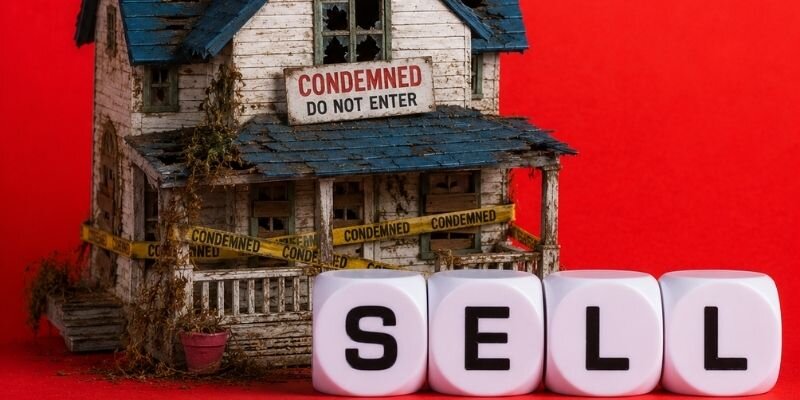
    A condemned property notice taped to the front door feels like the floor dropping out, especially when you’re already dealing with an estate, a family situation, or mounting city fines. That notice makes everything feel urgent. Even so, learning how to sell a condemned house in Tennessee starts with one fact: you still own the property, and you can still sell it.

    Can You Sell a Condemned House in Tennessee?

    The homeowners who get stuck are almost always the ones who waited too long to look into it. Every week of inaction costs something: accruing fines, rising property tax debt, and a demolition order creeping closer to execution. Property doesn’t fix itself. Liens don’t disappear.

    Sellers in Bartlett, South Memphis, and rural Fayette County all share the same fear when this situation first hits: that a condemned status makes their property worthless, or worse, unsellable. Neither turns out to be true. The market for distressed real estate in Tennessee is active, and the companies that buy houses for cash in Tennessee move quickly on condemned properties regardless of condition.

    Back in March, I sat across from the Hayes family in Bartlett. Their father had just moved into assisted living, and the 1960s ranch he’d lived in for decades had been flagged by city code enforcement for structural failure along the rear addition and a compromised electrical panel. We closed on a Wednesday. They didn’t clean out a single box.

    That story is typical, not exceptional. The goal of this article is to walk you through how condemnation works in Tennessee, what your realistic options are, and how to sell without making a single repair if that’s the path that makes sense for you.

    What Does Condemned Mean for a House in Tennessee?

    Two types of condemnation exist, and confusing them leads sellers to make bad decisions.

    The first, and by far the most common, is a code enforcement action: a local housing inspector has determined that the property poses safety or health hazards serious enough to prohibit occupancy. The second is a government taking property under eminent domain, which follows an entirely different legal process under Tennessee statutes and is not what most homeowners are dealing with.

    Selling Condemned House Tennessee

    In a code enforcement condemnation, the local government has found the property unsafe due to structural, electrical, plumbing, or environmental hazards. That list is broad: a collapsed roof, mold throughout the HVAC system, raw sewage issues, fire damage to load-bearing walls, or severe hoarding conditions that block egress. Memphis, Knoxville, Chattanooga, and Nashville each run their own code enforcement divisions, so violation types and timelines vary by city.

    It’s worth knowing that not all condemned properties are in the same category. Some carry a single fixable violation, a compromised electrical panel or a failed septic system, while others have accumulated years of deferred maintenance across every major system. The severity of the violations shapes both the timeline you’re working with and the offers you’ll receive. A property condemned for a single structural issue is a very different negotiation than one flagged for structural failure, hazardous materials, and fire damage combined.

    What’s consistent statewide is the notice process. Once a house is tagged as condemned, the owner is typically given 30 to 60 days to make necessary repairs, request a re-inspection, and apply for required permits. That window moves fast. Owners who don’t respond find themselves facing escalating fines or a mandatory housing board hearing.

    Condemnation does not transfer ownership. Your title remains yours, along with all the rights and obligations that come with it, including the full right to sell.

    How Tennessee Condemnation Codes and Violations Affect a Sale

    If you ignore a condemnation order in Nashville, the city can demolish the structure and bill you for the cost. In Memphis, demolition costs typically range from $8,600 to $18,000, depending on the size of the structure, with larger homes running higher. That demolition bill attaches as a lien to the land itself, even after the structure is gone. Sellers often assume the worst outcome is just fines. Nashville’s environmental court can also impose up to $50 per day per violation, a cost that compounds fast on an unresolved property.

    The City of Memphis has one of the most active code enforcement programs in the state, with thousands of open violation cases at any given time. Properties in neighborhoods like Frayser or South Parkway East can move through the demolition pipeline faster than owners expect, particularly when the structure has been vacant for an extended period. Knoxville runs a similar program through its Neighborhood Codes Enforcement office, and both cities have mechanisms to escalate cases that go unresponded to. Waiting does not make the problem smaller.

    Tennessee requires sellers to complete a Residential Property Condition Disclosure form covering structural, mechanical, and environmental conditions. You must disclose the condemnation status and any known violations in any sale contract. Attempting to hide a condemnation order creates legal exposure that no sale price is worth.

    Traditional lenders won’t finance a condemned property. That eliminates most retail buyers from the outset and leaves two realistic paths:

    1. Repair it enough to clear the condemnation status, often six figures depending on the violations cited.
    2. Sell as-is to a cash buyer who purchases in the current condition and takes on the code violations at closing.

    How to Sell a Condemned House in Tennessee As-Is

    Selling a Condemned Home Tennessee

    Selling as-is is entirely legal in Tennessee, as long as you properly disclose the condemnation status. Once the sale closes and ownership transfers, the buyer takes on responsibility for all code violations and condemnation issues, and that transfer of liability is one of the most underappreciated benefits of moving quickly.

    Some sellers worry that disclosing a condemnation order will kill the sale. With a retail buyer using financing, it likely would. With a cash buyer who specializes in distressed properties, disclosure is simply part of the conversation. They’ve seen condemned properties before. What matters to them is that the disclosure is complete and accurate, and that the title can transfer cleanly.

    Your contract should explicitly state who is responsible for the violations after closing. A real estate attorney familiar with Tennessee property law can make sure that the language protects you once the deed transfers. It’s worth the cost of a one-hour consultation before you sign anything.

    One caution: sellers sometimes skip attorney review because they assume cash sales are too informal for legal paperwork. That’s exactly backward. A cash sale still needs a proper contract, a title search, and a clean chain of ownership.

    What Cash Buyers Look for in a Condemned House in Tennessee

    A seller in Cordova called me after receiving a city notice about a rental she’d held for 12 years. The tenant had left, the pipes had frozen over winter, and by spring, the kitchen floor joists had rotted through. She had a Monday morning deadline on her first code enforcement hearing.

    Cash buyers deal with situations like this constantly. What they’re evaluating is not the house in its current condition. It’s what the property can become. They run renovation cost estimates, look at what comparable repaired homes sell for nearby, and back-calculate an offer that leaves enough margin to do the work.

    The calculation typically works like this: a buyer estimates the after-repair value of the property, subtracts their projected renovation or demolition costs, deducts their target margin, and that becomes their offer. Understanding this math helps you evaluate whether an offer is reasonable. A low offer on a property with heavy violations isn’t necessarily a lowball, it may reflect an accurate read of the rehab costs. A low offer on a structurally sound property in a strong neighborhood is worth pushing back on.

    They also look at the title. Existing liens, tax arrears, and prior code violation fines all factor into the offer or get addressed at closing. A title with ten years of unpaid property taxes attached is a larger discount driver than the physical condition of the structure. Pull your title report early so you know what’s on it.

    The condition of the lot matters too: size, zoning, flood zone status, and any historic overlay. Buyers are pricing the land’s potential, not the building’s current state, which is why owners who need to sell their house fast in Memphis, TN, still receive competitive offers even on fully condemned structures. Suburban lots hold value the same way, so we buy houses in Bartlett and work as cash home buyers in Collierville on identical as-is terms.

    How to Prepare to Sell a Condemned House in Tennessee Without Repairs
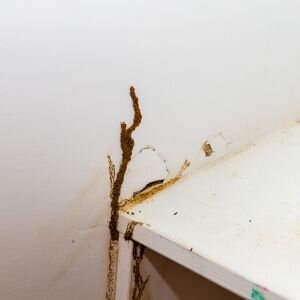
    You’re not preparing the house for anyone. You’re preparing the information.

    Gather the following before reaching out to buyers:

    How to Sell a Condemned Home Tennessee
    • The condemnation notice and any follow-up correspondence from the city or county
    • Your property tax account statement showing what’s currently owed
    • A title search from a local title company (this shows liens, judgments, and any clouds on ownership)
    • Any permits or contractor estimates from prior repair attempts, since even partial records reduce a buyer’s uncertainty

    Having this paperwork ready signals to buyers that you’re a serious seller, which tends to produce faster and more competitive offers. Buyers who work in the distressed market evaluate dozens of properties and move on quickly from sellers who are disorganized or hard to communicate with. The sellers who achieve the best outcomes are those who make it easy to say yes to a transaction.

    Pricing the property yourself is not worth the effort. Cash buyers will give you their number based on their own analysis. Your job is to get multiple offers so you can compare. Contacting two or three buyers and letting them compete is the single most effective way to get closer to fair market value for a condemned property.

    Once you’ve accepted an offer, a cash sale typically closes within 2 to 3 weeks. Some close faster, which matters when a code enforcement deadline is approaching.

    Why a Direct Cash Sale Works Better Than Listing a Condemned House in Tennessee

    Retail buyers using mortgage financing cannot purchase a condemned property. Any agent who suggests listing it on the MLS without addressing that reality first is setting you up for canceled contracts and wasted weeks.

    Listing also means agent commissions in the range of five to six percent, closing costs, and potential seller concessions after inspection. On a $150,000 land-value sale, that’s easily $12,000 to $15,000 out of your pocket before you’ve addressed a single lien.

    Cash saleTraditional listing
    Buyer financing requiredNoYes, condemned properties are ineligible
    Repairs before closingNoneTypically required to clear condemnation
    Agent commissionNone5 to 6%
    Closing timeline2 to 3 weeks60 to 90+ days, if it closes at all
    Who handles code violationsBuyerSeller, before or during sale
    Disclosure requiredYesYes
    Risk of canceled contractLowHigh

    A direct cash sale eliminates the commissions, shortens the timeline, and transfers the repair obligation to the buyer entirely. You don’t need curb appeal. You don’t need to stage or clean anything out. The property value is what it is, and a cash buyer’s offer reflects that.

    What to Expect During the Sale Process for a Condemned Property in Tennessee

    After you accept a cash offer, the buyer orders a title search. This is standard and takes about a week. The title company will flag any liens, tax debt, or other issues that need resolution at closing. Most of those get paid from your sale proceeds at settlement rather than out of pocket beforehand.

    Between the signed contract and the closing date, you’ll typically need to sign a few standard documents: the purchase and sale agreement, the Tennessee Residential Property Condition Disclosure, and the closing statement that itemizes how the proceeds are distributed. If there are outstanding liens, the title company coordinates payoffs directly with the lienholders. You don’t need to manage that process yourself. By the time you sit down at the closing table, the heavy lifting is already done.

    Caroline Tran came to us during a divorce in Cordova. She and her ex-husband co-owned a rental off Germantown Parkway that had been condemned after a kitchen fire left the structure uninhabitable. Neither party wanted the liability of carrying it through a contested rehab. She called on a Thursday; we had a signed contract by that weekend. The garage still had his tools in it when we closed. Neither of them had to set foot in it again.

    That’s the experience most sellers want: handled, clean, final. After closing, the deed transfers, the liens get paid, and your legal exposure to that property ends completely.


    Frequently Asked Questions

    Can you legally sell a condemned house?

    Yes, as long as you fully disclose the condemnation status and any known violations to your buyer, and your contract clearly assigns responsibility for code violations to the buyer after closing. Most cash buyers already expect and accept this as part of their offer.

    How much is a condemned house worth?

    Value depends primarily on the land and what a buyer can build or rehab there. A condemned structure in a high-demand neighborhood may still carry significant land value even if the building needs to come down entirely. Expect offers to reflect the estimated cost of repairs or demolition, any outstanding liens, and what comparable renovated properties sell for nearby.

    What’s the difference between uninhabitable and condemned?

    An uninhabitable property fails to meet livable conditions, but that determination can be informal, made by a landlord or tenant rather than a government official. Condemnation is a formal legal action by a government authority resulting in an official order, posted notice, and legal record. Every condemned property is uninhabitable, but not every uninhabitable property has been formally condemned. The formal status is what triggers legal timelines, fines, and demolition proceedings.

    When a house is condemned, who owns it?

    You do. Code enforcement condemnation does not transfer ownership to the city or county. You remain the titleholder with all rights and obligations, including the right to sell. Ownership only changes without your consent under eminent domain, a separate legal process with its own court procedures and compensation requirements under Tennessee law.


    If you have a condemned property in Tennessee and you’re weighing your options, the most useful thing you can do right now is get a written contractor estimate for the repairs and a title report showing what’s currently on the property. Those two numbers tell you whether the repair path is viable or whether a cash sale is the cleaner move. Feel free to contact us with any questions before you decide.

    If you want a no-obligation cash offer to compare against, Ready Door Homes buys condemned and distressed properties across Tennessee, from Shelby County to Fayette County, and can walk you through exactly what a clean, legal transaction looks like before you commit to anything.

  • Can You Sell a House With Termites in Tennessee

    Can You Sell a House With Termites in Tennessee

    In Tennessee, subterranean termites are not just a small annoyance. They are the most devastating wood-boring bug in North America, and the southeastern United States, including every county from Shelby to Sullivan, is right in the middle of their favorite climate zone. If you live in an older house in Midtown Memphis, East Nashville or anyplace along the Cumberland River region, chances are termites have paid a visit, whether you knew it or not. What you do with that information before you list your property is the difference between a clean sale and a sale that breaks apart at the inspection table.

    Here Are Your Real Options as a Tennessee Seller

    A termite problem does not lock you out of the market. Full stop. Sellers all over Tennessee move properties with termite history every single year. Your real question isn’t whether you *can* sell; it’s how you want to structure the sale and what trade-off you’re willing to make between time, money, and effort. Those three things are always in tension.

    After two listings with a real estate agent had expired without a single offer, the Kim family came to me back in March. Their 1960s ranch-style home in Smyrna, just off the Sam Ridley Parkway, had a history of subterranean termite activity, and every buyer who got to the pest inspection walked. Real trouble wasn’t the termites themselves; it was that the property was priced like a clean house when buyers were pricing it like a problem (a gap I’ve watched kill sales more than once). We bought it as-is within two weeks of that conversation, and the family finally got to close and move on.

    It’s a pattern I keep seeing. Sellers with termite history often fight the wrong battle, trying to hide the issue or price over it, rather than choosing the right exit ramp from the start.

    Add an unresolved termite issue on top of that, and a conventional listing can stretch well past three months, which means you’re carrying mortgage payments, taxes, and insurance the whole time. Knowing your options before you list saves you that pain.

    Can You Sell a House with Termite Damage in Tennessee?

    Your real answer is: yes, you can sell, and your path depends on the severity of the damage and the type of buyer you’re targeting. Minor termite history with a transferable warranty and a clean current inspection? Retail buyers can absolutely stomach that if you price and market it correctly. Active infestation or wood rot in the structural framing, subfloor joists, or load-bearing walls? You’re mostly looking at investor home buyers in Memphis, TN, and flippers at that point.

    Retail buyers using conventional mortgages hit the biggest wall. Lenders won’t fund a loan on a property with active termite activity or severe structural damage caused by an infestation. Your mortgage underwriter will flag it, the sale will fall apart at the appraisal stage, and you’ll be back to square one. FHA and VA loans are even stricter; a VA loan, for example, requires a wood-destroying insect inspection before closing. If your property doesn’t pass, the sale is dead until treatment is complete.

    Cash buyers, real estate investors, and direct-purchase companies operate without those lending restrictions. They buy the property in its current condition, account for treatment and repair costs in their offer, and move quickly. Speed has real value when you’re carrying property taxes, insurance, and a mortgage on a house you’re trying to exit. Ready Door Homes buys homes like yours all across Tennessee. If you’ve got termite history and don’t want to sink money into repairs before selling, a direct buyer is worth a serious conversation.

    Do You Have to Disclose Termite History When Selling a House in Tennessee?

    Tips for Selling a House With Termite Damage In Tennessee

    A seller decided not to mention previous termite treatment on their disclosure form, figuring it was old history and the pest control company had cleared it years ago. Three months after closing, the buyer found damaged floor joists and called an attorney, turning one omission into a lawsuit over repairs that cost far more than disclosure ever would have.

    That outcome is avoidable. Tennessee’s disclosure law is clear, and termites fall squarely inside it.

    The Tennessee Residential Property Disclosure Act (Tenn. Code Ann. 66-5-201, et seq.) requires the seller of a home to provide the buyer with a Property Disclosure Statement. Active infestations, prior damage, prior treatments; all of it qualifies as a material defect if you know about it.

    Here’s the part sellers often misread: you only have to disclose what you *know*. No requirement exists for sellers to have a home inspection, hire experts, or conduct an independent investigation to discover everything that might be wrong with their home. So if you genuinely have no knowledge of termite activity, you’re not obligated to go hunting for it. But once you know, that knowledge follows you through the transaction.

    Skipping disclosure to protect your sale price almost always backfires. A buyer who discovers undisclosed major defects can sue for repair costs, and if you knowingly provided false information or omitted material facts, you may face civil fraud liability. Legal fees alone, let alone the damages, wipe out whatever you thought you were protecting, and I’ve watched that play out more than once.

    What Tennessee Law Says About Termite Disclosure Requirements

    A seller who hopes to skip paperwork by handing over a simple disclaimer statement may be surprised to learn how narrow that option actually is. Tennessee law allows sellers to provide either a residential property disclosure statement covering all known material defects or a residential property disclaimer statement declaring that the seller makes no representations about the property’s condition and that the buyer is receiving it ” as is.” That disclaimer option sounds appealing, but it may only be used when the purchaser has waived the required disclosure. Buyers often won’t waive it, and most conventional mortgage transactions require the full disclosure form anyway, so the disclaimer route closes off faster than sellers expect.

    The Tennessee Code also governs termite service contracts directly. Any agreement for a termite warranty without initial treatment must clearly state on the front of the agreement if a damage repair guarantee is not offered, and a violation of this requirement constitutes a violation of the Tennessee Consumer Protection Act. Understand exactly what your current contract covers before you hand it off to a buyer, because I’ve seen closings stall over coverage gaps that a five-minute document review would have caught.

    Failure to disclose under the Residential Property Disclosure Act (Tenn. Code Ann. § 66-5-201 to 210) can result in the cancellation of a contract and be the basis for legal action.

    How Termite History Affects Your Home’s Value and Buyer Confidence

    A seller in Murfreesboro had a home treated for subterranean termites two years before listing. She had the warranty, the treatment records, and a clean current inspection. Her neighbor’s comparable house sold in 48 days. Hers sat for four months because her agent never figured out how to present the termite history proactively, which meant every buyer who asked about it heard the story for the first time mid-negotiation.

    Information gaps are what scare buyers, not termite history itself. When buyers don’t have the full picture, they fill in the blanks with worst-case scenarios.

    Structurally significant damage is a different story. Termites that have compromised floorboards, flooring joists, wall framing, or the soil-contact wood in crawl spaces will show up in any competent home inspection, and buyers will either walk or request a price reduction that reflects the full cost of remediation.

    The valuation impact varies by severity. Minor cosmetic damage with a documented treatment history might trim two to three percent off your sale price in negotiations. Structural damage to the subfloor or load-bearing members can push a buyer’s repair credit request north of $10,000, sometimes well beyond that. I’ve seen buyers in East Nashville and Brentwood request full re-treatment plus contractor repairs before they’d commit to a closing date.

    Buyer confidence tracks directly with transparency and documentation. A seller who has receipts, inspection reports, and a current warranty in hand walks into every negotiation from a stronger position than one who says “I think it was treated sometime in the last decade” (and I’ve heard that exact phrase).

    What Termite Warranties and Inspection Reports Do for Your Sale

    Steps to Sell a House With Termite Issues In Tennessee

    A transferable termite warranty is a concrete asset in Tennessee real estate. It tells the buyer they’re inheriting an ongoing relationship with a licensed pest control company, annual monitoring, and often repair coverage if new damage appears. That peace of mind has real market value, especially for buyers using conventional mortgages whose lenders scrutinize any pest-related findings in the home inspection report (and they do scrutinize them).

    Before a Tennessee pest control operator issues a warranty without initial treatment, they must conduct a proper inspection and document any visible damage with diagrams and written descriptions. A documentation trail like that is exactly what you want to hand to a buyer’s inspector. The more paper you have, the shorter the negotiation.

    Sellers who don’t have a warranty yet should get a new pest inspection before listing, not after an offer arrives. Buyers who encounter a termite finding at the inspection stage panic, regardless of severity. Sellers who walk in with a current inspection report and a quote for treatment are managing that anxiety before it becomes a negotiation problem, and in my experience, that one step keeps deals from unraveling at the worst possible moment. The cost of a termite inspection in Tennessee typically runs $75 to $150, which is trivial compared to the cost it prevents.

    One thing I always tell sellers: ask your pest control company specifically whether your warranty includes a damage repair guarantee. Many don’t. A monitoring-only warranty has far less value to a buyer than one that commits to covering repair costs if the colony returns. Know what you have before you advertise it.

    What Repairs and Treatments Make Your Tennessee Home Easier to Sell

    Treating an active infestation before listing is non-negotiable if you’re targeting retail buyers.

    A liquid termiticide treatment applied to the soil around the foundation runs roughly $500 to $2,500, depending on the size of the structure and the severity of the activity. Bait station systems cost more upfront but come with longer-term monitoring, making them worth considering if the infestation has been active for a while. Either way, you need a licensed pest control operator to apply treatment and issue documentation you can show to buyers.

    Structural repairs carry their own math entirely. Replacing damaged flooring, sistering compromised joists, or repairing termite-eaten sill plates costs real money, running $1,500 to $8,000 for moderate damage and more for anything involving load-bearing wood. Before committing to repairs, get at least two contractor estimates. Sellers routinely overspend on remediation that they could have addressed through a price adjustment or seller credit instead.

    A property with cosmetic termite damage, treated and documented, doesn’t need to be a gut renovation before it hits the market. Clean up what affects safety or structural integrity. Leave cosmetic issues priced into the listing. Spending $6,000 on repairs to avoid a $4,000 price reduction is bad math. I’ve made that observation to more sellers than I can count, and most of them nod like they wish someone had said it three months earlier.

    How to Price and Market a Tennessee Home with Termite History

    Price it wrong, and you’ll carry the property for months while the market decides you’re overconfident. Sellers who don’t adjust for documented termite history face the most predictable outcome.

    Pricing for termite history means building the buyer’s expected remediation costs into your ask from day one. A house worth $320,000 in perfect condition, with $8,000 in needed termite treatment and minor structural repairs, should probably list at $308,000 to $312,000, not $320,000 minus zero. Buyers who run their own numbers will land there anyway, so you’re really just deciding whether to get there gracefully or after two rounds of negotiation.

    Marketing a property with a termite history through a traditional real estate agent has specific challenges. Buyers using mortgage financing will have the lender’s appraiser flag any visible damage, and most loan products won’t fund until repairs are complete. This gives you a choice: complete repairs before listing, offer a treatment credit at closing, or sell to a cash home buyer in Tennessee like Ready Door Homes, who doesn’t need lender approval. Each path is valid. The wrong one is avoiding the question until it surfaces at the inspection and blows up your deal at the worst possible time.

    For sellers in Memphis neighborhoods like Midtown or Berclair, East Knoxville, or older sections of Chattanooga near the Northshore, termite history is common enough that experienced local investors factor it in routinely. Ready Door Homes buys properties across Tennessee and doesn’t require sellers to complete repairs or treatments before making an offer. That route cuts through all the lender complications and lets you close on your timeline (no reinspection delays either).

    Termite Treatment Costs Versus Seller Concessions: Which Saves You More?

    A Guide to Selling Your House With Termites In Tennessee

    Seller concessions tend to be the cheaper option, but most articles skip the math on why.

    Here’s the arithmetic. A treatment credit offered at closing costs you whatever you negotiate, typically the actual treatment bid. The same outcome achieved by pre-treating before listing costs the same dollar amount, plus your carrying costs for the extra weeks spent completing the treatment and re-inspecting. If your monthly carrying costs run $2,000 a month and treatment adds six weeks to your timeline, that’s $3,000 in holding costs on top of the treatment itself.

    Repair credits work similarly. A buyer who wants $5,000 in termite-related repairs credited at closing is, in most cases, a better deal for you than spending $6,500 on a contractor to fix the same items before listing. The math almost always favors the concession unless the repair is something lenders require before funding the loan.

    Investors making cash offers strip out all of that complexity. There’s no lender asking for re-treatment documentation, no appraiser flagging damaged floorboards, and no 69-day wait to find out if the deal survives the inspection contingency. The trade-off is that investor offers reflect the work the buyer will have to put in. Whether that’s worth it depends on your timeline and how much carrying cost you’re willing to absorb.

    Linh Vargas inherited a property in Dickson when three siblings wanted a fast, clean exit. The garage held thirty years of accumulated belongings, the crawl space had documented subterranean termite damage from a prior owner, and two of the siblings lived out of state. Getting the house cleaned out, treated, and listed on the traditional market would have taken months. Linh connected with a direct buyer, got an as-is offer that accounted for the termite repairs and the cleanout, and closed in under three weeks (inherited properties almost never move that fast otherwise). Every sibling got their share without a single repair bill.

    It’s not always about the highest offer. It’s about the right one. Ready Door Homes is a good place to start.

    Frequently Asked Questions

    How Hard Is It to Sell a House with Termite Damage?

    The difficulty really depends on the severity of the damage and the type of buyer you’re targeting. With minor, documented history and a current inspection, a retail listing can work just fine if you price and present it correctly. With active termites or structural damage, conventional mortgage buyers become nearly impossible to close because lenders won’t fund the loan until repairs are complete. Cash buyers and direct purchase companies remove that barrier entirely, so selling as-is to a local investor is often the fastest and most predictable path.

    Do Real Estate Agents Have to Disclose Termites?

    Yes. Tennessee’s Real Estate Broker License Act requires agents to disclose any “adverse facts” they have actual knowledge of, and termite damage squarely fits that definition. An agent who knows about an infestation or prior damage and stays quiet is violating the law regardless of what the seller put on the disclosure form. Agents can’t be sued directly under the Residential Property Disclosure Act itself, but they carry independent disclosure duties under the broker licensing statute.

    Are Termites a Deal Breaker When Buying a House?

    For some buyers, they are, but not universally. A buyer paying cash or purchasing as an investment property will typically factor treatment and repair costs into the offer and move forward. The real deal-killers are buyers using conventional mortgages or government-backed loans, where the lender won’t fund until the property is treated and structurally sound. Proper documentation, a transferable warranty, and transparent pricing go a long way toward keeping retail buyers at the table.

    How Many Termites Are Considered an Infestation?

    There’s no magic number that officially triggers the word “infestation.” Pest inspectors look for evidence of activity, including mud tubes along the foundation, damaged or hollow-sounding wood, shed wings near windows, and frass, rather than counting individual insects. If a licensed inspector finds evidence of current activity, that’s treated as an active infestation for both disclosure and loan purposes, regardless of how many termites are physically visible.

    If you’ve got a Tennessee property with termite history and you’re trying to figure out your next step, reach out. No pressure, no obligation. We’re happy to walk through your options with you, whether that’s helping you prep for a traditional listing or making you a direct cash offer on the house exactly as it sits today. You can reach out to Ready Door Homes anytime to start that conversation.

  • Can the Seller Back Out of a Contract in Tennessee?

    Can the Seller Back Out of a Contract in Tennessee?

    A seller called me on a Thursday afternoon, panicked. She’d accepted an offer on her Germantown home three weeks earlier and wanted out. The buyer was solid, the price was fair, and closing was days away. She’d just changed her mind. By then, the decision wasn’t entirely hers anymore.

    That plays out all over Tennessee, from the older streets of Cooper-Young to the newer subdivisions in Collierville and Bartlett. Every time, the same question comes up: can a seller actually back out of a real estate contract, and what does it cost when they do?

    Short answer: sometimes. The conditions matter, though, and getting it wrong can follow you for years.

    What Is a Real Estate Contract in Tennessee?

    A signed purchase agreement feels like a beginning, a handshake made official. Plenty of sellers treat the weeks that follow as extended negotiation, where they still hold most of the cards. They don’t.

    Can the Seller Back Out of a Sales Contract in Tennessee

    Tennessee’s Statute of Frauds (T.C.A. § 29-2-101(a)(4)) requires a real estate contract to be in writing and signed by the party you’re trying to enforce it against. An oral agreement to sell a property won’t hold up. Once both sides sign, the agreement carries real legal weight, and a seller’s obligations stop being aspirational. That last part is what most sellers miss.

    A standard Tennessee real estate purchase agreement sets the sale price, the closing date, what stays with the house, and which contingencies either party can invoke. Contingencies are the pressure-release valves: inspection results, financing approval, and appraisal outcomes. They give both sides an orderly exit when a contingency genuinely isn’t met. They don’t hand anyone a free pass for cold feet, and cold feet come up more than you’d think.

    In June 2026, Tennessee’s median home price was $393,767, up 3.6% from a year earlier, with homes sitting a median of 69 days. In a market moving that steadily, a seller watches a neighbor list at a higher price and starts wondering whether they left money on the table, and that feeling is real enough. Regret still isn’t a contractual exit, and no Tennessee court has ever treated it as one.

    Why Would a Seller Want to Back Out of a Contract?

    After nearly two months listed, the Millington house finally drew an offer. The family accepted fast, and a week later, their relocation collapsed, and they wanted to stay. Their buyer had already given notice at his apartment, so he was about to scramble for housing through no fault of his own.

    Sellers back out for all kinds of reasons, and most are human. A job transfer gets canceled, or a divorce gets called off. An aging parent suddenly needs care at home. Market conditions shift, and a seller starts suspecting they priced the property too low. Or an inspection turns up problems nobody knew about, and suddenly there are repair negotiations nobody budgeted for.

    Then there’s the seller who gets a better offer after going under contract. Tempting, especially when the gap between offers is large. It’s also where the legal risk concentrates, because courts don’t look kindly on people who break their word for profit.

    A seller might discover mid-transaction that the mortgage payoff runs higher than expected, which makes the math painful. Or a title search turns up an old lien. Some of these come with legitimate exits written into the contract. Others don’t, and that’s where things get messy. If a title search turns up something you didn’t expect, here’s what it takes to sell a house with a lien in Tennessee without the payoff derailing your closing.

    A change of heart shouldn’t turn into a legal problem. Here’s how Ready Door Homes can help, buying as-is on a timeline you choose.

    What Are the Lawful Exit Clauses Sellers Can Use?

    Memphis homes sold at a median of $187,276 over the three months ending August 2026, down 2.2% year over year. At any price point, the contingency language in your purchase agreement decides whether an exit is clean or expensive.

    Sellers in Tennessee usually find their legal recourse in the real estate contract’s contingency provisions. A financing contingency holds the sale together only as long as the buyer can secure a mortgage loan. If that loan application dies and no other financing materializes, the contract is typically voided, and the seller walks away without liability. An appraisal contingency works much the same way. The property appraises under the agreed price, the buyer won’t cover the gap, and either the buyer or the seller may have grounds to exit.

    Inspection contingencies are trickier ground for sellers. If the buyer waived inspection or already signed off on the condition of the house, the seller can’t turn around and use inspection results as an excuse to exit. That contingency belongs to the buyer, and sellers don’t get to manufacture one. Sellers who’d rather skip that step entirely can read up on selling a house as-is without an inspection in Tennessee before they sign anything.

    Some purchase agreements carry a kick-out clause, or a seller’s right to keep marketing the house. That gives sellers a structured path if a higher backup offer lands while the first one is still inside a contingency window. Paying a real estate attorney to read that language before you sign the listing contract is money well spent, and I’ve never once regretted paying for it.

    With no contingency to lean on, a seller’s options narrow fast. Buyers pick up legal rights here that sellers routinely underestimate. If you’d rather not bet your next move on someone else’s loan approval, contact Ready Door Homes for an offer on your house and a closing date you set.

    When Can a Seller Not Back Out of the Contract?

    I used to assume sellers had more flexibility than buyers once a contract was inked, since they owned the asset. That’s backward.

    Real estate contracts in Tennessee are legally binding. Backing out without a valid contractual or legal justification is a breach of contract, and breaches get expensive fast. Once contingencies are satisfied and the buyer is ready, willing, and able to close, a seller who refuses is in breach. Full stop. I’ve watched that land on people like a wall when their attorney lays out the exposure.

    The genuine no-exit scenario looks like this. Every contingency cleared, the buyer already out of pocket for the inspection, the appraisal, and loan origination fees, and the closing date days away. At that point, the buyer has performed his side of the agreement in full, and the seller’s late change of heart hands him a strong legal position.

    Sellers also can’t invent a reason to exit. Claiming a title defect that doesn’t exist, or refusing repairs already negotiated in writing, reads as bad faith to a court. That compounds the legal exposure rather than limiting it.

    Plenty of sellers ask whether they can just back out and forfeit a deposit as a penalty. Tennessee law doesn’t work that way. Earnest money is what a seller keeps when a buyer defaults. It caps nothing when the seller is the one who walks.

    Tennessee gives a wronged party six years to sue on a breach of contract under T.C.A. § 28-3-109. Six years is a long runway. Sellers betting that a buyer will shrug and move on are frequently wrong, and buyers who lost a house they loved tend not to forget. We’d rather you turn us down today than regret a signature six years from now, which is why we make it simple to sell your Tennessee house faster and in other cities on your own terms.

    How Can a Seller Legally Back Out of a Real Estate Contract in Tennessee?

    So you’re a seller under contract, and something has genuinely changed. What now?

    Read the contract first, every page of it. Most Tennessee purchase agreements include a termination clause spelling out when either party can exit and what happens to the earnest money. A real estate attorney, or a broker who knows Tennessee real estate law, can tell you whether any of those conditions fit your facts. That single conversation has saved sellers from some very costly assumptions about what a contract actually permits.

    Can the Seller Back Out of a Home Sale Contract in Tennessee

    An unresolved contingency on the buyer’s side, financing approval still pending, say, is often the cleanest legal exit available. The seller notifies the buyer in writing that the contingency wasn’t satisfied within the stated window, the contract unwinds, both parties walk away, the earnest money goes back, and nobody files anything.

    Mutual agreement is the other clean path. Buyers develop their own reasons for wanting out of a sale. When buyer and seller agree to release each other from the contract, they sign a mutual termination agreement, and the transaction ends before closing. This happens more than people expect, especially once both sides sense the sale has soured.

    A few things sellers should never do. Telling the buyer verbally that you’re backing out. Going quiet on your agent. Skipping the closing entirely without formal notice. Each one creates legal liability where a cleaner exit was sitting right there. Call legal counsel before you act, not after.

    What Happens When a Seller Backs Out of a Contract?

    Walking away without legal justification isn’t a clean break. It’s the start of a worse problem.

    When a seller terminates for a reason the contract doesn’t allow, whether that’s chasing a higher offer or a simple change of heart, the buyer can sue for specific performance. That means going to court and asking a judge to force the seller to complete the transaction on the original terms.

    Tennessee courts do order it. Because every property is unique, monetary damages may not fully repair the harm, so the party who broke the agreement is ordered to finish the sale. That’s the outcome sellers dread most. A judge tells you to sign the deed and hand over the home regardless of what you want, and your entire financial picture shifts in a direction you never planned for.

    Consider McBride v. Allison, decided by the Tennessee Court of Appeals in 2024. The trial court found the seller had breached the purchase agreement and granted the buyer specific performance. Four days after the intended closing date, the seller had signed a new agreement with a third party who’d offered more. The appeals court affirmed the specific performance order and went further, reversing the denial of the buyer’s attorney’s fees.

    Damages are the other route, and buyers often pursue both. A buyer can recover what he spent on the home inspection, his loan fees, and moving expenses already incurred. Add the price difference too, if he now has to buy a comparable home at a higher price. Attorney’s fees may be recoverable as well, depending on how the contract is written. Total exposure for a seller who walks runs well past what most of them picture going in.

    If you want out of the whole gamble, we buy Bartlett homes and nearby cities in Tennessee with an offer that closes on schedule, no lawsuits, no surprises.

    What Does Backing Out Cost a Seller in Tennessee?

    Most articles on this subject fixate on the buyer’s earnest money, while the seller’s side of the ledger goes unexamined.

    When a seller breaches without legal cause, the buyer doesn’t lose his earnest money. The seller may be ordered to return it and to cover the buyer’s out-of-pocket costs from the transaction. Stack attorney’s fees on both sides, court costs if it goes to litigation, and carrying costs on a house now tied up in a dispute instead of being sold. The damage compounds quickly.

    Do some sellers get away with it because the buyer decides not to sue? Sure, but that’s a gamble rather than a strategy. A buyer who already gave notice at his apartment and paid for an inspection and appraisal has motivation to fight, and he’s out hundreds before the sale even collapses.

    Memphis homes took a median of 36 days to sell over the three months ending August 2026, the same as a year earlier. A month on the market leaves a disappointed buyer plenty of time on his hands. A wronged buyer has both the incentive and the runway to call an attorney. The old assumption that buyers simply move on is less reliable than it used to be.

    Then there’s the reputational cost a seller pays. Tennessee’s brokerage community is smaller than it looks from the outside. An agent whose buyer got burned by a seller will tell that story, and agents talk. List the property again a year later, and a contested contract in your history complicates every conversation with future buyers and their agents.

    How Can Sellers Protect Themselves Before Signing?

    If you’re a seller sitting across the table from me before signing that purchase agreement, I’d tell you one thing straight. Read the contingencies before you accept an offer, not after you want out.

    The best protection against regretting a contract is taking the contract seriously the first time. Have a real estate attorney look at any clause that makes you uneasy, especially the financing and inspection language. Tennessee contract law rewards parties who understood exactly what they agreed to. It’s much less forgiving toward sellers who signed in a hurry and worked out the terms afterward.

    Price the home honestly from day one. One pattern keeps repeating: sellers price low to draw offers fast, collect several, accept one, then feel cheated when higher numbers surface afterward. That regret is manufactured by their own pricing, and it isn’t a legal out.

    Also, make sure your own situation is actually ready. Sellers who back out almost always name a life change that predated the listing. A job that was already shaky. Some family conversation nobody ever finished, or a destination that was never really locked in. Have those talks before the listing goes live, not three weeks into a contract.

    Worth knowing about: Ready Door Homes works with Tennessee sellers who need to move on their own timeline, without the pressure of a traditional listing. If flexibility matters to you, having a direct buyer in your corner before you sign a listing agreement changes the whole dynamic. That’s true whether you’re in Memphis proper or looking to sell your house fast in Collierville, TN, before a listing ever goes up.

    Valid Reasons Buyers Can Also Back Out of a Contract

    Sellers sometimes argue that buyers back out constantly and face nothing, so why the stricter standard? It doesn’t quite work that way.

    Can the Seller Back Out of a Contract Legally in Tennessee

    Buyers hold real exit rights, but those rights attach to specific contingencies written into the purchase agreement, not to unlimited discretion. Real estate agents build contingencies covering inspection results, appraisal, and loan approval into most contracts. The windows are short: a buyer typically gets a week or two for the inspection, while financing contingencies often stretch to thirty days or longer.

    A lender denies the loan application, and the financing contingency lets that buyer exit with his earnest money intact. An inspection turns up a serious defect the seller won’t fix, and the buyer gets the same clean exit. Once a buyer removes his contingencies, though, he’s obligated to close on the property, and walking away after that point puts his earnest money at risk.

    Buyers can also leave if the seller skips agreed-upon repairs before closing, or if the title search surfaces a defect that nobody can clear in time. Earnest money goes back to them, and they may pursue damages for what they spent along the way.

    That asymmetry frustrates sellers, but it follows from what each party actually signed. A buyer’s contingency exit isn’t the same animal as a seller’s unilateral decision to back out. One is built into the contract; the other is a breach. Tennessee courts treat them very differently.

    Is a Direct Sale a Safer Exit for Sellers?

    A family in Bartlett inherited their grandmother’s home, a three-bedroom brick ranch, the garage packed with forty years of tools, furniture, and boxes nobody had touched since she passed. We walked through on a Saturday. Three adult siblings stood in the driveway struggling to agree on anything at all. They didn’t want to handle the house, and they didn’t want to sign something they’d regret, either. What settled them was learning they could sell as-is, close on their own schedule, and split the proceeds without hiring a contractor or managing a cleanout. Everyone left that one on the same page.

    That’s exactly why Ready Door Homes exists. Sellers who need a clean, predictable exit without contingency risk or market exposure can talk through a direct sale, no pressure attached. It isn’t the right fit for everyone. For a family managing a complicated property, it usually is.

    Frequently Asked Questions

    What Are the Valid Reasons a Seller Can Back Out of a Contract?

    A seller can exit a real estate contract without legal risk when the buyer fails to satisfy a contingency written into the agreement. That covers securing financing, appraising at the contract price, or approving the house after inspection. A mutual written agreement between buyer and seller is the other clean path out. Outside those situations, a seller who backs out is likely in breach of contract and exposed to the legal remedies described above.

    How Long Can a Seller Back Out of a Real Estate Contract?

    A seller can withdraw an offer any time before both parties have signed and delivered an accepted contract. Once a signed agreement exists, the seller’s ability to exit is limited to the contingency windows and conditions written into that specific contract. After contingencies are clear and a closing date is set, there’s generally no unilateral right for a seller to back out without breaching the agreement.

    Does Tennessee Have a Buyer’s Remorse Law for Real Estate?

    Tennessee has no general buyer’s remorse or cooling-off period for standard residential real estate sales between private parties. Narrow exceptions exist elsewhere in the code. Timeshare buyers, for instance, get 10 days to cancel under T.C.A. § 66-32-114, or 15 days if they never made an on-site visit. For a typical home purchase agreement, both parties are bound once the contract is signed. Your attorney can confirm which rules govern your transaction.

    Can a Realtor Sue a Seller for Backing Out of a Contract?

    An agent or brokerage may have a claim against a seller who backs out of a sale after the agent has performed under the listing agreement. That’s especially true where a ready and willing buyer was produced, and the seller’s own decision collapsed the transaction. Whether the claim holds depends on the listing agreement’s terms and the circumstances of the exit. Sellers should review the listing agreement carefully before moving to terminate a contract.

    If you’re a Tennessee seller wondering whether your situation gives you an exit, or you’re trying to avoid signing something you’ll regret, we’re glad to talk it through. Ready Door Homes works with sellers across Tennessee every week, and we’ve seen most of these scenarios play out in real life. Reach out whenever you’re ready. No pressure, no obligation.

  • Selling A House That Needs Repairs In Tennessee: Your Complete Guide To Profitable As-is Sales

    Selling A House That Needs Repairs In Tennessee: Your Complete Guide To Profitable As-is Sales

    Tennessee had 36,662 active listings in August 2026, up from 33,409 a year earlier and 26,435 two years before, per Realtor.com data tracked by the St. Louis Fed. The median Tennessee listing sat 66 days, against 50 days in August 2024. Houses with a soft floor by the tub sit longer than that. They get picked apart at inspection, and by the third price cut, the seller nets less than the first as-is offer.

    I’ve bought homes across Tennessee in every condition you can picture. Selling a house that needs repairs in Tennessee rarely costs you money because of the repairs themselves. It’s a mismatch between the house, the price, and the kind of buyer who can close on it.

    Where to Start When Your Tennessee House Needs Repairs

    “Do I have to fix everything before anyone will make an offer?” No. A fixer-upper gives you three paths, each costing you something different. Renovate and list at retail. List as-is and let the market price the work. Or sell directly to a buyer who takes the property as it stands.

    Renovating pays when your budget is real, your contractor is booked, and you can carry the mortgage, taxes, and insurance while the work drags. That last part sinks people, because a kitchen job quoted at six weeks lands at eleven.

    Three siblings in Bartlett called me after one got a job transfer with five weeks to be out. Their late mother’s house had a chest freezer no one had opened since before the funeral, plus a roof carrying two layers of shingles. They didn’t need top dollar, just a closing date they could plan around.

    Deciding well starts with numbers, not feelings. Get an as-is cash offer, a real estate agent’s opinion of value after repairs, and one honest contractor bid. Three data points beat a gut call every time.

    You don’t owe this house another dollar before you find out what it’s worth as it sits, and Ready Door Homes can help you get that answer.

    Should You Fix It Up or Sell As-is?

    “I’d be leaving money on the table selling as-is.” Maybe you would. Run the whole equation first, because the renovation column holds more lines than most budgets show. Materials, labor, permits, loan payments during construction, and the vacancy premium your insurer tacks on.

    Selling a House That Needs Work in Tennessee

    Cosmetic work often pays: fresh paint, new lighting, and cleaned-up landscaping cost a few thousand and can move a sale price by more. Structural and mechanical work is where sellers lose money. Spending twenty thousand on a roof and furnace right before you list rarely returns twenty thousand. Buyers treat working systems as the baseline, not a premium feature.

    A middle option people skip: fix only what blocks financing, then price for the condition of the rest. Someone using an FHA loan can’t close on a dead heating system, though ugly cabinets and worn carpet are fine. Plenty of sellers ask about skipping that step entirely, and selling a house as-is without an inspection in Tennessee comes with its own rules.

    Sell as-is when the repair list runs into structure, when the house is vacant and burning cash, or when your timeline is short. Ready Door Homes exists for that. No renovation is worth a payment you can’t make.

    What Repairs Are Tennessee Buyers Worried About?

    No one walks away over a dated backsplash. They walk over a brown ring on the ceiling, because that stain could be a leaky supply line or a rotted roof deck, and nobody can tell which from your hallway.

    Water scares buyers more than anything else on an inspection report. Roof leaks, bad grading, a wet crawlspace, and a failed water heater. All of it reads as “what else is hiding?” Crawlspaces matter more here than sellers expect, since so much of Tennessee’s older housing stock sits on one. Foundation cracks come second, and they frighten people far past the repair cost. Then, electrical: knob-and-tube wiring, a Federal Pacific panel. If cracks are the issue at your place, here is how to sell a house with foundation issues in Tennessee without guessing at the repair bill.

    Financing puts hard edges on this. FHA appraisers work from HUD’s minimum property requirements, which call for a roof with at least two years of remaining physical life. Fall short and the appraiser documents it, often with repairs attached as a loan condition. Peeling paint on a pre-1978 home gets flagged, too.

    USDA guidance runs the same way, and it reaches a lot of rural Tennessee. Required repairs are limited to what protects the health and safety of occupants and preserves the property’s continued marketability, per Rural Development’s dwelling requirements.

    Know which of your issues block financing and which are just ugly. That distinction changes who can buy your fixer-upper, and what it’s worth.

    Which Home Improvements Matter Most Before You List?

    Get this backward, and you’ll spend thirty thousand dollars to raise your sale price by twelve. I watch it every spring, when someone remodels a kitchen to their own taste, lists high, then discounts twice because buyers wanted the roof fixed.

    The most recent Cost vs. Value report from Zonda lands where the last several did. Small exterior replacements beat big interior projects. Garage door replacement led every category at roughly 268 percent of cost recouped, a steel entry door around 216 percent. Neither is glamorous, and I’ve watched buyers judge a whole house from the front door.

    Every improvement you skip is money that stays in your pocket at closing, so contact Ready Door Homes before you spend a dime on this house.

    How Do You Price a Home That Needs Repairs?

    An overpriced fixer-upper is the most expensive listing in real estate. Every week it sits teaches the market that something’s wrong, and buyers start their offers below your last reduction.

    Measure your own days on market against that 66-day Tennessee median honestly. At a hundred days with no offers, your price is the problem, not the season, and not the photos.

    Price from the repaired value down, and make the discount bigger than the repair estimate. A buyer taking on the work wants to be paid for the risk and months of not living there. Match the price to a pool that can close: cash buyers and rehabbers at the rough end, FHA 203(k) borrowers in the middle, conventional buyers once the systems work. In Shelby County that pool starts with cash home buyers in Collierville, TN and the towns around it.

    What Are Your Options to Sell a Home Quickly in Tennessee?

    Not every cash offer comes from someone who intends to own your house. Wholesalers put properties under contract, then assign that contract to a third party for a fee. Tennessee tightened this in 2025. Under Tenn. Code Ann. 66-4-403, a buyer who plans to wholesale has to tell you in writing, in bold, large print inside the agreement, that they intend to market their equitable interest. You’re owed three business days’ notice before any assignment takes effect, and a harmed party has two years to sue. Ask any buyer whether they’re buying or assigning.

    A local investor can close fastest, often in one to three weeks, with no repairs, no showings, no financing contingency. You trade some price for speed. That makes sense when the property is vacant, when probate has dragged on, or when the repair bill runs past what you can float. Ready Door Homes buys in this lane, and a written offer costs nothing.

    Auctions can work for unusual properties with land value, though reserve prices and buyer premiums complicate the math.

    Then there’s the hybrid: list with an agent, but set a firm date to accept a backup as-is offer if nothing materializes. That’s market exposure with a floor under you.

    Speed is worth something, and so is knowing who you’re actually selling to, so get both in writing from a cash for houses company in Tennessee.

    How Do You Market a Fixer-upper the Right Way?

    One listing I followed showed eleven photos, six of a stained ceiling and a trash bag. Relisted with the junk hauled off and the lights on, it drew four showings in a weekend.

    Selling a House in Need of Repairs in Tennessee

    Presentation isn’t about hiding anything; it’s about proving the place is safe to walk through. Sweep it, kill the smell, replace the dead bulbs.

    Photograph the honest condition, then the potential beside it. A wide shot of a big backyard, a detached garage, or an oversized lot beats another angle of the worn kitchen.

    Write the description for the audience who’ll buy it. Phrases like “solid bones” and “bring your contractor” filter out buyers who’d waste your time. Include the year of the roof, the age of the HVAC, and the square footage. Rehabbers scan those lines first.

    Put the disclosure packet and inspection report in the MLS documents section. Distressed sales were just 2 percent of transactions nationally in August 2026, so most agents rarely handle one.

    What Disclosure Rules Do Tennessee Home Sellers Need to Know?

    Signing an as-is contract sounds like it closes the book on condition, and in Tennessee, it doesn’t.

    The Tennessee Residential Property Disclosure Act starts at Tenn. Code Ann. 66-5-201, and 66-5-202 gives you two options. Hand the buyer a Residential Property Disclosure Statement covering the condition and any known defects. Or, where the buyer waives that, a Residential Property Disclaimer Statement saying you make no representations, and the buyer takes the place as is. Either one has to reach the buyer before the contract is accepted, under 66-5-203.

    Two things in that law surprise sellers. You don’t have to run an independent investigation to fill out the form, and under 66-5-204, you’re not liable for an error you had no actual knowledge of, as long as you weren’t grossly negligent. Tennessee isn’t asking you to become an inspector, just to be straight about what you already know.

    Now, the part that matters most in a distressed sale. Failing to hand over the form doesn’t let a buyer cancel, and 66-5-208 says it doesn’t create a cause of action on its own. That same section still preserves every remedy for an owner’s intentional or willful misrepresentation. As-is language will not cover a lie. A claim there runs one year, counted from the date the buyer got the disclosure statement or the date of closing, whichever comes first.

    Plenty of fixer-upper sales skip the form entirely. Section 66-5-209 lists twelve exempt categories, and these come up constantly: court-ordered transfers, foreclosure sales, a fiduciary administering an estate, a divorce decree, and any sale where the owner hasn’t lived there in three years. That last one covers a lot of inherited houses and tired rentals. Exempt doesn’t mean silent, though, because fraud claims live outside the disclosure act.

    One Tennessee quirk worth knowing: under 66-5-207, you don’t have to disclose a death, homicide, felony, or suicide at the property, as long as it had no effect on the physical structure.

    Federal law still stacks on top. For homes built before 1978, the EPA’s lead-based paint disclosure rule requires you to disclose known lead-based paint and hazards. You also hand over any reports you have, plus the EPA’s “Protect Your Family from Lead in Your Home” pamphlet. Buyers get a ten-day window to run a lead inspection, and sellers keep the signed disclosures for three years. Under 24 CFR Part 35, a knowing violation exposes a seller to triple the buyer’s damages.

    Line Up Price, Paperwork, and Timeline

    That same candor speeds the sale up, because sales die from surprises more often than from problems. A buyer who learns about the sewer line in week one negotiates. The one who finds out in week five walks.

    Selling a House That Needs Repair in Tennessee

    Sort out title first: unpaid property taxes, contractor liens, an heir who never signed off, a divorce decree no one recorded. Title problems take longer to fix than roofs, and they surface at the worst moment.

    Keep the utilities on, because appraisers can’t test what isn’t running, and lenders on government-backed loans flag a shutoff. Call your insurer, too, since most homeowners’ policies change terms once a house sits vacant.

    Know your closing math first. Tennessee charges a realty transfer tax of $0.37 per $100 of value under Tenn. Code Ann. 67-4-409, customarily the buyer’s line item. Ask for two numbers: what an agent thinks you’d net after commissions, concessions, repairs, and carrying costs, and what a direct buyer pays today. Some who call Ready Door Homes end up listing instead, and that’s a fine outcome.

    What’s your actual deadline? Not the ideal date, but the real one, the day the estate settles or the mortgage goes delinquent. Build backward from it.

    What I Got Wrong About Repairs and Resale Value

    A seller named Carla once asked why her fresh paint job hadn’t raised a single offer. I used to believe that painting before listing was always essential, and I was wrong. On a house needing a roof and a panel upgrade, paint just delays the listing and drains the budget.

    Bathrooms surprised me, too. In the latest Cost vs. Value data, a midrange bathroom remodel recouped about 80 percent of its cost, well ahead of a kitchen gut job. Every renovation dollar still comes back as less than a dollar.

    One more correction: I used to assure sellers that investors would always be circling. Individual investors and second-home buyers accounted for 15 percent of transactions in August 2026, down from 21 percent a year earlier, with Freddie Mac putting the average 30-year fixed rate at 6.67 percent. Fewer rehabbers are bidding, and the ones still active hold firmer on price.

    A man in Millington called on a Wednesday afternoon, worn out from chasing rent on a duplex he’d inherited and never wanted. His last tenant left paint cans and a broken mower in the carport. He wasn’t chasing the highest number; he wanted out before winter, and we closed in seventeen days.

    Fewer buyers are circling than last year, which makes a firm offer from Cordova cash buyers and others across West Tennessee worth more than a hopeful list price.

    Frequently Asked Questions

    Is It Hard to Sell a Home That Needs Repairs in Tennessee?

    Harder than selling a move-in-ready home, but a fixer-upper is routine work for the right buyer. Your pool shrinks because government-backed loans carry condition standards, so you’re mostly selling to cash buyers, rehab-loan borrowers, and investors. Price it for that audience, and these sell steadily across Memphis, Bartlett, Collierville, and Cordova.

    What Hurts a Home’s Value the Most?

    Anything involving water or structure. A leaking roof, a wet crawlspace, foundation movement, or an active plumbing failure costs you more at the table than the repair would have. Unsafe electrical and a dead heating system come next, since both can block financing.

    Can a Tennessee Seller Say No to a Buyer’s Repair Requests?

    Yes. Nothing in a standard Tennessee contract forces you to complete repairs a buyer asks for after their inspection, though they can usually walk if the inspection contingency is live. Selling as-is up front sets that expectation early. The exception is anything a lender demands before funding, since refusing those kills the loan.

    How Long Are You Responsible for Problems After You Sell in Tennessee?

    Under Tenn. Code Ann. 66-5-208, a buyer has one year to bring a claim tied to the disclosure statement, counted from the date they received it or the date of closing, whichever comes first. Claims for intentional or willful misrepresentation sit outside that subsection, and as-is language won’t protect a seller who knew about a serious problem and hid it. Keep your signed disclosures, inspection reports, and receipts. A Tennessee real estate attorney can tell you how the limits apply.

    Is Selling As-is Worth It Compared to Fixing Things Up?

    It depends on how much cash and time you have. Renovating works when you can pay without borrowing, supervise the work, and wait out the market later on. Miss any of those three and the math flips. The discount you take selling as-is often costs less than a half-finished project, a construction loan, and six more months of taxes and utilities.

    Selling a house that needs work isn’t a failure of planning. Houses age, budgets tighten, jobs move, and sometimes the repairs belong to the next owner. You can sell a fixer-upper house in Tennessee without losing money. Three things stay yours: the price you set, the condition you disclose, and the buyer you invite in.

    It costs nothing to see what a cash offer on your Tennessee fixer-upper looks like as it sits today, paint cans and all. Take the number, compare it against your repair estimates, and decide from there. No pressure, no cleanup, no obligation.

  • How to File a Quitclaim Deed in Tennessee

    How to File a Quitclaim Deed in Tennessee

    A deed gets signed at a kitchen table in twenty minutes, then sits in a drawer for eleven years. I’ve opened that drawer. Someone’s name never made it onto the property title, and a refinance or a probate case dragged the mess back into daylight. Quitclaiming is one of the simplest tools in real estate. Simple is what trips people up. Knowing how to file a quitclaim deed in Tennessee comes down to the parts that carry legal weight: the acknowledgment, the sworn statement of consideration, and recording the document with the right office.

    What Is a Quitclaim Deed Under Tennessee Law?

    Before: two names on the title after a divorce, one ex-spouse still paying to live there. After: one name on record, a filed quitclaim deed, and a lender that finally knows who holds what.

    A quitclaim deed hands over whatever ownership interest the grantor happens to have. That’s the whole promise, and it isn’t much of one, since no warranty rides along. If the grantor held a shaky one-third interest clouded by an old lien, the grantee takes a shaky one-third interest clouded by that same old lien.

    The official term here is a quitclaim deed. A deed that carries no covenants also goes by non-warranty deed in plenty of places, and that name describes the thing well enough. The document is short, though Tennessee asks for more on its face than most states do. You’ll list names and addresses of both parties, the county, the parcel ID, the sworn consideration, and the legal description. The preparer’s name goes on as well, along with a derivation clause. Pull that description off the recorded deed, never off a tax bill. Tax records summarize. They don’t convey.

    That derivation clause trips up out-of-state filers more than anything else here. Under T.C.A. § 66-24-110, the deed has to name the instrument from which the grantor’s own title came, book and page included. Leave it off, and the register can turn you away at the counter.

    A retired couple in Millington called me on a Thursday a while back. Three months behind on the mortgage, the auction date is already circled. The title showed a long-dead brother still sitting on the deed from a quitclaim transfer no one finished in the nineties. I’ve run into that mess more than once in old family transfers. A pontoon boat filled their garage, and the bigger problem filled their title report.

    One thing a quitclaim never does: touch the loan. Deeding your interest away leaves your signature on the note right where it was.

    A quitclaim deed moved the deed, but your name stayed on the note, and selling is what gets you off that loan. Here’s how Ready Door Homes can help if you want out sooner than a listing allows.

    How Is a Tennessee Quitclaim Deed Different From a Warranty Deed?

    “Can’t I just quitclaim the house to my buyer and save the lawyer’s fee?”

    Please don’t. A warranty deed carries covenants. The grantor stands behind the title, and the grantee can come after them if it turns out flawed. A quitclaim carries no backstop at all. Buyers with financing won’t take one, and title insurers get uncomfortable fast.

    How Do You File a Quitclaim Deed in Tennessee

    Price is where the difference bites. Tennessee’s statewide median sale price hit $378,325 in August 2026, up 0.9% from a year earlier, according to Redfin’s state market data. Nobody hands over that kind of money for a document that guarantees nothing about ownership rights.

    At the register’s counter, the two look the same. Both get recorded the same way. Both need the same sworn oath of value. The whole difference lies in what the grantor promises, which is why quitclaim deeds cost less in legal fees and carry more risk for whoever receives them. If that split still feels blurry, here’s what every homeowner should know about deeds and titles before either document gets signed.

    As a buyer, I’ll take a quick claim deed in two situations. One, I’m clearing a stray heir’s interest off a title I already control. Two, a seller’s interest is so tangled that no honest warranty could be given. Otherwise, a general warranty deed earns every dollar of the attorney’s time.

    Financed buyers walk away from a quitclaim, but a cash buyer doesn’t, so contact Ready Door Homes if a clouded title is the only thing holding up your sale.

    When Should You Use a Quitclaim Deed in Tennessee?

    Quitclaim deeds belong between people who already trust each other. Almost nowhere else.

    A wedding often prompts spouses to add each other to the deed. A divorce takes one of them off, usually with the decree spelling out who signs what over and when. Parents move a house into a revocable living trust so beneficiaries skip probate later, and the trust takes title by deed. Heirs settling an estate use quitclaiming to pull fractional interests into one owner’s hands. That only works once the estate has cleared court, and selling a probate house in Tennessee runs on its own timeline.

    Clerical fixes are another honest use. A misspelled surname, a middle initial that vanished, a married name no one bothered to update. A corrective quitclaim cleans all of that up for the cost of recording.

    Would you loan this person your truck for a month without a text confirming it? That kind of conveyance assumes about that much trust.

    Investors also use them to shift a property into an LLC. Talk to the lender first. Most mortgages carry a due-on-sale clause, and a change of owner can give the lender the right to call the balance. Banks rarely pull that trigger on an intra-family transfer, though rarely isn’t never. One call to the loan servicer beats a surprise letter.

    One more fair use: releasing a claim you aren’t sure you hold. Someone who might own a share through an old marriage or an unprobated estate can sign that possibility away, and the title clears.

    What Risks Come with Signing a Tennessee Quitclaim Deed?

    “If my name comes off the deed, I’m off the mortgage.” That sentence has cost homeowners more money than almost anything else I hear. Ownership and debt sit in separate boxes. The lender holds a signed note, and deeding your interest away doesn’t release you from it. Your credit still absorbs every late payment on a house you no longer own.

    Liens travel with the property, too. Back taxes, judgment liens, contractor liens, and HOA assessments. The grantee inherits all of it with zero recourse against the grantor.

    Title insurance is the next snag, because a quitclaim sitting in the chain of ownership can make a future underwriter nervous, especially one recorded without a lawyer’s review.

    Tax relief is quietly at stake as well. Tennessee has no blanket homestead exemption on property taxes, so what’s at risk is the state Property Tax Relief Program, which reimburses low-income elderly and disabled homeowners, plus disabled veterans. That benefit follows the owner of record who lives there, not the parcel. Your county trustee is the only reliable place to confirm what has to be re-filed. Ask before you sign. Not in the fall, after a bigger bill lands.
    Skip the quitclaim for arm’s-length sales, for any transfer with a lender or title company involved, and any time the parties don’t fully trust each other. Creditors of the grantor can challenge transfers made while debts sit unpaid. A deed signed to hide a property from a judgment tends to create a second lawsuit instead of a shield.

    Back taxes, a judgment lien, an HOA balance nobody’s touched in years, investor home buyers in Tennessee and cash home buyers in Cordova, TN will take the house with all of it attached and settle what’s owed out of the sale.
    What Are the Tax Implications of a Quitclaim Deed in Tennessee?

    Tennessee’s real estate transfer tax runs 37 cents per $100 of value or consideration, which works out to $3.70 per $1,000, under T.C.A. § 67-4-409. The grantee owes it here, which flips the usual assumption that the grantor pays.

    How to Record a Quitclaim Deed in Tennessee

    These deeds get their own wrinkle. The tax normally rides on value or consideration, whichever is greater, but on a quitclaim, it follows the actual consideration given. Gifts and family transfers often owe little as a result. You still swear the oath of consideration either way, since that sworn figure is what the register taxes.

    Federal taxes are the trickier half. Handing a house to a child for free can be a reportable gift, and the recipient just steps into your cost basis instead of getting a fresh one. That one detail has produced some ugly capital gains bills years later. A CPA earns their fee here.

    Sell instead of gifting, and the picture changes. IRS Publication 523 lets a single filer exclude up to $250,000 of gain on a main home, and married couples filing jointly up to $500,000. You need to have owned and lived in the place for at least two of the five years before the sale. Spouses and ex-spouses moving property as part of a divorce get their own treatment under that guidance.

    Tennessee takes no second bite. The Hall income tax was repealed for tax years beginning January 1, 2021, so any gain is a federal matter and nothing more. Property taxes still deserve a look, since a change in recorded owner can trigger reassessment depending on how your county handles it.

    How Do You File a Quitclaim Deed with a Tennessee Register of Deeds?

    An unrecorded deed is worth less than the paper. Under T.C.A. § 66-26-103, an instrument that never gets registered is null and void as to the creditors of the maker and to bona fide purchasers without notice of it.

    The signing rules here are looser than most people expect. Under T.C.A. § 66-24-101, the grantor’s signature has to be acknowledged before a notary, or else proved by two witnesses signing under oath. One notary is the normal route. Tennessee doesn’t demand a second witness at the signing the way some neighboring states do, though a witness who signs anyway does no harm.

    Next comes the oath of consideration, sworn right on the deed. The wording tracks T.C.A. § 67-4-409: I hereby swear that the actual consideration or value, whichever is greater, for this transfer is a stated dollar figure. A notary or the register can administer it.

    You’ll record it with the Register of Deeds in the county where the property sits, per T.C.A. § 66-24-103. Under T.C.A. § 8-21-1001, the fee runs $10 for the first two pages, $5 for each page after that, and a $2 data processing charge, with the transfer tax collected on top.

    People underestimate timing. Record the same week you sign, keep a stamped copy, and send one to whoever handles your insurance and your tax bills.

    You can spend a Thursday at the register’s counter, or you can sell to a company that buys homes in Memphis and nearby Tennessee cities and let the closing handle the deed, the recording, and the transfer tax.

    Where Can You Get Help with a Quitclaim Deed in Tennessee?

    That leaves the question of who should draft the thing. Tennessee doesn’t force you to hire a lawyer to close, which is why title companies and licensed settlement agents run most residential real estate closings here. That freedom cuts both ways. A settlement agent can record your deed, but picking the deed type is legal work, and only your own attorney can do it.

    How to File a Quit Claim Deed in Tennessee

    Bring a real estate attorney in for anything touching a trust, an estate, a divorce decree, or a mortgage still in play. An hour of counsel costs less than unwinding a bad conveyance.

    Register’s staff can’t help you here. They record documents, and they’re barred from giving legal advice, so none of them will tell you whether a deed does what you want.

    Sometimes the deed isn’t the answer at all. If the real issue is that you no longer want the house, selling beats deeding it to a relative who doesn’t want it either. That’s where a direct buyer like Ready Door Homes fits: a cash offer, an as-is sale, and a clean warranty deed at closing instead of a homemade document. Shelby County’s median sale price sat at $259,240 in July 2026, down 2.4% year over year, so equity often runs larger than sellers assume when they start hunting for shortcuts. The same math holds out in the suburbs, and owners who sell their house fast in Bartlett, TN often keep more than the deed shortcut would have saved them.

    A landlord in Cordova reached out after four years of chasing rent on a house he inherited and never wanted to manage. A motorcycle sat in the carport, and the water heater had failed twice. He told me he’d stopped opening texts from that number. We closed, he kept the equity, and no one had to draft anything at the kitchen table. That’s usually when a landlord finally exhales.

    Frequently Asked Questions About Tennessee Quitclaim Deeds

    Can I Prepare and File a Tennessee Quitclaim Deed Myself?

    You can, and plenty of people do, for simple family transfers. The risk isn’t the form. It’s the legal description, the derivation clause, the witness and notary rules, and knowing whether the transfer creates a tax or lender problem. One practical catch: Tennessee limits electronic submission to attorneys, banks, regulated lenders, licensed title insurers, and government agencies, so an individual walks it into the county Register of Deeds or mails it.

    What Are the Real Downsides of a Tennessee Quick Claim Deed?

    The grantee gets no promises at all about the title, so any lien, easement, or competing claim comes along for the ride. The grantor stays on the mortgage unless the loan is refinanced or paid off. Insurers and lenders treat these deeds with suspicion, which can complicate a later sale or refinance.

    Who Pays Tennessee Taxes After a Quitclaim Transfer?

    The new property owner picks up the property tax bill going forward, so make sure the county has the right mailing address on record. The transfer tax here falls on whoever receives the property, unless the parties agree otherwise in writing. Gift tax reporting and any capital gains down the road sit with the people involved, which is why the federal exclusion above matters more than the deed form itself.

    How Long Does Recording Take in Tennessee?

    Walk-in filings are often stamped and handed back the same day, since the county register indexes at the counter. Mailed filings depend on the county office’s backlog and can take a couple of weeks to come back. Either way, the transfer takes effect between the parties when the deed is delivered. Recording is what protects the grantee against everyone else, so don’t sit on it.

    Will a Tennessee Quitclaim Deed Trigger My Due-on-sale Clause?

    It can. Most mortgages let the lender call the loan due when the property changes hands, and a recorded deed is public notice that it did. The Garn-St Germain Act shields transfers to a spouse or child, and transfers into a living trust you stay the beneficiary and occupant of, on residential property with fewer than five units. A transfer to a friend, a buyer, or an LLC isn’t on that list. Call the servicer before you record if the loan is still open.

    If you’re holding a property that’s turned into more headache than asset, and a deed transfer feels like the only lever left, it’s worth seeing what the straightforward version looks like first. A cash offer costs nothing to review, and no obligation comes attached to asking. Reach out when you’re ready, and we’ll walk through the numbers together.

  • How To Sell A House With Foundation Issues In Tennessee: Complete Guide For Homeowners

    How To Sell A House With Foundation Issues In Tennessee: Complete Guide For Homeowners

    Two contractors can look at the same crack in the same block wall and hand you numbers twenty thousand dollars apart. Both are being straight with you. Selling a house with foundation issues in Tennessee starts with working out which of those numbers describes the house you own. Foundation work gets priced by what sits under the house, not by what shows on the wall, and in Tennessee, what’s down there changes street to street. I’ve been buying property here for years. Structural trouble is the number one reason a homeowner calls me before an agent. So let’s sort out what’s real, what’s fixable, and what you can sell as-is with no apology.

    How Do I Know If I’m Selling a House with Foundation Issues?

    Miss the warning signs, and you won’t be the one who finds them. A buyer’s inspector will, around day twelve of a thirty-day contract, right after you’ve put a deposit on a moving truck. Finding it yourself first is what keeps a sale on track, and it helps to know what happens when you sell a house that failed inspection in Tennessee.

    I check doors before walls. A bedroom door that latched fine for a decade and now scrapes the jamb at the top corner is reporting movement. So is a window that needs a shoulder to open. Set a marble on the floor in a few rooms. If it rolls toward an interior wall, a pier or beam under the crawl space has given up.

    Cracks have a grammar to them. Thin vertical lines in poured concrete are usually curing shrinkage, nothing more. Stair-step cracks climbing the mortar joints of brick veneer say something else, especially when they’re wider at the top than the bottom. Horizontal cracks running across a basement wall are the ones I take seriously. That’s soil pressure pushing in from outside.

    Anything you can slide a nickel into deserves an opinion from somebody licensed.

    Plenty of Tennessee houses outside the newer slab tracts sit over a crawl space, so a flashlight buys real facts. Crumbling mortar on the piers, shims stacked like pancakes, standing water three days after a storm. I’ve seen all three in one afternoon, and they all point in the same direction. Musty air upstairs and a bouncy floor tell that story from indoors.

    Walk outside too. A chimney pulling away from the siding, a settling front stoop, and gutters dumping beside the wall. Stack three or four of those, and a seller has a case worth handing to an engineer first.

    Sticking doors and a sloping hallway don’t have to cost you a sale. We buy Tennessee homes with foundation problems across Memphis and the surrounding cities, no repairs asked for. Got more questions about selling as is? Read other FAQs here.

    What Causes Foundation Issues in Tennessee Homes?

    Most foundation damage in this state is a water problem wearing a structural costume. Soil does the moving. The house goes along for the ride.

    Clay is the culprit more often than anything else. These soils swell when they take on water and shrink back when they dry out. The Tennessee Division of Geology reports that wet soils can run 20 to 50 percent greater in volume than the same soil dry. Picture that cycle repeating every August drought and every November soaker for thirty years. Footings ride up, settle back down, and something gives. I’ve watched it split slabs on houses I’ve bought.

    How To Sell A House That Needs Foundation Repair in Tennessee

    Limestone is the other culprit underground. USGS work on Tennessee karst aquifers puts it plainly: carbonate rocks underlie most of Middle Tennessee and large areas of East Tennessee. Water dissolves channels through that rock, soil slips into the voids, and the ground surface lowers without warning anyone. Murfreesboro and the Franklin side of Williamson County grew fast on exactly this ground.

    Where the house sits decides which problem you have. Middle Tennessee gets karst layered under sticky clay. Memphis sits on deep loess bluffs above the Mississippi, where the silt loam carries roughly 28 percent clay and a moderate shrink-swell risk. Add about 53.7 inches of rain a year, and the ground around a foundation stays saturated, which is why crawl spaces toward Bartlett and Cordova stay damp. East Tennessee has the hills. A house cut into a slope in Hixson or on a Knoxville ridge takes lateral pressure against one wall year after year.

    Bad site work adds to all of it. Subdivisions on old farmland settle as the fill compacts. Downspouts discharging two feet from the block, flower beds graded toward the house, a driveway funneling runoff at the garage slab. Drainage is cheap next to piers, and nobody installs it until cracking starts.

    What Should I Do If I Suspect Foundation Issues?

    Which is why the first call shouldn’t go to a repair company. It should go to a licensed structural engineer.

    An engineer’s inspection runs around $300 to $780. That engineer has nothing to sell you and puts findings in writing. A free inspection from a company that installs piers will always find work worth installing piers for. The written report is the most valuable piece of paper you can own here, whether you list retail or sell for cash. I’ve watched it turn a scary unknown into a defined scope with a number attached.

    Take the report to two or three contractors and collect offers on the same scope. Prices swing wide for identical work. Ask each about the transferable warranty, since one that follows the deed is worth real money to the next owner.

    Do you know where your downspouts empty after a hard rain? Extending them eight or ten feet from the wall, plus regrading to slope away, settles a lot of minor movement gripes.

    A widow in Cordova called me on a Tuesday last year, worn out from chasing rent on a house she never wanted to be a landlord for. Her engineer had flagged two failing crawl space piers and a grading fix. The tenants had stopped paying in the spring. She wanted a date on the calendar more than the last dollar. That’s a fair thing to want.

    One mistake I keep watching sellers make: patching cosmetic cracks before they know the cause. Fresh paint over a stair-step crack reads as concealment to every inspector in the state, and it costs a seller trust at the worst moment. Fix the water, document the structure, then decide. At Ready Door Homes, we’d rather see a report we disagree with than a wall that’s been skim-coated. Once you’ve got the findings in writing, contact Ready Door Homes and sell the house exactly as the report describes it.

    What Are the Disclosure Requirements for Selling a House with Foundation Issues in Tennessee?

    A seller in Germantown troweled hydraulic cement over a basement crack in March, then left the structural questions blank on his disclosure form in June. The buyer’s inspector spotted the fresh patch in twenty minutes, and the contract was dead by Friday.

    Tennessee’s Residential Property Disclosure Act, at Tenn. Code Ann. § 66-5-201 and following, covers residential property of one to four dwelling units. You hand the buyer a completed disclosure statement, or, if the buyer waives it, a disclaimer statement saying you make no representations about the condition. Some transfers are exempt under § 66-5-209. Court-ordered transfers land there, so do transfers by a fiduciary handling an estate, and so does any sale where the owner hasn’t lived on the property within three years. Your closing attorney can say which path fits.

    The form asks for knowledge, not investigation. The statute says so outright at § 66-5-202: an owner isn’t required to undertake any independent investigation or inspection of the property to make these disclosures. Known foundation problems still belong on the page. So do known sinkholes, and § 66-5-212 asks separately whether a single-family residence on the property has ever been moved from one foundation to another.

    A buyer who believes you hid a known defect has one year to sue under § 66-5-208, counting from the date they received the disclosure statement or the closing date, whichever lands first. That’s a short window, and one more argument for putting everything in writing.

    Selling as-is does not erase the duty. As-is sets the terms on who pays for repairs. It says nothing about what you can leave off the form. Write down the cracks, the engineer’s findings, the offers, and any repairs performed. A buyer who signed off on a known condition has little to come back with later.

    How Much Does Foundation Repair Cost in Tennessee?

    You’ve heard that foundation repair always runs five figures. It doesn’t. Tennessee pricing for 2026 puts the average project at about $4,500, with the spread running from roughly $1,935 for small work up to $22,050 for a major structural job.

    Piering drives the big numbers. Push piers run about $1,500 to $3,000 apiece installed, helical piers about $2,000 to $4,000, and a house often needs five to ten of them. Count the piers on your engineer’s drawing and do the arithmetic yourself before a salesperson does it for you. That’s what I do when walking a job. Crack injection, carbon fiber straps on a bowing wall, crawl space jack replacement, and drainage correction sit well below that tier.

    How To Sell A Home With Foundation Damage in Tennessee

    Memphis lands on the friendlier end. Full repairs there run $2,200 to $8,100, under the national average. That’s one of the few breaks homeowners in West Tennessee get on construction. Cordova sits in that same pocket, so if the numbers still don’t work you can sell your house fast in Cordova, TN without touching the piers.

    Don’t pay a deposit larger than a third up front, and don’t sign the same day you hear the pitch.

    Permits catch people sideways. In Memphis and Shelby County, anyone who intends to construct, enlarge, alter, repair, move, demolish, or change the occupancy of a structure has to apply for a permit first. Rules differ by city and county, so call your building department before a crew shows up.

    Insurance rarely rides to the rescue. Standard homeowners’ policies carry an earth movement exclusion, ruling out settling, shrinking, bulging, and expansion of a foundation. A pipe that bursts suddenly under the slab is a different story, and often covered. A slow leak eroding soil over months is not. Your agent can read the actual policy language before you assume anything.

    Budget for the extras nobody quotes. Landscaping the crew tears out, drywall after the lift, and repainting. Add fifteen or twenty percent to the bid for the real number.

    Fix It or Sell As-is: Which Is Right for My Tennessee House?

    Repairing a foundation purely to raise your sale price is usually a losing trade.

    The math works against you. Repair eats cash today, the work takes weeks, and buyers discount a repaired foundation anyway because the repair has to be disclosed forever. You spend ten thousand dollars and recover maybe six or seven in price, minus the carrying costs you racked up waiting on a contractor.

    Sometimes fixing it first does pay, in narrow cases. Small scope, solid cash reserves, a house that’s otherwise sharp, and a neighborhood where retail buyers compete: think Collierville, Germantown, or a tidy street in Cordova. Tennessee sellers have been closing near their asking prices, at a statewide sale-to-list ratio of 97.4 percent in August 2026. A repaired foundation with a transferable warranty moves that house into the conventional financing pool, and that pool is deep.

    Selling as-is wins in the other cases, and there are more of those than people admit. A tenant-occupied rental. An estate with heirs in three states. A house you’re already paying to hold empty. A repair scope that grows every time somebody looks at it. Cash buyers like our team at Ready Door Homes price the repair into the offer and carry the risk from there, and I’ve watched a scope double after one more contractor walkthrough. The same math shows up when you are selling a house that needs repairs in Tennessee and the list keeps growing.

    Will Buyers Consider a Tennessee House with Foundation Issues?

    Yes. Not the couple who toured six houses last Saturday with a conventional pre-approval and a Pinterest board. Plenty of other people will.

    Mortgage lending is the gatekeeper. FHA appraisals measure a house against HUD’s minimum property requirements, and structural soundness is one of them. An appraiser who sees settlement, sloping floors, or major foundation cracks writes the appraisal subject to repair, and that work has to be done before closing. VA appraisers report foundation damage, settlement problems, and dampness in a basement or crawl space. Conventional underwriting is more forgiving on condition, though an appraiser who flags real structural movement can still stop funding.

    Your real buyer pool has three lanes. Cash buyers. Owner-occupants using a renovation loan such as the FHA 203(k), which rolls the price and the repair budget into one mortgage, so the work happens after closing. Handy buyers who see a discount they can capture. All three buy in every Tennessee market. They just don’t come to Sunday open houses.

    Timing helps you right now. Memphis homes are averaging 36 days on the market as of August 2026, and investors who spent the last few years losing bidding wars on clean houses are looking harder at projects. More competition among buyers of a house with foundation issues means better numbers for you.

    Get two or three offers and ask each buyer how they arrived at the figure. A buyer who has never lifted a house pads the number out of fear. One who has done it twenty times knows the crew and the price and lands near the top of the range. When we look at a house through Ready Door Homes, the engineer’s report tightens our number rather than lowering it. Certainty is worth more than optimism.

    Waiting on an FHA appraisal to clear a foundation repair can cost you a summer. Selling to cash home buyers in Collierville and nearby cities in Tennessee skips the appraisal altogether.

    How Do I Price a House with Foundation Issues in Tennessee?

    So how should you price a house like this? I used to take the market value and subtract the repair bid. That cost me sales in both directions.

    A buyer doesn’t just subtract the repair. They subtract the repair, plus a cushion for what the crew finds after demo, plus months of carrying cost, plus profit for taking the risk. Selling a house with foundation issues at retail minus the bid ignores most of that list. Price it that way, and it sits.

    How To Sell A House That Has Foundation Issues in Tennessee

    Start from real market value, not your Zestimate. Redfin put the statewide median sale price at $378,325 in August 2026, up 0.9 percent year over year, though your zip code is what matters. Pull three closed comps within a half mile, same square footage, sold in the last ninety days, in good condition. That number is your ceiling.

    Now subtract honestly. For a retail listing, plan on the repair estimate times roughly one and a half, and be ready to negotiate. For a cash sale, expect a deeper discount in exchange for speed and certainty, since the buyer absorbs the unknown.

    Factor in time, because time is money you’re already spending. Tennessee homes spent a median of 66 days on the market in August 2026, and closing adds another month. Call it three months of taxes, insurance, utilities, and mortgage interest on a house you’ve already emotionally left. Structural issues stretch that window, since every buyer who walks resets the clock.

    A woman in Bartlett reached out while settling her father’s estate, a brick ranch with a wet crawl space and thirty years of belongings stacked to the ceiling. Her brothers lived out of state and wanted a clean exit. The garage still held his workbench and coffee cans of sorted screws, the kind of detail that tells you someone cared for the place. We bought it with the contents inside.

    That house needed piers on the north wall and a full crawl space encapsulation. Had she listed it, the first inspection would have surfaced all of it, and the price would have landed within a few thousand dollars of where we started, minus four months of holding it. The math on a house with foundation issues comes out closer than most sellers expect. What changes is how long you carry it.

    Frequently Asked Questions

    Do I Have to Disclose Foundation Problems When Selling in Tennessee?

    Yes. Tennessee’s residential property disclosure law requires you to disclose known defects, including structural and foundation issues, on the form before a contract is signed. Hiding a known problem invites a lawsuit for a year after closing. Disclose it, price accordingly, move on. Buyers respect a seller who leads with the truth.

    Will a Bank Approve a Mortgage on a House with Foundation Issues?

    Often not. Conventional lenders order appraisals, and an appraiser who notes serious structural movement can require repairs before funding. FHA and VA appraisals are stricter, since both measure the house against minimum property standards that include structural soundness. This is why a house with foundation issues tends to sell to cash buyers or to borrowers using renovation loans, which take longer to close.

    Should I Repair the Foundation Before Selling?

    Only if you have the cash, the patience, and a lender-ready transferable warranty at the end. Tennessee projects run from under $2,000 for small work to roughly $22,000 for a major structural job, and you rarely recover the full cost in sale price. If you’re selling because you need out quickly, spending four months and your savings on piers works against the reason you started.

    How Fast Can I Sell a House with Foundation Problems in Memphis?

    A cash sale can close in seven to fourteen days once the title is clear, sometimes faster when no mortgage is attached. Estates and probate take longer depending on where you are in the court process. A retail listing on a structurally compromised house runs three to six months, assuming the first buyer doesn’t walk after inspection.

    Does a Foundation Repair Warranty Transfer to the New Owner?

    Most solid contractors offer a transferable lifetime warranty, but read the terms. Some charge a transfer fee, some void coverage if drainage is altered, and some cover only the piers installed rather than the whole structure. Keep the paperwork. A written, transferable warranty is one of the few things that moves the number in your favor.

    If you own a house in Memphis or anywhere across West Tennessee with cracks you’ve been watching for years, you’re welcome to reach out and talk it through. We’ll look at it, tell you what we see, and give you a number with the reasoning behind it. If listing makes more sense, we’ll say so. No pressure, no obligation, nobody showing up unless you ask.

  • Can You Sell A House That Failed Inspection In Tennessee? A Complete Guide For Homeowners

    Can You Sell A House That Failed Inspection In Tennessee? A Complete Guide For Homeowners

    Eighty-six percent of home inspections turn up something that needs fixing. A report full of red ink puts you in the majority, not in some small, unlucky group of neglectful owners.

    Open one up, and it reads like a rap sheet on a house that’s fine. Page after page of photos with red arrows, words like “deficient” and “safety hazard,” and a wrap-up that makes a livable house on a quiet street sound condemned. Buyers get spooked, and a contract can come apart within a week of it landing in the inbox.

    You’re not stuck, though. People sell a house that failed inspection in Tennessee every month of the year, and they do it without gutting the place first.

    Why Do So Many Tennessee Homes Fail Inspection?

    No, your house isn’t uniquely bad, and the inspector wasn’t out to sink your contract. Tennessee licenses its home inspectors through the Department of Commerce and Insurance, and has since 2006. That license means you’re getting a trained set of eyes working from a standard checklist. It doesn’t mean you’re getting a verdict.

    Inspectors don’t assign grades, and there’s no passing score or 70 percent cutoff. A report lists what one person saw on a single day. The phrase “failed inspection” is really just shorthand for a buyer who read that list and walked.

    That distinction gets lost constantly, and it costs sellers money. A ranch outside Jackson with a 22-year-old roof and a rusted panel didn’t fail anything. It got described accurately.

    Age is the other half of it. According to Point2Homes’ Tennessee data, the median construction year statewide is 1987. Four in ten Tennessee homes went up before 1980, though, and those are the ones filling inspection reports. Add years of skipped upkeep to a house from the 70s, and the list gets long. That’s math, not a character flaw.

    Geology piles on, and it shifts under your feet as you cross the state. West Tennessee sits on the soft, young sediments of the Gulf Coastal Plain. Middle Tennessee rests on the limestone of the Nashville Basin, where water carves voids underground. East Tennessee runs on ridges and valleys. Same state, very different sets of findings. You don’t have to fix the roof, the panel, or the crawlspace first. Here’s how Ready Door Homes can help.

    Foundation Cracks and Uneven Floors in Tennessee Homes

    Only about 8.9 percent of inspection reports that flag anything at all mention foundation problems, per the breakdown of the Porch homebuyer survey. Rare next to the roof and electrical findings, but still the fastest way to lose a buyer.

    Can You Sell a Property That Failed Inspection Tennessee

    Early last year, three siblings in Memphis called me. Their family home sat three months behind on the mortgage with an auction date already on the calendar. The buyer’s inspector had written up stair-step cracks in the brick and a sloping hallway floor. I’ve watched those two sink a sale before. Their lender wanted a structural engineer’s letter before funding. Waiting on it would have burned weeks they didn’t have, so we bought it as it sat, cracks and all, and closed ahead of the auction.

    Not every crack is a disaster. Hairline settlement in mortar joints, a little separation at a garage slab, doors that stick in July: that’s a clay-soil house doing what clay-soil houses do.

    Where you are changes what shows up. Around Murfreesboro and the rest of the Nashville Basin, limestone lets groundwater open voids, and sinkholes turn into a disclosure conversation of their own. In the east, a hillside lot in Knoxville or Chattanooga often sits on fill that somebody trucked in decades ago. Out west, the loess is soft and erodes, so heavy rain can undercut a slab without anyone noticing.

    What scares a buyer is the movement they can feel underfoot. Once a marble rolls across a living room floor, no amount of fresh paint fixes what they felt.

    Pier work and drainage fixes can run into five figures fast. Here’s my honest take: getting three repair estimates before you’ve settled on how you’re selling is backward. Price the house both ways first, repaired and as-is. Then decide whether the repair pays for itself. You don’t need a structural engineer’s letter before you sell. Contact Ready Door Homes to see what the house is worth as-is.

    Roof Damage, Missing Shingles, and Water Intrusion Problems

    Skip the roof, and you don’t just lose a repair credit; you lose the whole financing path. FHA appraisal rules call for a roof covering with at least two years of remaining life. VA appraisers want one that keeps water out, and insurance carriers turn skittish about shingles past a certain age. A buyer who can’t get a policy can’t get a loan.

    Roofs top the list of inspection findings at about 19.7 percent of reports with issues. That tracks with what storm season does here. Straight-line winds peel three-tab shingles off a ranch house in twenty minutes. Hail from a spring line moving up out of Mississippi or Alabama bruises the mats that look fine from the driveway. I’ve missed that damage myself on a quick walkthrough.

    Water gets in through the boring stuff. Cracked pipe boots, failed flashing where a dormer meets the main plane, gutters packed with sweetgum seeds until rainwater sheets down the fascia and rots the wood soffit.

    By the time an inspector photographs a brown ceiling stain in the back bedroom, the story isn’t about the roof anymore. It’s about what the moisture has already reached.

    Sellers feel the squeeze at that point, because buyers here already hold leverage. Redfin’s Tennessee figures put the August 2026 median sale price at $378,325, up 0.9 percent from a year earlier, with homes sitting 66 days. Roughly one listing in five took a price cut. Hand a buyer a roof problem on top of that, and you’ve handed them the pen. If the repair math stops working, you can still sell your Tennessee home as-is without an inspection and let the next owner deal with the shingles.

    Outdated Electrical Panels, Aluminum Wiring, and Ungrounded Outlets

    “Do I have to rewire the whole house?” I get that question almost every week, and the answer is usually no.

    Can I Sell a House That Failed Inspection Tennessee

    Electrical findings account for around 18.7 percent of inspection reports with issues, second only to roofs. The usual suspects cost little to correct, and I see the same handful in almost every older house I walk through. Reversed polarity at a couple of outlets, a missing GFCI in a 1960s kitchen, two-prong outlets with no ground, plus a light fixture somebody wired themselves over a weekend in 1988.

    Not all panels carry the same risk. A few brands installed through the 60s and 70s have a reputation bad enough that many insurers won’t write a policy at all. A buyer’s agent who spots one will push for full replacement by a licensed electrician. Aluminum branch wiring sits in the same category. Pigtailing those connections with approved connectors costs a fraction of a rewire.

    Real safety hazards deserve real attention, and I’d rather a seller fix a scorched breaker than argue about it. Double-tapped breakers, missing junction box covers, a furnace with no working carbon monoxide detector nearby: small repairs that still make an inspector’s summary sound scary.

    Would you rather pay an electrician a few hundred dollars? Or watch a buyer request thousands in credits based on a worst-case guess? Most sellers forget how much cheaper the facts are than the fear. Before a buyer asks for thousands in credits, remember that we buy houses in Tennessee exactly as they sit.

    Leaky Pipes, Water Heaters, Furnaces, and Mold Issues in Tennessee Homes

    Sit down at your kitchen table, and I’ll tell you what I tell everybody. Plumbing and HVAC problems rarely kill a sale on their own, but they never travel alone.

    Water heaters get flagged on about 12.2 percent of reports with findings. In older Tennessee houses, the unit often sits in a garage or hall closet, well past its expected life. No drain pan, no expansion tank, and a flue that isn’t drafting right. A plumber can handle most of that in an afternoon.

    Cast-iron drain lines are the most costly ones. Older neighborhoods in Memphis, East Nashville, and North Knoxville still have original sewer laterals under the slab, and tree roots from those big old oaks have found the joints. A camera scope is the only way to know whether you’re looking at a cleanout or a dig. I’ve seen sellers spend $400 on a scope that saved them a $9,000 argument mid-escrow.

    Nothing rattles a buyer faster than the word mold. In our damp air, surface mildew on a crawlspace joist or in a hall bathroom without an exhaust fan is common and treatable. What matters to a buyer is the water source. Fix the source, document the cleanup, and the talk stops being about mold and starts being about upkeep. Disclosure rules still apply either way, so read up on selling your Tennessee home with mold issues before you put anything in writing.

    Radon belongs on this list, too, and Tennessee sellers underrate it. One in four homes tested through the state’s free test kit program comes back above the EPA action level of 4 pCi/L. Radon runs highest in East Tennessee, but every county in the state has turned up readings that need work. A radon mitigation system costs far less than most sellers guess, and the state will send you a kit for nothing.

    The Foundation Question Nobody Wants to Ask

    Can I Sell a Home That Failed Inspection Tennessee

    Tennessee clay swells when it rains and shrinks when it doesn’t. That movement leaves sloped floors in houses that have stood just fine for ninety years. I’ve walked plenty of those floors myself.

    An inspector isn’t a structural engineer, so the report often says “recommend further evaluation.” That one line has cost Tennessee sellers more money than almost anything else. A buyer reads it and imagines the worst. A structural engineer’s letter runs a few hundred dollars, and in every case I’ve worked, it either confirms the house is stable or tells you exactly what needs doing. Either answer beats silence.

    Grading and drainage are the cheap cousins of foundation work. Downspouts dumping against the wall, flower beds sloped toward the house, a crawlspace vapor barrier that’s been shoved aside since 2003. Correct those, and you’ve handled the cause of a lot of what an inspector writes down.

    You can spend a few hundred on an engineer’s letter and still lose the buyer, or you can call cash home buyers in Cordova and nearby cities in Tennessee and skip both.

    What Sellers Should Actually Do Before the Inspector Shows Up

    If this were my house, I’d handle it this way.

    Walk the property with fresh eyes and fix the free things first. Change the HVAC filter, replace burned-out bulbs, put batteries in every smoke detector, clean the gutters, label the breaker panel, and make sure every door latches. Inspectors notice skipped upkeep, and I’ve watched one clock a dead bulb in seconds. A tidy write-up reads as a cared-for house.

    Then decide which of the big three to address with a receipt in hand. Roof, electrical, and drainage repairs done by a licensed contractor come with paperwork. I’ve watched paperwork shut down a request faster than any argument at the table. If you’d rather skip the contractor hunt, you can sell your Collierville, TN house for cash and hand the whole list to us.

    A pre-listing inspection earns its cost if your house is over forty years old and you haven’t touched the systems. Knowing early gives you the choice of fixing, pricing, or disclosing. A house that failed inspection while under contract costs you leverage you can’t win back.

    Frequently Asked Questions

    Can you still sell a house that failed inspection in Tennessee?

    Yes. You can repair it, price it to reflect the report, or let it go as-is to a buyer who’s already seen worse. A failed inspection changes who your buyer is, not whether you have one.

    Do I have to fix everything on the inspection report?

    No. Tennessee doesn’t require repairs, and no house passes clean. Most contracts let a buyer request repairs or credits, and you can counter, offer a credit, or decline. Safety items and anything that affects insurance are the ones worth fixing.

    Is a pre-listing inspection worth the money in Tennessee?

    For older homes, usually yes, and a few hundred dollars up front buys time to shop for contractors. That beats emergency pricing inside an inspection window that’s often only ten to fourteen days.

    Will a bad roof kill my sale?

    Not automatically, but it narrows your buyer pool, since many lenders and insurers want a roof with remaining life. A roof certification or a credit at closing keeps a contract together.

    Do I have to disclose problems I already know about?

    Yes. Tennessee requires a residential property disclosure, and known material defects belong on it. Disclosing protects you far better than hoping nobody looks.

    What if the buyer’s inspector exaggerates?

    It happens. Bring in a licensed specialist for that trade and let the written opinion do the talking. A roofer’s assessment carries more weight than a generalist’s worst-case note.

    If you’re weighing whether to fix, credit, or simply price it in, I’m glad to walk your house and give you a straight answer with no obligation attached. Call or text me, ask whatever you want, and if the timing isn’t right, that’s a perfectly fine outcome too.

  • Does a Seller Pay Closing Costs in Tennessee

    Does a Seller Pay Closing Costs in Tennessee

    You’ve been admiring that property in Franklin for months, and now that you’re ready to make the move, selling your present home in Tennessee is so much more than just finding a buyer and shaking hands. Many sellers misjudge the impact of closing costs, agent commissions, taxes and other fees, which can drastically eat into their ultimate proceeds and leave them with far less money than they actually receive. I have bought and sold homes all over Middle Tennessee for years and have seen too many homeowners show up at closing unprepared and confused about where their money went. That is why it is so important to understand all the costs involved before you list your home, explore ways to Avoid Closing Costs, and make informed financial decisions.

    Tennessee Real Estate Closing Costs: Complete Guide for Sellers and Buyers

    In Tennessee, overall closing costs for sellers often range from 2% to 8% of the home’s sale price, which means a $400,000 home could cost $8,000 to $32,000 to sell. Seller closing costs average approximately 3.06% of the sale price, excluding realtor commissions. Commissions average roughly 6.05% across the state. These costs can combine to take a bite out of a seller’s net proceeds. Exact sums will vary depending on property value, region, title firm, buyer incentives and commission agreements, meaning a home in Williamson County could cost more than one in East Nashville. Some fees, such as commissions and concessions, are negotiable; others, such as recording fees and title charges, are fixed. If sellers know these costs in advance, they can price appropriately and avoid surprises at closing.

    Who Pays Closing Costs in Tennessee Real Estate Transactions

    Are Closing Costs Paid by the Seller in Tennessee

    In Tennessee, both the buyer and the seller pay closing costs, though the costs are usually different. Buyers typically pay 2% to 6% of the purchase price to cover loan fees, appraisals, inspections, and other financing-related charges. Sellers typically pay 6% to 10% of the sale price to cover real estate commissions, title costs, prorated property taxes, and other transaction costs. But what many people don’t realize is that almost everything in a real estate sale is negotiable. Sometimes sellers agree to pay part of the buyer’s closing costs in exchange for a faster sale. Cash home buyers in Memphis, TN, like Ready Door Homes can create strong, competitive offers by covering some of the seller’s costs, helping make their terms more appealing and increasing the chances of a smooth, successful deal for both sides.

    Tennessee law doesn’t technically specify who pays each fee, but local conventions often decide how expenditures are distributed. For example, in Davidson County, sellers often pay for the owner’s title insurance policy, while practices may differ in Hamilton County. Understanding what is normal in your industry will make you a better negotiator and help you avoid unnecessary spending. Working with experienced professionals like Ready Door Homes can help you understand local conventions, identify negotiable expenses, and build an agreement that best serves your financial aspirations.

    Understanding Tennessee Seller Closing Cost Responsibilities

    As the seller in Tennessee, you are normally liable for charges associated with transferring ownership and settling debts associated with the property. Real estate commissions are usually the highest expense. Other seller closing charges, in addition to agency fees, typically add up to another 1% to 2% of the home’s sale price. One of the big levies is the state realty transfer tax, which is levied at $0.37 per $100 of the purchase price, or around $1,295 on a $350,000 house. Sellers also generally cover title-related costs, which average roughly 0.44% of the sale price. This includes services such as title searches to ensure there are no liens or ownership problems that could delay the transaction.

    Property taxes are prorated by closing date, meaning sellers pay only for the portion of the tax year they possessed the property. If you sell earlier in the year, you can help to minimize this cost a bit, especially if you have a more expensive home. Filing fees are also unavoidable, though very minimal, averaging about $12 in Tennessee to file the deed and other legal paperwork with the county. Having these fees upfront allows sellers to get a clearer picture of their actual net proceeds and avoid surprises after closing.

    Tennessee Real Estate Commission Fees and Seller Expenses

    In Tennessee, real estate commissions are often the biggest expense sellers face. According to September 2025 poll data from local agents, the average commission rate in Tennessee is 6.00%. This is higher than the national average of 5.57%. That equates to nearly $24,000 off the seller’s proceeds on a $400,000 home. But the NAR settlement in 2024 has changed how buyer agent compensation works. Sellers are no longer obligated to pay buyer agents through the MLS, allowing homeowners more leeway in crafting commission agreements. Now, some sellers will cut commissions or have the buyer pay their agent directly. Other sellers might offer full buyer-agent compensation to make their listings more attractive and competitive.

    More vendors are now providing flexible commission choices to help keep their prices down. Companies such as Ready Door Homes can provide alternative commission schemes that enable sellers to keep more of their equity. You can also cut realtor fees by making use of a discount broker, who has been shown to save an average of 33%, or $6,585 in Tennessee. Lower fees can boost net profits, but sellers should also consider the level of service, marketing support, negotiation expertise and transaction management provided to ensure that cost savings are not realized at the expense of a successful sale.

    Property Transfer Taxes and Recording Fees in Tennessee

    Tennessee levies a simple, but inevitable, $0.37 realty transfer tax on every $100 of the sale price of the home. So a $100,000 sale will generate a $370 tax paid to the county Register of Deeds when the deed is recorded. Buyers typically pay this cost; sellers may agree to pay the transfer tax as part of a bargain if the market is slow or if you want to sell your Tennessee house faster.

    When considering the taxes to pay when selling a house in Tennessee, sellers should also be aware of potential federal capital gains taxes if the property’s appreciation exceeds available IRS exclusions. In addition, closing-related taxes and fees can affect net proceeds. Tennessee’s mortgage tax of $0.115 per $100 of the loan amount is generally paid by the buyer obtaining financing, though this can be negotiated between the parties.

    Tennessee also has a mortgage tax of $0.115 per $100 of the loan amount, normally paid by the buyer getting financing, but it can be negotiated between the parties. Recording prices vary widely by county, but are generally inexpensive. For example, many Tennessee counties charge about $12 for the first two pages of deeds or deeds of trust, $5 for each additional page, and an additional $1 register fee if state conveyance or mortgage taxes apply. Understanding these taxes and tracking expenses up front enables sellers to better predict their closing costs and to negotiate more effectively throughout the process.

    Title Insurance Requirements for Tennessee Property Sales

    Title insurance protects against claims to the property that could arise after the sale. There are two types of title insurance in Tennessee. Owner’s title insurance and lender’s title insurance. In some counties, such as Davidson County, the seller often pays for the owner’s policy, and the buyer typically pays for the lender’s insurance if they’re financing the purchase, but conventions vary by county. Owner’s title insurance policies in Tennessee typically run approximately 0.53% of the sale price ($1,734 for a $327,696 home, for example). Lender’s title insurance usually costs around 0.03% ($100 at the median sale price). Closing expenses can vary, and title companies offer tiered pricing, so it’s wise to get quotations from several title companies before making a choice.

    Attorney Fees and Legal Costs in Tennessee Real Estate Closings

    Seller Responsible for Closing Costs in Tennessee

    The good news is that Tennessee does not require an attorney to handle real estate transactions. Most sale are handled by title or escrow businesses without legal representation. But if a seller needs them, they can still employ a real estate attorney. The average hourly rate is about $150, or a flat closing fee for typical deals might be between $750 and $1,250. Attorneys are usually most helpful in cases that are more complicated, such as boundary disputes, liens, estate issues, odd ownership situations or high-value properties like those in Belle Meade. However, in most traditional home transactions, the title firm typically handles the legal paperwork and the closing process.

    Tennessee Home Inspection and Appraisal Cost Allocation

    Who pays for home appraisals and inspections in Tennessee? In Tennessee, the buyer typically pays for the home inspection and appraisal, although sellers sometimes cover these costs as an incentive in competitive markets. Appraisals generally range from $500 to $1,000 or more for remote or complex properties, while home inspections usually cost between $300 and $600, depending on the size and condition of the home. Pest inspections often range from $50 to $250.

    Because termites are common in Tennessee’s warm climate, many transactions require a termite or wood-destroying organism report. This can be especially important when attempting to sell a house with termites, as buyers and lenders may require documentation of any infestation, damage, or completed treatment before proceeding with the sale. If termite issues are discovered, sellers may need to negotiate repairs, offer credits, or adjust the sale price.

    If you are considering paying for the buyer’s inspection or pest-related costs, be sure to factor those expenses into your net proceeds calculation. In some cases, offering a price reduction instead of paying for repairs or inspections may be the more cost-effective solution.

    Tennessee FHA and VA Loan Closing Cost Considerations

    Tennessee FHA and VA Loans: Seller-Paid Closing Costs. With FHA loans, sellers can give up to 6% of the purchase price toward the buyer’s closing expenses. VA loans allow sellers to pay all buyer closing fees if they desire. VA transactions sometimes involve additional costs that the seller pays, but the buyer cannot. VA buyers are often strong, qualified purchasers who do not have to make a down payment. FHA purchasers can also roll the upfront mortgage insurance premium into the loan, reducing the cash they need at closing. With these advantages, sellers should not disregard FHA or VA offers outright, even if they may entail slightly higher seller-paid costs.

    Escrow Fees and Settlement Charges in Tennessee Real Estate

    Escrow or Settlement Costs: Fees paid for the administrative work required to close a real estate transaction. These fees are typically split 50/50 between the buyer and the seller. Fees range from $300 to $800, depending on the deal’s complexity and who closes it. Some title companies include settlement fees in their title services, while others list them separately as a line item. Compare the overall closing costs when hiring a title company. Settlement businesses help lenders draft documentation, transfer money and divide property taxes, HOA fees and utilities so that the costs are distributed properly based on the closing date.

    Tennessee Property Tax Prorations at Closing

    Tennessee property taxes are paid in arrears, which means you pay for the prior year. This affects how they are prorated at closing. Tennessee’s effective property tax rate is very low at roughly 0.49 percent, although rates vary greatly by county. Shelby County is among the highest with 1.12%, while Cumberland County is among the lowest at 0.34%. In Williamson County, the typical homeowner pays about $2,891 in property taxes each year. Your closing date determines how much prorated tax you pay. The earlier in the year you close, the less the seller will owe.

    Homeowners Insurance and Closing Cost Implications in Tennessee

    If you’re a seller in Tennessee, you usually won’t pay the buyer’s homeowners insurance, but you may have to provide documentation of your policy’s current status and make sure it’s canceled after closing. In other cases, sellers are offering credits to cover the buyer’s first year of homeowners’ insurance to help lure cash-strapped or first-time purchasers. Homes in flood-prone areas require buyers to carry flood insurance, and sellers often pick up the tab for the first year to help keep the sale on track, especially in areas like the Cumberland River. It’s also crucial to review your insurance policy while the home is listed, as coverage requirements may change if the home remains vacant or if the sale proceeds.

    Tennessee Real Estate Document Preparation and Filing Fees

    Document preparation fees – Fees for preparing deeds, settlement statements and other papers needed to close the sale. Usually, these fees range from $150 to $400, depending on the transaction’s complexity. Some title companies charge this in their overall fee and others charge it separately so it is vital to know ahead. The county charges a fee to file your legal paperwork. For example, in Tennessee, a deed or deed of trust is usually $12 for the first two pages and $5 for each subsequent page. The fees might be higher for more complicated transactions. Notary fees are often small, frequently $10 to $25, and may be included in a title company’s service fees already.

    Seller Concessions and Closing Cost Credits in Tennessee

    Seller concessions are credits that the sellers agree to provide the buyers to assist with closing costs, prepaid expenses or repairs. Seller concessions in Tennessee average about $6,499 or nearly 2% of the sales price. Such incentives can help a listing, especially for buyers who are financially stressed, but they diminish the seller’s net proceeds and should be used judiciously. Often, instead of a repair, a concession may be offered, such as a $3,000 credit towards HVAC repairs. The maximum concession amount depends on your loan type: there’s normally a 6% cap for conventional and FHA loans, with no specific restriction for VA loans, but the seller can’t give you more than your actual closing costs.

    Tennessee Mortgage Payoff and Lien Release Procedures

    Does the Seller Handle Closing Costs in Tennessee

    If you still owe money on your mortgage, the biggest cut from your sales earnings will be to pay it off. This is not a closing expense, but it will directly impact your net proceeds. Your lender will give you a payoff statement that specifies exactly how much you owe at closing, including your principal balance, accrued interest, and any prepayment penalties (most traditional loans do not include prepayment penalties). If there are other liabilities on the property, such as a second mortgage, HELOC or other liens, they also need to be paid off at closing, so you will need payoff information for each from your settlement business. Lien releases are generally done after closing, but it’s crucial to make sure all liens, including contractor liens, tax liens or judgment liens, are properly cleared so you don’t have problems later.

    Negotiating Closing Costs Between Buyers and Sellers in Tennessee

    In Tennessee, real estate, everything is negotiable, even closing expenses, since there is no legislation that says who has to pay what fees. It’s all about knowing the local market so you can negotiate smartly. In tougher markets, sellers may be passing on more costs to buyers, while in softer markets, sellers often need to offer more to remain competitive. You can’t change the actual taxes and government fees, but either side can negotiate who pays them, along with inspection and appraisal fees. Sometimes sellers pay the buyer’s closing costs in exchange for a higher purchase price. This can be an effective strategy for qualified cash-constrained buyers. Partnering with Ready Door Homes can help shape these talks to work for both parties. Contact us to discuss how we can help structure the right solution for your situation.

    Tennessee Closing Cost Calculators and Estimation Tools

    Online closing-cost calculators may give ballpark figures but may not fully reflect Tennessee’s exact fee schedule. Actual closing costs may vary from transaction to transaction. As of March 2026. Local title agencies or seasoned agents can develop a net sheet to provide you with the actual amount you’ll walk away with after any deductions, for more accurate numbers. So in a nutshell, sale price minus mortgage debt, HELOCs, closing fees and prorated taxes will provide you with your net proceeds or your actual cash equity. You also need to include other charges, such as relocation costs, temporary lodging and pre-sale renovations, because they aren’t closing costs but will affect your bottom line.

    Frequently Asked Questions

    What Closing Costs Do Sellers Pay in Tennessee?

    Sellers in Tennessee typically pay 2% to 8% of the sale price in closing costs, with the single largest cost being real estate commission. After commissions, the remaining fees typically add up to 1% to 2% of the sale price. These costs include transfer taxes, title insurance, recording fees, and prorated property taxes.

    What Are the Closing Costs on a $400,000 House?

    On a $400,000 home, sellers can expect $8,000 to $32,000 in total closing costs in Tennessee. For a $500,000 home, you should budget between $35,000 and $45,000 for total closing costs, including real estate commissions, transfer taxes, title fees, and prorated property taxes. The wide range depends on commission rates and specific transaction details.

    Can a Seller Refuse to Pay Closing Costs?

    Yes, sellers can negotiate who pays various closing costs, but some costs are unavoidable. A seller can avoid paying closing costs by only agreeing to sell to a buyer who is willing to cover those costs on the seller’s behalf. However, transfer taxes, recording fees, and commission obligations from your listing agreement are typically non-negotiable once you’re under contract.

    How Much Are Closing Costs on a $300,000 House?

    On a $300,000 home, a seller could pay $18,000 to $30,000 in closing costs, depending on commissions, title charges, transfer taxes, and negotiated credits. Generally speaking, you should expect to pay roughly 1% to 3% of the sale price in various closing fees and taxes. On top of that, if you hire a real estate agent, commissions usually run another 5% to 6%. Adding it all up, typical selling costs range from 6% to 9% of your final sale price.

    Selling your home in Tennessee doesn’t have to be overwhelming if you understand the costs upfront. Yes, there are a lot of fees, and yes, they add up quickly. But knowing what to expect helps you price your home correctly and plan your next move without surprises.

    If you want some direction along the way, Ready Door Homes has helped hundreds of Tennessee homeowners negotiate the costs of selling and enhance the final sale outcome. They know the local market and may provide you with advice on pricing, timing and how costs are shared. If you are moving house or downsizing, they offer simple, no-pressure guidance to help you estimate your net proceeds and gain a clear understanding of your financial condition.

  • Sell Fire-damaged House in Tennessee

    Sell Fire-damaged House in Tennessee

    It can be stressful to stand in front of a home damaged by fire, especially when insurance delays and doubts about selling start to pile up. Even with fire damage, your stuff is still worth something. Homeowners in Tennessee, from Gatlinburg and Nashville to Memphis, still have options. For example, cash buyers are actively buying fire-damaged homes, which can make the selling process easier.

    Tennessee Fire Damage Property Valuation and Appraisal Process

    To find out how much a Tennessee home that has been injured by fire is worth, you need to know a lot about smoke, fire, and water damage. It’s because standard evaluations don’t always cover everything. Home inspectors who are licensed to do their job usually charge between $400 and $800 and check for more issues than just the ones that are clear. They check whether the foundation is stable, whether the roof and walls are damaged, whether smoke is getting in, whether the power isn’t working properly, and whether there are any hidden issues like mold or wood rot that were caused by putting out the fire. This is especially critical for a house with foundation issues, where fire damage can compound existing structural vulnerabilities and make accurate valuation even more complex.

    There is also the matter of how prices match in the market. There is something different about this estimate because fire-damagedhomes don’t sell as often and cost more to fix up. The cost of homes in Tennessee is still going up. The middle price for a home in the state was $353,000. Even so, homes that have been damaged by fire still sell for 20% to 40% less than similar houses that haven’t been damaged. For sure, if the damage is very bad.

    You should know the difference between the two types of reviews because they are not the same. Market appraisers find out how much people are willing to pay for something when the market is open. Insurance adjusters, on the other hand, determine the cost to repair or replace something. Get more than one professional opinion. If the damage is severe, it will help you deal with buyers and insurance companies more effectively. This includes views about both market value and insurance.

    Tennessee Insurance Claims vs Selling Fire-Damaged Property

    Sell A Home Affected By Fire Tennessee

    Did you have a house fire in Tennessee? You can either sell it or file a claim with the insurance company. You need to know how much money you make and how long you work at each job. Your HO-3 insurance will cover the damage to your stuff and the extra bedroom caused by the fire. This is the most common type of home insurance. The actual cost may be lower if the insurance does not cover everything. The last payment occurs 140 to 180 days after the claim is submitted. It could yet happen in a few days.

    Making a fire and lightning damage claim costs a lot of money. It may be used by 77,340 persons. You may lose a lot of money if you lose $200,000. Living, rebuilding, and getting back what you lost costs money. Also, the insurance company will normally pay out the home’s actual cash value first. Older houses could drop 20% to 30% in value unless the flaws are remedied. Meaning some policies may not cover you if the house breaks down or the power goes out. That can happen if the owner is away.

    If your mortgage balance exceeds the house’s current market value after the fire, or if you want to move, it might be wiser to sell it as-is than to wait for the claims process to conclude. Ready Door Homes buys fire-damaged homes in Tennessee. You don’t have to fix problems or hire lawyers to get cash out of these places. That way, they will be there quicker.

    Tennessee Fire Damage House Sale Options for Homeowners

    If you are a Tennessee homeowner suffering from fire damage, you have many options depending on the severity of the damage, your financial needs, and the time frame you choose. Light to moderate damage properties can still be marketed traditionally with a real estate agent after cleanup and repairs, but homes are lingering on the market longer as conditions become more buyer-friendly. Auction sales are good for homes that have suffered extensive damage, connecting sellers with contractors and investors ready to begin a repair effort.

    Cash Buyer Programs are still one of the quickest and easiest options for fire-damaged property. This also applies to homeowners who need to sell a house that failed inspection, as cash buyers typically waive standard inspection contingencies. These buyers generally buy homes as-is and can close in as few as 7-14 days, with no financing contingencies, no inspections, and no repairs to negotiate. Other possibilities are wholesale assignments, in which investor home buyers in Memphis, TN, like Ready Door Homes buy and flip contracts quickly, and owner-financing arrangements that appeal to buyers who can’t get ordinary loans on damaged residences.

    Some homeowners are seeking more flexible long-term solutions, such as lease-option agreements or joint ventures with contractors and investors. Then, lease options let the owners make money while still keeping ownership until the buyer has the house fixed up and exercises their option to buy. Partnerships can also help lower upfront costs by having investors or contractors make the repairs in exchange for a share of profits when the property is sold.

    Fire-Damaged House Renovation Costs vs Quick Sale in Tennessee

    Renovation costs are among the most crucial factors in deciding whether to rebuild or sell a fire-damaged house in Tennessee. Average fire repair expenses can range from about $3,000 up to $50,000 or more. But severe structural damage can dramatically increase costs. Big fixes such as foundation work, roof replacement, framing, electrical upgrades, HVAC replacement, smoke cleanup, water damage repairs, and mold treatment can easily add tens of thousands of dollars onto the overall project cost.

    Beyond repair costs, homeowners need to consider the cost of permits, inspections, temporary accommodation, moving and storage, and mortgage payments while their house is being remodeled. Larger fire restorations can take 6 to 12 months to complete, creating enormous carrying costs while the home is uninhabitable. Market conditions also affect repair costs, as they are not always fully recovered when it comes time to sell.

    For homeowners who have experienced significant damage, selling their house as-is may be the simplest and safest alternative. Ready Door Homes, a cash buyer, buys fire-damaged houses as-is, so sellers don’t have to deal with the delays, surprise costs, and financial uncertainty of restoration. This method is particularly attractive if the repair costs exceed 60% of the property’s potential post-repair value.

    How to Sell Fire-Damaged Property in Tennessee Without Repairs

    How can you successfully sell a fire-damaged property in Tennessee without repairing it? You need smart pricing, honest disclosures, and targeted marketing. This is the kind of opportunity cash buyers and renovation pros look for. But for success, you must sell the property as an investment opportunity and not just a damaged home. Professional photos, detailed inspection reports, bids from contractors, and structural assessments can all help a buyer to understand more about the property’s potential and need for remodeling.

    Price is key, especially since homes that are severely damaged typically sell for 40% to 60% of their value after repairs. Marketing could be directed towards investor networks, contractor groups, and real estate investment platforms instead of using the traditional MLS. Flexibility in showing schedules and clear communication is beneficial in speeding up the process of buyers inspecting the property especially when there are safety issues or limited access.

    Tennessee’s disclosure laws require sellers to disclose any known fire, smoke, water, and electrical damage. Good paperwork protects the seller from future obligations and builds trust in buyers in negotiations. Title and insurance issues can often be a delay in the sale of fire-damaged property, so getting these things out of the way early and working with experienced cash buyers or investors will help the closing process go a lot smoother and faster.

    Fire-Damaged Home Inspection Requirements: Tennessee Sales

    In Tennessee, selling a property with fire damage may involve many inspections to determine safety, structural soundness, and code compliance. Structural engineers might check out the foundations, the roofs, and the load-bearing walls. Licensed electricians will check the electrical panels and wiring for damage and determine whether the property is livable. Fire and smoke damage inspections of heating, cooling, and air quality systems are common in HVAC.

    Older homes may contain hazardous materials, such as lead or asbestos, and may require environmental monitoring. Local building authorities may require that a municipality inspect the building to ensure that it is in compliance with current safety and building codes before it can be occupied or sold. Insurance companies tend to want to do a lot of investigating before they will insure a damaged house.

    Pre-sale inspections help sellers find out about problems before prospective buyers do, avoiding surprises that could kill a sale. Additional professional inspections may be required for such things as pools, septic tanks, wells, detached structures, etc., depending on the property. Knowing these facts from the beginning will help to boost the buyer’s confidence and speed up the selling process.

    Tennessee Fire Damage Property Disclosure Laws for Sellers

    Selling A Fire-Damaged Property In Tennessee

    Tennessee disclosure laws compel sellers to submit written notification of all material defects they are aware of when selling a fire-damaged property. The Tennessee Residential Property Disclosure Act compels sellers to disclose fire, smoke, electrical, water damage, and other hazards that materially influence property value, safety, or habitability. Failure to report known concerns can result in legal liability, contract cancellation, and monetary penalties. Usually, it is better to lean toward over-disclosure than to omit crucial material.

    Supporting data such as insurance claim records, inspection reports, contractor estimates, and repair receipts can also help buyers gain a clearer understanding of the property’s condition, while demonstrating transparency. In Tennessee, disclosure is generally required three business days after contract acceptance, but earlier delivery can help to attract more serious buyers and avoid delays. Also, working with experienced real estate attorneys or agents can help ensure compliance, especially if new issues arise during the selling process and additional disclosures become essential.

    Selling a Fire-Damaged House As-is: Tennessee Property Laws

    As-is sales can help homeowners sell fire-damaged properties faster while reducing sellers’ liability for future repairs. However, Tennessee law still demands accurate documentation and complete disclosure of known material problems, including fire, smoke, water, and electrical damage. The contract must state that the buyer is purchasing the property as is and accepts the known risks of damage for it to be enforceable as is.

    And even if you sell “as-is,” buyers can still inspect the property and back out of the sale if the inspections reveal conditions they don’t want to take on. As-is conditions usually relieve the seller from the duty to make repairs, but they don’t eliminate disclosure requirements or insulate sellers from deliberately concealing problems. Appropriate warranty disclaimers are also crucial for limiting potential post-closing claims regarding the property’s habitability, fitness, or condition.

    As-is sales involving fire-damaged residences are greatly helped by the professional advice of expert real estate agents and attorneys. Investors and contractors are generally more comfortable buying as-is than a traditional buyer, who may be more apprehensive, especially if financing is involved. Maintaining thorough documentation, including contracts, disclosures, inspection reports, and signed buyer acknowledgments, provides legal protection for sellers and ensures compliance with Tennessee real estate law.

    Cash Buyers for Fire-Damaged Houses in Tennessee Markets

    Tennessee cash buyers are a significant part of the market for fire-damaged properties. They are aware of the cost to repair a house, the permits required in the area, and the problems associated with buying distressed homes. In towns like Nashville, Memphis, Knoxville, and Chattanooga, investor networks are actively looking for fire-damaged buildings, and wholesalers and online investment platforms help connect sellers with local and national buyers who have the resources and ability to tackle these projects.

    Direct marketing to investors, real estate investment organizations, and cash buyer networks is often more effective than relying solely on regular MLS listings for damaged properties. Sellers should focus on dealing with qualified buyers who can present proof of cash, recent buying activity, and competence with refurbishment projects. Sometimes you might get a better price by creating a competitive bidding environment among a few cash bidders, either through traditional auction-style bidding or sealed-bid offers.

    Ready Door Homes is a professional cash buyer that buys fire-damaged homes across Tennessee and often offers a rapid, fair cash offer without making repairs or negotiating for days. Cash purchases often settle in 7 to 21 days because there are no financing delays, appraisals, and various inspection variables that can bog down regular sales. The speedier process allows homeowners to get through hard situations and move on with less stress.

    Tennessee Real Estate Agents Specializing in Fire-Damaged Properties

    When it comes to selling fire-damaged properties, real estate experts who specialize in this area are highly significant since they know the disclosure requirements, pricing methods, and buyer prerequisites for damaged homes. General brokers don’t study refurbishment costs, insurance challenges, and investor buyer pools to develop reasonable pricing and profitable marketing strategies. With their understanding, they can clearly present the properties while emphasizing each property’s potential. And they know how to reach qualified buyers effectively. They also pre-qualify prospects so that buyers know the property’s quality and have the financial resources required, reducing wasted time and increasing the likelihood of serious offers.

    Beyond marketing and price, these agents also bring value through smart negotiation and the ability to manage complex sale. When they’re looking at offer and arranging transactions, they take into account things like the cost of repairs, how long it takes to secure permits, and the hassles of financing. They also liaise with insurance companies, contractors, inspectors, and municipal agencies to keep transactions running despite added difficulties. Commission schemes differ because of the extra work involved and are often divulged up front. They also work with specialists such as contractors, attorneys, and inspectors who are familiar with damaged properties and can be beneficial throughout the selling process.

    Tennessee Fire-Damaged House Buyer Financing Options Available

    Sell A Burned House In Tennessee

    Limited, but available, financing options exist for fire-damaged houses through alternative programs and specialist lenders. Understanding them helps sellers locate eligible buyers and build a workable sale. The normal mortgage route is seldom available because most lenders want livable homes that meet minimum criteria, which is rarely the case with fire-damaged homes until they are extensively repaired. An attractive alternative is the FHA-backed 203(k) rehabilitation loan, which allows buyers to roll the purchase and renovation costs into a single loan, up to $625,500 in total. Buyers must present detailed remodeling proposals, contractor estimates, and longer closing dates (think 45 to 60 days).

    Other financing options are available for investors and non-traditional buyers. Hard money lenders focus on the property’s value, not the borrower’s credentials, and can close in 10 to 21 days. The interest rates are much higher (about 10% to 15%), but they are a perfect fit for short-term rehabilitation projects. Private lenders offer more flexible, customized terms such as interest-only payments and balloon structures. Cash buyers are still the quickest and most certain, often closing in 7 to 14 days with no financing conditions. Seller financing is another option that broadens the buyer pool by providing owner-based payment structures. Partnership arrangements (where buyers pool resources) and lease-option agreements also allow buyers to control the property while preparing for future purchase or financing.

    Selling a Fire-Damaged House: Tennessee Mortgage and Lien Considerations

    Selling houses that have been damaged by fire can be particularly challenging because of the mortgage and lien issues, since the insurance proceeds, contractor liens, existing mortgages, and other claims may not all agree on what is left of the value of the property. The mortgage payoff calculations should include proceeds from insurance as well as proceeds from the sale. The insurance proceeds are normally paid to the lender first, with the usual loan agreement, and can be used to make repairs or to pay off the mortgage. If the insurance and selling profits are greater than the mortgage balance, the sellers could have some money left to move or other needs. If that amount, combined with any other amounts, is less than the mortgage balance, a deficiency obligation may arise. Property taxes must be paid until the sale. If taxes are delinquent, liens must be paid at closing. This further reduces net proceeds.

    Another major risk is contractor liens, particularly when emergency repairs, debris removal, or stabilization work was done after the fire and remains unpaid. Before a good title can be delivered to buyers, these liens will have to be cleared. Short Sales: If the sale proceeds are not enough to cover the mortgage obligations, a short sale may be required. This process takes 60 to 120 days to complete with lender approval. It also includes the detailed validation of financial data. Tennessee does allow deficiency judgments after a short sale, but lenders can give up that right in negotiations if they wish to pursue unpaid balances. In more difficult financial situations, depending on the seller’s circumstances, bankruptcy options such as Chapter 7 (which may discharge mortgage obligations) or Chapter 13 (which reorganizes debt) may also be options.

    Financial and legal issues are intertwined; professional help needed in the sale of fire-damaged property. Experienced agents, real estate lawyers, and accountants can help you avoid costly mistakes by guiding you through lien settlement, mortgage negotiations, insurance coordination, and closing procedures. Using this knowledge, they ensure all claims are handled correctly and that sellers know exactly what net proceeds and risks are associated with the deal.

    Selling a Fire-Damaged House: Tennessee Tax Implications Guide

    The tax ramifications of selling homes burned in a fire are complex and multifaceted, involving several overlapping issues, including capital gains, insurance proceeds, casualty loss deductions, and potential property tax reassessments. Calculating capital gains becomes a bit more complex because the IRS treats insurance proceeds as part of the total sale proceeds. If the combined insurance and sale proceeds exceed the property’s adjusted basis, capital gains tax may apply to the difference. Insurance revenues also have tax implications depending on how they are used. Generally, money used for repairs is not taxed, but sums in excess of repair costs may be taxed. Insurance proceeds used to buy replacement property that qualifies may be eligible for tax deferrals under the regulations for replacement property.

    Substantial relief from uninsured fire damage can be found in casualty loss deductions. Taxpayers may deduct certain losses on their tax returns, but income and other limits restrict these deductions. In eligible transactions, taxpayers may realize a significant tax benefit by reinvesting insurance funds into replacement property within the mandated periods, deferring capital gains taxes. Some counties are also going to re-evaluate fire-damaged properties and provide refunds for overpaid property taxes, so there’s that layer of financial relief to consider as well.

    Other tax considerations may include moving expenditure deductions in select cases, such as relocations for work; most personal moves no longer qualify under current tax legislation. Sales of property destroyed by fire often involve complex interactions among insurance, sale proceeds, and tax requirements, so professional tax preparation is critical to ensure compliance and maximize potential benefits. Adequate paperwork, including insurance claim records, repair estimates, and sale documents, is also necessary to support tax positions and safeguard against any IRS audits.

    Frequently Asked Questions

    Can You Sell a House with Fire Damage in Tennessee?

    Yes, you absolutely can sell a house with fire damage in Tennessee. Many investors and cash buyers actively seek fire-damaged properties for renovation projects. The key is pricing appropriately for the condition and being transparent about all damage in your disclosures.

    What Makes a Fire-Damaged House Unable to Sell?

    Extreme structural damage that makes rebuilding costs exceed the property’s after-repair value can make houses difficult to sell. Properties with environmental contamination, foundation failure, or those located in declining neighborhoods may struggle to attract buyers even at reduced prices.

    How Hard Is It to Sell a House with Significant Fire Damage?

    Selling significantly fire-damaged houses requires specialized marketing to reach investor buyers rather than traditional homebuyers. While the buyer pool is smaller, qualified investors often move quickly and pay cash. Working with experienced agents or cash buyers, such as Ready Door Homes, can considerably streamline the process.

    What devalues a fire-damaged house the Most?

    Structural damage, electrical system destruction, and extensive smoke penetration typically result in the greatest loss of value. Hidden damage like compromised foundations or extensive water damage from firefighting efforts can also significantly impact value. The combination of multiple damage types compounds the effect on property value.

    If you’re dealing with fire damage to your Tennessee property, you don’t have to navigate this alone. Whether you’re in Nashville’s Gulch, the mountains near Pigeon Forge, or anywhere else across the Volunteer State, there are people ready to help. I’ve seen hundreds of homeowners successfully move forward from fire damage, and you can too.

    Ready Door Homes has helped countless Tennessee homeowners sell fire-damaged properties quickly and fairly. Their team understands the unique challenges posed by fire damage and can offer tailored options for your specific situation. If you want to explore your options without pressure or obligation, reach out to Ready Door Homes.

    Remember, fire damage isn’t the end of your story. It’s just the beginning of your next chapter.

  • Selling Your Tennessee Home With Mold Issues: Legal Requirements And Best Practices

    Selling Your Tennessee Home With Mold Issues: Legal Requirements And Best Practices

    Finding a buyer for a home with mold problems in Tennessee is only the beginning. Important laws affect every seller that need to be understood prior to listing a home. Mold homes have closure laws, mitigation laws, and laws that protect sellers from liability post-sale. In severe cases, untreated mold can even render a property uninhabitable, turning what was once a manageable issue into a condemned house situation that complicates any future sale. The difference between a positive home sale and an expensive legal battle is properly handling a home sale affected by mold. This guide provides the legal laws of Tennessee, mold mitigation suggestions, and the best practices to orient the seller with the laws so the sale can be successfully completed with confidence. For sellers who want to skip the complexity entirely, Ready Door Homes purchases mold-affected homes as-is, offering a straightforward and hassle-free alternative.

    Tennessee State Laws Governing Mold Inspection and Remediation Before Sale

    Sell a House Fast With Mold Memphis

    Mold is a material defect that must be disclosed. Mold is definitely a material defect. Under law, things like mold and water issues and foundation issues need to be disclosed on the Tennessee Residential Property Condition Disclosure form, which is also required to be filed with the property at closing. Tennessee law doesn’t require sellers to uncover unknown issues by doing their own mold inspections, but mold, once you know of its existence, has to be disclosed. Failing to disclose mold can expose sellers to lawsuits, contract cancellations, and fraud claims if mold is not identified and disclosed.

    Tennessee law gives sellers meaningful flexibility in terms of mold being a material defect in the law, and while disclosure is mandatory, remediation is entirely at the seller’s discretion. Under Tennessee law, if a mold issue exists and is disclosed, the seller has the option of mold remediation or any combination of other seller options, i.e., selling the home with a price reflecting the existing mold to a buyer fully aware of the mold, completing full remediation to eliminate the issue, and potentially increasing market value. Understanding these options allows sellers to make the most informed decision for their situation.

    Professional Mold Testing and Certification Requirements for Home Sales

    Tennessee regulations do not require sellers to provide professional mold testing; however, buyers may request testing as part of a home inspection, and it can drastically alter the transaction. The average cost of performing a mold test is between $250 and $650, but it can range up to $1,000 depending on the size and severity of the mold. A certified mold professional can test the extent of the problem and how large the infestation can potentially get. Documenting testing and results is a good idea because it helps guide proper mold remediation so as not to waste time and resources on negative growth. Testing not only helps the decision-making on remediation, but it also helps to document the circumstances of the infestation.

    Professional testing can actually work in a seller’s favor. If a seller’s home test is on a professional level and there is no mold, it gives buyers confidence and can help accelerate the transaction. However, if a test does show mold, the sellers can utilize this information to document the extent and severity of the mold. It is also a good practice to help inform buyers of the extent and severity of the mold growth. Professional testing demonstrates transparency and can meaningfully help close the transaction. With testing, it also shows that the seller is not trying to hide anything and can help with closing the transaction. If you are looking to sell your water-damaged house, this transparency is especially important to move the process forward.

    Environmental Testing Standards for Mold Clearance in Tennessee

    According to Tennessee law, it is necessary for sellers to disclose all known material defects, which include all known forms of mold. Tennessee Code Annotated Section 66-5-210 lays out requirements on seller disclosure, and it includes mold, moisture, and other defects that sellers have actual knowledge of. Most importantly, and unlike other cases where a seller might be relieved of liability if a defect is resolved or remediated, the seller is responsible for fully disclosing the mold issues, even if these issues have been remediated. It is for the protection of the seller from liability claims in the future and for the protection of the buyer, so they are adequately informed about potential defects.

    Certain laws must be followed in Tennessee when it comes to disclosing known issues that arise from mold. Buyers have the right to pursue legal action if undisclosed mold is discovered after closing. There are methods used to conceal mold rather than properly remediate it. It is Tennessee law that if a seller knows of certain defects and does not disclose them, they can be found to have committed fraud. Full disclosure makes it far easier to defend against disputes that may arise after closing.

    Cost-effective Mold Removal Strategies for Tennessee Homeowners

    Mold remediation in Tennessee costs about $1,223 – $3,754, with most companies charging $10 – $25 per square foot. Extensive damage can push costs to $7,000. For areas with damage of less than 10 square feet, it’s recommended to use gloves and a mask with proper ventilation and some household cleaning products. The removal method is endorsed by the EPA and the CDC. If damages exceed small surface mold, it is recommended to hire a professional contractor, especially for future disclosures to the buyer to keep them in the loop and for documented proof of completion of the work.

    To keep costs down, the best option is to get as many quotes as possible and see which company can do it the most affordably. You can see a lot of improvement in pricing based on the contractor. Companies focused on cash-pay customers often offer more competitive pricing. Shopping around takes time but is worth the effort. Focus remediation on basements, bathrooms, and crawl spaces, as these are the areas buyers and inspectors scrutinize most. The buyers will most likely have the most concerns in those areas. A well-done mold remediation project will alleviate buyers’ concerns.

    Timeline for Mold Remediation Before Listing Your Tennessee Home

    In Tennessee, most mold remediation jobs take one to five days to complete, but severe cases with significant drywall damage can take up to a week or longer. However, the project duration is contingent upon the severity of the mold, where it resides, how far it has grown, and on what it is growing. Small bathroom and basement jobs can take one to two days. However, the process is substantially prolonged by the Tennessee humidity, which increases mold and all drying-related issues. Before and after remediation, there can be minor structural work and modifications to electrical and plumbing systems that require permits. Clearance testing and any necessary structural repairs can add additional days to the overall timeline.

    Consider scheduling remediation work outside of peak season. Work contracts and the mold remediation work itself, especially here in Tennessee, are also busy in the spring and summer. However, booking remediation work early gives you the best chance of listing during peak demand. Companies that buy homes in Bartlett and nearby cities are another route if waiting on remediation is not an option.

    Documentation Requirements for Mold Treatment in Real Estate Transactions

    When mold issues arise, sellers should keep detailed logs of the remediation work before a home sale. This should include remediation contracts, invoices, before and after inspection photos, and clearance testing results. Remediation companies provide detailed reports outlining the scope of work, materials used, and areas treated. These documents should be readily available for home buyers. If you repaired the issues after disclosure, this becomes evidence of good faith on your part and will help buyers to understand that the issues have been taken care of. Lastly, if you chose a home price reduction or a home credit over remediation works, the detailed logs are for your protection post-sale and outline the decisions clearly.

    Finally, clearance testing results and warranties strengthen your logs. Warranties give buyers assurance that mold issues are unlikely to return, which adds credibility to your listing. Clearance tests provide evidence that the remediation works are finished, and are more convincing than your remediation contract. Treating your documentation as a selling asset builds buyer trust and reduces the likelihood of deals falling apart.

    Legal Requirements for Mold Disclosure When Selling Tennessee Homes

    How to Sell a House With Mold Memphis

    Per Tennessee law, sellers must disclose all known material defects, and mold is included. Tennessee Code Annotated Section 66-5-210 describes the seller’s duties to disclose in response to questions on the seller’s disclosure questionnaire about defects in the home, including mold and moisture. Sellers must disclose not only current issues but also previous issues, even if the seller has remediated the mold. This law is designed to protect buyers and inform them of all the facts of the home so that the sellers do not provide a basis for a lawsuit in the future.

    You can face severe repercussions in Tennessee for not complying with mold disclosure. When buyers later discover previously undisclosed mold, it can lead to lawsuits and/or fines. If it appears that the mold disclosure was purposely omitted, it can actually be considered to be fraud under Tennessee law. Being honest and fully disclosing known facts is the best way to protect you legally from disputes after the sale is complete. The best practice is to complete proper mold remediation and provide full supporting documentation.

    Buyer Rights and Seller Obligations in Mold-contaminated Property Sales

    In Tennessee, there are several key buyer rights for mold disclosure, and sellers need to know this before negotiating. After mold disclosure, the buyer has many options. They can demand the seller remediate the mold before closing, they can negotiate a reduction to the sale price, or they can walk away from the transaction entirely . Sellers cannot demand that a buyer agree to a sale for a mold-contaminated property. However, if the seller offers mold remediation work and is clear from the beginning, they may succeed in closing a sale instead of seeing the deal break apart.

    If there are mold issues and a buyer decides to sue the seller after the closing for mold disclosure, the buyer has a solid claim. This is a breach of the Tennessee mold disclosure law. The legal and financial consequences of non-disclosure far outweigh the challenges of a transparent sale. Disclosing and offering complete documentation is more of a negotiating step than an obstruction for the seller. buyers who feel fully informed are far more likely to proceed with confidence and close successfully. 

    Legal Liability Issues for Undisclosed Mold in Tennessee Home Sales

    In Tennessee, failing to inform buyers about mold can lead to substantial legal and financial consequences for sellers. Closing and discovering mold in a house allows buyers to substantiate a seller’s knowledge of it and sue for repair and other costs, health costs, housing costs, and loss of value to their property. Sellers also lose the protection of their homeowners’ insurance when fraud is involved. Intentional concealment carries far greater consequences than a simple oversight.  Sellers can expect to pay the buyers’ attorney fees, and combined, those costs can far exceed the sale price of the house. Punitive and compensatory damages can be expected along with the expected costs once the omission occurs.

    Insurance does not pay for these damages. Disclosure of these repairs in Tennessee is not only the legal requirement solidifying any civil protections for sellers, but it is also the most logical and beneficial way for sellers to protect their most valuable financial asset and avoid these lawsuits. No seller should ever choose to hide a mold problem and attempt to avoid the costs of discovery. Prolonging lawsuits after closing can force sellers to pay for the repairs on a house they no longer own.

    How Does Mold Affect Property Values in Tennessee Real Estate Markets

    The impact of mold on property value in Tennessee is determined by the location of the property, the severity of the mold, and local market conditions. The real estate market in Tennessee is robust. The median sale price of homes is an all-time high at $353,000, an increase for the thirteenth consecutive year. In Nashville, the median home price stood at $481,000 as of November 2025. Tennessee’s strong market provides some cushion against mold-related value impacts. For instance, in Green Hills or Belle Meade, the offers are expected to drop 5% to 10% in the presence of minor mold compared to extensive issues in slower market areas, where there is expected to be a price drop of 20% to 30% or a requirement for the seller to accept a cash-only offer.

    The presence of mold has an impact on property value and also has repercussions on financing. The presence of mold is a challenge for appraisers and loan providers in that mold impacts the value at the point of loan appraisal and in the long-term value of a home for the lender. Significant mold issues can disqualify buyers from conventional financing, pushing them toward non-conventional loan options, which severely narrows the pool of potential buyers. Determining the impact of mold on the value of property and understanding the local market are some of the strategies that a seller can employ to price the home without losing value.

    Negotiating Price Reductions Due to Mold Issues in Property Sales

    When buyers discover mold, they always estimate remediation costs before making an offer or ask for price concessions or credits during the transaction. Sellers can get ahead of this by obtaining professional remediation quotes before listing. Significant mold issues can disqualify buyers from conventional financing. If the remediation quotes come in at $5,000, buyers can be expected to ask for price reductions starting from $7,000 to $10,000 for the inconvenience and to account for the risk and uncertainty of doing it themselves. Having documented estimates removes the guesswork and prevents buyers from inflating their concession requests, putting sellers in a clearer position of having to negotiate only against the estimates, as buyers cannot come back with wild concessions.

    Selling can be complicated, and in addition to accepting the price reduction, sellers also have the option of showing that the remediation credit will be given at closing, also addressing buyers’ concerns. Such remediation credits can further assist in meeting properties’ appraisal values. To prevent mold concerns from derailing deals, sellers can address root causes such as poor ventilation and excess humidity before closing by providing the remediation pre-close and evaluating the solutions with professional documentation.

    Market Strategies for Selling Previously Mold-affected Properties in Tennessee

    Sell a House With Mold Memphis

    As of November 2025, Tennessee’s real estate market is swinging toward buyers. Properties are taking 73 days on average to sell, an 11-day increase from the previous year. The average sale price is also going down, selling at 97.4% of the list price. For mold-affected home sellers, this presents an opportunity for competitive selling prices that also fully disclose any problems regarding the mold. Pricing accurately based on condition helps attract serious buyers and reduces time on market. Moisture problems can also be targeted with professional staging, new paint, a clean, dry, mold-free basement, and an improvement of overall lighting.

    The strategy that works best for mold-affected properties is selling to cash buyers and/or investors. Cash home buyers in Tennessee and surrounding cities are well-positioned to make this process straightforward. These buyers understand renovation projects and view mold as a manageable issue rather than a deal-breaker. Selling to this type of buyer helps sell with no home-selling contingencies, along with a quick and relatively safe transaction. These cash buyers price mold-affected properties accurately based on market conditions. This approach saves sellers the time, money, and stress that a prolonged traditional listing would otherwise require.

    FAQs

    Do You Have to Disclose Mold Remediation When Selling a House in Tennessee?

    Yes, according to Tennessee law, sellers have to disclose all known material defects, including any past issues of mold and mold issues that have been remediated. That means sellers have to disclose the mold even if the mold was treated and removed. Mold law disclosures help buyers make informed decisions, and they protect sellers from being held liable in the future.

    What Kills 100% of Mold?

    There is no single treatment that can kill all mold spores. This is why professionals don’t just kill them, but rather focus on removal and prevention. Killing and decolorizing mold with bleach is not the same as removing it. Chemical and physical removal leaves the mold less likely to survive. Soap, water, and a bit of scrubbing can remove mold from hard surfaces. Professional mold remediation uses physical removal, HEPA filtration, and some protective antimicrobials.

    How Much Mold Can Affect Selling a House?

    The U.S. Environmental Protection Agency (EPA) recommends hiring a professional to handle mold outbreaks over 10 square feet. Unless professional services are sought, minor outbreaks are unlikely to affect the sale of the property. On the other hand, large outbreaks may necessitate a price adjustment, pre-closing mold remediation, and limitations on offers to cash buyers. The location, type, and size of mold growth are all factors that can impact the sale.

    What Not to Fix Before Selling a House?

    There is no law in Tennessee that requires you to fix mold prior to selling, but you are required by law to disclose any mold that exists. Deciding on mold remediation mostly depends on your budget, target buyers, and your schedule. If you are advertising to cash buyers, as-is sales, and taking care of repairs themselves is not a problem. In contrast, regular buyers want to have mold and repairs taken care of prior to closing. To come to the best decision, you should calculate the cost of mold remediation and compare it to the estimated drop in selling price.

    You are not required to fix mold before selling in Tennessee, but you must disclose it. Whether to remediate depends on your timeline, budget, and target buyers. If you need to sell quickly, want to avoid costly repairs, or simply prefer a hassle-free process, Ready Door Homes is here to help. We provide fair cash offers, handle all the details, and make the entire process as seamless as possible. Ready to get started or have questions? Contact us at (901) 499-3555 today for a no-obligation offer.