

A friend called me from her car, parked outside a house she’d made an offer on. She had just gotten off the phone with her real estate agent and was confused about a bill she’d need to pay before her loan would even move forward. “Nobody told me I’d need to pay for something before closing,” she said. That call reminded me how often buyers walk into the process without knowing who pays for home appraisals and inspections, or why.
This article breaks down the real differences between a home appraisal and a home inspection, what each professional actually looks for, the fees, and how they fit into your closing costs. If you’re buying, selling, or refinancing, read this before anyone hands you an invoice.
Home Appraisal vs Home Inspection: What Is the Difference?
People going into a purchase expecting the appraisal to catch the leaky basement or the failing HVAC system are in for a surprise. Those two jobs belong to two completely different professionals with two completely different missions. Confusing them can cost you thousands.
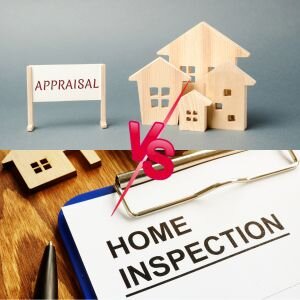
A home appraisal is ordered by your mortgage lender to answer one question: what is this property actually worth on the open market? It’s a lender-required valuation that tells the bank they aren’t loaning more than the collateral is worth. The Dodd-Frank Act, passed after the 2008 financial crisis, requires the appraisal to be kept independent of the lender’s loan production staff. Lenders meet that by using a third-party appraisal management company or by running their own separated appraiser panel, so an AMC is common but not required by law. Neither the buyer nor the seller gets to hand-pick who walks through the door.
A home inspection is something else entirely. It’s a buyer-protection step where the inspector documents the condition of major systems and components so the buyer knows what they’re getting. Your inspector is working for you, not the bank. They look closely at the home’s electrical, plumbing, appliances, and structural systems to surface problems the buyer should know about before moving forward.
To illustrate the difference: consider a home where the detached garage has been converted into a storage area. An appraisal might note the structure and move on. But an inspection of that same garage could catch faulty wiring, the kind that lenders flag immediately and that would affect a buyer’s financing. Two separate professionals, two separate findings, both necessary for a clean closing.
So who pays? Both fees are typically paid by the buyer, but they serve different parties. Most lenders require the appraisal fee upfront, before the full loan approval process moves forward, so buyers need to have that cash ready earlier than they often expect. The inspection is usually scheduled after the contract is signed and paid directly to the inspector, sometimes within days of signing.
Here is what gets missed in nearly every guide on this topic: if the deal falls through, the buyer usually has to pay for the appraisal anyway. Budget for both fees the moment your offer is accepted, not at closing.
What Does a Home Appraiser Look For During an Appraisal?
An appraiser typically spends one to two hours walking through a property, then produces a valuation that the bank relies on. You have no input into the number they arrive at.
Appraisers review the square footage of the home and lot, the age and condition of the property, construction materials used, the general state of the local market, and any special features like a finished basement or updated kitchen. They’re building a profile of your property based on everything visible and verifiable.
Comparable sales, what the industry calls “comps,” drive the appraisal. They’ll look at the neighborhood, nearby schools, and how the home compares to others recently sold in the area. Recent sales within a half-mile carry the most weight, particularly those from the past six months.
While an appraiser won’t be as thorough as a home inspector, they will notice very obvious problems: peeling paint, a broken window, a visibly rotting deck. Those things go into the report. But the appraiser won’t flip breakers to test the electrical or run water in every sink. That’s not the job.
Sellers consistently get this wrong: they spend money on cosmetic improvements expecting it to raise the appraisal. A fresh coat of paint and a cleaned-up yard may make a home feel more presentable, but the appraiser is evaluating structural condition, functional systems, and comparable sales data. Cosmetic updates rarely move the number the way sellers hope.
A low appraisal creates a real problem for buyers. If the appraisal comes in below the contract price, your mortgage lender won’t lend more than the appraised amount. You can pay cash to cover the gap, negotiate for a lower sale price, or decide not to move forward. The third option is why your contract’s appraisal contingency exists.
What Does a Home Inspector Look For in a House?
The home inspection is where the really expensive surprises tend to surface. The appraiser glances at the roof. The inspector climbs up there.

A licensed home inspector goes system by system through the property. Inspections are thorough and intended to identify safety issues, maintenance needs, and other problems that affect livability or value. They’ll test appliances, HVAC systems, electrical systems, plumbing, and more, generating a report you can use directly in negotiations with the seller.
That report can run from 20 to 60 pages. Every defect, every age-related concern, every deferred maintenance item gets logged. Buyers sometimes panic at the length, but a detailed report on a well-maintained home is completely normal. Length alone tells you nothing about severity.
If an inspection reveals serious problems, such as a leaky roof, asbestos, or mold, the buyer can walk away from the deal or lower their offer. That’s due diligence at work. Inspection time is where you get real leverage in negotiations, or real confirmation that a property is solid.
Most inspectors factor in square footage when pricing the job. A larger or older home costs more to inspect than a compact newer build, so a sprawling 1970s ranch will run noticeably higher than a modern townhouse.
One pattern that shows up consistently: buyers who skip the inspection to save a few hundred dollars sometimes discover after closing that a repair would have cost them far more. The inspection fee is rarely the right place to cut corners. The American Society of Home Inspectors maintains a directory of certified professionals if you want someone credentialed rather than just a referral.
Extra Home Inspection Services and Costs Buyers Should Know
A standard home inspection does not cover everything, and that gap trips up buyers constantly. Here is what a general inspection typically leaves out and what each add-on costs:
| Add-on Inspection | Typical Cost | What It Covers |
|---|---|---|
| Roof inspection | $150 to $300 | Shingles, flashing, gutters, and visible structural issues |
| Electrical inspection | $110 to $175 | Panel, wiring, outlets, grounding, code compliance |
| Mold inspection | $300 to $500+ | Air quality testing, hidden colony identification |
| Termite and pest inspection | $50 to $280 | Active infestations, damage, and entry points |
| Sewer scope inspection | $100 to $250 | Root intrusions, cracked or collapsed sewer lines |
| Septic inspection | $150 to $450 | Tank condition, drain field, and pumping needs |
The general inspection covers the visible and accessible systems inside the home. What it doesn’t touch: the septic system, well water, pool, radon levels, mold behind walls, asbestos, or sewer lines. Each of those requires a separate specialist, and each one costs extra.
Mold testing surprises buyers the most. Standard inspectors might note visible mold but typically won’t test air quality or identify hidden colonies. A dedicated mold inspection can run several hundred dollars or more, depending on the home’s size. If you’re buying an older home or one that sat vacant, budget for it.
Termite and pest inspections are in their own category. Termite inspections run $50 to $280, modest on their own, but termite damage repairs can run from $1,000 to $10,000 or more. That math makes the inspection fee feel like cheap insurance.
Sewer scope inspections are the add-on most commonly skipped and most worth including. Running a camera through the main sewer line costs roughly $100 to $250 and can reveal root intrusions, cracked pipes, or collapses that no surface inspection would catch. On homes built before 1970, it’s worth the cost every time.
Every one of these add-ons lands on the buyer. Sellers aren’t on the hook unless something gets negotiated into the contract after the inspection report comes back. If you’d rather skip the inspection negotiation entirely, we buy houses for cash and can make you a direct offer with no repair requests or back-and-forth.
How Much Does a Home Appraisal and Inspection Cost?
Many sellers are caught off guard when the buyer’s lender quotes an appraisal fee before the loan can move forward, assuming it was already part of closing costs. It isn’t always, and the timing matters as much as the amount.
Home inspections typically cost around $344, with most buyers paying between $296 and $424, according to HomeAdvisor cost data. The average single-family home appraisal runs $359, with most homeowners paying $314 to $425, per Angi 2026 cost data.
Geography moves these numbers more than most buyers expect. Markets in lower cost-of-living regions tend toward the lower end, while higher cost-of-living areas run noticeably more. Urban markets pull both fees upward across the board.
VA appraisals typically cost between $400 and $1,200, depending on the region and home size. Government-backed loans have stricter requirements and more detailed reporting standards, so the appraiser spends more time on the job.
For a duplex, small apartment building, or investment property, budget more. Multifamily appraisals can run significantly higher than single-family.
Between both fees, a buyer in most U.S. markets is looking at roughly $600 to $900 out of pocket before ever reaching the closing table. That’s real money that needs to be liquid, not sitting in savings earmarked for your down payment. If the traditional buying process feels like too much to manage, cash home buyers can offer a faster, simpler path without the upfront fee pressure.
Are Home Appraisal and Inspection Fees Part of Closing Costs?
These costs don’t always appear on the same invoice, which compounds the confusion. Here is a quick breakdown of how each fee is typically handled:
- Appraisal fee: ordered by the lender and paid by the buyer upfront, weeks before closing day, usually non-refundable once the appraiser has completed the work
- Inspection fee: paid directly to the inspector on the day of the walkthrough, before the report is handed over, and generally not bundled into closing costs
- Add-on inspection fees: paid separately to each specialist at the time of service, entirely the buyer’s responsibility unless negotiated otherwise
In a real estate transaction, the lender orders the appraisal and the homebuyer pays for it. It falls under the closing cost umbrella, but most lenders collect it upfront, weeks before closing day. Buyers need to be prepared for that expense early, unlike other closing costs settled at the end.
The inspection is different. Home inspections generally aren’t bundled into closing costs, and you’ll need to budget for it separately. Most inspectors want payment the same day they complete the walkthrough, before handing over the report.
If the appraisal fee comes into negotiation, the buyer can request that the seller pay it. This is rare in competitive markets but happens regularly when sellers are motivated or when the market has cooled.
Financing contingencies typically allow buyers to cancel the deal and recover their earnest money deposit if they can’t obtain a mortgage, but the appraisal fee is usually non-refundable once the appraiser has completed the appraisal.
The Consumer Financial Protection Bureau has a clear breakdown of closing costs and how each fee fits into the broader mortgage process, worth bookmarking before you sign anything. If you have questions about how this works in a direct sale scenario, Ready Door Homes works with homeowners every day to find solutions that skip much of this complexity, including sellers who want cash home buyers in Bartlett, TN.
Frequently Asked Questions
Who pays for a home inspection and appraisal?
In most cases, the buyer pays for both. That said, buyers aren’t always stuck with the bill. If the seller is motivated to close, you can ask them to contribute or cover one or both fees as part of the agreement.
What will fail a home appraisal?
An appraisal doesn’t technically “pass” or “fail” like an inspection, but it can come in below the contract price, which creates a financing problem. Visible safety hazards, severe structural damage, and major deferred maintenance all pull a value down. Government-backed loans like FHA and VA have stricter property condition requirements that can also hold up a sale.
How much is an appraisal for a 2,000-square-foot house?
For a typical 2,000 square foot single-family home, you’re likely looking at $314 to $425 in most U.S. markets, against a $359 national average, based on current Angi data. Your actual cost depends on your local market and your loan type. Rural locations or areas with few comparable sales tend to push fees higher, since the appraiser has to do more research to support the value.
Why are buyers waiving appraisals?
Financed buyers usually can’t waive the appraisal itself, since the lender orders it, though Fannie Mae’s value acceptance and Freddie Mac’s equivalent do let some one-unit purchases close without one. What buyers more often waive is the appraisal contingency, meaning they agree to cover any gap between the contract price and the appraised value out of pocket. In competitive markets, buyers waive the contingency to make their offer stronger. This is risky if appraisals tend to come in below contract in your area; only do it if you have strong cash reserves and solid comparable-sales support. Cash buyers can skip the appraisal entirely since no lender is involved.
The appraisal and inspection process protects buyers, but for sellers it can mean fees, negotiations, and unexpected delays. If you want certainty over complexity, Ready Door Homes buys properties directly with no contingencies and no repair requests. The same goes for anyone who needs to sell a house fast in Southaven, MS. Get your cash offer today or contact us with any questions.
Helpful Tennessee Blog Articles
- How To Sell A Condemned House In Tennessee Fast And Legally
- What Taxes Do I Have to Pay When I Sell My House in Tennessee
- How Long Can A Seller Stay In The House After Closing
- Who Pays For Home Appraisals And Inspections When Buying A House
- Can You Sell a House As-Is Without Inspection in Tennessee
- What Every Homeowner Should Know About Deeds And Titles
- How To Sell Your Rental Property Without Paying Taxes
- How Much Do Realtors Charge To Sell A House In Tennessee
- How Long Does It Take to Sell a House in Tennessee
- How to Short Sell My House in Tennessee