
![What You Should Know About Selling a House With Termites In [market_city]](https://image-cdn.carrot.com/uploads/sites/83323/2026/06/What-You-Should-Know-About-Selling-a-House-With-Termites.jpg)
In Tennessee, subterranean termites are not just a small annoyance. They are the most devastating wood-boring bug in North America, and the southeastern United States, including every county from Shelby to Sullivan, is right in the middle of their favorite climate zone. If you live in an older house in Midtown Memphis, East Nashville or anyplace along the Cumberland River region, chances are termites have paid a visit, whether you knew it or not. You can sell a house with termites in Tennessee, and what you do with that information before you list is the difference between a clean sale and a sale that breaks apart at the inspection table.
Here Are Your Real Options as a Tennessee Seller
A termite problem does not lock you out of the market. Full stop. Sellers all over Tennessee move properties with termite history every single year. Your real question isn’t whether you can sell; it’s how you want to structure the sale and what trade-off you’re willing to make between time, money, and effort. Those three things are always in tension.
After two listings with a real estate agent had expired without a single offer, the Kim family came to me back in March. Their 1960s ranch-style home in Smyrna, just off the Sam Ridley Parkway, had a history of subterranean termite activity, and every buyer who got to the pest inspection walked. The real trouble wasn’t the termites themselves; it was that the property was priced like a clean house when buyers were pricing it like a problem (a gap I’ve watched kill sales more than once). We bought it as-is within two weeks of that conversation, and the family finally got to close and move on.
It’s a pattern I keep seeing. Sellers with termite history often fight the wrong battle, trying to hide the issue or price over it, rather than choosing the right exit ramp from the start.
Add an unresolved termite issue to a listing that is already moving slowly, and a conventional sale can stretch well past three months, which means you’re carrying mortgage payments, taxes, and insurance the whole time. Knowing your options before you list saves you that pain.
Can You Sell a House with Termite Damage in Tennessee?
Your real answer is: yes, you can sell, and your path depends on the severity of the damage and the type of buyer you’re targeting. Minor termite history with a transferable warranty and a clean current inspection? Retail buyers can absolutely stomach that if you price and market it correctly. Active infestation or wood rot in the structural framing, subfloor joists, or load-bearing walls? You’re mostly looking at investor home buyers in Memphis, TN, and flippers at that point.
Retail buyers using conventional mortgages hit the biggest wall. Lenders won’t fund a loan on a property with active termite activity or severe structural damage caused by an infestation. Your mortgage underwriter will flag it, the sale will fall apart at the appraisal stage, and you’ll be back to square one. FHA and VA loans are even stricter; a VA loan, for example, requires a wood-destroying insect inspection before closing. If your property doesn’t pass, the sale is dead until treatment is complete.
Cash buyers, real estate investors, and direct-purchase companies operate without those lending restrictions. They buy the property in its current condition, account for treatment and repair costs in their offer, and move quickly. Speed has real value when you’re carrying property taxes, insurance, and a mortgage on a house you’re trying to exit. Ready Door Homes buys homes like yours all across Tennessee. If you’ve got termite history and don’t want to sink money into repairs before selling, a direct buyer is worth a serious conversation.
Do You Have to Disclose Termite History When Selling a House in Tennessee?
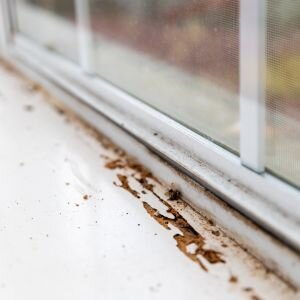
A seller decided not to mention previous termite treatment on their disclosure form, figuring it was old history and the pest control company had cleared it years ago. Three months after closing, the buyer found damaged floor joists and called an attorney, turning one omission into a lawsuit over repairs that cost far more than disclosure ever would have.
That outcome is avoidable. Tennessee’s disclosure law is clear, and termites fall squarely inside it.
The Tennessee Residential Property Disclosure Act (Tenn. Code Ann. 66-5-201, et seq.) requires the seller of a home to provide the buyer with a Property Disclosure Statement. Active infestations, prior damage, prior treatments; all of it qualifies as a material defect if you know about it.
Here’s the part sellers often misread: you only have to disclose what you know. No requirement exists for sellers to have a home inspection, hire experts, or conduct an independent investigation to discover everything that might be wrong with their home. So if you genuinely have no knowledge of termite activity, you’re not obligated to go hunting for it. But once you know, that knowledge follows you through the transaction.
Skipping disclosure to protect your sale price almost always backfires. A buyer who discovers undisclosed major defects can sue for repair costs, and if you knowingly provided false information or omitted material facts, you may face civil fraud liability. Legal fees alone, let alone the damages, wipe out whatever you thought you were protecting, and I’ve watched that play out more than once.
What Tennessee Law Says About Termite Disclosure Requirements
A seller who hopes to skip paperwork by handing over a simple disclaimer statement may be surprised to learn how narrow that option actually is. Tennessee law allows sellers to provide either a residential property disclosure statement covering all known material defects or a residential property disclaimer statement declaring that the seller makes no representations about the property’s condition and that the buyer is receiving it “as is.” That disclaimer option sounds appealing, but it may only be used when the purchaser has waived the required disclosure. Buyers often won’t waive it, and most conventional mortgage transactions require the full disclosure form anyway, so the disclaimer route closes off faster than sellers expect.
The Tennessee Code also governs termite service contracts directly. Any agreement for a termite warranty without initial treatment must clearly state on the front of the agreement if a damage repair guarantee is not offered, and a violation of this requirement constitutes a violation of the Tennessee Consumer Protection Act. Understand exactly what your current contract covers before you hand it off to a buyer, because I’ve seen closings stall over coverage gaps that a five-minute document review would have caught.
Failure to disclose under the Residential Property Disclosure Act (Tenn. Code Ann. § 66-5-201 to 210) can result in the cancellation of a contract and be the basis for legal action.
How Termite History Affects Your Home’s Value and Buyer Confidence
A seller in Murfreesboro had a home treated for subterranean termites two years before listing. She had the warranty, the treatment records, and a clean current inspection. Her neighbor’s comparable house sold in 48 days. Hers sat for four months because her agent never figured out how to present the termite history proactively, which meant every buyer who asked about it heard the story for the first time mid-negotiation.
Information gaps are what scare buyers, not termite history itself. When buyers don’t have the full picture, they fill in the blanks with worst-case scenarios.
Structurally significant damage is a different story. Termites that have compromised floorboards, floor joists, wall framing, or the soil-contact wood in crawl spaces will show up in any competent home inspection, and buyers will either walk or request a price reduction that reflects the full cost of remediation.
The valuation impact varies by severity. Minor cosmetic damage with a documented treatment history might trim two to three percent off your sale price in negotiations. Structural damage to the subfloor or load-bearing members can push a buyer’s repair credit request north of $10,000, sometimes well beyond that. I’ve seen buyers in East Nashville and Brentwood request full re-treatment plus contractor repairs before they’d commit to a closing date.
Buyer confidence tracks directly with transparency and documentation. A seller who has receipts, inspection reports, and a current warranty in hand walks into every negotiation from a stronger position than one who says “I think it was treated sometime in the last decade” (and I’ve heard that exact phrase).
What Termite Warranties and Inspection Reports Do for Your Sale
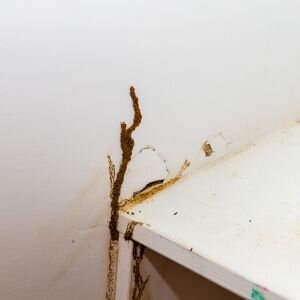
A transferable termite warranty is a concrete asset in Tennessee real estate. It tells the buyer they’re inheriting an ongoing relationship with a licensed pest control company, annual monitoring, and often repair coverage if new damage appears. That peace of mind has real market value, especially for buyers using conventional mortgages whose lenders scrutinize any pest-related findings in the home inspection report (and they do scrutinize them).
Before a Tennessee pest control operator issues a warranty without initial treatment, they must conduct a proper inspection and document any visible damage with diagrams and written descriptions. A documentation trail like that is exactly what you want to hand to a buyer’s inspector. The more paper you have, the shorter the negotiation.
Sellers who don’t have a warranty yet should get a new pest inspection before listing, not after an offer arrives. Buyers who encounter a termite finding at the inspection stage panic, regardless of severity. Sellers who walk in with a current inspection report and a quote for treatment are managing that anxiety before it becomes a negotiation problem, and in my experience, that one step keeps deals from unraveling at the worst possible moment. The cost of a termite inspection in Tennessee typically runs $75 to $150, which is trivial compared to the cost it prevents.
One thing I always tell sellers: ask your pest control company specifically whether your warranty includes a damage repair guarantee. Many don’t. A monitoring-only warranty has far less value to a buyer than one that commits to covering repair costs if the colony returns. Know what you have before you advertise it.
What Repairs and Treatments Make Your Tennessee Home Easier to Sell
Treating an active infestation before listing is non-negotiable if you’re targeting retail buyers.
A liquid termiticide treatment applied to the soil around the foundation runs roughly $500 to $2,500, depending on the size of the structure and the severity of the activity. Bait station systems cost more upfront but come with longer-term monitoring, making them worth considering if the infestation has been active for a while. Either way, you need a licensed pest control operator to apply treatment and issue documentation you can show to buyers.
Structural repairs carry their own math entirely. Replacing damaged flooring, sistering compromised joists, or repairing termite-eaten sill plates costs real money, running $1,500 to $8,000 for moderate damage and more for anything involving load-bearing wood. Before committing to repairs, get at least two contractor estimates. Sellers routinely overspend on remediation that they could have addressed through a price adjustment or seller credit instead.
A property with cosmetic termite damage, treated and documented, doesn’t need to be a gut renovation before it hits the market. Clean up what affects safety or structural integrity. Leave cosmetic issues priced into the listing. Spending $6,000 on repairs to avoid a $4,000 price reduction is bad math. I’ve made that observation to more sellers than I can count, and most of them nod like they wish someone had said it three months earlier.
How to Price and Market a Tennessee Home with Termite History
Price it wrong, and you’ll carry the property for months while the market decides you’re overconfident. Sellers who don’t adjust for documented termite history face the most predictable outcome.
Pricing for termite history means building the buyer’s expected remediation costs into your ask from day one. A house worth $320,000 in perfect condition, with $8,000 in needed termite treatment and minor structural repairs, should probably list at $308,000 to $312,000, not $320,000 minus zero. Buyers who run their own numbers will land there anyway, so you’re really just deciding whether to get there gracefully or after two rounds of negotiation.
Marketing a property with a termite history through a traditional real estate agent has specific challenges. Buyers using mortgage financing will have the lender’s appraiser flag any visible damage, and most loan products won’t fund until repairs are complete. This gives you a choice: complete repairs before listing, offer a treatment credit at closing, or sell to a cash home buyer in Tennessee like Ready Door Homes, who doesn’t need lender approval. Each path is valid. The wrong one is avoiding the question until it surfaces at the inspection and blows up your deal at the worst possible time.
For sellers in Memphis neighborhoods like Midtown or Berclair, East Knoxville, or older sections of Chattanooga near the Northshore, termite history is common enough that experienced local investors factor it in routinely. That is just as true out in the suburbs, where we buy houses in Bartlett, TN and work as cash home buyers in Collierville, TN, and termite history has never stopped us from writing an offer. Ready Door Homes buys properties across Tennessee and doesn’t require sellers to complete repairs or treatments before making an offer. That route cuts through all the lender complications and lets you close on your timeline (no reinspection delays either).
Termite Treatment Costs Versus Seller Concessions: Which Saves You More?

Seller concessions tend to be the cheaper option, but most articles skip the math on why.
Here’s the arithmetic. A treatment credit offered at closing costs you whatever you negotiate, typically the actual treatment bid. The same outcome achieved by pre-treating before listing costs the same dollar amount, plus your carrying costs for the extra weeks spent completing the treatment and re-inspecting. If your monthly carrying costs run $2,000 a month and treatment adds six weeks to your timeline, that’s $3,000 in holding costs on top of the treatment itself.
Repair credits work similarly. A buyer who wants $5,000 in termite-related repairs credited at closing is, in most cases, a better deal for you than spending $6,500 on a contractor to fix the same items before listing. The math almost always favors the concession unless the repair is something lenders require before funding the loan.
Investors making cash offers strip out all of that complexity. There’s no lender asking for re-treatment documentation, no appraiser flagging damaged floorboards, and no weeks-long wait to find out if the deal survives the inspection contingency. The trade-off is that investor offers reflect the work the buyer will have to put in. Whether that’s worth it depends on your timeline and how much carrying cost you’re willing to absorb.
Linh Vargas inherited a property in Dickson when three siblings wanted a fast, clean exit. The garage held thirty years of accumulated belongings, the crawl space had documented subterranean termite damage from a prior owner, and two of the siblings lived out of state. Getting the house cleaned out, treated, and listed on the traditional market would have taken months. Linh connected with a direct buyer, got an as-is offer that accounted for the termite repairs and the cleanout, and closed in under three weeks (inherited properties almost never move that fast otherwise). Every sibling got their share without a single repair bill.
It’s not always about the highest offer. It’s about the right one. Ready Door Homes is a good place to start.
Frequently Asked Questions
How Hard Is It to Sell a House with Termite Damage?
The difficulty really depends on the severity of the damage and the type of buyer you’re targeting. With minor, documented history and a current inspection, a retail listing can work just fine if you price and present it correctly. With active termites or structural damage, conventional mortgage buyers become nearly impossible to close because lenders won’t fund the loan until repairs are complete. Cash buyers and direct purchase companies remove that barrier entirely, so selling as-is to a local investor is often the fastest and most predictable path.
Do Real Estate Agents Have to Disclose Termites?
Yes. Tennessee’s Real Estate Broker License Act requires agents to disclose any “adverse facts” they have actual knowledge of, and termite damage squarely fits that definition. An agent who knows about an infestation or prior damage and stays quiet is violating the law regardless of what the seller put on the disclosure form. Agents can’t be sued directly under the Residential Property Disclosure Act itself, but they carry independent disclosure duties under the broker licensing statute.
Are Termites a Deal Breaker When Buying a House?
For some buyers, they are, but not universally. A buyer paying cash or purchasing as an investment property will typically factor treatment and repair costs into the offer and move forward. The real deal-killers are buyers using conventional mortgages or government-backed loans, where the lender won’t fund until the property is treated and structurally sound. Proper documentation, a transferable warranty, and transparent pricing go a long way toward keeping retail buyers at the table.
How Many Termites Are Considered an Infestation?
There’s no magic number that officially triggers the word “infestation.” Pest inspectors look for evidence of activity, including mud tubes along the foundation, damaged or hollow-sounding wood, shed wings near windows, and frass, rather than counting individual insects. If a licensed inspector finds evidence of current activity, that’s treated as an active infestation for both disclosure and loan purposes, regardless of how many termites are physically visible.
Talk Through Your Tennessee Termite Situation
If you’ve got a Tennessee property with termite history and you’re trying to figure out your next step, reach out. No pressure, no obligation. We’re happy to walk through your options with you, whether that’s helping you prep for a traditional listing or making you a direct cash offer on the house exactly as it sits today. You can reach out to Ready Door Homes anytime to start that conversation.
Helpful Tennessee Blog Articles
- Can You Sell a House with a Lien in Tennessee?
- Paperwork for Selling A House By Owner in Tennessee
- Selling a House with Delinquent Property Taxes in Tennessee
- Can You Sell a House with Tenants in Tennessee
- Sell Your Water-Damaged House In Tennessee
- Sell Your House With A Reverse Mortgage In Tennessee
- Selling Your Tennessee Home With Mold Issues
- Sell Fire-damaged House in Tennessee
- Does a Seller Pay Closing Costs in Tennessee
- Can You Sell A House That Failed Inspection In Tennessee
- How To Sell A House With Foundation Issues In Tennessee
- How to File a Quitclaim Deed in Tennessee
- Selling A House That Needs Repairs In Tennessee
- Can the Seller Back Out of A Contract in Tennessee
- Can You Sell a House With Termites in Tennessee