
Author: Jonathan Wiener

  • How To Sell Your House With A Reverse Mortgage In Tennessee: Complete Guide For Homeowners

    How To Sell Your House With A Reverse Mortgage In Tennessee: Complete Guide For Homeowners

    It is possible to sell a house with a reverse mortgage in Tennessee. However, the process differs from a regular home sale in several specific ways. Relocating, downsizing, or moving on can present challenges. Being informed about the reverse mortgage payoff, lenders’ requirements for selling, and various options for selling is necessary before making a decision. This guide provides helpful tips to calculate the equity involved, negotiate with lenders, and, most importantly, sell the property with the utmost clarity and without concern. For homeowners who prefer a faster and simpler route, Ready Door Homes offers fair cash offers and handles the entire process from start to finish. This is the comprehensive guide to selling a home with a reverse mortgage in the state of Tennessee.

    Understanding Reverse Mortgages When Selling Your Tennessee Home

    Selling a Home with a Reverse Mortgage Tennessee

    A reverse mortgage system is quite simple. You live in your home and maintain ownership with a loan. However, the lender pays you based on your home equity, and you retain ownership while the loan balance grows over time. Payments are first due when you sell the home or move out. This makes reverse mortgages a specific line of loans. This line of loans in Tennessee is primarily Home Equity Conversion Mortgages. Tennessee has an average home value of $394,400, and, under most HECM loans, most Tennessee homeowners qualify for HECM loans through FHA.

    A reverse mortgage converts your home equity into accessible funds, and is paid in full when the home is sold. HECM loans provide insurance to make the home value, as a loan line, to cap the loan. This means that should the line of equity sell under a value, any loss incurred will be absorbed by the insurance. This is the most basic system of the mortgage, and should you gain equity, sell, and walk through the steps of the process, FHA insurance covers any shortfall between the loan balance and sale price, and any remaining equity goes to you.

    Legal Requirements for Selling Homes with Reverse Mortgages in Tennessee

    Federal rules oversee Tennessee reverse mortgage sales since the FHA insures most of them due to being HECMs. The most beneficial laws that help sellers are the laws concerning deficiency judgments. You are not personally liable to pay any deficiency. For instance, if the value of your home is less than your loan, you do not have to pay the deficiency. HECMs are FHA-insured, covering the deficiency, and the lender can only lose the money by selling your home. The legacy laws also protect your heirs. The values of the home and the sale do not get collected from your estate.

    You must first notify your reverse mortgage servicer of your home sale. After doing this, the servicer must provide a payoff. Since HECMs are loans and interest varies by day, you must monitor the closing date. You must also monitor the sale to maintain property insurance, pay property taxes, and the reverse mortgage. Failing to do this can cause the mortgage to go into default and can cause you problems. You must monitor these activities to legally sell your home and maintain the same throughout.

    How Reverse Mortgage Payoff Affects Your Tennessee Home Sale

    Upon closing, your title company uses an allotted portion of your proceeds to pay off the reverse mortgage, and any leftover funds are released to you. Before closing, your servicer will send you a payoff quote that will be valid for 30 days and include the loan balance, any fees, and interest. If your closing date goes beyond the 30 days, a new payoff statement will be required as the interest will continue to accrue daily until the loan is completely paid off. In the event the sale proceeds do not cover the loan balance, you will not be responsible for the deficit, as it is covered by the FHA insurance. Many sellers with homes in Tennessee find that the proceeds from the home sale are greater than what they were expecting, as the real estate market is very strong and has reliable upward trends.

    Preparing Your Tennessee Home for Sale with an Outstanding Reverse Mortgage

    There’s only one major difference in preparing your home for a reverse mortgage. Once selling and moving are decided, the mortgage must be repaid, and reverse mortgage lines cannot be accessed. Updates to the house should be focused on low-cost, high-impact changes, like fresh paint, cleanliness, and quick, but effective, repairs. First impressions are important and make a difference. Tennessee is humid, so make changes to repairs that resolve moisture issues in basements and crawl spaces. Many buyers are uneasy with these. If the updates your house needs are beyond the scope of your efforts, or you want to sell and be done, selling to a cash buyer as-is is a good choice. It fully eliminates the preparation you have to do to sell your house, and keeps you on the timeline you want.

    Documentation Required for Tennessee Reverse Mortgage Home Sales

    Before you put your house up for sale, you will want to prepare some documents. Collect your current reverse mortgage statement, homeowner’s insurance policy, property tax records, and recent utility bills. Include HOA documents and home warranties as well. You will want to prove occupancy, especially if your reverse mortgage provider believes you are selling due to a default. They will want proof of regular property maintenance and payment. The title company will also need to know your loan servicer contact and payoff instructions. Provide this early to prevent delays.

    Tennessee Reverse Mortgage Sale Process: Step-by-step Guide

    How to Sell a House with a Reverse Mortgage Tennessee

    Selling a home with a reverse mortgage follows a clear sequence of steps. Here is what to expect from start to finish.

    • Contact Your Servicer: You have to inform the reverse mortgage company that you have filed a desire to sell. They will let you know what their requirement is and what the timeline looks like.
    • Get a Market Analysis: Work with a local real estate agent to conduct a comparative market analysis and determine your home’s current value. Your agent will do a comparative market analysis on the home and see how much you can sell the home for and how that value compares to your reverse mortgage.
    • List Your Home: You should have no trouble listing your home. The home should be marketed competitively according to how the market is behaving, just like a regular sale.
    • Review Offers: Carefully evaluate all offers received. You should consider multiple aspects of the offer. You should consider the price, but you should also think about the closing timeline and the buyers.
    • Order a Payoff Statement: Once you get the home under contract, you should reach out to your servicer. The payoff statement is the mortgage company’s payoff quote that states how much you owe.
    • Coordinate Closing: Once you have the payoff statement, you can begin closing. Coordinate with your title company to ensure the servicer has everything needed to prepare closing documents.
    • Close and Move: Once selling is said and done, your reverse mortgage is the first thing paid off, and you should move. From that point on, the remaining proceeds of the sale belong solely to you.

    Following these steps in order keeps the process organized, reduces delays, and ensures a smooth closing from start to finish.

    Negotiating with Lenders During Tennessee Reverse Mortgage Property Sales

    Since voluntary sales are preferred, HECM lenders favor them over foreclosures that are associated with monetary and time costs. If, upon a voluntary sale of your home, the sale proceeds will not completely pay your home equity conversion mortgage loan balance, there is no need for alarm, thanks to the secondary mortgage insurance loss that is required by the Federal Housing Administration. Once the sale proceeds are exhausted, the servicer has no recourse against your estate for any unpaid balance. Additionally, to avoid the time and costs of a full market sale, some servicers will allow a short payoff where the loan is considered paid in full by accepting 95% of the home’s most recent value. Knowing the options and protections prior to negotiations is empowering.

    Timeline Expectations for Selling Reverse Mortgage Homes in Tennessee

    Outline a timeline from 60 to 90 days from listing to closing when selling a home with a reverse mortgage in the state of Tennessee. Tennessee’s median days on market is 73 days as of November 2025. This means it generally takes, on average, about 60 days to get a home under contract. Various factors affect this timeline, including market and selling conditions, the price of the home, the condition of the home, and the type of buyer. Depending on the buyer, closing may take as little as 14 days. This is ideal to reduce the time a reverse mortgage is accruing interest on a mortgage. Financed buyers take an average of 30 to 45 days to close, and the reverse mortgage balance continues to grow. In this case, it is better to consider a cash offer that is marginally lower but provides the benefit of a shorter timeline.

    Closing Process Specifics for Tennessee Reverse Mortgage Home Sales

    In most counties in Tennessee, a real estate closing takes place through an attorney, though title companies handle closings elsewhere. Therefore, the first step is making sure your closing agent works in real estate and has experience with reverse mortgage payoffs. Your buyer’s funds will go into escrow, the title company will order a final payoff statement, the reverse mortgage will be paid first, and the leftover proceeds will be paid to you. Although most signage is handled by the title company, you still need to bring a picture ID and any other documents you are required to bring. If you are moving out of the state, title companies offer remote closings and/or mailaway packages to make the process easier.

    Common Challenges When Selling Reverse Mortgage Properties in Tennessee

    Reverse mortgage properties have their difficulties when you are trying to sell, especially in Tennessee, but there are a few remedies to it. Below are a few things to pay attention to, as well as remedies to the difficulty.

    • Timing Coordination : Unlike your sale price, which is set after your contract is signed, your loan balance increases on a daily basis. Delays may mean the final closing balance owed is more than what was signed on the contract as the sale price. To remedy this, add some cushion time into the closing contract and stay in contact with the other entities to keep the process going.
    • Buyer Education : Many buyers, and their representatives, may not know much of anything when it comes to a reverse mortgage, which may mean there is some added worry, as well as additional complications. Work with an experienced agent who can clearly explain the reverse mortgage process to buyer representatives, and assure the buyers that there is not much of a complication to the deal.
    • Appraisal Issues : If your lender’s appraisal of the house comes in lower than what you signed on the contract, it will affect what you are going to have as your proceeds. To mitigate this, price your home conservatively based on recent comparable sales to reduce the risk of appraisal gaps, as well as any recent sales in the nearby vicinity.
    • Servicer Delays : There are times when a reverse mortgage servicer may be slow in the issuance of a payoff statement or closing instructions to sell. To alleviate this difficulty, stay in contact with the servicer, and have your attorney or agent follow up directly with the servicer if responses stall.

    As a result of knowing about these issues, you will be in a much better position to implement your remedies quickly and keep your sale on track. Companies that buy homes in Cordova and nearby cities can also help move the process along.

    Alternative Options to Selling Your Tennessee Reverse Mortgage Home

    Selling Your House with a Reverse Mortgage Tennessee

    When working with a reverse mortgage, it’s a common misconception that selling is the only option. Restructuring your reverse mortgage can let you stay in your home longer. Refinancing to a reverse mortgage with more favorable terms or a larger limit can also be beneficial. If you have the means to pay off the mortgage, selling is also not your only option. You can also preserve your home for future generations. If your loan balance exceeds your home’s value, a deed in lieu arrangement allows you to transfer the property directly to the lender , which fully discharges the debt without impacting your finances.

    Sometimes, selling is the right option. Offering the home to a cash buyer is a good step in that direction. Cash buyers can close in a few weeks, in place of the overwhelming multi-month process of a standard listing. Cash buyers can close in as little as two to three weeks, bypassing the lengthy traditional listing process. Alternative options can be overwhelming without guidance. Cash home buyers in Tennessee and surrounding cities are one option to explore. In order to remain within your financial options and goals, coordinate with your reverse mortgage consultant or an attorney for your best step going forward.

    FAQS

    What Happens If You Have a Reverse Mortgage and Want to Sell Your House?

    It is completely possible to sell a home that has a reverse mortgage. Notify the lender, obtain a payoff statement, and schedule the completion for the reverse mortgage balance to be paid at the closure. The equity, which is left after paying the loan, will belong to you. The typical time is 60-90 days, from the home being listed to closure.

    Do You Have to Pay Capital Gains on a Reverse Mortgage?

    The reverse mortgage proceeds are not taxable because they are advances on a loan, not income. However, if your home value has increased, you may have to pay capital gains tax on the profit. Though you can exclude $250,000 of the gain ($500,000 if married) if you have lived in your home for two of the last five years.

    What Is the Biggest Problem with a Reverse Mortgage?

    The loan balance increases as time passes because of accumulating interest and fees. This leaves less equity for you and your heirs. You’re also responsible for maintaining the property as well as paying taxes and insurance. If not, the loan must be repaid. Other borrowers find the terms and requirements complicated, and that is also a hardship.

    What Is the 6 Month Rule for Reverse Mortgages?

    Your reverse mortgage is payable when you lose occupancy of the mortgaged property for 12 consecutive months or when you lose occupancy. This can be a big concern regarding loans for the elderly. In this case, the mortgaged home is no longer the primary residence. In such a case, you have 3 options: you can go back to the home, you can sell the home, or you can pay off the loan.

    Selling a home with a reverse mortgage in Tennessee doesn’t have to be stressful. The key is understanding the process, working with experienced professionals, and planning ahead. If you need to sell quickly, want to avoid costly repairs, or simply prefer a hassle-free experience, Ready Door Homes is here to help. We provide fair cash offers, handle all the details, and make the entire process as seamless as possible. Ready to get started or have questions? Contact us at (901) 499-3555 today for a no-obligation offer.

  • How To Sell Your Water-Damaged House Fast In Tennessee: Complete Guide For Homeowners

    How To Sell Your Water-Damaged House Fast In Tennessee: Complete Guide For Homeowners

    There are many options to quickly sell a flooded house in Tennessee. With a water-damaged house from a flood, a broken pipe, or a worn-down roof, the stress from selling the house can be relieved. In many cases, fast selling can be done without having to make expensive repairs. Listing your house as it is, selling to cash buyers through Ready Door Homes, as well as many more, are all available options. This guide is all about how to close the sale, what pricing techniques to use, what buyers to target, and what practical tips there are to take the next step.

    Storm Damage and Flooding: Selling Your Tennessee Home After Natural Disasters

    Tips for Selling a House With Water Damage Tennessee

    Tennessee has a lot of different types of extreme weather. Each season, in different places across the nation, tornadoes, thunderstorms, rain, and ice storms pose a serious threat of natural disasters. In Tennessee, people remember the miserable experience of losing their possessions and the emotional suffering caused by the 2010 Nashville flood, and people in the United States have lost over $627 million in 2025. Once natural disasters happen, insurance policies, contractors, and real estate workers, in the case that the natural disaster has caused extreme damage, become overwhelmed , and each of these workers gets several times more work. They give repair estimates, insurance adjusters give contracts, and builders sell the damage repair orders.

    You can do three main things, usually. Each of these three options has a different cost: filing a damage repair/insurance claim, which is a long, 6 to 12 month process, but gets the most money selling as-is to a cash buyer, which can close in 2 to 3 weeks, and selling the house to one of the cash buyers, which has the lowest cost and time commitment. The longest process of these three is the filing a claim option; it has the most financial upside. The decision depends on how much uncertainty people can handle and, of course, the tradeoff between time and cost.

    Tennessee Flood Zone Properties: Selling Strategies and Market Conditions

    Flood zones dictate selling difficulty and selling price. The incident of FEMA’s flood designation is common to three regions in Tennessee: the Mississippi River flood plain in the West, the Cumberland River flood plain in the center, and the Tennessee River flood plain in the East. In Shelby, Davidson, and Hamilton counties, flood designation becomes a hindrance to property owners. Flood insurance is required for these properties, and the insurance costs, ranging from $500 to $2000, are incorporated in an offer. If the property is also water-damaged, financing from a third-party source is difficult, as lenders frequently require post-damage inspections and insurance.

    For property owners selling a water-damaged flood property, it is important to know the options. The ability to sell to a traditional, flood-designated mortgage buyer is not a possibility, which reduces the potential buyers. Cash buyers are not bound by flood insurance requirements or lender restrictions, and therefore, the property can be sold faster and at a lower price than a traditional buyer. It is necessary to set the price of the property in the traditional and cash buyer range, as potential buyer offers are generally legitimate, ensuring closing. Financial and inspection contingencies will be avoided as cash buyers have fewer restrictions. They can be adjusted according to the owner’s preference, and the owners can set and adjust the price. Good practice is to check the FEMA flood zone and any hazards to the property, as owner liability is compromised, and buyer confidence is maintained.

    Water Damage Repair Costs Vs. As-is Sales in the Tennessee Housing Market

    Some repairs and sales facilitate transfers for more than just cost. Homeowners who are honest focus more on repair estimates, but that is rarely enough. Water damage repair is typically from $3,000 to $7,500 in Tennessee and, with extensive damage, can exceed $10,000, especially with mold. Consider project details such as permits, inspections, breaks in market activity, and temporary living arrangements. $10,000 for repairs can grow to $15,000, $20,000 (with out-of-pocket expenses being the least of your worries). Loss of time, stress, and the uncertainty of managing contractors for repairs (and managing persons doing sub-par work) should also be considered.

    The as-is option bypasses all of these headaches. Naturally, you will receive below what the market can bear, but Tennessee is such that the median sales price is $330,000, with 118,000 sales in the past year. The gap between an as-is sale and a post-repair sale is often smaller than homeowners expect. Cash and investment buyers are increasingly purchasing damaged properties, including homes affected by water or fire, often closing in just two to three weeks. For homeowners looking to sell a fire-damaged house or avoid costly renovations, an as-is sale can be the smarter financial decision once repair costs, holding expenses, stress, and time are fully considered.

    Legal Disclosure Requirements for Water Damage If Selling Tennessee Homes

    Selling Your House With Water Damage Tennessee

    Sellers in Tennessee must disclose all known Material Defects, and damage by water is a prototypical example. The Tennessee Residential Property Condition Disclosure form has a series of questions to cover the area of concern. Sellers must report damage caused by a flood, and to the structure, settling, and drainage problems, the need to get flood insurance, and the need to report things that are not functioning. Most importantly, this form must report problems that have been repaired. For example, previously repaired issues of leaks from the roof and plumbing problems must also be reported on this form. Once the agreement for the sale of property is done, the sellers in Tennessee have to report (disclose) the form in this Tennessee purchase contract within three days. Failing to complete this step is a serious mistake for the sellers. Not reporting (disclosing) this material defect that is known will allow the buyers to cancel the agreement (contract), file a lawsuit after the deal is closed, and if this step is omitted on purpose, the buyers can sue for fraud in Tennessee.

    The good thing about full disclosure is that it is more protective than detrimental. Various water damage cover-up methods utilize paint or drywall as concealing agents. However, inspectors have moisture detectors and thermal imaging. If moisture damage is concealed and detected, the financial and legal consequences are greater than the impact of full disclosure. The best method is to state every piece of information regarding water damage, repaired or not, and provide documentation about the work. You are proving transparency, and it builds trust with the buyer. Once the sale is finalized, repaired water damage will provide the best legal protection.

    Water Damage Documentation and Paperwork for Tennessee Home Sales

    Properly documenting a sale can drastically affect its outcome. Buyers want to understand everything clearly. You should have the claims by insurers, reports by adjusters, estimates by contractors, and various certifications. Other documentation includes invoices, pictures before and after, moisture readings, air quality tests, and permits as well. Water damage restoration companies detail initial damage, including moisture mapping as well as daily logs on the progress, final clearance, and warranty certificates. Buyers are making a choice based on the documents as well. Sellers who have said damage has been repaired with no documentation are typically presented with lower offers and possible cancellations.

    The requirements of selling as-is mean more documentation must be presented. Cash buyers, who offer more than other buyers, and investors must assess the work needed to be completed before an offer is made. Assessments of damage evaluate the offers before closing and streamline the process. Treating your documentation as an asset and not an afterthought during the sale (whether repaired or as-is) creates the most buyer trust, and puts the seller in the best position of the sale to honor their responsibilities to the best of their abilities legally.

    Cash Buyers for Water-damaged Properties in the Tennessee Real Estate Market

    For Tennessee homeowners with water damage, cash buyers may be most beneficial. Cash buyers, unlike traditional ones, do not have market appraisals. They purchase properties in any condition and tend to close in two to three weeks. There are many companies that buy distressed properties in every state, and many real estate investors and home flippers are in the Tennessee market. Companies that buy homes in Memphis and nearby cities are especially active in water-damaged properties. Cash buyers, though, tend to offer below market price after seeing the repaired value of the home, which is worth considering given the speed and certainty of the transaction. While the offer is low, there is still an upside to a cash buyer.

    Tennessee Real Estate Investors Who Purchase Water-damaged Houses

    Real estate investors target properties with water damage in Tennessee, offering a valuable option for homeowners needing quick, no-repair sales. The rapid population growth, affordable real estate, active rentals in big cities, and no state income tax make Tennessee appealing for all types of investors. Types of investors include: Fix-and-flip, who purchase water-damaged properties, make renovations, and then sell for profit; Buy-and-hold, who purchase water-damaged properties and make renovations to use them as rentals; and Wholesale, who simply make a purchase agreement to sell to other investors. All types understand water damage and can complete an all-cash transaction, often closing in a matter of weeks.

    Working with the right investor means finding one who understands your property’s value and can close quickly. Investors can target specific areas of water damage, so that the seller can get a price with practically no negotiation. When a seller is in multiple listing services, the seller competes with all other listings, which can slow the process significantly. Most successful investor transactions come down to finding a reputable, well-resourced buyer

    How to Sell a Water-damaged House Fast in Tennessee Without Major Repairs

    For real estate investors, Tennessee’s market has plenty of damaged homes with water issues. This offers a valuable service to homeowners with little time who want to avoid repairs before selling. Tennessee’s favorable conditions for population growth, housing prices, rental demand, and a lack of a state income tax solidify its market for a variety of real estate investing. Damaged homes are purchased by fix-and-flip investors. Renovation and long-term rental income goals are for buy-and-hold investors. Property wholesalers move unchanged homes to other buyers. All of these methods work differently, but they are all advantageous for sellers. Investors demonstrate a good understanding of water damage and close contracts in a matter of weeks when all financing issues are eliminated.

    Most investing boils down to a well-resourced, reputable informant. A thorough examination of reviews, references, and their history of distressed property purchases is a must as you find the investors you work with. Some investors only work with homes experiencing a particular type of damage. This has the benefit of making home assessments and damage-based offers with little to no potential for negotiation. As they close deals with sellers, both companies and local home-buying flippers, investors in Tennessee are a reliable option for making home selling a far simpler process.

    Alternative Selling Options for Severely Water-damaged Tennessee Real Estate

    Steps to Selling a House With Water Damage Tennessee

    Homes with extreme water damage can’t be sold with traditional methods. Homeowners will need to sell their homes beyond the standard method. There are some auction sales that work for distressed properties. Tennessee has a number of businesses that buy distressed properties. Some auction sales are competitive among purchasing investors, which can yield a high return for distressed properties. There are wholesale contracts that can be sold to purchasing investors with ease. Homeowners can sell their home for a higher margin with owner financing contracts. These contracts require caution with legal terms. Owner financing can provide an immediate exit for properties distressed beyond practical repair. This also opens the door for developers or builders who want to purchase the lot and build new construction.

    Buyouts and demolitions, and rebuilds are lesser-known alternatives that many homeowners overlook. Cash home buyers in Tennessee and surrounding cities offer another option worth considering. Consider an insurance buyout for flooded house claims. This occurs when insurance companies buy out claims instead of paying for extensive flood repairs. Demolitions and rebuilds cover demolition and construction for a new home. In return, they sell the new construction. All options come with risk. Consult a real estate attorney. Look into this if timing and complexity are critical when weighing alternatives.

    FAQS

    How Can I Sell a House with Water Damage Quickly?

    The quickest way to sell is to a cash buyer or an investor. They are able to close a transaction quickly in a matter of weeks without having to do repairs or pay for financing. Sell the property for what you believe to be a fair price according to the damages, then be frank about any issues the property has. Interested buyers will be serious and able to do so quickly.

    What’s the Most Challenging Month to Sell a House in Tennessee?

    In Tennessee, one can expect home sales to be the lowest during the beginning of the year, January and February, due to the weather and holiday season finances. Nevertheless, homes that have sustained damage due to water have ongoing challenges regardless of the season, and cash buyers, for the most part, will be active during those slow sales months.

    Am I Required to Disclose Mold Remediation If Selling My Tennessee House?

    Mold concerns are included in material defects that Tennessee law mandates be disclosed. If you hire someone to do mold remediation, you still must disclose the mold and remediation, and also provide proof. If you do not, you can be legally liable after the sale.

    What Factors Make a House Impossible to Sell?

    Properties that have serious structural problems, serious foundation issues, severe mold or damage, or are situated in flood-prone areas can be difficult to sell using traditional methods. Yet, some cash buyers are willing to buy even extremely damaged properties in order to rehab them or to demolish them.

    Selling a water-damaged house in Tennessee doesn’t have to be overwhelming. Whether you choose to repair and list traditionally or sell as-is to a cash buyer, the key is understanding your options and making informed decisions based on your specific situation. If you need to sell quickly, want to avoid costly repairs, or simply prefer a hassle-free process, Ready Door Homes is here to help. We provide fair cash offers, handle all the details, and make the entire process as seamless as possible. Ready to get started or have questions? Contact us at (901) 499-3555 today for a no-obligation offer.


  • Can You Sell House with Tenants in Tennessee? A Guide to Selling Successfully

    Can You Sell House with Tenants in Tennessee? A Guide to Selling Successfully

    You listed the property in March. Two agents took their turn. Four months of showings, lowball offers from buyers who didn’t want the headache of tenants, then nothing. I worked with a widow in Germantown who lived that exact story early last year. Tidy brick ranch, tenant on a month-to-month lease, garage empty except for two folding lawn chairs. Both listing agents told her to wait for the tenant to leave. She wanted to know whether you can sell a house with tenants in Tennessee without waiting on anybody. You can, and in a slow market that wait runs well past a season anyway. We closed in three weeks, and nobody ever asked the tenant to leave. The right buyer made the whole problem go away.

    Selling a rental property in Tennessee isn’t the legal minefield most people picture. The rules are clear once you know them. What trips sellers up isn’t the law itself. It’s the idea that a tenant has to be gone before the property can change hands.

    Understanding Your Situation as a Tennessee Landlord-seller

    Selling a House With Tenants in Tennessee

    A tenant in place doesn’t kill your sale. Full stop. In Tennessee, a sale doesn’t wipe out a lease. The buyer takes the property subject to that lease, and the tenant keeps the right to stay through the rest of the term. Knowing that up front reshapes what you do about timing, price, and which buyers you chase.

    Investors who buy occupied rentals are a different crowd from families shopping for a place to live. Both groups are active in Tennessee right now. As of July 2026, Tennessee home prices were up 2.3% from a year before. The median sale price was $383,620, and the median house sat 69 days on market statewide. Priced right for an investor, an occupied property can move faster than an empty one on the MLS for two months. I’ve watched it happen in slow markets.

    Sellers who struggle are the ones forcing the issue. They lean on the tenant, skip paperwork, or price the house as though it’s empty when the buyer will inherit a lease. Price it honestly, aim at the right buyer pool, and you get to closing. Pretend the tenant isn’t there, and you get to court. There’s a tax side to plan too, and the moves that let you sell your rental property without paying taxes mostly have to happen before the house goes under contract.

    One name worth knowing early: Ready Door Homes can help buy tenant-occupied property in Tennessee and can often close without asking anyone to move out. If you’re weighing a direct sale against a listing, that’s a plain place to start the conversation.

    Tennessee Laws That Govern Selling a Rental Property with Tenants

    The Tennessee Uniform Residential Landlord and Tenant Act, or URLTA, sits at Tennessee Code § 66-28-101 through § 66-28-521. It’s the rulebook for deposits, entry rights, and how a tenancy ends.

    URLTA doesn’t cover the whole state, only counties with more than 75,000 residents. That list runs Anderson, Blount, Bradley, Davidson, Hamilton, Knox, Madison, Maury, Montgomery, Rutherford, Sevier, Shelby, Sullivan, Sumner, Washington, Williamson, and Wilson. Rentals in smaller counties fall under a separate set of notice statutes with different steps. Your county clerk can point you to the right ones.

    You’ll bump into the entry rules harder during a sale than at any other time. Under § 66-28-403, a tenant can’t unreasonably refuse to let a landlord in to show the unit to would-be buyers. The statute names a hard 24-hour notice rule in exactly one place. That’s an entry in the last 30 days of the tenancy to show the unit to would-be tenants, and only where the lease already grants the right. Buyer showings don’t fall under that clause. Give 24 hours anyway, because ambushed tenants make showings miserable.

    House Bill 1814 took effect January 1, 2025, as Public Chapter 907. A landlord now has to hand tenants written contact information at or before the start of the tenancy. That covers who accepts service of process, who takes notices and demands, and who handles repairs. Renew or amend a lease while you tidy the property up for sale, and you’re under it.

    Can You Sell a House with Tenants in Tennessee?

    Worried the lease will sink your sale? You can sell a house with tenants in Tennessee. It’s legal, it’s ordinary, and for the right buyer, it’s attractive. Handle it badly, and you can still lose the sale at closing.

    Buyers of income property want a rent-paying tenant, not an empty unit they have to re-lease. Investors bought 11.3% of all US homes in 2025, and Memphis led every metro in the country at 23.7%. Those buyers aren’t scared of a lease. They’re hunting for one.

    What scares them off is a landlord who lied about the tenancy. Disclose the lease and the deposit. Any repair complaint the tenant has put in writing goes on the list, too. A buyer who finds a hidden problem after going under contract will either walk or push the price down hard, and they’d be right to.

    Families buying a home to live in almost always need it empty. If that’s your likely buyer pool, you’ll have to settle the tenancy before closing or make it a condition of the sale. Which puts the notice question front and center.

    Ready Door Homes buys occupied rentals across Tennessee. If working showings around someone else’s schedule sounds exhausting, you can contact Ready Door Homes and skip them entirely.

    How Much Notice Does a Tennessee Landlord Have to Give Before Selling?

    Getting notice wrong costs weeks. A bad notice restarts the clock, and if the tenant digs in, you’re filing in court while your buyer waits.

    Tennessee doesn’t require you to tell a tenant you’re listing or selling the property. Ownership can change without their say-so or advance warning, as long as you honor the lease. Ending a tenancy is the part that takes notice. Under § 66-28-512, a landlord or tenant can end a month-to-month tenancy with written notice given at least 30 days before the rental date named in the notice.

    Here’s the nuance that trips people. Those 30 days run to a rent due date, not 30 calendar days from when you hand over the paper. Serve notice April 10 on a tenancy that runs from the first, and it ends May 31, not May 10. Count it out before you serve, because a miscount adds a full month. I’ve watched closings slip over exactly that.

    Showings work differently, and Tennessee sets no blanket notice period for every landlord entry. The 24-hour rule attaches to that last-30-days showing right, and only where your lease says so. Everywhere else, 24 hours is just the standard. Tenants who feel ambushed find reasons to be home with the door locked, and a locked door during a showing loses buyers.

    Can a Tennessee Landlord Sell a Rental Property with a Month-to-month Tenant?

    How to Sell a House With Tenants in Tennessee

    Sit across from me at a kitchen table, and I’ll tell you plainly. Month-to-month is the easiest spot a seller can be in. You’ve got room that a fixed-term lease never gives you.

    Thirty days’ written notice ends it, and you don’t owe the tenant a reason. That’s the whole legal duty. No cause, no court unless they hold over, no lease buyout unless you choose to offer one.

    Practice is messier than statute. Some tenants leave on time. Others don’t. A tenant who stays past a tenancy you ended the right way can be sued for possession, back rent, and reasonable attorney’s fees under § 66-28-512. A willful holdover made in bad faith opens them up to actual damages, too. That backstop is slow and costly to reach. Talk to your tenant early instead.

    Cash-for-keys usually beats all of it. You hand the tenant a few hundred dollars, they hand you the keys on schedule, and everybody moves on. I’ve seen sellers refuse on principle and burn three times that in carrying costs waiting for a court date. Do the math.

    You don’t have to serve notice, wait thirty days, or chase anybody out. We buy houses in Tennessee and the cities around Memphis as is, tenant and all, so send us the address and we’ll take a look.

    What Rights Do Tenants Have When a Tennessee Landlord Sells Without a Written Lease?

    Oral month-to-month agreements are real tenancies in Tennessee. A tenant with no written lease isn’t a squatter and doesn’t lose protection because nothing got signed. The 30-day notice applies just the same.

    What changes is proof. Say the tenant claims the oral lease ran for a fixed term, and you say it was month-to-month. Now you’re arguing in the General Sessions Court with no paper to settle it. That kind of gray area tends to favor the tenant. A missing lease doesn’t erase the tenancy; it just makes your side harder to prove.

    Taking rent creates a tenancy on its own. Tennessee gives a landlord and a tenant rights and duties whenever a written or oral rental agreement exists, or whenever rent payment is accepted. If you’ve been cashing checks every month, thin paperwork won’t excuse you from doing this by the book.

    From the buyer’s side, a handshake tenancy makes underwriting and title work harder. Buyers want a paper trail, so get a short written month-to-month lease signed before you list the property. It cleans up the file and keeps the sale steady when a lender starts asking questions.

    Do Tenants Have the Right to Stay After a Tennessee Rental Home Is Sold?

    I used to think a sale handed the landlord a clean slate. It doesn’t, and learning that early saves real headaches.

    Selling doesn’t end an existing lease. The buyer takes the property subject to whatever’s in place, and the tenant’s right to stay runs through the rest of the term. A new owner who wants that tenant out follows the same notice rules the old landlord would have. Occupancy that outlasts a closing has its own rules, and how long a seller can stay in the house after closing walks through where those lines fall.

    Fixed-term leases are the clearest case. A tenant with eight months left on a 12-month lease keeps all eight, no matter whose name is on the deed, unless they’ve broken the lease in some valid way. Removing a tenant before the rental agreement runs out takes cause. Wanting to sell isn’t the cause.

    Month-to-month tenants can be given notice either way, from you before closing or from the buyer after. The new owner steps into your shoes in full, rights and duties both. A lease that scares off retail buyers doesn’t scare us. We buy Bartlett homes and houses in the nearby Tennessee cities exactly as they sit, tenant, term, and all.

    What Happens to the Security Deposit When a Tennessee Rental Property Is Sold?

    Few closing-table fights are more avoidable. Sellers assume the deposit is theirs to keep. Buyers assume it lands in their account on its own. Both are wrong until the paperwork moves the money.

    How to Sell a Property With Tenants in Tennessee

    Section 66-28-305 sets the test. A landlord who conveys the property in a good-faith sale to a bona fide purchaser is off the hook only for events after two things happen. One, a written notice to the tenant of the conveyance. Two, transfer of the security deposit to the buyer. Pocket the deposit and leave the buyer to sort it out, and that liability follows you past the deed.

    Whoever owns the property inherits the holding rules. Under § 66-28-301, deposits go into an account used only for deposits at a bank or lender regulated by the state or a federal agency. The landlord tells the tenant where that account is at signing. The account number stays private.

    Almost everybody gets the back-end timing wrong. Tennessee doesn’t set a flat return deadline the way some states do. What the statute limits is the window for charging damage against the deposit. Damage has to be found within 30 days after the tenant moves out, or within 7 days after a new tenant takes the unit. If a refund is owed and the tenant doesn’t answer the landlord’s notice within 60 days, the landlord may keep it. Spell out in your closing papers who holds the deposit and who answers for giving it back. A real estate attorney, or a buyer like Ready Door Homes who handles this weekly, will already have it in the purchase agreement.

    How Tennessee Regional Differences Affect Landlord-Tenant Rules During a Sale

    Which county you’re in matters more than sellers expect, and it’s worth settling before you take any action.

    URLTA governs those 17 larger counties. A landlord in Nashville, Memphis, or Murfreesboro works under the full URLTA rules. A landlord out in rural East Tennessee or the western counties well outside the metros follows a separate notice statute with its own steps. Confirm your county’s status before you serve a single piece of paper.

    Nashville runs by its own market logic. The median sale price there was about $480,000 as of July 2026, roughly flat against the year before. Homes in Green Hills, Inglewood, or West Meade often draw more than one investor offer, even with tenants in place, because the rent justifies it. Memphis works differently, and lower prices pull yield-focused buyers who expect to inherit tenants. That’s part of why it leads the country in investor share. The suburbs run the same way. If your rental sits out east of the city, we buy houses in Collierville with the tenant and the lease still in place.

    Chattanooga and Knoxville lie between those two. Hamilton and Knox are both URLTA counties with active investor bases. A seller in East Brainerd faces a different market than one in Bearden, but the same state law governs the tenant side of both sales.

    A man called on a Thursday afternoon last spring from Knoxville. He rented out a split-level in Fountain City, with an old water heater still sitting in the basement from fifteen years back. He’d taken a job in Charlotte with five weeks before his start date, and the tenant’s lease had six months left. He’d been panicking for two days before we talked. We bought the property as-is, assumed the lease, and he was on the road with time to spare. That’s what a buyer who knows Tennessee looks like.

    Frequently Asked Questions

    How Long Does a Tennessee Landlord Have to Give Before Evicting a Tenant?

    It depends on the reason. In URLTA counties, § 66-28-505 gives a tenant 14 days to pay after written notice of unpaid rent, and 14 days to fix most other lease breaches that can be fixed. Ending a month-to-month tenancy without cause takes at least 30 days’ written notice tied to the rental date, under § 66-28-512. If the tenant stays after proper notice, the landlord files a detainer warrant in the General Sessions Court. Self-help removal is never legal.

    Can a Landlord Sell a House While Tenants Are Still Living There?

    Yes. Tennessee law lets a landlord sell a tenant-occupied rental property at any time. The catch is that the lease travels with the deed. The new owner steps into the landlord role and honors the existing rental agreement through its remaining term. A buyer who needs the house empty will want the tenancy ended properly before closing, or made a condition of it.

    Can a Landlord Evict a Tenant Specifically Because the Property Is Being Sold?

    No. Wanting to sell isn’t a valid reason to end a fixed-term lease in Tennessee. A tenant with time left on a written lease can stay for that full term, no matter who owns the house. Month-to-month tenants can be given 30 days’ written notice without a stated reason, so a sale can drive that process, but the steps still have to be followed. Skipping notice or locking a tenant out without a court order puts a seller on the hook for real money.

    How Much Notice Do You Have to Give a Tenant If You Are Selling the Property?

    None, as far as the sale itself goes. Tennessee doesn’t make you tell a tenant you’ve decided to sell. Notice is required only if you want to end the tenancy. For month-to-month tenants, that’s 30 days’ written notice before the next rent due date under § 66-28-512. Fixed-term leases just run their course. Keeping your tenant in the loop tends to make showings easier and closing smoother, even though no law requires it.

    If you own a rental property in Tennessee and you’re trying to work out the right move, the answer depends on your lease, your timeline, and the kind of buyer you’re after. Knowing the law is half of it. The other half is a practical plan that gets you to the closing table without burning your tenant or your buyer. If you’d like to talk it through, Ready Door Homes is happy to have that conversation whenever you’re ready.

  • How to Sell a House with Delinquent Property Taxes in Tennessee: Complete Tax Sale Guide

    How to Sell a House with Delinquent Property Taxes in Tennessee: Complete Tax Sale Guide

    A family in Germantown called me one Friday afternoon. Their mother had passed, they’d inherited the house, and the county had already filed suit in Chancery Court. The auction was weeks out, and nobody had warned them. That call sticks with me because it isn’t rare.

    Delinquent property taxes in Tennessee move through a specific legal pipeline. By the time most homeowners see how deep they are, the good options are gone. Knowing each step buys you time. I’ve watched sellers recover real ground just by understanding what comes next.

    When Are Tennessee Property Taxes Due and What Happens If You Miss the Deadline?

    County property tax notices go out in October, and the bill is payable beginning the first Monday in October. Taxes become delinquent on March 1 of the following year. That’s roughly five months to pay. The window is generous, and March 1 is still a hard line.

    How to Sell a House with Property Taxes Owed in Tennessee

    Miss it, and the clock speeds up. Your account stays with the county trustee for about a year while interest piles on at 1.5 percent per month. Then the trustee hands the delinquent list to the Delinquent Tax Attorney, and the case moves to Chancery Court. Fees from prosecuting the tax suit start stacking there.

    Tennessee law doesn’t require the trustee to mail you a notice showing what you owe, and those bills go out as a courtesy. State law presumes that because you own property, you know taxes are due. Never getting a bill is not a defense. Call your county trustee’s office to confirm exact dates and your parcel’s current balance. I do it before closing on any Tennessee property.


    The statutory handoff window is narrow. After February 1 but before April 1, the delinquent tax attorney has to file suit in chancery or circuit court for the taxes, penalties, interest, and costs.

    One habit protects you here. Tennessee law puts the burden on the property owner to keep a current name and mailing address on file with the assessor of property. Move without updating it, and the notices that matter, including notice of a tax sale, land at an address you left behind. That single gap has cost homeowners their equity.

    What Penalties and Interest Stack Up on Delinquent Property Taxes in Tennessee?

    A year before that Germantown call, the taxes were a manageable number. By the time the family reached me, the tab had grown by roughly a third.

    Starting March 1, and on the first day of every month after, 1.5 percent interest gets added to your base tax. That works out to 18 percent a year. On a $4,000 annual tax bill, you’re adding about $60 a month before any fees land. Six months delinquent, and you’ve spent $360 without touching the principal. That interest sits on top of everything a sale triggers, so it helps to know what taxes you have to pay when you sell a house in Tennessee before you run your numbers.

    Filing brings the rest of it, so brace for the arithmetic. Court costs, title search fees, and a 10% penalty computed on the base tax rather than on accrued interest all attach on the date the suit reaches the Chancery Court. In counties with metropolitan government, that penalty pays the delinquent tax attorney, and elsewhere it goes toward prosecuting the suit generally. Judges can also order title examination fees, extra publications, survey fees, and environmental assessments, all treated as court costs. The sheriff’s office charges a service fee for original process on each delinquent taxpayer, and the clerk adds statutory fees on top. Your final payoff figure ends up looking nothing like the original tax debt.

    Here is something sellers get wrong: handing the trustee a partial payment does not release the tax lien.

    If the payoff figure is closing in on your equity, Ready Door Homes can help you sell before the interest clock runs another month.

    What Is a Tennessee Tax Lien and What Does It Mean for Your Property?

    How to Sell a House with Past Due Property Taxes in Tennessee
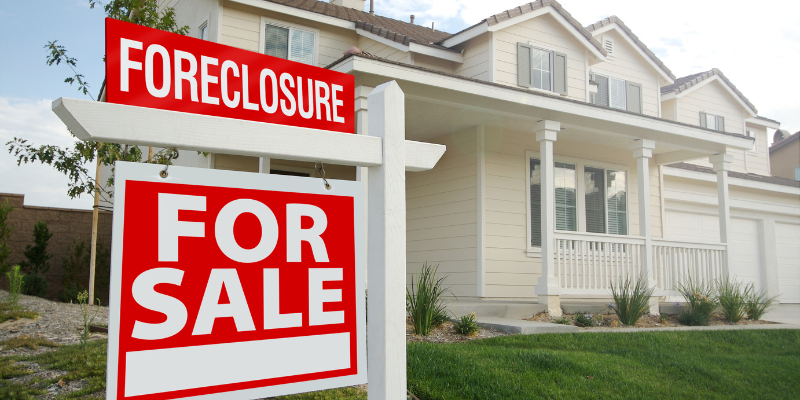
    A tax lien isn’t a nuisance. It’s a legal cloud on the real property, and it follows that property through any transfer. Any buyer running a title search sees it. Most conventional lenders won’t touch a sale with an open tax lien on it. Tax liens aren’t the only kind that shows up in a title search, and selling a house with a lien in Tennessee works much the same way, whatever the source.

    Left alone, the county files its tax suit and sells the property at public auction to satisfy the lien. For sellers, that creates one practical problem: you can’t hand a buyer a clean title while the lien sits there. A sale can solve both at once. Closing proceeds pay the delinquent taxes, penalties, interest, and court costs, and the lien dissolves at the table. A direct buyer like Ready Door Homes coordinates that payoff through the title company, which handles the process routinely, so you don’t have to bring cash up front.

    Selling to a cash buyer skips the lender problem entirely, so the lien stops being a reason your sale falls apart, and you can reach out to Ready Door Homes to get started.

    How Tennessee Tax Sales Work and What Properties Are Listed

    Every property with unpaid taxes that runs the chancery court process lands on a public auction list.

    Notice has to be published at least once in a newspaper of general circulation, or, with the court’s approval, by printed handbills posted around the county. Publication runs at least 20 days ahead of the sale. The delinquent tax attorney also has to make a diligent effort to reach everyone holding an interest, which usually means certified mail. Once those notices go out, your runway is short.

    Sales run through the Chancery Court Clerk and Master’s Office by open public auction. Delinquent tax properties sell at auction only, and nobody buys one over the counter.

    Opening offers cover the taxes, penalties, interest, attorney fees, and court costs. Anything left over doesn’t come back to you automatically. An interested person has to file a motion with the court to claim excess proceeds, and remaining taxes and lienholders get paid ahead of the former owner. Selling before the auction date cuts all of that off and leaves you deciding where your equity goes.

    Excess proceeds don’t sit waiting for you either. The court pays them out in a set order, with unpaid taxes and recorded claims ahead of the former property owner, and you collect only what survives that line. Wait too long to file, and those proceeds can pass to the state as unclaimed property.

    Timing matters here, too. In July 2026, Tennessee home prices were up 2.3 percent year over year, with a median sale price of $383,620 and a median 69 days on market. A traditional listing takes time you may not have once a suit is filed. A cash for houses company in Tennessee can close before your sale date and put the leftover money in your hands, not in the clerk’s queue.


    What to Expect on Tax Sale Day in Tennessee: Bidding and Payment Rules

    Bidders register by filling out an informational form before the tax sale starts. In Nashville, registration opens at 11:00 a.m. and ends promptly at 12:00 noon. Procedures vary from one court to the next, so call your local Clerk and Master’s Office about local logistics.

    The winning bidder has until the following Friday at 12:00 p.m. to pay the full offer by cashier’s check to the Chancery Court Clerk and Master. No credit cards. No financing.

    Some jurisdictions also allow a raised offer after the auction, usually called a re-bid. In Bristol, anyone wanting to top the winning offer has ten days to bring the court a higher one, and it has to beat the previous offer by at least ten percent. A qualifying re-bid sends the property to a second auction roughly 30 days after the first sale. That rule is local, so confirm it where your property sits.

    How Long Do You Have to Reclaim Your Property After a Tennessee Tax Sale?

    A seller I worked with in Collierville got the certified mail notice and assumed the house was gone. It wasn’t. She still had time, though the window was closing.

    Redemption in Tennessee starts when the court enters the order confirming the sale, not on auction day, and confirmation can lag by weeks. If the delinquency runs five years or less, you generally get one year. More than five years but under eight, and the period is 180 days. Eight years or more, 90 days. Vacant and abandoned property drops to 30 days, no matter how many years are owed.

    The redemption amount is more than the back taxes. It covers the penalties and court costs that stacked up while the delinquent tax case ran its course. Redeeming means paying that full amount and filing a motion with the court before your window shuts. Tennessee’s property tax statutes sit in Title 67, Chapter 5 of the Tennessee Code, and the redemption periods are spelled out at 67-5-2701.

    How to Sell a House with Delinquent Property Taxes in Tennessee

    For years, I assumed sellers with tax problems had to clear the debt before selling. Wrong. The sale clears it.

    How to Sell a House with Delinquent Taxes in Tennessee

    A man called me from Millington. He’d inherited a rental house carrying two years of unpaid taxes. The furnace had quit the winter before, and the garage still held his uncle’s riding mower and boxes he’d never sorted. He wanted out of a property he never chose to own. By Friday, he had a number he could work with, and the title company paid the taxes straight out of closing proceeds.

    Most of these transactions run that way. The settlement statement lists the tax debt as a lien satisfied from the seller’s proceeds. You keep whatever is left, and the buyer takes a clean title. What matters is finding a buyer comfortable with the complexity, and retail buyers and their lenders often aren’t. Direct buyers like Ready Door Homes handle these situations routinely and can close without the financing hurdles that sink a conventional sale.

    Timing is the whole game with a delinquent tax sale. Every month the property sits, the Chancery Court file grows, and the payoff climbs. Homeowners who move early hold on to more of their equity. The same holds just outside Memphis, where we buy houses for cash in Bartlett, TN and can work to the county’s calendar instead of a lender’s.

    One pattern keeps repeating: sellers wait because they believe the debt disqualifies them from selling. It doesn’t. Waiting narrows the options, since court costs and attorney fees keep growing the payoff every month. Sell sooner, and more equity stays with you.

    Every month you wait, the county takes a bigger slice of the same house, so talk to cash home buyers in Cordova, TN and keep the difference.

    Frequently Asked Questions

    Can I Get Ownership of a Property by Paying Back Taxes in Tennessee?

    Paying someone else’s back taxes doesn’t give you their property in Tennessee. You’d have to go through the formal tax sale, where the court auctions the property. Even after a winning offer, the prior owner keeps a redemption window. Ownership doesn’t transfer cleanly until that period runs out.

    How Long Can Property Taxes Go Unpaid in Tennessee Before a Sale Happens?

    Taxes go delinquent on March 1 of the year after the billing date. About a year later, the trustee turns the file over to a delinquent tax attorney, who must file suit in Chancery Court after February 1 and before April 1. The auction comes at the end of that suit, so the stretch from missed payment to tax sale usually runs at least two years. Court costs and fees accumulate the whole time.

    How Are Delinquent Property Taxes Sold in Tennessee?

    The county runs a public auction through the Chancery Court Clerk and Master’s Office. Properties get listed once the delinquent tax suit runs its course. Bidders register beforehand, and the opening offer covers outstanding taxes, penalties, interest, court costs, and publication fees. The winner pays in full by cashier’s check. The prior owner keeps a right of redemption for a set period after the court confirms the sale.

    How Do You Buy a House That Has Back Taxes?

    Buyers taking on a property with delinquent taxes usually pay the debt at closing through the title company, which clears the lien so the title can transfer. At a delinquent tax sale, you’re responsible for the delinquent amount in the opening offer, plus any later years’ taxes the sale proceeds don’t cover. Use a title company that closes delinquent tax sales in Tennessee. That’s the cleanest way to know the lien is gone and the deed you get is good.

    If your Tennessee property has a tax problem and you’re not sure what your options look like, we’re glad to talk it through. Ready Door Homes works with homeowners across the state in exactly these situations. No pressure and no obligation, just a straight conversation about the numbers and what a sale could mean for you.

  • Selling a Probate House in Tennessee: How to Sell During Probate

    Selling a Probate House in Tennessee: How to Sell During Probate

    Selling a probate property in Tennessee involves a complicated, emotional, and tedious process with many different challenges, including the specific legalities and timeframes involved with probate. Because of this, there are definitely some important probate sale nuances needed. This guide is intended to help you gain the most important insights about how to assist in the simplification of this process so that you can sell in compliance with the probate laws of Tennessee. Whether you are an executor, heir, or beneficiary, it is important to understand marketing, legal, and probate time frames, so that you can be in control of the process. For help, Ready Door Homes can help you with all of the steps of the probate sale.

    Brief Overview

    To sell a probate house in Tennessee, sellers need to consider various legal, court, and financial aspects surrounding probate, and the merging of all three can be difficult. First, sellers need to repair the home and get the Tennessee probate court to approve the house sale. Executors and personal representatives also have to estimate and pay closing costs, taxes, and court challenges, as all of these can reduce the value of the estate. Heirs can argue amongst themselves, which can delay closing the probate estate and will work against what the decedent wanted. Many sellers looking for a faster and easier option partner with cash home buyers in Tennessee and nearby cities.

    Key Highlights

    • Probate in Tennessee involves validating a will and distributing estate assets under court supervision.
    • The probate court oversees estate asset management, ensuring fair distribution according to state laws.
    • Preparing probate property for sale includes aligning legal documents and addressing necessary repairs.
    • Financial considerations like closing costs and repairs significantly impact probate property sale proceeds.
    • Probate duration varies, influenced by debts, asset evaluation, and required legal compliance.

    Understanding Probate in Tennessee

    how to sell probate house Tennessee

    Understanding the probate process in Tennessee is crucial for those dealing with the sale of inherited property. This process includes going to probate court and looking at the assets and debts of the deceased. Knowing what probate is, as well as the function of the probate court, can help and guide you as you go through the estate sales and other related matters. This also gives you the knowledge needed to address the Tennessee probate system and court oversight related to estate taxes and real property.

    What is Probate?

    Tennessee probate law allows for other legal obligations after a person’s death. In Tennessee probate law, the distribution of a person’s assets must be supervised, debts must be cleared, and the validity of a person’s will must be determined. This process starts with the probate court receiving a petition to oversee the assets of the estate, which includes the deed to the house and other personal belongings.

    Managing estate taxes, writing court documents, and managing court disputes are all part of the duties of the personal representative and executor. Owners of the estate may have to deal with estate sales to get cash to pay debts. If you manage the estate properly, Tennessee probate law will not cause unnecessary delays in the distribution of assets and the distribution of the estate will honor the proprietor’s wishes. Owners are also encouraged to manage the estate properly to avoid probate.

    The Role of the Probate Court

    The probate court is integral when it comes to the fairness of legally distributing the estate assets, and in the case of Tennessee, Bradley County probate court manages the whole of the probate process, including will validation, dead heir identification, and the estate administrators and executors appointments. They, too, handle debt and tax settlements, including estate taxes, which can significantly reduce the estate’s value.

    As for the probate properties which can be houses and land, the court makes sure the sales are done to reflect the deceased wishes and are of the greatest benefit to the heirs. Probate courts ensure the estate and parties involved are protected by the court’s supervision, helping representatives deal with intricate transactions and effective estate administration, all in accordance with Tennessee probate laws.

    Probate Process StepsKey ParticipantsLegal ResponsibilitiesEstate Assets ManagementCourt Supervision Role
    File the petition to open probate in courtExecutor/Administrator: Appointed by the court to manage the estateIdentify and notify creditorsPerform inventory and appraise estate assetsEnsure the probate process follows legal procedures
    Appoint an executor or administratorBeneficiaries: Individuals entitled to the decedent’s assetsSettle outstanding debts and taxesOversee asset protection and insurance maintenanceAddress disputes or claims against the estate
    Notify heirs and beneficiariesProbate Judge: Oversees the legal proceedings and complianceFile necessary tax returnsDistribute property as per the will or state lawAuthorize distribution of assets once obligations are fulfilled
    Manage creditor claimsAttorneys: Provide legal guidance to ensure compliance with lawsResolve disputes among heirs or beneficiariesClose estate after fulfilling all legal dutiesApprove final closing of probate

    This table illustrates the multifaceted process of managing and distributing estate assets through probate proceedings and judicial oversight.

    Steps to Sell a House During Probate

    how to sell my house in probate Tennessee

    There are a lot of legal considerations when selling a house during probate in Tennessee. Selling a house during probate necessitates careful and systematic work like preparing the inherited house and obtaining probate court approval. When estate sales are broken down into smaller parts, the probate process becomes easier to understand. These steps assist in the supervision of the probate court and allow the estate executor to work without interruptions. Selling a probate house estate helps honor the decedent’s wishes and accomplishes one more important task in the closing of the probate estate.

    Preparing the House for Sale

    In the state of Tennessee, selling a probate house begins with a few legal and practical steps. Verify the estate documents such as will and proof of executor status, so that the probate process can be completed without obstruction. A solid legal foundation will provide the ability to legally continue the process and will lower the number of problems that can arise.

    Then, get to work on the house. Do the necessary repairs and maintenance that can help with buyer interest. Value the best assets of the house with regards to the area, as well as the cost of the repair vs. the market return. Get in touch with people that know probate sales to make the house ready to be sold. While doing all this, make sure you are in contact with the probate court and that all Tennessee state laws are being followed. Properly preparing the house and the necessary legal documents will help the personal representatives complete the probate process and retain the value of the estate.

    Securing Probate Court Approval

    Gaining approval from the court is the next step in the probate process in the state of Tennessee that will allow you to sell the house. The first step is to draft a petition that outlines the reasons for the sale. You will need to explain how the sale proceeds will cover the debts of the estate and how those proceeds will be distributed to the heirs. Strengthening the request with evidence is always helpful, especially evidence of the financial benefits to the estate for the sale.

    The probate court is always going to require that you produce an appraisal, or some other document, that will be for the estate’s benefit, and that will show that the estate and the court are getting the benefit that is intended to the estate. The sale of the house that the court approves should make the sale of the house process easy and profitable for the estate.

    Financial Considerations When Selling in Probate

    House Sale During Probate Tennessee

    There are multiple financial challenges when selling a probate house in Tennessee. The costs associated with closing fees, repairs, and estate taxes will need to be estimated and managed, and some of those financial challenges can be reduced by working with a cash for houses company in Memphis and nearby cities.

    The Tennessee probate laws will be adhered to and some of the remaining value of the estate will be protected through the proper management of financial challenges. The personal representative of the estate will face many challenges in successful probate sales to help the estate and the heirs receive the best outcome of the probate sale.

    Estimating Closing Costs

    When selling a probate property in Tennessee, estimating closing costs is critical as it impacts the final proceeds the seller receives. Closing costs typically consist of title insurance, appraisals, fees for recording, and the usual miscellaneous costs. Further, probate sales may require more legal services due to the complexity of the transactions.

    To mitigate financial surprises, it is wise for the personal representatives to consult with those who are knowledgeable about the probate process. This is particularly important in order to have sufficient funds for the settlement of debts and for the distribution to the beneficiaries. There may be Tennessee taxes and other estate-related expenses that may apply. Understanding the various components that closing costs consist of enhances one’s ability to negotiate with the buyers and, more importantly, it helps to enhance the closing process.

    Accounting for Repairs and Upgrades

    While selling a probate house, the condition of the property directly influences the property value and marketability. A professional inspection can find areas that need repair for potential buyers and improvements for increased sale price, but repair cost and future sale price need to be weighed, so it’s more than just throwing money on a repair.

    Common improvements include most structural issues, most systems that are out of date, and areas with curb appeal. Other repairs will also need to be done for Tennessee building codes to be adhered to. Most times, the estate is where money for expenses is coming, so the personal representative will need to control the expenses so its not a reduction of what’s available for debts and distributions. Thoughtful upgrades can assist with selling the house and maximizing value.

    Timeline and Challenges of Probate Sales

    Selling a property that is involved in a probate case in Tennessee requires knowing the time period and obstacles involved in the probate process, especially when dealing with delinquent property taxes. Because of the need for court supervision and the legal requirements that must be complied with, the probate process is often complex and time consuming. In situations where there are outstanding tax obligations, selling a house with delinquent property taxes adds another layer of difficulty, as these debts must typically be resolved before or during the sale. Understanding the length of the probate process, potential challenges, and financial obligations related to heirs, court oversight, and unpaid taxes provides a strong foundation for planning a successful probate sale. Managing and controlling both the tangible and intangible obstacles associated with probate is made easier for a personal representative when they are equipped with this knowledge.

    How Long Does Probate Take in Tennessee?

    Generally, the estate’s level of complexity determines the time period and ranges from 6 months to over 1 year. Each case begins the same, a petition is filed with the probate court, the will is validated, the estate’s assets are identified and distributed, and the judge oversees the entire process. The most frequent reason for delays includes payoff settlement and asset valuation/assessment, and legal documentation.

    The timeline will also increase if the estate has real property such as a house, as the house will need to be sold. Legal disputes amongst heirs, taxation, and other legal matters will all prolong the process. Each case is unique, understanding the factors that affect the timeline will allow for a more streamlined process.

    Preparation helps ease the probate sale process and reduce stress. Tips to efficiently manage it:

    • Gather legal and financial documents to streamline the sale.
    • Keep legal advisors and potential buyers informed by communicating regularly.
    • Evaluate the property to determine its market value.
    • To improve property value, make any necessary repairs.
    • Find out local probate laws to avoid legal issues.
    • Consider legal procedures and clearances when setting a sale timeline.

    By being informed and proactive, you can manage the probate sale and succeed.

    Common Challenges in Probate Sales

    Selling a probate house in Tennessee has its challenges, especially when it comes to heirs who may be emotionally invested in the house and may have competing viewpoints. Other challenges include the estate having outstanding debts which will have to be paid before the heirs can receive their portions of the estate. This will most of the time require the court to step in to evaluate the estate and help in the distribution of the estate.

    One of the challenges in selling a probate house in Tennessee is the court’s requirements and processes, including petitions, court appearances, and other legal formalities that might require the guidance of an attorney. Homes in probate typically require repairs in order to sell, which can be an added burden. One of the last challenges is obtaining an appraisal that will help sell the house at a fair market value.


    Selling a Tennessee probate house can be easy with the right strategy. Avoid delays by gathering all necessary documentation early, communicating with the executor and potential buyers, and following state regulations. You can manage the transaction and sell successfully by understanding deadlines and requirements. These tips can help streamline the process and maximize your sale return, whether you’re representing the estate or a loved one. Contact Ready Door Homes for expert advice at any time.

    Need to sell a probate house in Tennessee? Whether you want a quick sale, to skip expensive repairs, or prefer a stress-free process, Ready Door Homes is here to help. We provide fair cash offers, manage all the paperwork, and make the entire probate sale smooth and efficient. Ready to sell or have questions? Call us at (901) 499-3555 for a no-obligation offer. Get started today!

    FAQs

    What is a probate sale and why is it required in Tennessee?

    In probate court, a deceased person’s estate assets, including real property, are sold. Tennessee law requires validating the will, settling debts, and distributing assets under court supervision.

    How does one secure probate court approval for a property sale?

    Petitioning probate court to sell the property to settle the estate is required. A personal representative must publicly demonstrate how sale proceeds will pay debts and distribute assets to heirs in accordance with Tennessee law.

    What financial considerations affect the sale of a probate property?

    Estimating closing costs, repairs, and estate taxes are economic factors. Careful management to comply with Tennessee probate laws and maximize heir benefits is needed to maximize estate net value.

    How long does the probate process typically take in Tennessee?

    Six to twelve months are typical for probate. Timeframe depends on court supervision, debt resolution, asset evaluation, and heir disputes or legal disputes.

    What challenges can arise during probate sales?

    Heir expectations, estate debts, court requirements, and marketability are challenges. Knowledge of the legal process and open communication can help the sale.

  • Required Paperwork for Selling Your House by Owner

    Required Paperwork for Selling Your House by Owner

    Sellers sit across the kitchen table from me and ask the same thing. “How hard can the paperwork really be?” Then they find out. The forms aren’t impossibly complicated. There are just more of them than anyone warned, and they show up at different stages. One missing document can hand a buyer the right to walk away with their earnest money intact. Sometimes on day thirty of a forty-five-day contract.

    Selling your house by owner in Tennessee is doable, no listing agent required. Thousands of homeowners pull it off every year. Going in blind about the documentation is where things quietly fall apart.

    What Is for Sale by Owner and How Does It Work?

    Required Paperwork When Selling Your House by Owner in Memphis

    Most sellers carry out a simple process in a for-sale-by-owner transaction: put up a sign, field calls, sign a paper, and collect the money. Reality adds a few steps between the sign and the wire transfer.

    An FSBO sale puts the seller in control of pricing, disclosures, showings, negotiations, and closing coordination. Every task a listing agent or brokerage would have handled now belongs to you. That means preparing the purchase agreement, sourcing every required disclosure, running escrow funds through a title company, and making sure the deed transfers correctly at closing. None of it is impossible. It just demands detail. If you want the wider picture before you commit, here’s how to sell a house without a realtor in Memphis, start to finish.

    According to NAR’s 2025 Profile of Home Buyers and Sellers, only 5% of homes sold FSBO nationally, a record low, while 91% of sellers used a real estate agent. A drop like that doesn’t mean that buy-owner sales don’t work. The sellers who succeed just did their homework first.

    A few years back, I bought a property from a retired couple in Bartlett who’d inherited a rental they never wanted. They’d tried a FSBO listing that spring and pulled it after six weeks. The disclosure paperwork and buyer inquiries piled up. Paperwork overwhelmed them, not the selling itself.

    Tennessee works differently than the states that publish free contracts. The Tennessee Real Estate Commission licenses agents and brokers, but it does not publish a purchase contract for the public, and the Tennessee Realtors RF 401 form most agents use is copyrighted and limited to members. Your contract comes from a real estate attorney or a title company instead. Plan for that up front.

    How Do You Prepare Your Home to Attract Buyers When You Sell Your House by Owner?

    Buyers form an opinion about your house long before they read a single disclosure form. Paperwork protects you legally. Condition decides whether buyers compete for the property or treat every flaw as a chip.

    Curb appeal and clean floors are the baseline. Past that, focus on what inspectors flag in West Tennessee homes: foundation movement, roof age and storm damage, HVAC age, water intrusion, termites, and drainage problems. Buyers lean hard on documentation for all of it. Pull your HVAC receipts, roofing invoices, and any foundation work before the first showing.

    Those records do double duty. They keep you from being blindsided during the inspection period, and they feed your seller’s disclosure, which you’ll fill in more accurately with records in front of you. Decluttering matters more than most sellers think. Buyers need to picture themselves in the space, and a clean house photographs better and sells faster.

    If prepping the house for showings sounds like more than you want to take on, Ready Door Homes can help. You can skip the repairs and the cleaning and sell it as it sits for cash, the same way we buy houses in Bartlett and the rest of Shelby County.

    What Documents Do You Need to Sell Your House by Owner?

    One FSBO seller called me after their sale collapsed three days before closing. They couldn’t produce the original deed fast enough for the title company’s timeline, and the buyer walked. The whole transaction dissolved over a document sitting in a filing cabinet that no one had opened in a decade.

    Core paperwork for an FSBO transaction runs like this: the residential purchase agreement, the mandatory seller’s disclosure notice, and the deed transferring ownership. Then come the state and local forms tied to title, taxes, and closing instructions.

    The Tennessee stack adds a few items. Key documents for FSBO in Tennessee include the Residential Purchase and Sale Agreement, the Residential Property Condition Disclosure, an HOA Addendum (if applicable), and a Lead-Based Paint Addendum on older homes. Four disclosures survive even an as-is sale, under Tenn. Code Ann. 66-5-212 and 66-5-213: known sinkholes, exterior injection wells, percolation test results, and whether the property sits in a planned unit development. You also have to say whether a residence on the property was ever moved from one foundation to another.

    Your mortgage payoff statement belongs in your hand before closing. The title company orders it, but know the figure yourself, so nothing at the settlement table surprises you. Government-issued photo ID, proof of homeowner’s insurance, and any existing survey of the property round out the file. Lost the original deed? Your county Register of Deeds can issue a certified copy.

    Missing one document shouldn’t cost you a sale. If the paperwork is holding things up, contact Ready Door Homes for a cash offer on the house as it stands.

    What Should Be in a Real Estate Purchase Contract?

    Required Documents for Selling Your House by Owner in Memphis

    Price is the smallest part of what makes a purchase agreement a binding contract. On a $300,000 home sale, the language around contingencies, earnest money, closing timeline, and what personal property conveys moves the outcome more than the number at the top. Buyers argue about personal property constantly.

    For most Tennessee home sales, the standard form is the Purchase and Sale Agreement published by Tennessee Realtors, form RF 401. Agents on both sides know it and title companies expect it. It is copyrighted and restricted to member licensees, so an unrepresented seller cannot simply download one. An attorney-drafted agreement or a title company’s own form does the same job, and either one beats a contract somebody typed up from scratch.

    Every solid purchase agreement spells out the sale price and earnest money, the closing date, and which items stay with the house (appliances, fixtures, mounted TVs). It sets the inspection period and its contingencies, plus the financing contingency when a buyer uses a mortgage. The third-party financing addendum gets attached as a separate form. A cash buyer skips the financing contingency but usually still carries inspection and title contingencies.

    Earnest money goes to the title company, never to you, and sits in escrow until closing. Contract language controls what happens to those escrow funds if either side backs out. A vague termination clause is the gap that sends a sale into litigation, so I make sure that section is spelled out first.

    Common addenda cover financing, appraisal, inspection results, and any amendment the two of you agree to later. A real estate attorney will review the finished package for a few hundred dollars. On an FSBO closing with nobody catching your errors, that’s worth every cent.

    You can build the contract yourself and pay an attorney to check it, or you can call a cash for houses company in Collierville and other cities and skip the financing contingency altogether.

    Why Do You Need a Seller’s Disclosure Statement?

    Selling to somebody you know changes nothing here. A sale to a neighbor, a family friend, or a coworker still requires the same written disclosure under Tennessee law.

    The Tennessee Residential Property Disclosure Act, Tenn. Code Ann. 66-5-201 through 66-5-213, is the source. It covers homes with one to four dwelling units and calls for a written statement of the material defects you actually know about, delivered before the contract is fully signed. Tennessee gives you three paths: the full disclosure statement, a disclaimer statement selling as is where the buyer waives disclosure in writing, or an exemption under Tenn. Code Ann. 66-5-209. Picking a path is your call. Handing the buyer nothing is not one of the three.

    FSBO and flat-fee MLS sellers owe the same notice as agent-listed sellers do. Deliver it before the contract is fully executed, not after. Skipping it does not by itself hand the buyer a right to walk, under Tenn. Code Ann. 66-5-203(b), but it leaves every other claim open to them. Conceal a known defect, and you’re looking at a misrepresentation suit, which Tenn. Code Ann. 66-5-208 gives the buyer a year to file.

    The disclosure covers structural condition, environmental hazards, flooding history, and other material facts about the property. Sinkholes get their own line. A 2024 amendment to Tenn. Code Ann. 66-5-212, effective July 1, 2024, means a sinkhole you know about has to be disclosed whether or not it shows up on the plat map, and that duty survives even an as-is disclaimer. Hiding it creates liability that follows you, and I’ve watched that come back on sellers years later.

    Fill the disclosure out honestly, from real knowledge. You’re not warranting the property against defects you can’t see. You’re disclosing what you know. Keep a signed, dated copy.

    Defects you have to disclose are the same defects we expect. Memphis cash buyers and nearby cities will take the house without you repairing a single one of them.

    Where Do You Get the Paperwork to Sell Your Home?

    Tennessee does not put a purchase contract on the state’s website, so you have to know where to look.

    The statutory disclosure form itself is written into Tenn. Code Ann. 66-5-210, so the required questions are public even though the Tennessee Realtors version, form RF 201, is not. Your title company or a real estate attorney can hand you a compliant disclosure, a purchase agreement, and the addenda that go with them.

    Federal rules add one more document for older houses. Homes built before 1978 require a lead-based paint disclosure: the EPA pamphlet, any records or reports you hold, the lead warning statement, and a ten-day window for the buyer to test. Both the pamphlet and the disclosure form are at epa.gov/lead. That rule applies everywhere, Tennessee included. Miss it, and you’ve handed the buyer a legal claim.

    Title companies are the other real resource. A good one tells you what they need, catches missing signatures, and flags incomplete addenda before closing day. Tennessee is not an attorney closing state, and in Memphis most residential sales close at a title company with no lawyer at the table. Whether a real estate attorney should read your purchase contract first is a separate question. The answer is yes.

    Working through the paperwork, and want a local resource who knows the Tennessee process? Ready Door Homes can point you toward the right forms and reputable title companies nearby.

    How Do You Market a House Without a Real Estate Agent?

    Getting buyers to your door without the MLS or an agent is the hard part of FSBO marketing.

    FSBO sellers can’t list directly on the MLS without paying a flat-fee service, which caps their buyer reach next to a marketed agent listing. A flat-fee MLS listing costs a few hundred dollars and puts the property in front of every buyer’s agent in your market. For most sellers, it’s the best marketing money they’ll spend without an agent.

    Photos come next, and they need to look professional. Buyers scroll past dozens of homes before booking a showing, and grainy phone shots send them to the next listing. A photographer costs less than sellers expect.

    Zillow, Redfin, Facebook Marketplace, and Craigslist all carry FSBO home listings. Yard signs still pull calls in plenty of neighborhoods. Weekend open houses bring curious neighbors along with real buyers who don’t have an agent yet. Price it clearly and answer fast, because a slow reply gives a buyer time to move on.

    How Do You Negotiate Offers When Selling by Owner?

    Every offer a FSBO seller gets deserves a written counter, not a phone call.

    The call feels more natural. Your purchase agreement and its amendments are the legal record, and verbal agreements on price or repairs don’t survive a closing dispute. Agree to credit the buyer $4,000 for roof work, and it goes in a signed amendment to the contract. Full stop.

    Proof of funds or a mortgage pre-approval letter should come with any offer you take seriously. A buyer who can’t show they can close isn’t worth tying up your property for two weeks. Ask for documentation before you go under contract.

    Sellers in FSBO transactions often feel pressure to take the first offer, because finding buyers without an agent was hard enough. Resist it. Redfin put Tennessee at about five months of supply in June 2026, and buyers negotiate in a market like that. The first offer is sometimes the lowest. Priced and marketed well, your second or third may arrive with better terms or cleaner contingencies.

    Repair negotiations after the inspection are where FSBO sales break down most often. That inspection report isn’t a to-do list you’re obligated to complete. Closing credits and price reductions are legitimate alternatives, so you may never pick up a tool. Run your net proceeds under each option first. If you’d rather skip the repair round altogether, you can sell your house fast in Tennessee to a cash buyer and move on.

    What Happens at Closing When You Sell by Owner?

    Paperwork You Need to Sell Your House by Owner in Memphis

    A seller in Cordova called me the week of closing, rattled. The title company had sent a stack of documents that no one had prepared for: wire instructions, payoff figures, and a settlement statement. The sale closed fine. Those last days didn’t have to be that tense.

    Your title company drives an FSBO closing. They prepare the settlement statement showing every charge, credit, and distribution. Read it line by line before signing. Check that the mortgage payoff figure is right, property taxes are prorated correctly, and agreed credits to the buyer show up. Errors happen, and one found at the table takes time.

    You’ll sign the deed, an affidavit of title, the settlement statement, and any lender forms if the buyer is financing. Sellers must bring photo identification, keys, garage door openers, security codes, and a payoff statement for any existing mortgage. If the deed and the title blur together in your head, here’s what every homeowner should know about deeds and titles before you sign anything.

    After signatures, the title company records the deed with the county, pays off lienholders, and wires your proceeds. Recording often happens the same day or the next business day. Then the property isn’t yours anymore.

    Title insurance covers title defects that surface after closing, for the buyer and for you on the owner’s policy. Your title company will lay out the options. Sellers who skip owner’s coverage rarely regret it until they do.

    Frequently Asked Questions

    What Paperwork Do I Need to Sell My House by Owner?

    For a Tennessee FSBO sale: the residential purchase and sale agreement, the Tennessee Residential Property Condition Disclosure (or a valid disclaimer or exemption), the deed transferring ownership, and any addenda that apply. Common ones include the lead-based paint disclosure on older homes and an HOA addendum. Add government-issued photo ID, a mortgage payoff statement if a loan is outstanding, and any property survey or prior inspection reports. Your title company generates the settlement statement and handles deed recording at closing.

    What Are the Three Most Important Documents in Any Property Sale?

    The purchase agreement, the seller’s disclosure notice, and the deed. No sale closes without all three. The purchase agreement sets every term and binds you and the buyer. Your disclosure notice covers the legal duty to reveal known material conditions. The deed itself moves the property out of your name into the buyer’s, and it gets recorded with your county after closing.

    How Do I Protect Myself in a By-owner Sale?

    Use an attorney-drafted or title company contract, not documents drafted from memory or pulled from a template site. Have a licensed real estate attorney read your purchase agreement before you sign. Deliver the Seller’s Disclosure Notice on time and complete, then keep a signed copy. Run all funds through a licensed title company rather than handling money yourself. Document every agreed repair, credit, or amendment in writing, with both signatures, before closing. Something feels legally uncertain? Ask a professional first, not after.

    Can You Sell a House Without Paperwork?

    No. A legal transfer of real property in Tennessee takes a signed deed at a minimum. Add a seller’s disclosure notice on residential sales, a purchase agreement defining the terms, and proper recording with the county Register of Deeds. Transferring real estate without documentation does more than create legal risk. It creates a title that may be uninsurable, which means future buyers can’t finance the property, and the ownership chain becomes somebody else’s problem.

    If the paperwork stack looks bigger than you expected, or a direct sale might fit better, reach out to Ready Door Homes. No pressure, no obligation. Just a straight conversation about your options.

  • Can You Sell a House with a Lien in Tennessee? Selling a Home with Property Lien

    Can You Sell a House with a Lien in Tennessee? Selling a Home with Property Lien

    Selling a House with a Lien in Tennessee and What Homeowners Should Expect

    A lien on your property title feels like a door locked from the outside. Most sellers I talk to assume the sale is dead before it starts. It isn’t. Tennessee homeowners sell homes with liens attached every week. Selling a house with a lien runs calmer than the panic at the kitchen table suggests. Clearing the lien rarely means writing a check from your own pocket first.

    Yes, You Can Still Sell, Here’s What That Actually Looks Like

    Can I sell my house with a lien in Tennessee

    The objection I hear most: my attorney says I can’t close until the lien is gone. True, and also beside the point. The closing itself is what clears the lien. Your title company or closing attorney collects the debt out of your sale proceeds, pays the lienholder, and records the lien release. All of that lands the day you sign over the deed, not weeks ahead of it.

    Sellers are often surprised by the gap between what they owe across every lien and what the home is worth. If your total lien debt runs past the value, a short sale with lender approval may be the route. Creditors sometimes settle for less than the full balance, too. If your equity covers the debt, the mechanics are simple. If a short sale is where you’re headed, read how to short sell your house in Tennessee and avoid foreclosure before you call your lender.

    Home prices give most Tennessee sellers room to work with. Redfin put the statewide median sale price at $383,620 in July 2026, up 2.3 percent from a year earlier. Years of rising prices have left plenty of owners with enough equity to absorb a lien payoff and still walk away with money. Not everyone, but more than you’d guess.

    Ready Door Homes works with Tennessee sellers carrying liens, back taxes, judgments, and title problems of every kind. You don’t have to clear the lien before you sell, because your closing attorney handles the payoff for you. To walk through your own numbers first, reach out to Ready Door Homes in Tennessee.

    What Is a Lien on a House?

    A deed is supposed to mean clean ownership. The home is yours to sell, mortgage, or leave to your kids. That holds until somebody records a legal claim against your title at the county Register of Deeds. Your name stays on the deed. What sits behind that deed is now encumbered.

    The lien gives another party a legal right to part of your property’s value. The lienholder doesn’t move in or take over your mailbox. They hold a grip on the title that blocks a clean transfer. Mortgage lenders won’t finance a home carrying an outstanding lien, so most traditional buyers walk the moment a title search turns one up. Their lender kills it, not them.

    A while back, I looked at a house in Germantown, outside Memphis, that adult children had inherited. A contractor gutted the kitchen the previous spring, fell into a payment fight with the family, and filed a mechanics’ lien before anyone knew the word. We walked the property on a Wednesday, pinned down the lien amount, and built the payoff into our offer. The sale closed, the lien release got recorded, and the kids left with cash.

    Liens attach to the property, not to you, and they survive a change of ownership. So ignoring a lien and listing anyway wastes everybody’s time. The title company finds it, and the home sale stalls at closing. If a lien is sitting on your title, contact Ready Door Homes and we can build the payoff into an offer.

    What Happens When a Lien Is Put on Your House?

    Against a statewide median in the low $380,000s, a lien of $20,000 to $30,000 takes a real bite out of a seller’s net proceeds. That’s the math most homeowners avoid running.

    Once a lien attaches, your title is clouded, and nothing transfers cleanly until the lien is resolved. In practice, that shuts out any buyer who needs a mortgage. Their lender won’t back a loan against competing claims, and the title search flags them on sight.

    The title company shows up as soon as a serious buyer starts the process. A standard title search on a house runs roughly $75 to $250. More if the property’s history is tangled. It surfaces every recorded claim: tax, judgment, HOA, mechanic’s, and mortgage. Sellers who list without pulling one gamble with their own timeline. A lien found during due diligence can blow up a contract that took weeks to build.

    Waiting has a price, though. Interest and penalties keep running, and on delinquent property taxes, the county’s clock keeps moving toward a tax sale. No lien gets cheaper with age. If penalties are stacking up on your lien, reach out to investor home buyers in Tennessee before the number gets bigger.

    How Do You Find Out If There Are Liens on Your Property?

    A seller in Collierville spent three months getting his home ready, hired a stager, paid for photos, and took an offer the first weekend. Then the title search turned up a judgment lien from a credit card suit five years earlier. He’d forgotten it existed. The sale nearly died, and it cost him two weeks and most of his goodwill with the buyer.

    In Tennessee, recorded liens live at your county Register of Deeds. Most counties put the index online, though Davidson, Knox, and Hamilton each behave a little differently. Start there. A title company or real estate attorney can run a full title search instead. That version picks up federal tax liens and judgments from several courts, and hands you the whole picture.

    Pull it before you list. A surprise at closing costs money, while the same surprise before listing is just information. Some homeowners call Ready Door Homes at this stage, because we can help work through the lien picture before any listing decision gets made. That saves the staging, the agent fees, all of it.

    The Tennessee Department of Revenue keeps records of state tax liens. The IRS records federal liens with the county register, too, so a county-level search usually catches both. Some homeowners get the lien picture sorted with a company that buys homes in Cordova before they ever hire an agent, and it saves them the staging and the fees.

    Can You Sell a House with a Lien on It in Tennessee?

    Can I sell my house with a lien on it in Tennessee

    Nothing requires you to pay a lien before you list, or before you go under contract. It has to be resolved by the time the deed transfers. Most writing about selling a house with a lien blurs those two moments together, and the difference is weeks of your life.

    Your buyer needs a clear title. The lien gets paid off at the closing table, in priority order. The title company collects each release and confirms that the new owner takes a clear title. Same routine as any home sale with an outstanding mortgage, and other lien types ride the same rails.

    Three realistic paths, and they aren’t equal. Cleanest is paying the lien from equity at closing, which works whenever your home value clears the debt. Negotiating a settlement takes longer and depends on the creditor. Or sell to a buyer who has bought liened homes before and can build the payoff into the offer.

    Median time on market in Tennessee sat at 69 days in July 2026. Two months of carrying costs, taxes, and lien interest stacking up while a listing sits is a lot to absorb. If your lien is collecting penalties, that clock has a dollar figure attached.

    So what is the home worth against what you owe? That number decides more than anything else here.

    How Does a Tax Lien Affect Your Home Sale in Tennessee?

    Property tax debt is the most aggressive lien on a title. I’ve watched sellers write it off more times than I’d like.

    Because the property tax lien sits first, mortgages and deeds of trust get wiped out if the property goes through a tax sale. The county gets paid before your lender sees a dollar, and no title company will close over unresolved property taxes. There’s a separate playbook for selling a house with delinquent property taxes in Tennessee, and the county’s calendar sets the pace.

    Let the taxes run long enough, and a Tennessee county can sell the property at a delinquent tax auction to recover what it’s owed. State law then gives you a redemption period. Its length depends on how long the taxes went unpaid, so check your county’s redemption window. Five years or less of delinquency buys you a year from the order confirming the sale. Longer histories shrink it fast. Check the specifics for your county with the Tennessee Department of Revenue.

    Federal liens follow a separate track. When the IRS holds a lien and the property sells at a judicial foreclosure, the government keeps its right to redeem the home. That right runs 120 days from the sale, or the state redemption period if that one is longer, under 28 U.S.C. § 2410(c). Federal and state clocks rarely line up. If both apply to you, talk to a tax attorney who works in Tennessee before assuming anything.

    Can a Judgment Lien Stop You From Selling Your House in Tennessee?

    So what happens if you just wait a judgment lien out?

    A Tennessee judgment stays enforceable for 10 years from the date it’s entered in the clerk’s office. Register a judgment lien against real property, and it lasts for whatever remains of those 10 years. The creditor files the certified judgment with the county register to attach it to your real estate.

    Creditors can extend a judgment for another 10 years, and again after that, so waiting is a weak plan. An attentive creditor refiles before expiration. A sloppy one misses the date, and the lien can become unenforceable. Your county register or a real estate attorney can tell you whether a specific judgment is still within its window.

    Meanwhile, a judgment lien stops a normal sale cold. It secures the creditor’s claim and follows the property until satisfied. Try to sell without resolving it, and the title search surfaces it, then the buyer’s mortgage lender declines to fund. This is where sellers sometimes do well negotiating directly. A lump sum at closing beats years of chasing collection, and plenty of creditors know it. Have a real estate attorney tell you what leverage you actually hold.

    How Much Is Your Tennessee Home Worth with a Lien?

    Guess at your net without counting every lien, and you’ll make bad decisions, sometimes signing a contract you can’t close.

    Start with what comparable homes nearby have actually sold for, not what they asked. Statewide, homes have been closing right around 97 percent of the list price as of June 2026. Then subtract your mortgage balance, every lien payoff, estimated closing costs, and agent commission if you’re using one. What’s left is your net.

    Lien amounts move. Interest builds on nearly every kind of debt, tax bills swell as penalties pile up, and a judgment can grow past the first court award. Get written payoff statements from every lienholder before you settle on a price. I’ve watched sellers price off the original figure and come up short at the table.

    Some sellers run the math and find equity covers everything. For others, the liens eat most of it. A few discover the liens exceed what the home is worth. Each has a way through, but only once you know the real numbers. Title companies, closing attorneys, and cash buyers like Ready Door Homes can help you run them honestly.

    How to Sell a House with a Lien in Tennessee

    Here’s where sellers burn six months doing the right things in the wrong order.

    Title search first, listing second. Read it and understand every cloud in the title before you decide anything else. Then request written payoff statements from each lienholder. Those figures expire, so time them close to your expected closing date.

    From there, equity decides your route. Enough of it, and a standard sale clears everything at closing while the title company handles the mechanics. Short on equity and you’re looking at creditor negotiations, or a short sale that needs your primary lender’s blessing. Either way, you want a seasoned Tennessee real estate attorney or a buyer who has closed these before. Not every cash buyer has.

    A seller in Bartlett once handed a house with a mechanic’s lien and an old HOA judgment to two agents in a row. Both listings expired without a single offer. The property itself was fine, better than fine. Neither agent knew how to disclose the liens or price around them, so financed buyers couldn’t close. He sold to a cash home buyer in Bartlett who understood lien payoffs, cleared the title before the deed transferred, and closed in three weeks.

    The release filing is the finish line, not the payment. Title agents collect release documents after payoff, so the new owner takes the property free of those claims. Confirm with your title company that every lien release actually got recorded.

    Where to Get Professional Help for a Smoother Property Sale in Tennessee

    Can I sell a house with a lien in Tennessee

    A liened Tennessee property needs a better team at closing than a clean one.

    Your anchor is a real estate attorney who practices in Tennessee. They’ll review the title, test each lien’s validity, negotiate with creditors, and sequence the payoffs at closing. Fees vary, so ask upfront. Your county bar association keeps referral lists.

    Tennessee title companies are the other essential. They know the county registers and exactly what paperwork a lienholder needs before it will issue a lien release. Title insurance then protects the buyer and confirms that your payoffs landed where they belonged.

    Skipping the listing process is a real option, too. A direct cash buyer who knows Tennessee lien cases takes the agent commission out of your proceeds. No open houses for buyers whose lender will balk at the title, and no two-month wait while penalties climb.

    Ready Door Homes buys homes across Tennessee as-is, liens, delinquent taxes, and tangled titles included. We can build the lien payoffs into the offer, so you’re not handling that part yourself.

    Frequently Asked Questions

    How Long Does a Lien Stay on Your Property in Tennessee?

    It depends on the type. A mechanics’ lien lasts one year after the work is completed or abandoned, unless the lienholder sues to enforce it. A judgment lien runs for whatever remains of the 10-year period that started when the judgment was entered. That assumes the creditor registered it with the county. State and IRS tax liens stay effective until the tax and penalties are paid in full. Your county register’s office can confirm recording dates and whether a lien on your property is still live.

    What Happens If I Sell My House with a Lien on It?

    The lien has to be resolved before title transfers cleanly to the buyer. The title company or closing attorney collects your sale proceeds, pays each lienholder in priority order, obtains the lien releases so the buyer takes clear title, and disburses the rest to you. You usually don’t need to bring cash to closing to pay a lien off, as long as there’s enough equity to cover what’s owed.

    Can You Take Ownership of a Property by Paying Back Taxes in Tennessee?

    Yes, through a tax sale. When a Tennessee county sells a delinquent property at auction, the purchaser takes an interest in it. The original owner keeps a right to reclaim the home during the redemption period. That window is one year from the court’s confirming order when delinquency is five years or less. It drops to 180 days when the delinquency runs more than five but under eight years, and to 90 days at eight or more. Property the court finds vacant and abandoned gets 30 days. Once the window closes unredeemed, the purchaser can apply for a Clerk and Master’s Deed conveying full ownership.

    How Can a Lien Be Removed Without Paying?

    A few real routes exist. A debtor can petition the court to remove a lien that has expired or was never valid. If it was filed improperly, contains procedural errors, or secures a debt already discharged, a judge can order it off the title. Creditors also settle for less in exchange for releasing the lien, which isn’t quite “without paying” but can land far under the original figure. Use an attorney either way. A failed challenge costs you time, and a badly negotiated settlement can leave the lien partly in place.

    If you own a Tennessee home with a lien on it and you want to work out your real options, reach out. Ready Door Homes has handled these across Memphis, Bartlett, Cordova, Collierville, and the rest of the Memphis metro. No obligation, no pressure, just a straight conversation.

  • How to Sell an Inherited House in Memphis, TN

    How to Sell an Inherited House in Memphis, TN

    Selling an inherited home in Memphis can be mentally and logistically complicated. Heirs must handle probate and repairs, prepare the property for sale, and make myriad decisions that affect the timing and profitability of the sale. Heirs can optimize time and minimize stress by educating themselves on the steps involved, preparing the home, and considering the legal and financial concerns.

    Key Highlights

    • Comprehending legal requirements and probate will help ensure a smooth transaction.
    • Making necessary repairs and prepping the home for listing will help market the home.
    • Targeted marketing and pricing will facilitate the connection with serious potential buyers.
    • There is always a financial and emotional aspect to consider in deciding whether to sell now or hold later.

    Understanding the Process of Selling Inherited Properties

    An inherited property can undoubtedly be seen as both an advantage and an extra burden. Selling an inherited property is a multifaceted process, especially in Memphis, where specific local regulations and the real estate market must be considered. One of the first steps is understanding the probate process, which dictates (among other things) when and how the property can be sold. Furthermore, potential legal, tax, and familial issues could affect the timing and strategy of the sale.

    Steps to Navigate the Probate Court System in Memphis

    How to sell inherited house Memphis

    Probate constitutes the legal proceedings concerning the distribution of a deceased person’s estate. The proceedings usually begin by checking whether they left a valid will. If the deceased left a valid will, it must be submitted to the probate court because it will serve as a guideline for managing the estate, including real estate. If there is no will, state intestacy laws will determine how the decedent’s assets are divided, often resulting in more complex processes.

    An executor, or estate administrator for larger estates, is appointed by the court to oversee the estate. The estate administrator is responsible for performing the estate inventory, managing the estate’s debts, and ensuring that estate assets are allocated in compliance with the law. Part of the estate distribution involves allocating real estate, one of the assets that must be evaluated and distributed to determine the estate’s value for inheritance and capital gains tax purposes.

    For probate to progress, there must be good communication between the decedent’s heirs. When there is good communication between the heirs of the decedent, the chances of misunderstandings are less, and the chances of disputes that may lead to delay of the real estate sale are fewer. In Memphis, it is essential to communicate because the decedent’s family members may have emotional or monetary interests in the property.

    Hiring professionals who know the probate laws in Memphis can streamline the process and minimize mistakes. Debt, liens, and tax issues, as well as completed paperwork and tax obligations, can be addressed and corrected by legal and tax advisors. Property can be prepared for sale once all debts are settled and all legal obligations are fulfilled. Selling an inherited home involves emotionally difficult decisions, but to maximize value, one should focus on market readiness and potential improvements.

    Legal Considerations for Inherited House Sales

    When acquiring an inherited property, there are legal and financial obligations to assume, including tax liability. The “step-up” in the basis adjusts the cost value to the market value as of the previous owner’s date of death, which means that the seller could pay less in capital gains taxes because tax liability is computed on the property’s appreciation, beginning from the date of inheritance to the date of the sale. 

    Additionally, inherited property is also subject to Tennessee’s laws. Sellers of inherited property must do due diligence on liens, debts, and other encumbering issues on the property because, even though there are no state inheritance taxes, federal tax on the estate may apply. Therefore, consulting a tax expert is recommended to protect the inheritance value.

    When there are multiple heirs on an inherited house, they must all agree on the sale and the division of the proceeds. Because disputes often arise in such situations, understanding the rights and responsibilities of the heirs is crucial. In such situations, the services of a mediator or an attorney may be needed to resolve the issues fairly.

    Engaging with specialists knowledgeable about Memphis real estate can assist with listing strategies, pricing, and marketing. Be it a self-initiated sale or one assisted, awareness of these aspects will streamline the process and help heirs optimize the property’s value while staying within the law.

    Preparing Your Inherited Home for Sale

    Preparing a deceased relative’s Probate House for sale can be a challenging task, both emotionally and practically. Prioritizing repairs in Memphis can make your home more marketable and increase the sale price. Knowing how to effectively manage the selling process and enhance your home’s marketability is valuable. Understanding how to create effective property listings, coupled with your improvements, will help attract potential purchasers quickly. This will make the sales process more profitable. Take the steps to move your property repairs and create your earnest listing so that you can effectively sell your home and honor the memories tied to it.

    Essential Repairs and Maintenance Tips

    Selling inherited house fast Memphis

    Making a home in Memphis ready to sell will first require making repairs to attract potential buyers. The first step is to conduct a home inspection to identify urgent issues that need to be fixed, such as plumbing, electrical, or structural problems with the roof and foundation. Fixing these issues will avoid losing money when they need to be fixed during the selling process. Even low-key updates, such as leaky-faucet repairs, fixed wiring, and patched roofs, can increase the home’s value.

    Exterior repairs and general maintenance, such as cleaning the home, fixing the flooring, and disposing of trash, create a pleasant environment for buyers. Even general maintenance, such as cleaning the plumbing, fixing broken lights, and painting the place, creates a homey atmosphere. Even dirt and trash can be cleaned up with maintenance items like a lawn mower, a shower squeegee, and a light sponge. Space is always a positive. Things like patios, yards, and other outdoor spaces are always a great value. The zoning and additional areas like gardens add a nice value.

    Creating a welcoming environment inside the house is crucial. Depersonalizing a home allows potential buyers to picture themselves living in the space. Inherited homes may have sentimental value. Using neutral paint colors, removing excess clutter, and choosing decor that highlights the home’s features can help minimize distractions. Practical updates focused on buyers help ensure that any changes are affordable and increase the home’s selling potential.

    Local code and permit compliance are crucial to probate sales and to all home sales in general. Encumbrances can be removed from sales by checking the home’s renovation history for permits. No permits means the home can’t be sold. Knowing the regulations on housing and construction in Memphis helps identify which houses need updated construction to comply. Professionals who work with sellers of inherited property can help with these updates. It’s a way to ensure the home is legally in order and the updates made are the most value-adding.

    Addressing issues related to compliance, maintenance, and essential repairs enables an inherited property to be showcased to buyers. It is a way to ensure the home is sold promptly and increase the chances of a successful sale.

    Exploring Sale Options with Cash House Buyers

    Although selling an inherited house in Memphis may involve some complications, the right approach mitigates many of them. One method that some may find appealing is collaborating with cash house buyers. These are companies that buy houses quickly and pay cash, usually without requiring repairs, showings, and extended waiting periods. In this article, we discuss the benefits of cash buyers and examine how this method can streamline the sale of an inherited house.

    The Benefits of Selling to a Cash Buyer

    There are several benefits to having a cash buyer. The most crucial reason surrounds the quickness of the transaction. There are so many issues that can arise, leading to months of delay in standard home sales. These can include financing approvals, failed home inspections, or other drawn-out negotiations. On the other hand, cash buyers can make an offer on the spot. This ultimately speeds up the home-buying process from weeks to just a couple of days. This has an even greater impact on those in urgent financial situations or those who don’t want to risk the unknown.

    Additionally, deal assurance is always a plus. These buyers do not involve mortgage approvals or lender conditions. This means that sellers always have a reliable deal that can’t fall through at the last minute. Also, cash buyers do not have to make a home offer contingent on repairs. The seller can worry less about actively preparing their home for the market. In fact, they can save a lot of emotional stress, time, and money.

    The process with cash buyers is typically more streamlined than with other buyers. Homeowners can focus on closing the sale rather than navigating an inspection and paperwork-heavy process. At this stage, cash buyers will typically offer feedback and walk sellers through the process, as they understand the complexities of selling an inherited property. Further, they adapt to the seller’s needs by offering flexible options that align with the seller’s timeline. 

    In summary, selling to cash buyers alleviates the stress that inherited property sellers feel, as they can close the sale quickly and hassle-free while optimizing the property’s value.

    Making the Decision: Sell or Hold an Inherited House in Memphis

    Sell inherited house for cash Memphis

    Deciding whether to sell or hold an inherited property in Memphis, TN, often comes down to balancing financial goals, tax considerations, and emotional factors. There’s no one-size-fits-all answer, which is why it’s essential to evaluate both short-term needs and long-term plans before moving forward. For homeowners seeking clarity and speed, working with Ready Door Homes, a local cash house-buying company in Tennessee, can simplify the decision-making process.

    Selling an inherited house can provide immediate cash, which may be helpful if you’re dealing with probate costs, property taxes, maintenance expenses, or shared ownership with other heirs. A fast cash sale allows you to convert the property into liquid funds that can be reinvested or used to cover pressing financial needs. On the other hand, holding the property may offer long-term benefits through appreciation, especially if the Memphis market continues to grow. Reviewing the home’s current value, expected upkeep costs, and potential tax exposure is essential before deciding.

    The type of offer you receive can strongly impact whether selling feels like the right move. Ready Door Homes specializes in helping homeowners in Memphis sell inherited houses fast for cash, often without repairs, showings, or lengthy waiting periods. A straightforward cash offer provides certainty, eliminates financing delays, and allows you to close on your timeline. For many heirs, this simplicity makes selling the more practical and stress-free option.

    Taxes are another key factor to weigh. Holding an inherited property may involve ongoing tax responsibilities, while selling could trigger capital gains taxes depending on the timing and sale price. Understanding how these liabilities apply to your situation—ideally with guidance from a tax professional familiar with Tennessee and federal regulations—can help you choose the option that best protects your financial interests.

    Ultimately, deciding whether to sell or hold an inherited house in Memphis is a personal decision shaped by finances, emotions, and plans. By working with Ready Door Homes, homeowners gain access to local expertise, transparent cash offers, and a hassle-free selling process. Whether you’re seeking a quick resolution or simply exploring your options, having a trusted Memphis cash buyer on your side ensures your decision is informed, confident, and aligned with your goals. Contact Ready Door Homes at (901) 499-3555 today!

    Frequently Asked Questions

    What difficulties are associated with selling an inherited house in Memphis?

    Selling inherited property can lead to emotional distress and logistical difficulties, including probate issues, family issues, house upkeep, and house repairs.

    In what ways does probate impact the sale of an inherited property? 

    In Memphis and everywhere else, probate is the law’s process for distributing an estate. For example, someone files a will with the court, and an executor is appointed to satisfy the legal obligations. To sell inherited property legally, Memphis probate laws must be understood.

    In Memphis, how can selling an inherited house be made easier?

    By selling an inherited house in Memphis, completing all repairs, and enhancing the property’s exterior to attract buyers. A compelling property description should be written and paired with good photographs.

    What considerations must be taken into account in the decision to sell an inherited house or keep it in the family?

    Consider the emotional impact of family sentiment or future appreciation of the property alongside financial factors, such as tax consequences and the need for immediate cash.


  • How Does Selling a House with a Mortgage Work in Memphis, TN? Tips for Your Property Sale

    How Does Selling a House with a Mortgage Work in Memphis, TN? Tips for Your Property Sale

    Selling a house with a mortgage in Memphis, TN, involves several important considerations to ensure a smooth transaction. Whether you’re relocating, downsizing, or looking to capitalize on your investment, understanding the local market dynamics and legal obligations is crucial. From managing outstanding loan balances to navigating buyer negotiations, this guide offers insightful tips tailored to Memphis homeowners. Gain clarity on the entire process, learn how to effectively market your property, and discover strategies to optimize your sale, all while adhering to the specific regulations of the Tennessee housing landscape. Let’s get started on successfully selling your home.

    Key Highlights

    • Understand mortgage payoff, market conditions, and buyer negotiations to achieve a profitable house sale in Memphis.
    • Memphis homeowners can sell a house with a mortgage by managing outstanding loans and utilizing title companies at closing.
    • Selling with negative equity requires strategic planning, which may include short sales or renting the property.
    • Title insurance protects against title claims, ensuring smooth property transitions during sales in Memphis.
    • Finalizing the sale involves completing closing procedures with title companies, ensuring legal compliance, and paying off the loan.

    Understanding the Basics of Selling a House with a Mortgage

    Selling a house with an existing mortgage can seem daunting, especially in the vibrant Memphis, TN, market. However, understanding the process and the key considerations involved can help simplify your property sale. This guide will explore whether you can sell your house with an existing mortgage and outline the essential steps needed to navigate this journey. By studying these basics, you’ll be well-equipped to manage your home sale more effectively and ensure a smooth transition. Let’s dive into the nitty-gritty of handling your mortgage debt during the selling process.

    Can You Sell a House With an Existing Mortgage?

    Sell house with mortgage for cash Memphis

    Indeed, it is possible to sell your house with a mortgage in place. This is actually a common practice in the Memphis, TN area. The only thing to look out for is that the sale price for your house is enough to cover the loan balance at closing.

    Before listing your house, you must verify the payoff amount with your mortgage lender, then compare it with your house’s market value. Because Memphis is a large market with multiple locations and unique house price distributions, an accurate price for your house is extremely helpful to prevent a loss on your sale. Your home value needs to be at least equal to the loan payoff amount, and the sale expenses shouldn’t exceed the proceeds.

    Finally, it is crucial to speak with your mortgage lender to determine whether there is a prepayment penalty, as some lenders charge a fee for early loan discharge. This detail could affect the amount you get back when you sell the house.

    The title company facilitates the payoff of the balance on the mortgage from the sale proceeds, transfers the title to your new buyer, and pays your lender. This helps you get out of the mortgage.

    As long as you sell the house and plan accordingly, understanding the loan terms, you can sell a house in Memphis while keeping the mortgage, making the transition easier for you.

    Key Steps to Selling a House with a Mortgage

    Selling a house with a mortgage doesn’t have to be difficult if a seller has done their planning. The first step is to determine a house’s remaining mortgage balance and its current market value. This is particularly pertinent for homeowners in Memphis, TN, who need local market conditions to gauge pricing accurately so the house can be sold and the mortgage paid off at closing without any unexpected costs.

    After that, a seller must contact the mortgage lender to obtain the exact payoff amount. Also, the lender should be asked if there are any prepayment penalties. Some mortgage contracts have prepayment penalties, which can reduce the seller’s proceeds at closing. Therefore, knowing these details can help a seller arrive at a better price for the house and avoid unnecessary obstacles in the selling process.

    After the financial questions have been addressed, a seller can focus on selling the home. The property should be presented really well, with any necessary repairs and minor improvements completed, because that can boost buyer interest and support the price the seller is asking. Getting a pre-inspection can also address issues in advance that may arise during negotiations over value.

    As you approach the closing stage of the transaction, you will need to understand the remaining steps. Closing consists of the transfer of ownership, settlement of the mortgage, and signing of the relevant closing documents. This step is typically handled by a title company, which ensures that the sale proceeds are applied to the mortgage balance and that the title is transferred appropriately.   

    Memphis homeowners can be more confident and efficient in selling a mortgaged house by following the aforementioned steps. With adequate preparation and effective communication throughout the transaction, you can ensure a successful sale and a seamless transition to the next step.

    Evaluating Your Remaining Loan Balance

    Before stepping into the Memphis real estate market, you need to consider your remaining loan balance on your mortgage. This will give you an outlook on the potential property sale and address the financial constraints. This section explains the impact of the remaining loan balance on the selling process and describes how to determine the payout you will receive after your house sells.

    AspectImportanceFinancial ImpactRecommendations
    Current Loan BalanceHighunderstanding of the numbers can help youDetermines equity remainingRegularly check statements
    Interest RateMediumAffects monthly paymentsConsider refinancing options
    Prepayment PenaltiesHighCan reduce net proceedsReview mortgage agreement
    Closing CostsMediumImpact net proceedsNegotiate with service providers

    This table highlights the critical considerations and strategies involved in managing your remaining loan balance during a property sale.

    How Your Remaining Loan Balance Affects the Sale

    Your remaining mortgage balance significantly impacts how easy your home sale will be and how much you will pocket at the end. When selling a house in Memphis, TN, the proceeds from the sale are used to pay off the mortgage balance at closing. To avoid complications, the closing sale price must hit this mortgage balance.

    Knowing your numbers beforehand helps in setting a reasonable asking price. If the price is set too low, the proceeds may not cover the loan, and you will have to bring money to closing. If the price asked is set right, the mortgage will be satisfied, and you will be able to keep the remaining equity for the mortgage of another home or for other financial needs.

    Consider other costs besides the loan. Realtor commission, closing costs, and repairs will reduce your net proceeds and should be factored into your listing price. Not taking these into account can lead to surprises even though you think the sale price will cover the mortgage balance, at least on the surface.

    Also, check your mortgage conditions for any prepayment penalties. One fee some lenders impose is for paying off a loan earlier than scheduled, which increases your closing costs. These details should be verified with your lender or mortgage consultant to enhance your planning and avoid any surprises.

    With a good understanding of how your remaining loan balance affects the sale, homeowners in Memphis can decide the right price to set and the right time to sell. Such a benefit is significant during a home sale, as it helps minimize financial exposure and avoid surprises at closing. It dramatically enhances the overall home sale experience.

    Calculating Your Payout After Selling

    The next step after identifying how your remaining loan balance affects the sale is to calculate how much you stand to gain from it. On the surface, this looks simple; however, it requires close attention to detail regarding the mortgage balance, sale price, and various fees. The initial step in this calculation is to deduct the remaining loan balance from the anticipated sale proceeds. This will give you an initial figure showing how much you stand to gain after settling the mortgage.

    There is, however, a need to look more closely at this financial breakdown to identify the breakdown of the other expense components. There are a variety of costs associated with selling a home, and it is essential to account for all of them and deduct them from the sale price. Closing costs, commission fees for the selling agent, and overdue property taxes or dues of homeowner association fees will all be deducted from your profit, and you deserve to understand the composition of your financials after the sale to avoid any surprises during closing.

    Inaccuracies in your payout calculations can create gaps in your financials. Therefore, preparing well in advance and consulting financial professionals may help spot gaps in your plan. For example, during negotiations, the buyer may request certain repairs or replacements, which can alter the cost structure of your home sale. Having a flexible budget and accounting for contingencies can help plan for unanticipated changes.

    Overall, calculating your payout after selling your house in Memphis requires a thorough balancing of all the sale-related variables. This kind of evaluation helps ensure that by the time the sale closes, all costs are fully covered and the profit is maximized, financially empowering you to achieve the goals you set for yourself post-sale. Finally, the countless variables involved in selling a house will be managed to help you gain the confidence that all financial elements have been effectively taken care of.

    Handling Negative Equity When Selling Your Home

    In Memphis, TN’s ever-changing market, selling a house that has negative equity can be especially difficult. Negative equity occurs when a home for sale has an outstanding mortgage balance that exceeds its market value, which complicates its sale. This case often encourages the sellers to find different options to relieve themselves of mortgage debt. In this chapter, we will explain what negative equity is and offer numerous alternatives to ease the situation when selling your home.

    What Is Negative Equity and How to Handle It?

    Can I sell house with mortgage fast Memphis

    Negative equity, also known as being “underwater” or “upside-down” on a mortgage, occurs when a homeowner’s mortgage balance exceeds the property’s current value. This circumstance is a direct result of either a property’s declining value over time or the shifting dynamics of the housing market in a particular locality. The case of homeowners in Memphis is considerably extreme. Negative equity confines homeowners to the extent of losses they can incur when trying to sell a home, and the residual mortgage balance they will definitely carry. Understanding the underlying reasons for negative equity, both at the individual and general levels, can provide insights into the phenomenon.

    Planning to sell a home in a negative equity situation will require strategic, time-consuming, and painstaking financial planning to minimize losses. The first and foremost step homeowners should take is to contact their mortgage lender to determine whether there are any potential solutions specific to their mortgage. Certain lenders can and will offer a homeowner a loan modification, a change in the loan contract that provides a buyer with the option to lower monthly mortgage payments to a more manageable level without actually addressing the negative equity situation. On the other hand, lenders can also offer homeowners the option to refinance their mortgage, securing a new, lower interest rate and potentially adding additional payment terms, thereby reducing mortgage debt over time and alleviating the financial burden a negative equity situation creates.

    Ensuring that your property is valued and upgraded is another option that can help create a positive, desirable turnaround for customers. Fresh paint and new fixtures can add value to the market and can close the gap to the outstanding negative equity. While this approach costs money initially, it can also lead to a more positive sale and help recover equity. Losing equity is negative, but it is also proactive to take measures to limit it. Potential refinancing, working with lenders, or property improvements can make a negative sale more positive.

    Options for Selling a Home with Negative Equity

    When dealing with equity issues in your property in Memphis, there are multiple ways to sell your home, even with existing mortgage debt. One such option is to engage in a short sale. This occurs when a lender accepts less than a full mortgage payoff. While a short sale can alleviate a home equity crisis, a lender will require proof of significant financial hardship. The short sale process is lengthy and will require some negotiation, but it can lead to a home sale and monetary relief.

    Homeowners could also wait to sell their home and rent it instead. This is also often called being an “accidental landlord.” With this approach, the homeowner keeps their house and leases it to tenants, which helps with mortgage payments. Over time, this also allows the homeowner to benefit from any increases in the property’s market value. There are additional responsibilities that come with renting, such as property upkeep and tenant management. In the long run, however, the property will appreciate, helping to reduce negative equity and improving the property’s future sale price.

    Strategically waiting out market fluctuations is an option for some homeowners, as long as they can sustain mortgage payments. As markets usually recover in the long term, the waiting period can assist in positive equity. After recovering equity, homeowners can sell the property, focusing on quality equity. Having strong financial resilience in the waiting period is key to ensuring sellers won’t be cornered into an unplanned loss transaction. 

    Negative equity is an integral part of selling your Memphis home and presents a disadvantage, but the flexibility of selling options offsets it. Financial and mortgage advisors can outline methods to both minimize losses on the sale and maximize potential positive outcomes, even if it’s just waiting for the market to change, pursuing a short sale, or renting. Selling strategies have to meet your short-term requirements and your long-term financial objectives.

    The Role of Title Insurance in the Selling Process

    When selling a home in Memphis, there are many necessary steps, including understanding title insurance. Title insurance protects both parties in a home sale from title-related issues. Understanding what title insurance covers will make the transaction go more smoothly. During a transaction, there may be title issues that need to be resolved, including liens, unpaid taxes, and other unresolved claims. This article will cover the essential details of title insurance for home sellers to assist homeowners.

    Understanding Title Insurance During a Home Sale

    Title insurance is essential for protecting home buyers and sellers in Memphis’ active real estate market. Memphis is known for its ever-growing and bustling real estate market. Title insurance protects transactions from defective titles. Title defects may include unknown liens, disputes over ownership, or title documentation errors that occur before or after closing. Title insurance provides legal protection to buyers and sellers against delays in the sale and issues that may arise at closing.

    After closing the transaction and offers are accepted, licensed title agents employ title companies to conduct title audits and search public records to verify a property’s ownership history, as well as current and prior claims. Title agents must receive clearance from their closing attorneys to ensure that the title is actionable and transferable. If obligations, such as taxes, are due and payable before title transfer, there must be lien adjustments. If there are no liens or other issues, the transaction will comply with the title, state, and federal laws.

    For sellers, addressing title issues in advance is excellent, as it reduces the likelihood of transaction delays and helps arrive at a more accurate listing price. For buyers, title insurance protects their ownership after the sale is complete. In Memphis, real estate negotiates the title to be clear and insured, enhancing buyer confidence and expediting the closing.

    When homeowners understand how title insurance operates and its significance, they are equipped to facilitate a smoother sale. Title-related issues are managed to protect everyone involved and simplify the closing process, ensuring the transaction is completed without avoidable delays.

    Finalizing the Sale: What to Expect

    Having dealt with the intricacies of selling a home with a mortgage, you need to understand the last steps of a sale in Memphis. This part is focused on the process of closing a sale, detailing what to expect as you complete the sale of your property. We examine closing processes, title transitions, and all the elements that will help you complete the sale of your house and free you from your mortgage.

    Steps to Successfully Sell Your Memphis House

    Selling house with mortgage fast Memphis

    In Memphis, TN, there are many steps to selling your home, and one of them is the closing process, which is perhaps the most vital part of the entire process. After determining the correct pricing and setting the home for sale, it’s time to prep the final details for a legally correct, smooth closing. This involves the title company for closing to assist with ownership and title control, and to address any issues with the title’s closing, including indefeasible liens, attachments, or other interests. This protects buyers and sellers and keeps the sale on track.

    Buyers should understand that the Memphis sellers’ market calls for a negotiated price and strong communication to close a deal. These promises should also articulate to the seller the terms of the sale price. Furthermore, the seller should also reference the closing costs, the title conditions or attachments to the deed, and the timeframes for all steps outlined in the agreement.

    While this process can feel overwhelming, working with experienced professionals—or choosing a simplified option like Ready Door Homes, a local cash house-buying company in Tennessee—can significantly reduce complexity. Ready Door Homes helps Memphis homeowners sell their houses fast for cash, eliminating many of the traditional hurdles such as buyer financing delays and lengthy negotiations.

    As closing approaches, sellers must gather and review key documents, including proof of mortgage payoff, property disclosures, and the finalized sale agreement. In some cases, inspection findings may lead to last-minute adjustments, but proactive communication helps prevent delays. On closing day, the title company conducts a final title search, oversees document signing, and ensures the mortgage lender is paid directly from the sale proceeds. Once completed, ownership officially transfers, and the seller is released from their mortgage obligation.

    Successfully closing on your Memphis home marks the end of the selling process and the beginning of new opportunities. Whether you’re reinvesting, relocating, or simply moving forward, preparation and informed decision-making make all the difference. For homeowners looking to avoid the traditional selling process altogether, Ready Door Homes offers a faster, hassle-free alternative by purchasing homes for cash and handling the details, making it easier to sell with confidence and clarity. Contact us at (901) 499-3555 today!

    Frequently Asked Questions

    Can I sell my house in Memphis if I have an existing mortgage?

    Yes, you can sell your house even if it has an existing mortgage. It involves ensuring the sale price covers the remaining mortgage balance. Consult with your mortgage lender to confirm any early payoff penalties that might apply.

    What should I consider when selling my home in Memphis?

    Understanding local real estate dynamics is crucial for setting a competitive asking price and attracting buyers. Researching current market trends can help you make informed decisions about pricing and timing your sale.

    What steps should I take if I have negative equity in my home?

    Negative equity occurs when you owe more on your mortgage than your home is worth. Consider options such as a short sale, renting out the property, or waiting for the market to improve. Consulting a financial advisor for tailored advice is recommended.

    Why is title insurance important in a home sale?

    Title insurance protects against potential title defects, ensuring a smooth property transfer. It covers legal costs for disputes related to title issues, safeguarding both buyers and sellers from unforeseen burdens.

    What happens during the closing process in Memphis?

    The closing process finalizes the transfer of ownership and settlement of mortgage obligations. Title companies play a key role in verifying and resolving title issues, ensuring compliance with all legal standards. Prepare all necessary documentation, including proof of mortgage payoff, to ensure a smooth transaction.


  • Can You Sell a House in Foreclosure in Memphis, TN? Learn How in Tennessee

    Can You Sell a House in Foreclosure in Memphis, TN? Learn How in Tennessee

    If you want to sell your Memphis, TN home, it can be hard to figure out how to deal with the complicated world of foreclosure. Before you sign a deal, you need to know the rules and steps that make up Tennessee’s default process. This full guide has all the information you need to sell a foreclosed home, with step-by-step instructions and tips from experts to help you do your best. If you’re having a hard time with money or are just looking into your options, finding the available ways can help you calm down and see things more clearly. Learn everything you need to know to sell your Memphis home that is in foreclosure.

    Key Highlights

    • Judicial foreclosure involves court processes, while nonjudicial foreclosure is quicker and often cheaper.
    • Selling a home during foreclosure can minimize credit damage and financial loss.
    • Effective foreclosure strategies include loan modifications, refinancing, and legal consultation.
    • Nonjudicial foreclosure in Tennessee allows rapid property sales without court involvement.

    Understanding Foreclosure in Memphis, Tennessee

    Tennessee has its own rules and processes that make it harder to deal with foreclosure. Foreclosures happen in this state, and you need to know how they work if you are going through them or want to buy one. There are different ways to go through foreclosure in Tennessee, which can have different effects on buyers and landlords. This part talks about the different kinds of loans and how foreclosures work. It also talks about which loans are handled by the courts and which are not. You can better deal with the risks and problems that come with Tennessee foreclosures if you know these steps. They will also help you make smart choices about homes in this situation.

    What is the Foreclosure Process?

    The default process starts when a person doesn’t pay their mortgage. This could lead to either a nonjudicial or judicial default in Tennessee, depending on the terms of the mortgage contract. That is the most usual type of foreclosure. In this type, the seller can sell the house without the court getting involved. This makes the process go faster, which speeds up the sale. Most of the time, this way is faster and less expensive, but you have to follow the Tennessee eviction laws to the letter when it comes to steps and notices.

    sell your house foreclosure in Memphis

    To go through the default in Tennessee, you have to do a few things. The first is a government warning of default. In this document, the homeowner is told about their debt and the upcoming foreclosure proceedings. Most of the time, the letter is sent after 90 to 120 days of non-payment. This is your very last chance to make things right. That’s when the customer can talk to the lender and maybe work out a new deal for the loan so the house doesn’t go into foreclosure. It’s important to know the steps of the foreclosure process because it shows you when to do things and what your legal duties are.

    Even after the foreclosure sale, Tennessee law lets people get their homes back. This part of the process is very important. The first owner can get back into their home by paying off all of their debts during this time. This isn’t always possible, but it’s sometimes the only way to get the ball back. A neutral trustee oversees the foreclosure process in Tennessee. This person makes sure that everyone is treated fairly and stresses how important it is to balance the rights of both the renter and the lender.

    You need to know a lot about both judicial and nonjudicial loans in Tennessee if you want to quickly get through the default process. Each type changes the amount of time and choices that landlords and people who might want to buy their homes have. You can learn more about Tennessee’s foreclosure rules by talking to a foreclosure expert or hiring a lawyer. This will help you make smart decisions during the foreclosure process. People who know a lot about the foreclosure process can make smart decisions, limit the amount of money they could lose, and look at their options, such as selling the home during default.

    Struggling with foreclosure in Memphis? The Ready Door Homes Team can guide you through a fast, hassle-free home sale so you can protect your credit and move on stress-free.

    Types of Foreclosure: Judicial vs. Nonjudicial Foreclosure

    People who buy or rent property in Tennessee need to know the difference between judicial and nonjudicial repossession. In these different ways, the speed at which a default can happen and the rights of everyone involved are greatly changed. People who are in judicial default have to go through the court system to fight or slow down the process. However, it usually takes longer and costs more to do so. Foreclosure that doesn’t go to court, on the other hand, speeds up the selling process and costs less, but the borrower has less power to fight the process.

    In Tennessee, the lender has to sue the borrower to get a court default. In the official process, this starts the court case, where the borrower is called to present any arguments. Lenders feel safer with this method because a lawyer can look over the borrower’s case. However, it may take longer and cost more. Even though it doesn’t happen very often, judicial foreclosure is sometimes the best option. It depends on the borrower’s situation and how complicated the mortgage deal is. It is quick and easy to remove someone without going to court in Tennessee, on the other hand.

    This works because of the power of sales language, which you can find in the mortgage or deed of trust. When someone doesn’t pay back a loan, the manager, not the lender, starts the property’s sale. This means that the ways of giving notice that are required by Tennessee law must be strictly followed. Some of these are public warnings and time limits that protect the borrower’s rights while speeding up the foreclosure process. Choosing the right method changes important things, such as how long you have to sell the house, how likely it is that you can get the loan back, and how you can question the sale. There are pros and cons to both judicial and nonjudicial evictions.

    These things can help you make smart decisions when you’re negotiating terms, taking steps to keep your home from going into foreclosure, or looking at your sale options to keep your home from going into foreclosure. The way foreclosures work in Tennessee shows how important it is to pick the right road based on your legal, financial, and emotional state. It can make a big difference for people who are having trouble paying their loans, whether the sale goes through the courts or not. People can make it through Tennessee’s complicated foreclosure rules if they stay informed and get help from a professional. After that, they can make smart choices to protect their own interests and their money during these tough times.

    The Impact of Memphis, TN Foreclosure Laws

    Tennessee has its own rules about mortgages that are very different from those in other states. These rules have a big impact on foreclosures in Memphis. People who own homes in Memphis need to know these rules in order to do well during the rough seas of foreclosure. Tennessee has rules that explain how to handle both judicial and nonjudicial foreclosures. These rules decide whose rights are affected, when they happen, and how much they cost. For people in Memphis who are facing foreclosure, these rules are also very important because they explain things like default notices, redemption times, and the steps that need to be taken. People who own homes can better deal with issues and think about their options, like selling their homes during foreclosure, if they know how the law works.

    How Tennessee Laws Affect the Foreclosure Process

    In particular, the rules for evictions in Tennessee have a big effect on how they work in Memphis. These rules spell out what you need to do to keep your home from going into debt. They tell both lenders and borrowers what their rights and responsibilities are and when payments are due. In order to keep their home, people in Memphis or Tennessee who are facing foreclosure need to know how these rules work. These laws set the rules for foreclosures and protect both the borrowers’ and lenders’ interests during the whole process. So, knowing these rules can make a big difference in how the default goes.

    The rules for foreclosure in Tennessee are different because they allow for two main kinds of foreclosure: judicial and nonjudicial. This type of foreclosure doesn’t happen very often, but the court oversees it and gives owners the chance to fight the sale. So, borrowers are helped because they get to go to court and make their case. However, the foreclosure process takes longer and costs more to fight. The lender is sued to start the official process of a judicial foreclosure. The judge can extend the deadline by taking time to think about it and giving the person a chance to appeal.

    It’s important to know when a court foreclosure might be the best option, especially when there are a lot of issues or disagreements. In Memphis, on the other hand, settlements that don’t go to court are more usual and speed up the process. The “power of sale” clause that is usually part of a mortgage deal is used in this way to sell the house without going to court. To protect the borrower’s rights, Tennessee’s default laws say that strict notice rules must be followed during the process. Giving the public notices at the right time and making sure the borrower knows when they need to react are both parts of this. People should have a good chance to fix the problem before the sale.

    Understanding how Tennessee foreclosure laws work can be overwhelming, but you can contact Ready Door Homes to sell your Memphis home quickly and safely, protecting your rights and easing the stress of the process.

    There is also a redemption term in Tennessee’s foreclosure laws. This is a time when borrowers can get their property back by paying off their debt in full, even after the foreclosure sale has already taken place. It will be hard to make ends meet right now, but this is the last chance for people to keep their homes. People who own homes in Memphis and are thinking about this option should know the exact rules and due dates for this pardon right. Also, these rules make it clear what an independent trustee’s job is during a nonjudicial foreclosure process. The trustee’s job is to keep an open eye on the process and make sure that all the rules are followed and that everyone is treated equally. People need to believe in the legal system, so it’s important to be fair and follow all the rules set by the law when evicting someone.

    The main goal of Memphis’s foreclosure rules is to protect everyone involved and make it easy to quickly settle mortgage debt. For people whose homes are in foreclosure, knowing these rules can help them not only get through the process but also look at other options, such as selling their homes during foreclosure to cut down on losses. If homeowners know about Tennessee’s individual foreclosure laws, they can plan their next steps in a way that may help them avoid the worst effects of default and keep their money safe.

    Can You Sell a House in Foreclosure in Memphis, TN?

    A lot of Memphis, TN, homeowners can sell their houses when they are in foreclosure. To make the most of this chance, you need to know how Tennessee foreclosures work and what your rights are. If someone has stopped paying mortgage payments on a house that is in foreclosure, the lender has started the process of selling the house. People who own a home can still change the outcome of the foreclosure process by selling their home before it’s over. This way could help you avoid major credit damage and money loss. We’ll talk about what you can do and how to sell your home while it’s in foreclosure.

    Options to Sell a House During Foreclosure

    The lender’s date for the foreclosure sale can make a person who is in default feel stressed. Still, you should know that selling a foreclosed home is not only possible, but also a good idea to keep your money from getting worse. One thing that might work is a quick sale. In a short sale, the house is sold for less than what is still owed on the mortgage, as long as the lender agrees. People who make this choice may be able to avoid the shame of a full default and also find it easier to pay off their debt. Before the banker agrees to the short sale, they need to know about the money issues and why a short sale is better than default.

    sell your home foreclosure in Memphis

    Since lenders want to get back as much of the loan as possible, they may be more likely to agree to a short sale if you can show them a plan that will work and help them get the most money back. You could also look into a pre-foreclosure sale. One way to do this is to put the house on the market before the foreclosure sale. This gives the owner a chance to get some of their home wealth back. It is very important for people in Tennessee to know the notice and timeline rules for the foreclosure process. These rules help people make smart decisions about whether to sell or not.

    A homeowner has a better chance of selling their home before the foreclosure is finalized if they put it for sale quickly and at a price that is competitive. There are also public sales, though they happen less often. They can settle the bills and speed up the sale. People who want to buy foreclosed homes are often willing to make deals that are good for both the lender and the borrower. You may also be able to avoid foreclosure by negotiating with the lender. For example, the homeowner may give the property to the lender willingly in exchange for not having to pay the mortgage.

    This keeps the homeowner’s credit from getting hurt by default, even though there isn’t a normal sale. No matter what choice is made, it is important to stay in touch with the lender and any possible buyers and be open and honest with them about the sale. Learn about and think about these options to get the help homeowners need to get through a foreclosure. With this, they can move into homes that are better for their current budgets without having to deal with the long-term effects of a foreclosure sale.

    When foreclosure looms, investor home buyers in Memphis and other cities in Tennessee can provide a fast, hassle-free sale so you can move forward with confidence.

    Steps to Sell Your Home Before Foreclosure Completion

    You need to plan ahead and act quickly if you want to sell your home before it goes into foreclosure. Also, you should know how Tennessee’s rules on foreclosure affect the process and how long it takes. To find out if you can even sell your home, the first thing you need to do is figure out how much money is in it. People who own homes need to look at their bills and the home’s market value to make sure that the sale will be enough to pay off the mortgage. To avoid a default sale, this is a very important step.

    You need to talk to the lender about a short sale or a mortgage change if the bills are more than the home is worth. Setting the right price is very important once it’s clear that the house can be sold. Setting prices that are competitive will help the deal go smoothly before the Tennessee foreclosure auction. The house may sell faster if you set the price low in a market with lots of other homes for sale. This makes the deal more appealing. Also, it’s important to know how long you have to get your house back under Tennessee’s rules for default. This window gives homeowners a small but important chance to get back in charge of the sale of their home by letting them settle their bills before the sale is finalized. If you talk to the lender in an open way, you can often find answers that work for everyone and help both the homeowner and the lender reach their goals.

    Getting past red tape can be hard, but keeping the lender informed about possible buyers and offers shows initiative and can often buy you important extra time. Following Tennessee’s rules on foreclosure, trustees take care of the process for the loan. They can also help you figure out when things need to be done and what steps need to be taken. As soon as possible, talk to potential buyers and be clear about the status of the sale. This can sometimes save talks that look like they are going to fail. People will also be more likely to buy if you buy a foreclosed home instead of going through the normal estate sale process.

    If you’re careful and negotiate well, you can make the scary process of foreclosure easier to handle. This can help people sell their homes and maybe even avoid going through the full financial pain. People can protect their credit, make sure they are treated fairly, and move on, maybe into a new home, while the financial effects of losing their home are still fresh in their thoughts if they stick to a plan.

    Strategies to Stop Foreclosure in Memphis, TN

    It can be scary to think about going into default, but it’s important to know what to do. TN homeowners can stop going into default and fix their funds in a number of ways. Taking legal action or taking steps to avoid problems can both help and maybe even solve the problem. This section discusses steps people can take to prevent their homes from going into foreclosure. There are steps that people can take and legal rights that people can use to lessen the damage that foreclosure does to their homes.

    Effective Methods for Homeowners to Avoid Foreclosure

    People in Tennessee who own homes and are in danger of losing them should first learn about and use the choices that are available to them under state law. Talking to your lender right away is one of the best things you can do to keep the default from going to a public auction. To keep houses from going into foreclosure, it’s very important to stay in touch. Most of the time, lenders will work with you to change your loan or make new payment plans that will keep your home from going into foreclosure.

    Once you get a loan modification, you can change the terms of the loan. For example, you can lower the interest rate or give yourself more time to pay. This restructuring might make it easier for homeowners to pay their bills, which might keep them from going into foreclosure. An agreement to wait is another good option. In this kind of deal, the lender temporarily lowers or stops the homeowner’s mortgage payments. This gives them time to fix their money problems. When you’re having short-term money problems that you think will go away soon, these deals can really help. In this way, you can start making payments again as soon as things level off.

    People who want to change their loans should talk to their lenders and think about the pros and cons. A refinance gives you a new loan to pay off the old one. Most of the time, the terms or interest rate on the new loan are better. If you can refinance and your home is worth enough, you might be able to get lower monthly payments and make your loan last longer. You can escape foreclosure and feel less stressed about money if you do this. Before you decide to borrow money, you should carefully weigh the costs against the money you could save. This will help you make the best long-term decision. If you want to know if refinancing is the best choice for your case, talk to a financial advisor or lawyer who deals in foreclosures.

    Tennessee’s foreclosure rules can help a homeowner figure out what their legal options are. Talking to a lawyer who knows these rules can help them handle more difficult situations. A lawyer might be able to help you understand and use your rights when it comes to deficiency decisions or to fight any wrongdoings during the foreclosure process. The lender must follow all of Tennessee’s strict rules for default, which can be ensured by a lawyer. You’ll be safe this way, and the process might even slow down, giving you more time to figure out what’s wrong.

    Some people who can’t keep up with their homes might also want to sell them to keep them from going into debt. It’s possible to keep your credit score high and avoid getting a deficiency decision if you sell your home. You can take care of your debts, move on to a new home, and meet your obligations if you set up a pre-foreclosure sale or a short sale with your lender’s permission. One of the best ways to escape the long-term effects of default is to sell. However, this may not be the best choice for everyone.

    Finally, people who own their own homes should know about government programs that assist people who are having trouble paying their debts. Government and state services might be able to help you keep your home from going into foreclosure. These include everything from financial advice to mortgage help programs that can help you change your loans and stop the default process. Homeowners who learn about and use these tools can feel much safer and more at ease, which can help them stay in their homes.

    To stop foreclosure, you need to use a variety of strategies that are based on a good understanding of the choices you have and are tailored to your particular situation. Tennessee homeowners who are facing foreclosure can plan their way through the process by talking to lenders, looking into refinancing, getting legal help, thinking about different ways to sell their homes, and looking into government aid. So, they can be sure to use all the tools at their disposal to secure their financial future.

    Worried about foreclosure in Tennessee? A company that buys homes in Bartlett and nearby cities in Tennessee can help you sell quickly, protect your credit, and take control of your financial future.

    StrategyAction StepsBenefitsConsiderationsState-Specific Guidance
    Loan ModificationNegotiate terms, lower interestReduced monthly paymentsRequires lender approvalVarying eligibility criteria
    RefinancingApply for new loan termsPotentially lower interest ratesClosing costs involvedSubject to state regulations
    Short SaleSell for less than owedAvoids foreclosure on recordCan impact credit scoreLegal requirements differ
    Repayment PlanCatch up on missed paymentsReinstates original loanRequires consistent paymentsSpecific conditions may apply
    ForbearanceTemporary payment suspensionAllows recovery timeInterest continues to accrueVaries by lender and state

    This table provides an overview of effective strategies to manage and potentially avoid foreclosure, emphasizing proactive and informed approaches aligned with state-specific considerations.

    Navigating the Foreclosure Process in Memphis, TN

    You need to know all of Tennessee’s default rules in order to go through the foreclosure process in Memphis. All buyers, present and future, should pay close attention to this. People who have gone into default have stopped making their mortgage payments. This lets the lender begin the foreclosure process. In Tennessee, the process of foreclosure can be either court-ordered or non-court-ordered. How long it takes to get rid of the property and the rights of both the renter and the lender are different for each type. It is easier and faster to remove someone without going to court in Tennessee. The lender can sell the house through this process without the court getting involved. This makes the foreclosure sale go much faster. To protect the borrower’s rights, however, strict adherence to the foreclosure notice processes set out by Tennessee law is needed.

    sell my house foreclosure in Memphis

    The very first thing that needs to be done to foreclose is to send a letter of failure. Most of the time, this is sent after several late payments. It’s a legal notice that the homeowner has broken their mortgage and that the house will be sold at foreclosure if the debt isn’t paid. At this point, it’s very important to talk to the service. You might be able to find other ways to stop the sale if you try to discuss, such as loan modifications or a repayment plan. The homeowner may be able to find answers that work for them and stop the foreclosure process from going forward if they talk to the lender.

    To fix issues after a foreclosure sale in Memphis, it’s important to know the rules about foreclosures. People in Tennessee who have lost their homes can get them back by paying off their bills during a time called “redemption” that comes after the foreclosure process. This window is a key part of the Tennessee seizure process, but if you don’t have enough money, it might be hard to use.

    Another option is to look into the option to sell the house during the sale. When you put a house on the market at the right time and price, it might sell quickly and avoid going to auction. A short sale is also a good choice. In this case, the seller agrees to take less than what is owed. At this point, the homeowner may still have to pay some money, but their credit score will be much better.

    The most important things to think about during the Memphis seizure process are the laws. You need to make sure that you follow Tennessee’s eviction rules at all times to protect your own interests. To make smart choices in the difficult world of foreclosures, you should talk to a lawyer or an expert on the subject. They can help you understand your rights and responsibilities better. Homeowners in Memphis who are facing foreclosure can find good choices, like selling the house to avoid going through foreclosure at all, if they know these steps and rules. This will protect their credit and financial future.

    Need to sell your home? Get a fast, hassle-free sale without expensive repairs. Call us at (901) 499-3555 for a fair cash offer. We take care of all the details and make the process easy.

    FAQs:

    What is the difference between judicial and nonjudicial foreclosure in Tennessee?

    Judicial foreclosure involves court proceedings, offering borrowers a chance to contest the foreclosure, while nonjudicial foreclosure skips the court, leading to faster and cost-effective home sales.

    Can selling a home during foreclosure minimize financial damage?

    Yes, selling a home during foreclosure can help minimize credit damage and financial loss by settling debts before the foreclosure sale affects credit scores.

    What strategies can help prevent foreclosure in Tennessee?

    Strategies include loan modifications, refinancing, and legal consultation. Communication with the lender and exploring government assistance programs also offer pathways to avoid foreclosure.

    How does the notice of default impact the foreclosure process in Tennessee?

    The notice of default initiates the foreclosure process, providing the homeowner a chance to settle debts or negotiate with the lender before a foreclosure sale occurs.

    Is there a redemption period after foreclosure in Tennessee?

    Yes, Tennessee law allows a redemption period after the foreclosure sale, giving homeowners a chance to reclaim their home by paying the full foreclosure debt, although financially challenging.

  • How to Sell a House Without a Realtor in Memphis, TN as an Owner

    How to Sell a House Without a Realtor in Memphis, TN as an Owner

    It can be fun and hard to sell your Memphis, TN, home if you don’t get help from a professional. People can save a lot of money on fees if they do the work themselves. More people will buy this, which will make more money. That way, your deal will go smoothly and quickly. This book will teach you how to set prices, market your business, and deal with the law. If you know what to do at every step of the sale process, you’ll get more money for your home and feel less stressed. This is true whether you’re moving to a new city or trying to downsize.

    Key Highlights

    • FSBO sellers in Memphis save on realtor commissions but face challenges like complex paperwork.
    • Home improvements should focus on essential repairs and modern updates to increase value.
    • Effective staging can enhance a home’s appeal, helping it sell quickly in the competitive market.
    • Selling to cash buyers streamlines transactions, eliminating financing risks and simplifying processes.
    • Successfully pricing a home requires comparative market analysis and consideration of unique features.

    Understanding the Traditional FSBO Sale in Memphis, TN

    The standard “For Sale By Owner” (FSBO) method is the only way for people in Memphis to sell their home without the help of a real estate agent. People who sell their home this way are in charge of the whole process. They decide on the price and talk to buyers personally. Some good things about it are that you don’t have to pay real estate agent fees, but some bad things need to be changed as well. People in Memphis who want to sell their home without a real estate agent can have a better and more successful experience if they learn the ins and outs of normal FSBO sales.

    What is a Traditional FSBO Sale?

    There are people who sell their homes without using a real estate agent. Another name for this is a “traditional FSBO sale.” In this case, the buyers are in charge of their own real estate. They choose the price, put up ads, hold open houses, and talk to people about it. Since FSBO doesn’t have an agent, the buyer is in charge of the whole process. You need to know a lot about the Memphis real estate market because the price you set is so important.

    Selling your house without a real estate agent in Memphis

    To find out how much houses in their area are worth right now, sellers need to look at other homes on the market. This helps them decide what price to charge so people will buy. It’s very important to market a house that’s being sold for free. People who don’t work with real estate professionals and want to sell their homes need to look for buyers on more than one site. With so many homes for sale in Memphis, you need an ad on a big site like Realtor.com or Zillow to stand out. Use social media and neighborhood pages in your area to get the word out about your home sale and get more people interested. Another important thing they need to do is hold open houses. Setting up and making sure it looks good are part of getting your Memphis home ready to be shown.

    People who want to sell their homes should be ready to talk about what makes them beautiful, answer questions, and show people around. You should be able to easily talk to people who want to buy if you want to make a sale. Without the help of a real estate agent, it can be hard to work out an FSBO deal. The Memphis real estate market changes all the time, so this is especially true there. Buyers may give more money, ask for repairs, or have other needs. These things should not surprise sellers. Buyers should know how the market is doing right now so they can make smart decisions. Teenagers who want to buy their first home in Tennessee should learn about the laws that govern home sales. That way, they can remain legal and avoid getting in trouble. A lot of people still like standard FSBO sales because they give them more freedom and the chance to make more money.

    Benefits and Challenges of FSBO in Memphis

    Going the FSBO route isn’t always a good idea. The best perk is the chance to save money. Most of the time, real estate agent fees are around 5 to 6 percent of the sale price. They can save a lot of money if buyers don’t pay them. This is very good for us in Memphis, where home prices change a lot.

    With FSBO, sellers have full control over the whole process, from setting the price of the home to screening possible buyers. This can make the sale more personal and help it go better. When sellers meet buyers in person, they can build relationships with them and show off what makes their Memphis home unique. Of course, there are also issues with selling “as is.” When people buy homes, they don’t have real estate agents to help them with tricky law and money issues. They need to take care of themselves.

    Setting the right price for the house is very important. You might lose money or have to wait longer to sell it if you don’t. They need to know how the market is changing and how much homes are worth right now in order to set a good price. Without the marketing tools that professionals use, it can be hard for sellers to get in touch with people who might be interested in buying. This means that sellers need to reach out to buyers more. In Memphis, there are a lot of people who want to buy homes. To get people excited about their unique traits, homes need good marketing plans. FSBO buyers also have to deal with a lot of paperwork and legal issues, as well as understanding how much do realtors charge to sell a house before deciding to go it alone. A real estate agent is usually the best person to talk to to make sure they don’t mess up.

    It can also be scary to deal without an agent, especially when buyers have real estate agents who have done this a lot of times. Before the deal is closed, they need to be ready to talk about the terms and make sure they do everything they agreed to do in the contract. Many people in Memphis are still happy with the FSBO method when it works, even though it has these problems. Being able to sell their house on their own makes them proud and happy.

    While selling your Memphis home FSBO can save money and give you more control, managing pricing, marketing, and legal details on your own can be overwhelming. That’s why here’s how Ready Door Homes can help make the process smoother and less stressful.

    Preparing Your Tennessee Home for Sale Without a Realtor in Memphis, TN

    You should make some smart changes to your Tennessee home and stage it well if you want to sell it. People who want to buy your home may be more interested in it if you make repairs that raise its worth. On the other hand, putting your Memphis home on the market can help it sell quickly by highlighting its strong points. This part tells you in detail what fixes you need to make and how you should market your Tennessee home if you want to sell it quickly.

    Home Improvements to Increase Value

    In Tennessee, you have to think about what repairs and changes you want to make to your house before you sell it. First, focus on fixing things that need to be fixed, especially ones that will have an impact on how the house works as a whole, like water or roof issues. To get more buyers and offers, you should focus on these places first. People in Memphis want to buy homes that will last and are a good deal. Getting rid of old light fixtures is one simple thing that can do a lot to make a home look better.

    Selling a house without a realtor in Memphis

    Modern lighting can improve the look of a room by making it look better and bigger. Painting walls with neutral colors can also bring them back to life and make places look better and friendlier, which is important for open houses where you want to get people’s attention. The most talked-about parts of a home sale are often the kitchens and bathrooms. To bring these places up to date, think about putting in a little money.

    If you buy cheaper appliances and refinish your cabinets, you can get a lot of your money back. People who are already interested in buying the house will like these changes, and they also make the house more energy-efficient, which is a big plus. It is also important to make sure that the gardening isn’t put off. People who see a house for the first time are very interested in it. If you want your Memphis home to stand out in the competitive Tennessee housing market, make sure you take good care of your garden, trim your bushes, and make the front yard look nice.

    Adding useful spaces or nice decorations to outdoor areas can also make them look better, which makes it easy for people who want to sell the house to fall in love with it. You can get more people to buy your house and raise its value by making these exact changes.

    By highlighting your home’s best features through targeted improvements and staging, you can position your Tennessee property for a faster and stronger sale. Contact Ready Door Homes to get started

    Staging Tips for a Quick Sale

    Make sure your Memphis home is staged well if you want to sell it quickly. The goal is to make a place that feels warm and inviting so that potential buyers can easily picture living there. Get rid of all the stuff in each room to make it look bigger and cozier. This means getting rid of things you don’t need and things that are personal to you. A neutral, clean room lets potential buyers picture how they would live there, which makes them feel more emotionally connected to the place.

    This is Tennessee, where the weather changes often. Make sure your home is right for the season. During the warmer months, choose colors and fabrics that are light and open. During the fall and winter, add soft items like throws and smart lighting to make the room feel warm and welcoming. For example, if your Memphis home has a fireplace or handmade moldings, you can draw attention to them by arranging your furniture in a way that makes them stand out. Smart mirror use is also a good idea. Not only do they let in more natural light, but they also make rooms look bigger, which is nice in small or narrow rooms.

    There should be a clear job for each room. A home’s value changes a lot depending on whether an extra room is used as an office or a guest room. Don’t forget about the outside area during this process either. If you want your patios or decks to look like they fit in a Tennessee lifestyle that includes living outside, you should put together nice furniture for them. The area can be made more lively and come to life by adding fresh flowers or plants in pots.

    Pay extra attention to the kitchen and bathroom, too, because how you stage them has a big impact on how people see the house. Make sure the tables don’t have anything that doesn’t look good on them. You could also add small things that do, like a bowl of fresh fruit or a new set of soft blankets. Stage your home with care, and it will look better and sell faster on the Memphis market.

    Thoughtful staging enhances your home’s appeal, maximizes perceived value, and positions your Memphis property for a fast sale with Memphis cash buyers and other cities in Tennessee.

    Navigating the Home Selling Process Without a Realtor in Memphis, TN

    If people in Memphis choose to sell their homes without the help of a real estate agent, they feel more in control of the process. It’s important to know how to do the important things, like filling out paperwork and setting a price for your home. If you’re good at these tasks, the “for sale by owner” (FSBO) route can be worth it because you can save money on commissions and talk to potential buyers directly. To make sure the process goes smoothly, you should learn about the necessary paperwork and how to price your home competitively.

    Key TaskDescriptionAdviceOutcome
    Managing PaperworkHandle all legal and financial documents required for the sale.Research Memphis-specific documents and consult local guidelines.Ensures compliance and a smooth transaction.
    Setting the PriceDetermine a competitive and attractive price for your home.Conduct a comparative market analysis using local listings.Maximizes potential offers and reduces time on the market.
    Marketing StrategyPromote the property to potential buyers efficiently.Utilize online platforms and professional-quality images.Increases visibility and attractiveness to buyers.
    Negotiation ProcessEngage with buyers to agree on terms and conditions.Be well-informed and prepared to compromise strategically.Reaches a satisfactory agreement for all parties involved.

    This table summarizes the essential tasks and strategies for successfully navigating a home sale without professional help, highlighting both the challenges and benefits.

    Essential Paperwork for Homeowners

    If you plan ahead, you can sell your house with lien without an agent. It can be scary to deal with all the complicated paperwork that comes with it, but it’s not impossible. Homeowners in Memphis need to make sure they fill out the proper forms so that their FSBO sale goes quickly. Start with the forms that ask for data. People who want to buy a house are officially required to be told about any issues with the plumbing or electricity. Not only does giving all the facts build trust, but it also keeps you from getting sued in the future.

    How to sell your home without a realtor in Memphis

    This is another important piece of paper that spells out the deal’s terms and conditions. Make sure that this contract makes it clear what the purchase price is, when the deal must close, and if there are any conditions that must be met before the deal can go through. You can be sure you’re following Tennessee real estate rules if you use models made for your state.

    Another important piece of paper that shows you legally own the house is the title record. Make sure there are no liens or other problems on the title of your home before you put it on the market. These could slow down the sale. With a good title search, you won’t be caught off guard at the last minute.

    Having a lawyer look over the papers before the sale is finished can be helpful. It may seem like an extra cost to get legal help, but it’s worth it because it makes sure that all of your papers are in order and that you’re protected by the law. Tennessee’s laws can be hard to understand, and a lawyer can help you with things like transfer fees and special state disclosures.

    Also, don’t overlook the importance of organizing and preparing all the necessary paperwork when selling your house. Make sure you have complete and updated documents such as the property title, tax declarations, receipts of real estate tax payments, and any relevant permits or clearances. It’s a smart move to keep multiple copies of these papers and arrange them neatly for easy access.

    Being well-prepared with your documentation shows potential buyers that you are a responsible and credible seller. This not only builds trust but also helps speed up negotiations and the closing process. When everything is readily available, transactions tend to move faster and with fewer complications. In some cases, having all your paperwork in order can even make it easier to handle the sale independently, allowing you to close the deal without the added cost of a realtor’s commission.

    Tips for Pricing Your Home Competitively

    You need to set the right price if you want to sell your Memphis home without a real estate agent. First, look at the most recent home sales in your area to do a comparative market analysis (CMA). The homes in this study should be about the same size, age, and number of features as yours. If you look at these similar homes, you can find a price range for your own that will attract buyers without selling it for too little.

    Next, think about how the market is doing at the moment. This can have a big impact on the prices you set. If more people want to buy something than are willing to sell it, this is called a seller’s market, and it means you may be able to raise the price. When there are more homes for sale, though, it’s a buyer’s market, so prices need to be low to get people interested. You can figure out if prices are going to go up or down by keeping an eye on Memphis real estate trends. This will help you set the right prices.

    Think about what makes your home unique and could help it sell for more money. If your house has a big garden, a brand-new kitchen, or new systems that use less energy, make sure to list these things in your listing to make it look more valuable. Most of the time, people are willing to pay more for homes that have upgrades or unique features.

    In some ways, setting the price yourself can save you money, but it’s still a good idea to get help from a pro when setting the first price. A skilled appraiser will tell you how much your home is worth without any bias, which will help you set a fair price. Putting this money into your home can help it sell faster because homes that are priced right sell more quickly.

    You can also get more people to buy your house without dropping the price by doing things like paying the closing costs. It can also help to be open and flexible during the talks, as this can speed up the sale. You need to find a price for your home that is between what buyers want and what you need to get the most money for it. Real estate agents in Memphis can help you sell your home as-is if you do your research and set the right price.

    Strategic pricing based on local market trends helps your Memphis home sell quickly while maximizing its value, especially when you work with professionals who say we buy houses in Collierville. Ready to sell or have questions? Call us at (901) 499-3555 for a no-obligation offer. Get started today!

    FAQs:

    What are the main benefits of selling a house FSBO in Memphis?

    Selling a house FSBO (For Sale By Owner) allows you to avoid paying commissions, giving you potential savings. It also gives you control over the sale process, including pricing and direct negotiation with buyers.

    What legal considerations are necessary for FSBO in Memphis, especially during a divorce?

    FSBO sellers need to familiarize themselves with Tennessee real estate laws, handle necessary disclosure forms, and draft a sales contract. If the home is part of a divorce, it’s important to ensure the sale complies with court orders or divorce agreements. Consulting a real estate attorney can help protect both parties and ensure all documents meet local regulations.

    How can staging improve the chances of a quick sale?

    Effective staging creates an inviting atmosphere, allowing buyers to envision living in the home. This includes decluttering, using neutral colors, and highlighting unique architectural features to enhance appeal.

    What strategies can attract cash buyers to my Memphis home?

    A strong online presence with quality photos and virtual tours can attract cash buyers. Engaging with local investors and offering pricing flexibility, like covering closing costs, can also be effective strategies.

    How do you determine the right price for an FSBO house in Memphis?

    Conducting a comparative market analysis on similar local home sales helps establish a competitive price. Consider current market conditions and seek an appraiser’s guidance for an accurate valuation.

  • Selling a House During Divorce in Memphis, TN: Division Tips and Stress-Free Solutions

    Selling a House During Divorce in Memphis, TN: Division Tips and Stress-Free Solutions

    For some people in Memphis, getting a divorce can be very hard, especially when it’s time to sell their home. Trying to follow the strict rules and your own feelings at the same time can be too much for anyone. There are helpful split tips and stress-free ways to make the process go as smoothly as possible in this guide. Don’t worry about how to divide assets or reach a fair agreement. These tips will help you all the way through. This will help you start a new chapter with peace of mind and a stable income.

    Key Highlights

    • Divorce makes it harder to sell a house because of legal and emotional issues. Tennessee law requires that the fair sharing of property be a top priority.
    • Cash makes transactions easier because you don’t have to worry about mortgage contingencies or expensive fixes. This speeds up divorce settlements.
    • Legal and financial professionals can help with a fair asset split and make sure that state laws are followed.
    • Improving and being clear about things are needed to get a house ready to sell, which helps make the process go more smoothly and mentally.
    • A traditional, cash, rent, or straight sale of the home can help the sale fit with your financial goals during a divorce.

    Navigating a Home Sale During Divorce in Memphis, TN: Essential Considerations

    If both people in the split have to make hard emotional and financial decisions, it may be harder to sell the house. You should know how getting a divorce can affect your mental and legal health as well as your ability to sell your house. The divorce settlement, who owns the land, and how the assets are split all play a big role at this time. Rules and standards set by family law in Memphis, Tennessee, affect how people who are getting a divorce can sell their homes. Couples can make the process go more easily and avoid fights over the properties they own together if they think about these important things.

    Understanding the Impact of Divorce on Home Sales

    divorce house sale in Memphis

    When two people decide to split up, one of the most important things they need to do is figure out what will happen to the things they own together, like the house. When you are getting a divorce, selling your home can be more than just a business deal. It can also be very stressful, so be careful how you handle it. Some things in Tennessee, like your home, are split up according to a set of rules called “equitable distribution.” To put it another way, property might not always be split 50/50. It looks at things like how much each partner added to the property during the marriage and how much money each partner will need in the future. So, one important part of making your divorce settlement is figuring out what your options are for the house.

    It might not be easy to sell a house that is owned by more than one person. In this case, people who are divorcing don’t have to sell any land they owned together right away. You can sell your house if everyone agrees. But Tennessee law says that the couple must still publicly agree on how to split the sale money. It is very important to agree on this so that there are no problems in the future that could make the divorce harder to finish. Also, family law often makes people who are selling a home they love think about how it will make them feel. The real estate market in Memphis, Tennessee, can change when things happen and how much money people make, but those aren’t the only things that matter.

    There’s more to selling a house during a divorce than just finding out who owns it. It also needs careful planning of money and working together as a team. Both sides must be able to talk to each other clearly and be honest for the deal to go through. Dealing with real estate during a divorce can be stressful, but you can get good results if you plan ahead and learn about family and marriage law. For a fair property split, it’s best to talk about how the sale of your home fits into your divorce settlement as soon as possible.

    Legal and Emotional Challenges to Address

    When you’re going through a divorce and trying to sell your house at the same time, it can be very hard on both of you. The first problem is usually the law, which says who owns the land and how to deal with it. Memphis, Tennessee, has its own family law rules that say how assets like a house should be split between a pair who are divorcing. Folks in Tennessee who want to get a divorce have to follow a lot of complicated steps to make a deal that fits both of their needs and the law. There are some important facts you need to know about how to sell a home that is owned by more than one person.

    Even though the law is important, feelings are also very important. When someone is going through a breakup, it can be hard to sell their home because it holds memories and important events in their lives. When they leave the family home, a lot of people feel like they’ve lost a safety net. So, it’s important for couples to talk about these issues openly and maybe even go to therapy. Being honest like this could help people agree on whether selling is really the best thing to do, both in a business sense and a personal one.

    Legally, people who are getting a divorce have to follow rules about how to split their property. This can be hard if one partner wants to keep the house or has a strong emotional connection to it. Even though Tennessee law says that the deal has to be made, it could take some time and talking to find a solution that fairly treats everyone. Arguments that won’t go away can make the divorce process take longer, which adds to the stress and makes selling the house quickly less likely to make you money.

    It can help real estate deals go more smoothly by working with the court system, no matter how hard it is. To get the help you need, you should hire a lawyer who knows Memphis divorce law. They can help you make plans and make sure you follow the difficult rules for dividing property, which will save you time and money in the long run. Lawyers can also help people make deals that are fair to both sides and keep family or marriage problems from getting worse in the future.

    Selling a house during a divorce doesn’t have to make an already difficult situation harder. Ready Door Homes can help by offering flexible home-selling solutions that respect both the legal process and the emotions involved, so you can move forward with clarity and less stress.

    Why a Cash Offer Can Ease the Divorce Process in Memphis, TN

    In Memphis, it can be hard to get a divorce and sell a house at the same time, especially if a lot of money and feelings are at stake. If you choose to pay cash, this process might go faster, making the deal go through more quickly. If a couple can find a cash buyer, they can skip the long periods of selling and closing on their home, which can help them get their finances in order faster. The less stress there is, the faster the assets are shared, and the easier it is to get through a hard time. Getting around the normal problems with real estate may also give couples who are splitting up more time to work on other important things.

    The Benefits of Securing a Cash Buyer for Quick Transactions

    When people are getting a divorce, they often look for cash deals to quickly sell things they owned together. It can be hard to sell a house, but this way can make some of the problems a lot easier. First, an offer in cash makes the deal easier because there is no need to worry about the debt. These things can often make closings take longer than planned and cause confusion. Most of the time, it takes much less time to close a deal when there is a cash buyer ready to go. This makes things less stressful during a tough time when sales are still slow.

    You won’t have to worry about money problems when you sell your house for cash, which isn’t the case with most other ways. Getting credit this way avoids the risk that comes with it, which is good for everyone. Couples don’t have to deal with the stress and cost of making expensive fixes or upgrades to their homes when they sell them for cash. When the main goal is to divide assets as quickly and easily as possible, this can help a lot on its own.

    Taking a cash offer can also save you money on the fees that normally come up in a sale. Costs like agent commissions, inspection fees, and renovations eat away at the final earnings. You have to be good at dealing to get a cash buyer, but many sellers find that the benefits, in terms of both money and time, are much greater than the risks. For people who want to quickly settle their bills and start a new, safe life after the divorce, this is very important.

    In addition to being good for the bank, a cash deal makes things much more stable during a very emotional split. Couples can talk about other parts of their divorce settlement when they are sure that a key asset is being handled well and won’t be a source of conflict. So, getting a cash buyer lets everyone move on without having to deal with problems that still need to be fixed about the house sale. It’s a custom answer for people who want to get divorced quickly and not have to worry about their money.

    Avoiding Complications in Financial Settlements

    It can be hard to agree on a financial deal when someone is getting a divorce, especially if they need to sell a big asset like the family home. If you choose a cash deal, there is much less chance of a fight, which can make the settlement process go more smoothly. Most of the time, the deal goes more smoothly and quickly when people pay cash instead of using financing. When getting a divorce, time is key, and both sides want to keep the process as short and painful as possible. This ease of use is very helpful.

    When couples sell their things and get cash right away, they can quickly decide how to split the money. This makes it less likely that they will fight over how to share the assets. This fast cash can be very helpful when you need to pay off debts or divide up assets, follow court orders like paying alimony, or just get a better idea of how each person’s money will be after the divorce. It also keeps the owner from having to deal with long-term taxes, insurance, and maintenance costs that come with the property, which can become a problem the longer it goes on the market.

    You can also better plan your finances when you have a cash deal, and it might even help you find secret money problems that would make settlement talks harder otherwise. When selling your home during a divorce, it’s best to be open and quick. This will help both people plan for their financial lives and reduce the chance of a fight. When experts look at cash offers, they make sure that both sides know everything about the deal and agree to the terms. This helps make things fair and lowers the chance that someone will go to court to fight an unfair settlement in the future.

    A quick end to the home-selling process also lets couples who are getting a divorce focus their legal and professional help on making sure that their other assets and bills are split fairly. There are family and marriage laws in Memphis that can say how property should be split. A cash sale is the best way to make sure everyone gets their money back. A couple doesn’t have to deal with the emotional and financial uncertainty that can make it hard to make good choices during a split if they decide right away what they will do about the property.

    If you are getting a divorce, taking a cash offer is not only a good way to save money, but it also helps people get along, which is good for reaching a settlement. It’s easier to split assets in a way that works for everyone when you deal in cash. This makes the process of getting a divorce less heated. This way, everyone can go through the process and feel like they got their fair share. They will also be free to carry on with their lives.

    You won’t have to worry about money problems when you sell your house for cash, which isn’t the case with most other ways. Getting credit this way avoids the risk that comes with it, which is good for everyone. Couples don’t have to deal with the stress and cost of making expensive fixes or upgrades to their homes when they sell them for cash. When the main goal is to divide assets as quickly and easily as possible, this can help a lot on its own.

    Taking a cash offer can also save you money on the fees that normally come up in a sale. Costs like agent commissions, inspection fees, and renovations eat away at the final earnings. You have to be good at dealing to get a cash buyer, but many sellers find that the benefits, in terms of both money and time, are much greater than the risks. For people who want to quickly settle their bills and start a new, safe life after the divorce, this is very important.

    In addition to being good for the bank, a cash deal makes things much more stable during a very emotional split. Couples can talk about other parts of their divorce settlement when they are sure that a key asset is being handled well and won’t be a source of conflict. So, getting a cash buyer lets everyone move on without having to deal with problems that still need to be fixed about the house sale. It’s a custom answer for people who want to get divorced quickly and not have to worry about their money.

    Selling your house for cash during a divorce helps avoid financial disputes, speeds up the settlement, and gives both parties peace of mind. Contact Ready Door Homes to make the process simple and stress-free.

    SimplicityFinancial EfficiencyEmotional Stability
    Quick ClosureReduced FeesLess Stressful Process
    Fewer ContingenciesImmediate FundingMinimized Conflict
    Straightforward DealNo Appraisal RequiredEasier Decision-Making

    This table encapsulates the advantages of choosing cash offers during divorce proceedings, highlighting their role in simplifying asset distribution and reducing potential conflicts.

    How to Effectively Divide Assets When Selling a Home During Divorce in Memphis, TN

    You might not want to sell your home during a divorce because it can be hard on your feelings and your finances. To keep things in order and avoid more fights, it’s important to make sure that assets like real estate are shared fairly. People in Tennessee who want to get a divorce have to go through the fair distribution system. This means that they have to work together to plan their financial future. The divorce process will go more smoothly if both people work on getting an equal share of the money they make and get professional help. Getting professional help speeds up the process of splitting assets. This makes it easier for everyone to reach an agreement that works for everyone and makes it easier to start over.

    Ensuring Balanced Distribution of Financial Gains

    Both people in a marriage need to plan ahead and work together to make sure that everyone gets a fair amount of the money from selling the home. Tennessee has rules about how to divide married property that say assets won’t always be split evenly, but fairly. This is the most important thing to know. That is, figuring out how much of the estate’s money each spouse gets based on how much money they made and how much money they didn’t make. Find out how much the house is worth on the market right now, what the debts are, and how much money each person will have after the split. This clarity is important not only so that everyone can agree, but also so that there are no more money arguments in the future.

    sell your house divorce in Memphis

    The law doesn’t say that divorced couples have to sell their home right away, but if both of them agree, they do. But if the only choice is to sell, it’s very important to agree on how to split the money. It’s often a stopping point because strong emotions make it hard to be neutral. It can be good to have a third party, like a referee, listen and help you figure out how to make sure everyone gets the same amount of money. This is a great way to settle arguments and make sure everyone feels like they got a good deal when they leave the table.

    Instead of equality, what matters is fairness. It might seem easy to get an equal split, but an equitable way takes into account who will have custody of the kids, any high costs like school, and how well each person can support themselves after the divorce. So, a distribution plan is made that takes into account both the wants of now and those of the future. In the long run, this helps both of them keep their money stable.

    To make sure everyone gets their fair share, the hidden costs are also taken into account. These include the remaining mortgage amount, taxes, and any maintenance costs that come up while the house is being prepared to sell. These things are very important for figuring out how to split the assets after the house is sold because they affect the net profit. If you take care of all of these things before you get married, you’ll have a safe and friendly ending that will make it easier to start planning your own finances on your own later on.

    Work with Professionals to Simplify Asset Division

    When you split up your assets after a divorce, it can be easier to deal with the tricky problems that come up if you get help from professionals. It can be a lot easier to divide assets if you get help from divorce lawyers and financial advisors in Memphis who know Tennessee’s family laws. These professionals help people who are getting a divorce understand the law, make sure that the split of property is in line with state laws, and look out for possible money problems that the couple can avoid. The division can stay focused on fair results instead of making arguments worse by working with a team that is accurate and knows the law.

    You can get a lot of help from professionals when it comes to the real estate problems that are important to your divorce. They try to get you the best price for your home, tell you about changes in the market, and help you decide when it’s best to sell. You can find out how much money you could make by researching the market and selling the property at the best time for both of you, if you both want to sell it. You and your husband can make decisions that are good for both your personal and financial lives with the help of an experienced advisor who knows the market well.

    Lawyers can also make written agreements that last a long time and spell out how the money from selling the house will be split. These deals are very important to keep everyone’s interests safe and cut down on problems after the sale. A good deal for everyone is spelled out, along with what to do if something goes wrong with the money in the future, like asset prices changing or debts showing up out of the blue.

    Assisting people with money isn’t the only thing they do. People who are getting a divorce can use this resource’s skills to make detailed, personalized plans for their money that will work for their new lives. Advisors can help you figure out how much money you’ll need, how to handle your debt, and how to save for big expenses like your kids’ schooling in the future. They help make asset division stress-free and efficient by making hard financial decisions based on strong knowledge. They do this while taking into account each spouse’s unique financial journey.

    With trusted legal and real estate professionals guiding the process, you can sell your house fast for cash in Memphis and other cities in Tennessee and move forward from your divorce with clarity and confidence.

    Preparing Your Home for a Sale During Divorce in Memphis, Tennessee

    To get your house ready to sell during a divorce, you need both good tips for a stress-free sale and a deep understanding of the finances to make sure that everyone gets a fair deal. Making the most important plans ahead of time can help make the change easier during this stressful time. First, you should know that the land’s market value is directly linked to its condition. Look at the property’s state and think about what needs to be fixed or updated so that neither party’s financial goals are harmed. Painting the walls or fixing any maintenance issues that can be seen can make the house look a lot better, which can help sell it.

    It’s also important to clean up the house. Some people can picture themselves living in a room that is neat and clean. It also makes the house seem less personal, which helps both parties mentally separate from the house, which speeds up the selling process. To make it easier to sell, you might want to stage the house as little as possible. This will help show off its best features. It will be easier to find buyers if you use these helpful tips. This will speed up the sale.

    Before you set the right price for the house, you should know how the estate will affect your money. If you want to sell your home quickly during a divorce in Memphis, where real estate markets change often, you should set a price that is both competitive and fair. You should talk to a professional appraiser to get an accurate price that shows how the market really is. With this knowledge, everyone will agree on how much the house is worth, and there won’t be any more arguments about the sale price.

    Telling your partner the truth about your plans and when they need to be done can help clear things up. Everyone should agree on a schedule that lists the open house times, the sale date, and any other events that need to be planned. This foresight is very important to make sure that everyone has the same goals. It also makes it less likely that people will fight as the sale goes on.

    Aside from that, you should also think about what will happen next. Think about how the money will change the terms of your divorce, and remember the rules we talked about earlier about fair sharing. You can make sure the sale doesn’t get in the way of your breakup by managing your money and your thoughts ahead of time.

    To sum up, it will go much more smoothly if you act quickly and plan ahead when getting your house ready to sell during a split. This way not only makes it easier to sell the house, but it also makes sure that everyone gets a fair settlement and can rest easy. In the end, a well-thought-out sale speeds up and eases the mental and financial changes.

    Exploring Your Options for Selling a House During Divorce in Memphis, TN

    There are a lot of options to think about if you want to sell your Memphis home while you are getting a divorce. There are many things you can do in Memphis, Tennessee, to make the process of selling your home easier and to meet your financial and emotional needs during this tough time. If you know a lot about the Tennessee real estate market, you can make better decisions about your house. You can use Memphis’s housing market trends to help you make a plan and make sure that any sale fits with your personal and financial goals.

    It’s possible to sell your house the old-fashioned way, which lets people who are willing to pay more tell you how much it’s worth. That being said, this way might help you make the most money, but you have to wait for the right person to come along. Tennessee’s unique qualities are used in traditional Memphis real estate sales to bring in buyers looking for homes in areas that offer benefits that can only be found there, like being close to community services or lively cultural scenes.

    sell my house divorce in Memphis

    We’ve already talked about how quick and easy it can be to make a cash sale, so that’s what we’ll do next. This method is liked by many because it skips the trouble of getting finance and common listings, which speeds up the closing process. It helps people who need to get rid of their debts quickly but don’t want the long-term risk that comes with regular sales. There are a lot of buyers in Memphis, so finding a cash buyer can make the talks less stressful and speed up the money side of the divorce.

    Another choice for some pairs is to rent out the house. This plan can help you make steady money while giving you time to decide whether to make the sale or not. People who care about their home and don’t want to sell it yet, or who want to wait until the market is better, might be able to use this method. Rent agreements and other rules for renters should be followed at all times. This will help keep the peace during the divorce process and will take both personal and financial concerns into account.

    Hiring a company that buys houses also makes the process faster and is a quick way to get rid of a shared asset. There are many situations where these companies can buy a house, and they generally make an offer right away that covers all the costs of the sale. With this choice, you might not have to make any expensive repairs, which would save you time and money that you would have spent getting the house ready for a normal sale.

    Confer with both legal and financial experts. This way, you can be sure that the path you choose is legal in Tennessee and that your assets will be split fairly. If you get professional help, they can tell you the good and bad points of each option based on your specific needs and wants. That way, the method chosen will be good for both parties. This makes it easier to sell a house in Memphis while going through a divorce.

    You can keep things calm and get the most money when you sell your Memphis home while going through a divorce if you talk to each other and have a plan. Make sure that truth and honesty are the most important things during the division process and that both sides are properly represented. Hire a professional to help you with the difficult paperwork and legal red tape. This will make the process go faster and keep your money safe. Keep your long-term goals in mind as you go through this time of change. It will help you grow and start over. Remember that the right way to handle an argument can lead to an answer that works for everyone.

    Exploring your options during a divorce makes it easier to sell your home for cash in Cordova and nearby cities in Tennessee, reduce stress, and reach a fair financial resolution. Do you need to sell your home? Sell quickly, avoid costly repairs, or prefer a hassle-free sale. Call us at (901) 499-3555. We offer fair cash offers, handle all the details, and make the process seamless.

    FAQs:

    How does divorce affect home sales in Memphis?

    Divorce in Memphis complicates home sales due to the need for equitable distribution under Tennessee law. Emotional challenges, legal complexities, and the division of assets can make the process daunting.

    What are the advantages of accepting a cash offer for an FSBO home during a divorce?

    Accepting a cash offer for an FSBO home during a divorce can expedite the settlement process, as it bypasses mortgage contingencies and costly repairs. This streamlined method often leads to quicker distribution of assets, minimizing stress for both parties.

    What legal considerations should divorcing couples in Memphis be aware of when selling a home?

    In Memphis, divorcing couples must adhere to Tennessee’s equitable distribution laws, which means property division may not be a straightforward 50/50 split. Legal guidance ensures compliance and fair asset division based on contributions and financial needs.

    How can professional guidance assist in the home-selling process during a divorce?

    Professionals provide crucial insight into legal frameworks, ensuring compliance with state laws. They assist with asset valuation, market analysis, and drafting legal agreements that safeguard both parties’ interests, ensuring a fair and transparent transaction.

    What options do divorcing couples have for handling their jointly owned home?

    Couples can choose a traditional sale, direct cash sale, rent the property, or engage a property buying company. Each option has pros and cons and should be selected based on financial goals, emotional readiness, and market conditions in Memphis.