
Tag: Home Inspection/Appraisal

  • Selling A House As-Is Without An Inspection In Tennessee

    Selling A House As-Is Without An Inspection In Tennessee

    A homeowner called me on a Thursday afternoon, voice tight, asking if she’d missed her chance. The roof had issues, the kitchen was outdated, and she’d heard that buyers in Tennessee expect move-in ready. She thought her only option was to dump money into repairs she couldn’t afford. She was wrong, and I’ve had that same conversation dozens of times across this state (usually from sellers who waited too long to call).

    What Does “as-is” Mean When You Sell a House in Tennessee?

    Selling as-is means you’re telling buyers upfront: this property comes in its current condition, and you won’t be making repairs before closing. Price reflects that reality. No patching the ceiling before showings. No replacing the HVAC to satisfy a buyer’s wish list.

    Here’s what trips people up. Selling as-is in Tennessee does not mean you’re off the hook for disclosures. Tennessee Code Annotated § 66-5-201 to 210, known as the Residential Property Disclosure Act, requires most sellers of residential real estate to complete a disclosure statement. Sellers must disclose defects they’re aware of, but they’re not obligated to hire inspectors to uncover hidden problems. You report what you know; you don’t have to go hunting for problems you don’t know about.

    I worked with the Reeves family out of Nolensville last month. They’d inherited a property that hadn’t been touched in years, the foundation had a visible crack, and they’d been quietly carrying two mortgage payments for almost a year. They were convinced they needed to fix everything before selling. Once we walked them through how as-is sales work under Tennessee law, they understood they just needed to disclose what they knew, price accordingly, and find the right buyer. Closed in three weeks.

    In Tennessee, sellers must either provide a full residential property disclosure statement, a disclaimer statement saying they make no warranties as to condition, or an exemption form if the sale qualifies. Choosing the disclaimer path requires the buyer’s agreement, which means you can’t just hand it over and assume it’s settled. Both paths are legal. Both get sales done.

    Can You Sell a House As-is Without an Inspection in Tennessee?

    Can a Home Be Sold As-Is Without an Inspection in Tennessee

    You can absolutely sell a house as-is in Tennessee without ordering a home inspection. No law forces you to hire a home inspector before listing or before closing. A buyer may want one, and that’s their right. But you, as the seller, have zero obligation to schedule or pay for one (even in contested estate sales).

    A residential property disclaimer statement allows a seller to state that they make no representations or warranties as to the condition of the property, and the purchaser will be receiving the property as-is with all defects that may exist. When a buyer agrees to purchase as-is and signs a disclaimer, they’re accepting the property in its current state, inspection or not (and that signature carries real weight).

    A buyer using a mortgage loan who requests an inspection as part of their loan approval process is meeting a lender’s requirement, not a state law. Cash buyers have no such constraint, and that’s a big reason why as-is sellers often target investors and cash homebuyers.

    Around 77% of real estate lawsuits are linked to disclosure issues. Skipping a seller-ordered inspection doesn’t expose you to liability on its own. Knowingly hiding defects does. Fill out your disclosure honestly, price the property to reflect its condition, and the absence of a pre-listing inspection isn’t a legal problem.

    Looking to sell your home for cash in Tennessee? Get a fair offer and close on your timeline.

    Pros and Cons of Selling a House As-is in Tennessee?

    Getting this wrong means leaving money on the table or dragging out a sale for months while the house sits and costs you.

    Speed is the biggest upside. No repair negotiations, no contractor delays, no buyer asking you to replace the water heater two days before closing. Cash investors and as-is buyers are accustomed to properties that need work. They price it in and move quickly. For a tight timeline, whether it’s a job relocation, a divorce, an estate, or a mortgage you can no longer carry, selling as-is gets you to closing faster.

    The trade-off is price. An as-is sale almost always nets you less than a fully renovated property would fetch on the open market. Retail buyers expect certain standards, so your as-is property pulls from a smaller pool and gives buyers more leverage.

    Sellers occasionally overestimate what repairs are actually worth. I’ve seen people spend $25,000 on a kitchen remodel chasing an extra $18,000 in sale price. Math doesn’t always work, and agents don’t always flag it honestly upfront (especially on kitchens and bathrooms).

    The other underappreciated advantage: certainty. With a traditional sale, sales fall apart when inspections reveal problems. An as-is cash sale with no inspection contingency is far less likely to collapse at the finish line, and that has real value when you’re counting on a specific closing date.

    At Ready Door Homes, we buy homes for cash in Memphis and nearby cities, helping homeowners skip the hassle and sell for cash fast.

    How Much Money Will You Make Selling Your House As-is in Tennessee?
    Do You Need an Inspection to Sell a House As-Is in Tennessee

    People often say you’ll lose a fortune selling as-is. This is not the full picture.

    Your net profit depends on repair costs, agent commissions, and carrying costs during a longer traditional listing. Agents typically charge 5 to 6 percent of the sale price, and closing costs add another 2 to 3 percent. On a $350,000 home, you’re giving up a significant sum before you even account for repairs the buyer demands after inspection (and those demands come late).

    Homes in Tennessee are typically going under contract in about 32 days under favorable conditions, but that’s for clean, retail-ready listings. As-is properties on the MLS often sit longer, and every extra month means another mortgage payment, utility bill, and insurance premium (those carrying costs add up fast).

    Cash as-is buyers offer somewhere between 70 and 85 cents on the dollar, depending on the property’s condition and location. In markets like East Nashville, Germantown, or Murfreesboro, where values have run up, that discount still translates to a healthy number, and you pocket it without the deductions above (repairs, commissions, carrying costs).

    Are you in a neighborhood where renovation margins are tight? A direct cash offer might net you more than a traditional sale where repair concessions and commissions chip away at the price. Run both scenarios before you decide.

    How to Sell Your House As-Is with a Real Estate Agent in Tennessee

    Sellers picture an agent listing the home, a buyer falling in love with it despite the condition, and a clean close. That picture breaks down the moment a financed buyer’s lender gets involved.

    Mortgage lending guidelines from FHA, VA, and conventional loan programs often flag properties with visible structural issues, missing handrails, roof problems, or unpermitted additions. A lender may refuse to fund a loan on a property in poor condition, so even if your agent finds a willing buyer, the sale can die in underwriting.

    Selling as-is through an agent works best when the property has mostly cosmetic issues rather than major structural or mechanical problems. Homes in Tennessee are selling for about 98.4% of their list price on average, but as-is listings priced at market value routinely generate offers below ask as buyers factor in projected repair costs (sometimes aggressively, even on minor issues).

    A good realtor can run a comparative market analysis (CMA) to help you set a realistic as-is price. That number should reflect the property’s current state, not what it would be worth after $40,000 in updates. Overpricing an as-is home kills momentum and leaves you defending the property through weeks of dead showings (buyers sense it immediately and walk).

    Going the agent route, ask upfront how much experience they have selling distressed or as-is properties specifically. A general residential realtor used to listing turnkey homes in Brentwood may not be the right fit for a property in Whitehaven that needs a new roof, because the buyer pool and the negotiation dynamics are completely different.

    How to Sell Your House As-Is to a Cash Home Buyer in Tennessee

    Cash buyers don’t require the property to appraise. That single fact reshapes how the transaction works from start to finish.

    When a buyer uses cash, there’s no bank looking over the seller’s shoulder. No appraiser flagging the peeling paint or the cracked driveway. No lender requires repairs before they’ll fund. The buyer and seller agree on a price, the attorney handles the contracts and closing, and the sale closes on a timeline that works for both sides, typically finishing in two weeks or less.

    Tennessee has a strong investor and cash buyer market. From Memphis’s Midtown neighborhoods to Knoxville’s East Side to smaller markets in Johnson City or Clarksville, investors are actively buying properties in any condition. They buy fast, pay cash, and don’t care if the garage needs work or the yard is overgrown.

    The process is straightforward. A cash buyer visits the property, assesses its condition, and presents an offer based on the after-repair value minus renovation costs and profit margin. No home inspector. No loan officer approval. A real estate attorney reviews the purchase contract, both parties sign, and you leave the closing with a check.

    Ready Door Homes is a local cash home buyer operating across Tennessee who buys properties exactly this way. No repairs, no showings, no commissions. They’ll make an offer based on what the property is worth today, not what it might be worth after renovation.

    Which As-is Selling Option Is Right for You in Tennessee?
    Is It Legal to Sell a House As-Is Without an Inspection in Tennessee

    The right path depends on two things: your timeline and your property’s condition. If the house has moderate cosmetic issues and you can wait 60 to 90 days, a skilled expert who specializes in as-is properties can sometimes get you closer to retail value. The median days on market in Tennessee was 73 days as of late 2025 for standard listings, so add the uncertainty of a smaller as-is buyer pool, and you could be looking at considerably longer.

    If the house has major structural problems, deferred maintenance, code violations, or you need to close in the next 30 days, a cash buyer is almost always the cleaner answer. You give up some price. You gain certainty, speed, and the ability to walk away without fixing a single thing.

    A hybrid option worth knowing: some sellers get a cash offer first, then use that number as a baseline while they test the market with an agent for a few weeks. If a retail offer comes in that clears the cash number after commissions and repairs, great. If not, you still have a fallback. Ready Door Homes will give you a no-obligation offer you can use exactly that way.

    How to Get Started Selling Your Tennessee Home As-is Today

    A woman named Tasha Crawford called on a Wednesday, three months behind on her mortgage, with a foreclosure auction date already set. Her house in Cordova had a detached garage that had partially collapsed in a storm, and she hadn’t been able to afford repairs. She’d called an agent months earlier, who told her she needed to fix the garage before listing. Time ran out.

    We connected her with a cash buyer who closed before the auction date. The collapsed garage was priced into the offer, which meant Tasha walked away with equity she would have lost entirely at auction, without touching a single board.

    If you’re in a situation like hers, these steps can help you move forward. Pull together what you know about the property’s condition; you don’t need a formal inspection report, just an honest list of what’s broken or outdated. Review the Tennessee Residential Property Disclosure Act, so you understand your obligations. Gather a recent utility bill and your mortgage payoff amount so you can evaluate any offer clearly.

    Get at least two offers before committing. One from a cash buyer like Ready Door Homes and one from a local agent familiar with as-is sales. Compare what you’d actually net, not just the sale price. Then, involve a Tennessee real estate attorney to review whatever contract you sign.

    The National Association of Realtors and the Tennessee Association of Realtors both publish buyer and seller resources worth reviewing. For raw market data on prices in your county, the Tennessee Housing Development Agency publishes annual sales figures by county for free.

    Frequently Asked Questions

    How Do You Sell a House Without an Inspection?

    You don’t need to order a home inspection to sell a house in Tennessee. Sellers who want to skip the inspection process entirely typically sell directly to cash buyers, since there’s no lender requiring an appraisal or inspection as a loan condition. You’ll still need to fill out Tennessee’s disclosure or disclaimer form honestly, but that’s based on your own knowledge of the property, not a third-party inspector’s report.

    Can You Sell a House As-is in Tennessee?

    Yes, Tennessee law expressly allows as-is sales. You can provide a disclaimer statement rather than a full disclosure, as long as the buyer agrees to waive their right to the standard disclosure form. The buyer accepts the property with all known and unknown defects in exchange. This path is most common when selling to investors or cash homebuyers who don’t need mortgage financing.

    What Devalues a House the Most?

    Foundation problems, roof failure, and water damage consistently pull the most value out of a property. Buyers and investors price those issues aggressively because repair costs are high and unpredictable. Location factors like heavy traffic, proximity to industrial sites, or a neighborhood with declining comparable sales also weigh on what buyers will pay. Deferred maintenance compounds over time, so the longer you wait to sell, the wider the gap between your expected price and what the market offers tends to get.

    How Long Are You Liable After Selling a House in Tennessee?

    Tennessee’s statute of limitations for property disclosure claims is generally four years from the date of closing, though the specific timeline can vary depending on the nature of the claim. If a buyer discovers a defect you knew about and didn’t disclose, they can pursue you for actual repair costs. The cleaner your disclosure and the more honestly you fill it out, the less exposure you carry after the sale. An attorney can walk you through what your specific liability looks like based on your situation.

    If you want to talk through your options, we’re here. No pressure, no obligation. You can reach out to Ready Door Homes anytime, share what’s going on with your property, and get a straight answer about what a cash sale would look like for you.

  • Who Pays For Home Appraisals And Inspections When Buying A House

    Who Pays For Home Appraisals And Inspections When Buying A House

    A friend called me from her car, parked outside a house she’d made an offer on. She had just gotten off the phone with her real estate agent and was confused about a bill she’d need to pay before her loan would even move forward. “Nobody told me I’d need to pay for something before closing,” she said. That call reminded me how often buyers walk into the process without knowing who pays for what, or why.

    This article breaks down the real differences between a home appraisal and a home inspection, what each professional actually looks for, the fees, and how they fit into your closing costs. If you’re buying, selling, or refinancing, read this before anyone hands you an invoice.

    Home Appraisal vs Home Inspection: What Is the Difference?

    People going into a purchase expecting the appraisal to catch the leaky basement or the failing HVAC system are in for a surprise. Those two jobs belong to two completely different professionals with two completely different missions. Confusing them can cost you thousands.

    Who Pays for the Appraisal and Inspection Memphis

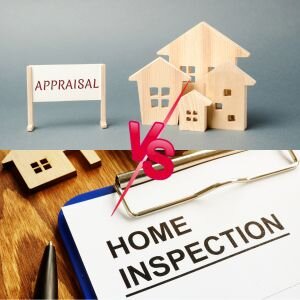
    A home appraisal is ordered by your mortgage lender to answer one question: what is this property actually worth on the open market? It’s a lender-required valuation that tells the bank they aren’t loaning more than the collateral is worth. The appraiser must be hired through a third-party management company to prevent conflicts of interest, a requirement under the Dodd-Frank Act passed after the 2008 financial crisis. Neither the buyer nor the seller gets to hand-pick who walks through the door.

    A home inspection is something else entirely. It’s a buyer-protection step where the inspector documents the condition of major systems and components so the buyer knows what they’re getting. Your inspector is working for you, not the bank. They look closely at the home’s electrical, plumbing, appliances, and structural systems to surface problems the buyer should know about before moving forward.

    To illustrate the difference: consider a home where the detached garage has been converted into a storage area. An appraisal might note the structure and move on. But an inspection of that same garage could catch faulty wiring, the kind that lenders flag immediately and that would affect a buyer’s financing. Two separate professionals, two separate findings, both necessary for a clean closing.

    So who pays? Both fees are typically paid by the buyer, but they serve different parties. Most lenders require the appraisal fee upfront, before the full loan approval process moves forward, so buyers need to have that cash ready earlier than they often expect. The inspection is usually scheduled after the contract is signed and paid directly to the inspector, sometimes within days of signing.

    One thing that gets missed in nearly every guide on this topic: if the deal falls through, the buyer usually has to pay for the appraisal anyway. Budget for both fees the moment your offer is accepted, not at closing.

    What Does a Home Appraiser Look For During an Appraisal?

    An appraiser typically spends one to two hours walking through a property, then produces a valuation that the bank relies on. You have no input into the number they arrive at.

    Appraisers review the square footage of the home and lot, the age and condition of the property, construction materials used, the general state of the local market, and any special features like a finished basement or updated kitchen. They’re building a profile of your property based on everything visible and verifiable.

    Comparable sales, what the industry calls “comps,” drive the appraisal. They’ll look at the neighborhood, nearby schools, and how the home compares to others recently sold in the area. Recent sales within a half-mile carry the most weight, particularly those from the past six months.

    While an appraiser won’t be as thorough as a home inspector, they will notice very obvious problems: peeling paint, a broken window, a visibly rotting deck. Those things go into the report. But the appraiser won’t flip breakers to test the electrical or run water in every sink. That’s not the job.

    One thing sellers consistently get wrong: they spend money on cosmetic improvements expecting it to raise the appraisal. A fresh coat of paint and a cleaned-up yard may make a home feel more presentable, but the appraiser is evaluating structural condition, functional systems, and comparable sales data. Cosmetic updates rarely move the number the way sellers hope.

    A low appraisal creates a real problem for buyers. If the appraisal comes in below the contract price, your mortgage lender won’t lend more than the appraised amount. You can pay cash to cover the gap, negotiate for a lower sale price, or decide not to move forward. The third option is why your contract’s appraisal contingency exists.

    What Does a Home Inspector Look For in a House?

    The home inspection is where the really expensive surprises tend to surface. Briefly, the appraiser glances at the roof. The inspector climbs up there.

    Who Pays the Fees for Appraisal and Inspection Memphis

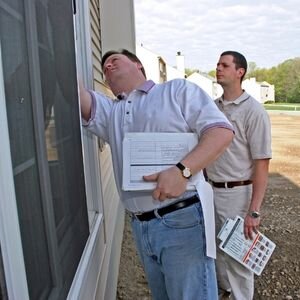
    A licensed home inspector goes system by system through the property. Inspections are thorough and intended to identify safety issues, maintenance needs, and other problems that affect livability or value. They’ll test appliances, HVAC systems, electrical systems, plumbing, and more, generating a report you can use directly in negotiations with the seller.

    That report can run from 20 to 60 pages. Every defect, every age-related concern, every deferred maintenance item gets logged. Buyers sometimes panic at the length, but a detailed report on a well-maintained home is completely normal. Length alone tells you nothing about severity.

    If an inspection reveals serious problems, such as a leaky roof, asbestos, or mold, the buyer can walk away from the deal or lower their offer. That’s due diligence at work. Inspection time is where you get real leverage in negotiations, or real confirmation that a property is solid.

    Most inspectors factor in square footage when pricing the job. A larger or older home costs more to inspect than a compact newer build, so a sprawling 1970s ranch will run noticeably higher than a modern townhouse.

    One pattern that shows up consistently: buyers who skip the inspection to save a few hundred dollars sometimes discover after closing that a repair would have cost them far more. The inspection fee is rarely the right place to cut corners. The American Society of Home Inspectors maintains a directory of certified professionals if you want someone credentialed rather than just a referral.

    Extra Home Inspection Services and Costs Buyers Should Know

    A standard home inspection does not cover everything, and that gap trips up buyers constantly. Here is what a general inspection typically leaves out and what each add-on costs:

    Add-on InspectionTypical CostWhat It Covers
    Roof inspection$150 to $300Shingles, flashing, gutters, and visible structural issues
    Electrical inspection$110 to $175Panel, wiring, outlets, grounding, code compliance
    Mold inspection$300 to $500+Air quality testing, hidden colony identification
    Termite and pest inspection$50 to $280Active infestations, damage, and entry points
    Sewer scope inspection$100 to $250Root intrusions, cracked or collapsed sewer lines
    Septic inspection$150 to $450Tank condition, drain field, and pumping needs

    The general inspection covers the visible and accessible systems inside the home. What it doesn’t touch: the septic system, well water, pool, radon levels, mold behind walls, asbestos, or sewer lines. Each of those requires a separate specialist, and each one costs extra.

    Mold testing surprises buyers the most. Standard inspectors might note visible mold but typically won’t test air quality or identify hidden colonies. A dedicated mold inspection can run several hundred dollars or more, depending on the home’s size. If you’re buying an older home or one that sat vacant, budget for it.

    Termite and pest inspections are in their own category. Termite inspections run $50 to $280, modest on their own, but termite damage repairs can run from $3,000 to $37,500. That math makes the inspection fee feel like cheap insurance.

    Sewer scope inspections are the add-on most commonly skipped and most worth including. Running a camera through the main sewer line costs roughly $100 to $250 and can reveal root intrusions, cracked pipes, or collapses that no surface inspection would catch. On homes built before 1970, it’s worth the cost every time.

    One thing worth noting about all these add-ons: the buyer pays for each of them. Sellers aren’t on the hook unless something gets negotiated into the contract after the inspection report comes back. If you’d rather skip the inspection negotiation entirely, We Buy Houses For Cash and can make you a direct offer with no repair requests or back-and-forth.

    How Much Does a Home Appraisal and Inspection Cost?

    Many sellers are caught off guard when the buyer’s lender quotes an appraisal fee before the loan can move forward, assuming it was already part of closing costs. It isn’t always, and the timing matters as much as the amount.

    Who Will Pay for the Appraisal and Inspection Memphis

    Home inspections typically cost around $343, with most buyers paying between $296 and $424, according to HomeAdvisor’s cost data (regularly updated at homeadvisor.com/cost). The average single-family home appraisal runs about $357, with a typical range of $314 to $423, per Angi’s 2025 cost data (angi.com/costs).

    Geography moves these numbers more than most buyers expect. Markets in lower cost-of-living regions tend toward the lower end, while higher cost-of-living areas run noticeably more. Urban markets pull both fees upward across the board.

    VA appraisals typically cost between $500 and $1,500, depending on the region and home size. Government-backed loans have stricter requirements and more detailed reporting standards, so the appraiser spends more time on the job.

    For a duplex, small apartment building, or investment property, budget more. Multifamily appraisals can run significantly higher than single-family.

    Between both fees, a buyer in most U.S. markets is looking at roughly $600 to $900 out of pocket before ever reaching the closing table. That’s real money that needs to be liquid, not sitting in savings earmarked for your down payment. If the traditional buying process feels like too much to manage, cash home buyers can offer a faster, simpler path without the upfront fee pressure.

    Are Home Appraisal and Inspection Fees Part of Closing Costs?

    These costs don’t always appear on the same invoice, which compounds the confusion. Here is a quick breakdown of how each fee is typically handled:

    • Appraisal fee: ordered by the lender and paid by the buyer upfront, weeks before closing day, usually non-refundable once the appraiser has completed the work
    • Inspection fee: paid directly to the inspector on the day of the walkthrough, before the report is handed over, and generally not bundled into closing costs
    • Add-on inspection fees: paid separately to each specialist at the time of service, entirely the buyer’s responsibility unless negotiated otherwise

    In a real estate transaction, the lender orders the appraisal and the homebuyer pays for it. It falls under the closing cost umbrella, but most lenders collect it upfront, weeks before closing day. Buyers need to be prepared for that expense early, unlike other closing costs settled at the end.

    The inspection is different. Home inspections generally aren’t bundled into closing costs, and you’ll need to budget for it separately. Most inspectors want payment the same day they complete the walkthrough, before handing over the report.

    If the appraisal fee comes into negotiation, the buyer can request that the seller pay it. This is rare in competitive markets but happens regularly when sellers are motivated or when the market has cooled.

    Financing contingencies typically allow buyers to cancel the deal and recover their earnest money deposit if they can’t obtain a mortgage, but the appraisal fee is usually non-refundable once the appraiser has completed the appraisal.

    The Consumer Financial Protection Bureau has a clear breakdown of closing costs and how each fee fits into the broader mortgage process, worth bookmarking before you sign anything (consumerfinance.gov/owning-a-home). If you have questions about how this works in a direct sale scenario, Ready Door Homes works with homeowners every day to find solutions that skip much of this complexity.


    Frequently Asked Questions

    Who pays for a home inspection and appraisal?

    In most cases, the buyer pays for both. That said, buyers aren’t always stuck with the bill. If the seller is motivated to close, you can ask them to contribute or cover one or both fees as part of the agreement.

    What will fail a home appraisal?

    An appraisal doesn’t technically “pass” or “fail” like an inspection, but it can come in below the contract price, which creates a financing problem. Visible safety hazards, severe structural damage, and major deferred maintenance all pull a value down. Government-backed loans like FHA and VA have stricter property condition requirements that can also hold up a sale.

    How much is an appraisal for a 2,000-square-foot house?

    For a typical 2,000 square foot single-family home, you’re likely looking at $314 to $423 in most U.S. markets, based on current Angi data. Your actual cost depends on your local market and your loan type. Rural locations or areas with few comparable sales tend to push fees higher, since the appraiser has to do more research to support the value.

    Why are buyers waiving appraisals?

    Financed buyers can’t waive the appraisal itself, since the lender requires it, but they can waive the appraisal contingency, meaning they agree to cover any gap between the contract price and the appraised value out of pocket. In competitive markets, buyers waive the contingency to make their offer stronger. This is risky if appraisals tend to come in below contract in your area; only do it if you have strong cash reserves and solid comparable-sales support. Cash buyers can skip the appraisal entirely since no lender is involved.


    The appraisal and inspection process protects buyers, but for sellers it can mean fees, negotiations, and unexpected delays. If you want certainty over complexity, Ready Door Homes buys properties directly with no contingencies and no repair requests. Get your cash offer today or contact us with any questions.

  • Can You Sell A House That Failed Inspection In Tennessee? A Complete Guide For Homeowners

    Can You Sell A House That Failed Inspection In Tennessee? A Complete Guide For Homeowners

    The short answer is yes. A failed home inspection doesn’t legally prevent a sale in Tennessee, and it doesn’t mean your only option is an expensive repair project. Understanding your choices and the legal obligations that come with them puts you in a much stronger position.

    Tennessee Home Inspection Laws and Standards Every Seller Should Know

    Selling a House That Didn’t Pass Inspection in Tennessee

    Tennessee created its Home Inspector Licensing Program in 2005, requiring all inspectors to be state-licensed and to follow the Tennessee Home Inspection Standards of Practice (0780-5-12-.10). Inspectors look for specific safety hazards and functional failures, not cosmetic imperfections or personal preferences. Technically, Tennessee has no official “failed inspection” designation. What actually happens is the inspector identifies concerns serious enough that the buyer requests repairs, negotiates a price reduction, or walks away.

    Visual-only assessments have real limits and can’t catch problems hidden behind walls or showing no outward signs. Tennessee’s climate creates predictable inspection patterns: moisture intrusion from humid summers, outdated wiring in older Memphis, Nashville, and Knoxville neighborhoods, foundation settling in Middle Tennessee’s clay-heavy soil, and storm-related roof damage that homeowners often don’t notice until an inspector flags it.

    Tennessee Seller Disclosure Requirements After a Failed Home Inspection

    Once you receive an inspection report, your legal situation changes. Under the Tennessee Residential Property Disclosure Act (T.C.A. § 66-5-201 to 210), sellers of residential property must disclose known defects, including anything revealed by an inspection. Failure to do so can void a contract and expose you to legal liability.

    The law doesn’t require you to hire an inspector or investigate independently. But once you know about a problem, you’re obligated to disclose it to every subsequent buyer, not just your current one. If a deal falls through after an inspection, those findings follow the property.

    Tennessee courts have addressed cases where sellers claimed no knowledge of defects later discovered by buyers. In those disputes, the determination often comes down to circumstantial evidence and credibility. A seller who received a detailed inspection report but claimed ignorance of its contents is in a difficult legal position. Disclosure isn’t just a legal formality; it’s the foundation of a defensible sale.

    When documenting your disclosures, make sure to retain:

    • Copies of the full inspection report and any re-inspection reports
    • Written contractor estimates for flagged repairs
    • Emails or texts with buyers, agents, or contractors discussing known defects
    • Any permits pulled for previous repair work on the property

    This paper trail demonstrates good faith and limits your liability later.

    Can a Seller Refuse Repairs After a Home Inspection in Tennessee?

    Options for Selling a Home That Failed Inspection in Tennessee

    Yes, a seller in Tennessee can legally refuse to make any repairs after a home inspection. No state law requires sellers to fix items identified in an inspection report. Tennessee law draws a clear line between disclosure and repair. Sellers must disclose known defects but are not required to remedy them before selling. The only exceptions arise when a lender’s requirements make certain fixes a condition of financing. FHA and VA loans require properties to meet minimum condition standards before approval, while cash buyers and conventional loan buyers give sellers much broader flexibility to negotiate on price and terms alone.

    That said, refusing repairs doesn’t mean the transaction continues on the seller’s terms by default. A flat rejection with no alternative offer often triggers contract termination. More effective approaches include offering a closing credit, reducing the sale price, or agreeing to fix only the items required by the buyer’s lender while declining the rest. Each approach gives the buyer something to work with while limiting your out-of-pocket exposure before closing.

    How to Sell a House That Failed Inspection in Tennessee: Four Options

    Tennessee sellers dealing with a failed inspection have more paths forward than most people realize. The right choice depends on your timeline, the severity of the problems found, and how much flexibility you have on price. Each option involves a different set of trade-offs, and understanding them before making a decision can save you significant time and money.

    Make the Repairs and Relist

    This makes sense when the inspection revealed limited, well-defined problems and your local market supports the investment. It typically produces the highest sale price but involves contractor coordination, permit delays, and carrying costs during the repair period. Best suited for sellers with time, budget, and a property in a competitive market.

    Before committing to this path, get at least two contractor quotes for every major item on the inspection report. Repair costs in Tennessee vary significantly depending on location, contractor availability, and material costs. What a Nashville contractor quotes for foundation work may differ considerably from what the same job costs in Chattanooga or Clarksville. Knowing your actual numbers before deciding prevents costly mid-project surprises.

    Negotiate with Your Current Buyer

    You’re not obligated to fix anything, but your buyer isn’t obligated to proceed either. A price reduction or closing credit can keep the deal together without the hassle of managing repairs yourself. This only works if the buyer’s financing allows it. FHA and VA loans have strict property condition requirements and won’t fund purchases on homes with major safety or structural deficiencies.

    When negotiating, focus on the items that matter most to the buyer’s lender rather than every line on the inspection report. Buyers sometimes present a full inspection list as a negotiating document when in reality only two or three items are deal-breakers for their financing. Understanding the difference between what the buyer wants fixed and what their lender requires gives you a clearer picture of your actual exposure.

    Sell As-Is on the Open Market

    Listing a house that needs repairs as-is attracts investors, flippers, and cash buyers who actively seek distressed properties. You’ll likely price below comparable move-in-ready homes, but you avoid repairs entirely. Be transparent about known issues in your listing, because buyers will discover them in due diligence anyway, and surprises kill deals.

    Marketing an as-is property effectively requires a different approach than a standard listing. Lead with the property’s potential rather than its problems. Highlight location, lot size, layout, and any features that remain in good condition. Investors evaluate purchases on numbers, so including repair estimates in your listing materials helps them move faster and make stronger offers. The easier you make the math for a buyer, the quicker you get to closing.

    Sell Directly to a Cash Buyer or Investor

    This route prioritizes speed and certainty over maximum price. Working with a company that buys houses in Tennessee means you aren’t subject to lender property condition requirements, so you can close on homes traditional financing won’t touch. Closings typically happen in two to four weeks. The trade-off is a lower offer, since investors need to price in repair costs and profit margin. For sellers facing time pressure, this option frequently makes the most financial sense once carrying costs are factored in.

    Cost of Fixing Inspection Issues vs. Selling As-Is in Tennessee

    Repair costs in Tennessee vary widely by problem type. What sellers often underestimate is carrying costs during repairs: mortgage, insurance, utilities, and property taxes continue accruing while work is completed. In higher-cost markets like Nashville, that can add $3,000 to $5,000 per month. A two-month repair and relist cycle adds $6,000 to $10,000 before you’ve sold anything.

    Repair TypeTypical Cost RangeAvg. Time to Complete
    Electrical upgrades$1,500 to $3,0001 to 2 weeks
    HVAC repair or replacement$5,000 to $15,0001 to 3 weeks
    Foundation work$10,000 to $30,000+4 to 8 weeks
    Roof repair or replacement$5,000 to $20,0001 to 2 weeks
    Mold remediation$2,000 to $10,0001 to 3 weeks

    Selling as-is eliminates these ongoing costs entirely. A lower offer price doesn’t always mean a worse financial outcome once carrying costs are factored in. A seller who nets $10,000 less on an as-is sale but closes in three weeks may come out ahead of one who spends $8,000 on repairs, waits two months, and still negotiates a price reduction at closing.

    How to Price a Tennessee Home with Failed Inspection Results

    Can Homes Be Sold After Failing Inspection in Tennessee

    Don’t price a home with inspection issues against move-in-ready comparables. Instead, research recent as-is sales in your area and adjust from there. FHA and VA buyers are locked out of homes with unresolved safety issues, which narrows your pool to conventional buyers, cash buyers, and investors. A smaller buyer pool means more pricing pressure, so knowing your likely buyer type before setting a price matters as much as knowing your repair costs.

    Buyers purchasing distressed properties expect a discount beyond the estimated repair cost, compensating for contractor coordination time and the risk of discovering additional problems. A home needing $15,000 in repairs might realistically need to be priced $20,000 to $25,000 below comparable homes in good condition. Pricing too high only compounds the problem, as longer days on market signal distress to subsequent buyers and become its own negotiating disadvantage. If you’d rather skip the pricing guesswork entirely, you can sell your house fast in Memphis, TN, and across other Tennessee markets without going through a traditional listing process.

    How Failed Inspections Affect Home Value in Tennessee

    A failed inspection doesn’t just complicate the current sale. It has a measurable impact on what your property is worth in the eyes of every buyer who encounters it. Understanding that impact helps you make smarter decisions about pricing, repairs, and timing.

    Buyer Perception Narrows Your Pool

    Even when problems are disclosed and priced into the listing, many traditional buyers associate a failed inspection with uncertainty. They worry about what else might be wrong beyond what’s already documented. That perception puts downward pressure on offers, often beyond what the actual repair costs would justify, and reduces the number of serious buyers willing to engage with the property at all.

    Problem Type Determines Value Impact

    Cosmetic issues have minimal effect on appraised value. Functional problems like a failing HVAC or outdated electrical panel reduce value in direct proportion to repair costs. Structural and foundation issues carry the heaviest impact, often reducing perceived value beyond the actual repair cost because they signal ongoing risk. In Tennessee markets with clay-heavy soil, foundation problems are particularly sensitive because buyers and appraisers know how recurring they can be.

    Days on Market Compounds the Problem

    A home that sits after an inspection failure signals distress to subsequent buyers even when issues are fully disclosed. Each week without an accepted offer reinforces the perception that the property is problematic or overpriced. Sellers who act decisively, whether by making targeted repairs, adjusting price quickly, or pivoting to the as-is market, protect their position better than those who wait. In Tennessee’s current market, hesitation on a problem property carries a real cost.


    Frequently Asked Questions

    What Are the Biggest Inspection Red Flags in Tennessee?

    Foundation and structural problems top the list. They’re expensive, they signal potential ongoing issues related to soil or drainage, and they often prevent mortgage financing. Electrical safety hazards and HVAC system failures also rank high due to habitability and cost concerns.

    What Makes a House Hard to Sell in Tennessee?

    Homes become difficult to sell through traditional channels when major safety hazards are present, when structural damage is extensive, or when problems prevent buyers from obtaining financing. Even severely damaged properties typically have a market among cash buyers and investors willing to take on renovation projects. The key is appropriate pricing.

    When Is the Hardest Month to Sell a House in Tennessee?

    December and January see lower buyer activity statewide. Seasonal slowdowns affect traditional buyers more than investors and cash buyers, who operate year-round and aren’t driven by the spring buying cycle.


    Selling a house that failed inspection comes down to three decisions: how much time you have, how much you’re willing to spend, and how certain you need the outcome to be. Repairs maximize price but cost time and money upfront. Negotiating a credit keeps deals moving but depends on buyer flexibility and financing. Selling as-is trades some proceeds for speed and certainty. None of these is the wrong choice universally. The right one depends on your specific situation. If you’re ready to explore your options, Ready Door Homes works with Tennessee homeowners in exactly these situations, and you can contact us to get a straightforward conversation started with no pressure or obligation.