Category: Repair/Rehab/Fix

  • Should You Replace Your Roof Before Selling Your House

    Should You Replace Your Roof Before Selling Your House

    Three roofers came out, and you’ve got three bids. Not one of them is under five figures. That’s where the question of whether to replace your roof before selling usually starts, with a folder of estimates bigger than anything you’ve spent on the house at one time. I’ve bought houses with 30-year-old roofs. I’ve also bought houses where the shingles went on the month before we closed. The gap in what I paid was never the price of the roof itself.

    Should You Replace Your Roof Before Selling Your House?
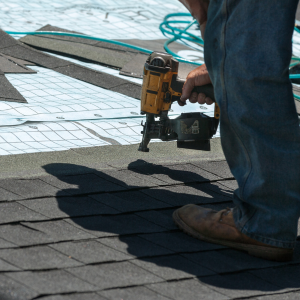
    Replace Roof Before Selling a House Memphis

    The answer hinges less on your shingles and more on who ends up buying the place. I’ve watched that pattern repeat across dozens of houses I’ve bought. A financed buyer brings a lender and an insurance carrier into the picture, and both have opinions about roof age. A cash buyer brings neither. In August 2026, all-cash sales made up 27 percent of existing-home sales nationwide, so that second path isn’t rare. If you’d like to know who’s behind the offer before you pick a path, you can read about our company first.

    Lenders don’t all draw the line in the same spot. FHA loans are tougher on roof condition than most conventional financing, and insurers in storm-prone regions often set their own age limits. I’ve seen sales stall over this exact question. Your loan officer or a local agent can tell you where the line sits in your zip code.

    The market matters here too. NAR reported a median existing-home price of $429,100 in August 2026, up 1.6 percent from a year earlier. Homes sat a median of 31 days on the market. Supply hit 4.9 months, the highest level in over ten years. With more homes to choose from, buyers can afford to be picky, and a tired roof hands them an easy reason to pick the house down the street.

    Timing trips people up more than cost does. A crew can often tear off and re-shingle a typical house in one to three days. Getting on a good roofer’s calendar in spring is another story. Add permit delays and rain days, and a project you thought would push your listing back a week can shove your sale into a slower season. That shift can cost you more than the materials ever would.

    Why Is the “Always Replace” Advice Costing You Money?

    Blanket advice to replace the roof before listing is lazy, and it usually comes from someone who isn’t writing the check.

    You pay a roofing contractor in full, right now, in cash or on credit. You get it back later, if you get it back at all, buried inside a sale price you can’t pick apart. Meanwhile, the mortgage keeps running. Freddie Mac put the average 30-year fixed rate at 6.67 percent in August 2026, per that same NAR release. Every extra month of carrying a house you’re trying to leave adds up.

    Not long ago I bought a house in Cordova, Tennessee, from an out-of-state heir. She’d been quietly covering two mortgages for almost a year. She got roofing bids twice and froze both times. When we walked it on a Saturday, a boat trailer still sat in the garage. There was a ceiling stain in the back bedroom she’d been afraid to show anybody.

    Her math had stopped being about the roof somewhere around month four.

    I keep running into that. Sellers treat the roof as the obstacle when the real drain is time. Maybe you’ve inherited a property, or you’ve got a job transfer, or you can’t keep heating the place through another winter. A direct sale to a local buyer like Ready Door Homes takes the repair question off the table. There’s no contractor to schedule and no permit to pull, and nobody’s waiting on dry weather.

    A new roof also can’t fix a bad floor plan or a price set 8 percent too high. I’ve watched sellers spend heavily on roofing and still sit unsold, because the roof was never what held them back. Find out why buyers would hesitate before you assume, like I once did, that the problem is overhead.

    Does a New Roof Really Increase Home Value?

    I’d put it this way over coffee at your kitchen table. Yes, it adds value. No, it won’t hand all your money back.

    Zonda’s 2025 Cost vs. Value Report came out in September 2025. It pegged a national average asphalt shingle replacement at $31,871, with about $21,501 showing up in resale value. That’s roughly 68 cents back on every dollar. Metal roofing averaged $51,865 and got back about 50 percent.

    Why the gap? Buyers treat a sound roof as the baseline. Nobody pays extra for a house that keeps rain out, though they’ll happily subtract for one that might not.

    NAR’s 2025 Remodeling Impact Report gave new roofing a perfect 10 on its Joy Score, a measure of how happy a project makes the owner. Joy is lovely. It doesn’t close escrow.

    Where a new roof earns its keep is in removing friction. Appraisers stop flagging deferred maintenance. Insurance comes back clean, and financing moves without a repair addendum stapled to it. On a house that’s otherwise sharp and priced right, that can be worth more than the recoup number suggests. Your buyer pool widens and your closing date holds.

    Now picture a house that needs a kitchen, two bathrooms, and a furnace. A pristine roof just sits on top of a project. Investors will still price the rest of the work, and retail buyers will still walk. Spending $30,000 up there to compete with homes that need none of it is a move I’d argue against nearly every time. If that sounds like your house, you can sell your house fast in Bartlett, TN without taking on any of that work.

    What Do Buyers Really See When They Look at Your Roof?
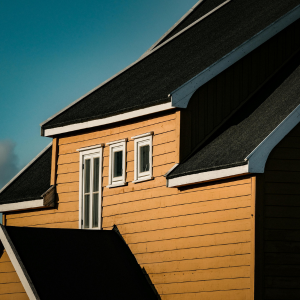
    Should You Replace Your Roof Before Selling Memphis

    Miss this, and your listing goes stale. Then you cut the price by more than a roof would have run you. Price cuts stack up in a buyer’s mind, and a house that’s been sitting reads as a house with something wrong.

    Most buyers can’t tell a 12-year-old shingle roof from a 22-year-old one. They notice color, texture, and the line of the ridge. Dark algae streaking down the north slope looks like neglect, even when the shingles have a decade left. A sagging ridge looks structural, and that scares people off fast.

    What does your ridge look like from across the street? Go stand on the far curb and look back for a minute. That’s the view in the listing photos. More and more, it’s a drone shot that puts every mismatched patch on display.

    Mismatched repairs do more damage than honest wear. Three-tab squares tucked into an architectural shingle field tell a buyer money’s been tight. So do curled edges, bald spots where granules have washed off, and rusted flashing at the chimney. I spot these from a phone screen before anyone books a showing.

    Clean gutters and a moss-free surface go further than sellers expect for the cost. A soft wash and a few matching replacement shingles can move a roof from “worrying” to “fine” for a few hundred dollars.

    Wood shingle roofs are their own conversation. In fire-prone counties, insurance can be hard to find, so buyers ask about roofing material before they ask about square footage. If you’ve got cedar shingles in a high-risk area, talk to an agent who’s sold homes on your street in the past year. Do that before you decide replacement is optional.

    What Does the Inspection Report Really Tell Buyers?

    Inspectors rarely write “needs a new roof.” They describe condition, note what they couldn’t reach, and suggest a specialist when something’s past their scope. The report says something closer to “moderate granule loss observed, evidence of prior repair at the south valley, remaining service life limited.” That line doesn’t name a price, and that’s the whole problem.

    Buyers fill the blank with the scariest number they’ve heard. Their agent fills it with a bid from a contractor who’d love to sell a full tear-off. A $2,800 flashing and valley repair turns into a $25,000 concession request in one email thread.

    Getting a licensed roofing contractor up there before you list changes that. You hand buyers a written scope with a real number instead of letting them invent one. A roof certification often runs $75 to $200, which is a small cost next to a guess.

    Inspectors open the attic hatch too, and they know what to look for. Water stains on the decking, daylight at the sheathing seams, flattened insulation under a leak path: none of it shows from the driveway, and all of it lands in the report. If you already know a stain is up there, disclose it. Buyers forgive known problems far more easily than ones they find on their own.

    Second layers matter as well. If someone shingled over the original roof years ago, the inspector will note it. Under the International Building Code, a roof that already has two layers can’t take a third, so the next re-roof means a tear-off down to the deck. Sellers who don’t know their layer count get blindsided in negotiations. A contractor can check at the drip edge or from the attic in a few minutes.

    Is a Partial Roof Fix the Smarter Middle Ground?

    A seller I worked with had one bad slope. It faced south, took the sun all day, and had shingles curling at every edge. The other three planes had years left, so she replaced that one section and sold two weeks after listing.

    Agents underuse that move. Roofs don’t fail evenly. Buyers react to what they can see and what the inspector flags, and nobody checks whether every plane has the same install date.

    Targeted work covers a lot: new flashing at the chimney and skylights, a valley replacement, decking repair under a soft spot, a ridge vent fix. Installing asphalt shingles ran about $5.21 to $6.82 per square foot nationally in September 2026, according to Homewyse. Redoing 400 square feet instead of 2,400 is a very different cost.

    Two cautions come with this. Matching shingles on a 15-year-old roof is hard, and a bright new patch beside faded field shingles can look worse than the wear did. Ask your contractor to carry the new section to a natural break, like a full plane or a hip, so it looks planned.

    Code is the other thing to watch. Older model codes let you reroof up to 25 percent of a roof without meeting current standards, and the NRCA notes that exemption left the IBC and IRC in 2003. Florida kept its own version, the well-known “25 percent rule,” and eased it in 2022 for roofs built to the 2007 code or later. Small repairs in matching material are usually treated differently from a reroof. Your local permit office can tell you which code edition it enforces and whether local amendments apply.

    Buyers also like seeing repair receipts at the closing table. Keep the invoice, the warranty papers, and a few photos of the work in progress.

    Can a Roof Replacement Give You Leverage in Negotiations?
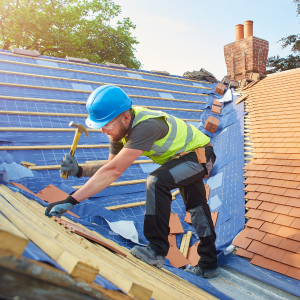
    Roof Replacement Before Selling Your House Memphis

    Sellers put on a new roof picturing a buyer who pays full asking and asks for nothing. Then the offer comes in at least $9,000 under asking, because the water heater’s from 2009 and the buyer wants closing costs covered. The roof bought goodwill. It didn’t buy immunity. If you’d rather skip that second round of haggling, you can sell your house as-is in Collierville, Tennessee, and leave the water heater where it is.

    Leverage comes from scarcity and from a buyer’s fear of losing the house. A recent roof helps only when the competing listings nearby have older ones. Pull up three or four comparable properties and check their roof age. If half the block re-roofed after the last hail storm, yours is table stakes and buys you no extra room.

    A new roof does hold the line on repair credits. Buyers negotiate twice, once on price and again after the inspection comes back. Taking the biggest line item out of that second round protects real money, especially with today’s supply giving buyers room to push.

    It can work the other way too. Price the house fairly for its roof condition, say so in the listing, and you draw buyers who’ve already accepted the trade. Those sales hold together. The ones that fall apart are usually the ones where the seller hoped nobody would look up.

    A seller in Southaven, Mississippi, called me on a Tuesday last spring. She’d just moved her father into assisted living. His roof had two layers, and a chest freezer was still humming in the garage, full of venison from three seasons back. She didn’t want a contractor or a listing, and she didn’t want a stranger’s opinion about shingles. She wanted the house handled while she was handling him. We closed in under three weeks, and she took the freezer.

    If that sounds closer to your situation than a roofing bid does, Ready Door Homes buys houses in as-is condition, roof included.

    Frequently Asked Questions

    What Shouldn’t You Fix Before Selling Your House?

    Skip cosmetic upgrades that reflect your taste instead of your buyer’s, like new countertops, bold paint, or a landscaping overhaul. Half-done projects are the worst, since a half-remodeled bathroom reads as unfinished work. Fix safety items, active leaks, and anything that will block financing. Leave the rest for the buyer to choose.

    Does a 20-Year-Old Roof Have to Be Replaced?

    Not automatically. Asphalt shingle roofs usually last somewhere between 15 and 30 years, depending on climate, attic ventilation, and how well the original install went. A 20-year-old roof in a mild climate with good airflow can have years left. The same roof in hot desert sun or after a couple of hail seasons may be done sooner. What matters for a sale is condition: granule loss, curling edges, soft decking, and active leaks. A roofer can tell you which category yours falls into, and many will look for free.

    Will a Buyer’s Lender Refuse to Finance a House with an Old Roof?

    Conventional lenders mostly care about leaks and structural soundness more than age. FHA is stricter. Its rules call for a roof that keeps moisture out and has at least two years of remaining physical life. VA doesn’t set an age limit, though the roof has to keep water out and offer reasonable future use. If an appraiser flags the roof, the loan usually can’t close until it’s repaired or cleared, and sellers often pay that bill. A cash buyer doesn’t bring those rules, which is why as-is sales often move faster when the roof is the sticking point.

    How Much Value Does a New Roof Actually Add to a Home Sale?

    It adds value, though you’ll rarely get the full cost back. The return is better when the old roof was failing, because you’re removing a reason buyers walk away. It’s weaker when the old roof was just aging, since buyers seldom pay extra for new over functional.

    Can You Sell a House with a Leaking Roof?

    Yes, though fewer buyers will be in the running. Disclose the leak and expect financed buyers to hesitate or ask for credits. Investors and cash buyers will price the leak into their offer without much drama. Patching an active leak before listing is usually worth it even if you skip a full replacement. Water stains on a ceiling make buyers imagine something far worse than what’s going on above them.

    If you’re weighing a roofing bid against just being done with the house, it costs nothing to see what an as-is offer looks like before you sign with a contractor. Reach out when you’re ready. If the numbers don’t work for you, no hard feelings. Everything you need to get in touch is on our contact us page.

  • Selling A House That Needs Repairs In Tennessee: Your Complete Guide To Profitable As-is Sales

    Selling A House That Needs Repairs In Tennessee: Your Complete Guide To Profitable As-is Sales

    Tennessee had 36,662 active listings in August 2026, up from 33,409 a year earlier and 26,435 two years before, per Realtor.com data tracked by the St. Louis Fed. The median Tennessee listing sat 66 days, against 50 days in August 2024. Houses with a soft floor by the tub sit longer than that. They get picked apart at inspection, and by the third price cut, the seller nets less than the first as-is offer.

    I’ve bought homes across Tennessee in every condition you can picture. Selling a house that needs repairs in Tennessee rarely costs you money because of the repairs themselves. It’s a mismatch between the house, the price, and the kind of buyer who can close on it.

    Where to Start When Your Tennessee House Needs Repairs

    “Do I have to fix everything before anyone will make an offer?” No. A fixer-upper gives you three paths, each costing you something different. Renovate and list at retail. List as-is and let the market price the work. Or sell directly to a buyer who takes the property as it stands.

    Renovating pays when your budget is real, your contractor is booked, and you can carry the mortgage, taxes, and insurance while the work drags. That last part sinks people, because a kitchen job quoted at six weeks lands at eleven.

    Three siblings in Bartlett called me after one got a job transfer with five weeks to be out. Their late mother’s house had a chest freezer no one had opened since before the funeral, plus a roof carrying two layers of shingles. They didn’t need top dollar, just a closing date they could plan around.

    Deciding well starts with numbers, not feelings. Get an as-is cash offer, a real estate agent’s opinion of value after repairs, and one honest contractor bid. Three data points beat a gut call every time.

    You don’t owe this house another dollar before you find out what it’s worth as it sits, and Ready Door Homes can help you get that answer.

    Should You Fix It Up or Sell As-is?

    “I’d be leaving money on the table selling as-is.” Maybe you would. Run the whole equation first, because the renovation column holds more lines than most budgets show. Materials, labor, permits, loan payments during construction, and the vacancy premium your insurer tacks on.

    Selling a House That Needs Work in Tennessee

    Cosmetic work often pays: fresh paint, new lighting, and cleaned-up landscaping cost a few thousand and can move a sale price by more. Structural and mechanical work is where sellers lose money. Spending twenty thousand on a roof and furnace right before you list rarely returns twenty thousand. Buyers treat working systems as the baseline, not a premium feature.

    A middle option people skip: fix only what blocks financing, then price for the condition of the rest. Someone using an FHA loan can’t close on a dead heating system, though ugly cabinets and worn carpet are fine. Plenty of sellers ask about skipping that step entirely, and selling a house as-is without an inspection in Tennessee comes with its own rules.

    Sell as-is when the repair list runs into structure, when the house is vacant and burning cash, or when your timeline is short. Ready Door Homes exists for that. No renovation is worth a payment you can’t make.

    What Repairs Are Tennessee Buyers Worried About?

    No one walks away over a dated backsplash. They walk over a brown ring on the ceiling, because that stain could be a leaky supply line or a rotted roof deck, and nobody can tell which from your hallway.

    Water scares buyers more than anything else on an inspection report. Roof leaks, bad grading, a wet crawlspace, and a failed water heater. All of it reads as “what else is hiding?” Crawlspaces matter more here than sellers expect, since so much of Tennessee’s older housing stock sits on one. Foundation cracks come second, and they frighten people far past the repair cost. Then, electrical: knob-and-tube wiring, a Federal Pacific panel. If cracks are the issue at your place, here is how to sell a house with foundation issues in Tennessee without guessing at the repair bill.

    Financing puts hard edges on this. FHA appraisers work from HUD’s minimum property requirements, which call for a roof with at least two years of remaining physical life. Fall short and the appraiser documents it, often with repairs attached as a loan condition. Peeling paint on a pre-1978 home gets flagged, too.

    USDA guidance runs the same way, and it reaches a lot of rural Tennessee. Required repairs are limited to what protects the health and safety of occupants and preserves the property’s continued marketability, per Rural Development’s dwelling requirements.

    Know which of your issues block financing and which are just ugly. That distinction changes who can buy your fixer-upper, and what it’s worth.

    Which Home Improvements Matter Most Before You List?

    Get this backward, and you’ll spend thirty thousand dollars to raise your sale price by twelve. I watch it every spring, when someone remodels a kitchen to their own taste, lists high, then discounts twice because buyers wanted the roof fixed.

    The most recent Cost vs. Value report from Zonda lands where the last several did. Small exterior replacements beat big interior projects. Garage door replacement led every category at roughly 268 percent of cost recouped, a steel entry door around 216 percent. Neither is glamorous, and I’ve watched buyers judge a whole house from the front door.

    Every improvement you skip is money that stays in your pocket at closing, so contact Ready Door Homes before you spend a dime on this house.

    How Do You Price a Home That Needs Repairs?

    An overpriced fixer-upper is the most expensive listing in real estate. Every week it sits teaches the market that something’s wrong, and buyers start their offers below your last reduction.

    Measure your own days on market against that 66-day Tennessee median honestly. At a hundred days with no offers, your price is the problem, not the season, and not the photos.

    Price from the repaired value down, and make the discount bigger than the repair estimate. A buyer taking on the work wants to be paid for the risk and months of not living there. Match the price to a pool that can close: cash buyers and rehabbers at the rough end, FHA 203(k) borrowers in the middle, conventional buyers once the systems work. In Shelby County that pool starts with cash home buyers in Collierville, TN and the towns around it.

    What Are Your Options to Sell a Home Quickly in Tennessee?

    Not every cash offer comes from someone who intends to own your house. Wholesalers put properties under contract, then assign that contract to a third party for a fee. Tennessee tightened this in 2025. Under Tenn. Code Ann. 66-4-403, a buyer who plans to wholesale has to tell you in writing, in bold, large print inside the agreement, that they intend to market their equitable interest. You’re owed three business days’ notice before any assignment takes effect, and a harmed party has two years to sue. Ask any buyer whether they’re buying or assigning.

    A local investor can close fastest, often in one to three weeks, with no repairs, no showings, no financing contingency. You trade some price for speed. That makes sense when the property is vacant, when probate has dragged on, or when the repair bill runs past what you can float. Ready Door Homes buys in this lane, and a written offer costs nothing.

    Auctions can work for unusual properties with land value, though reserve prices and buyer premiums complicate the math.

    Then there’s the hybrid: list with an agent, but set a firm date to accept a backup as-is offer if nothing materializes. That’s market exposure with a floor under you. And if your house sits just over the state line, we buy houses for cash in Southaven, MS, on the same terms.

    Speed is worth something, and so is knowing who you’re actually selling to, so get both in writing from a cash for houses company in Tennessee.

    How Do You Market a Fixer-upper the Right Way?

    One listing I followed showed eleven photos, six of a stained ceiling and a trash bag. Relisted with the junk hauled off and the lights on, it drew four showings in a weekend.

    Selling a House in Need of Repairs in Tennessee

    Presentation isn’t about hiding anything; it’s about proving the place is safe to walk through. Sweep it, kill the smell, replace the dead bulbs.

    Photograph the honest condition, then the potential beside it. A wide shot of a big backyard, a detached garage, or an oversized lot beats another angle of the worn kitchen.

    Write the description for the audience who’ll buy it. Phrases like “solid bones” and “bring your contractor” filter out buyers who’d waste your time. Include the year of the roof, the age of the HVAC, and the square footage. Rehabbers scan those lines first.

    Put the disclosure packet and inspection report in the MLS documents section. Distressed sales were just 2 percent of transactions nationally in August 2026, so most agents rarely handle one.

    What Disclosure Rules Do Tennessee Home Sellers Need to Know?

    Signing an as-is contract sounds like it closes the book on condition, and in Tennessee, it doesn’t.

    The Tennessee Residential Property Disclosure Act starts at Tenn. Code Ann. 66-5-201, and 66-5-202 gives you two options. Hand the buyer a Residential Property Disclosure Statement covering the condition and any known defects. Or, where the buyer waives that, a Residential Property Disclaimer Statement saying you make no representations, and the buyer takes the place as is. Either one has to reach the buyer before the contract is accepted, under 66-5-203.

    Two things in that law surprise sellers. You don’t have to run an independent investigation to fill out the form, and under 66-5-204, you’re not liable for an error you had no actual knowledge of, as long as you weren’t grossly negligent. Tennessee isn’t asking you to become an inspector, just to be straight about what you already know.

    Now, the part that matters most in a distressed sale. Failing to hand over the form doesn’t let a buyer cancel, and 66-5-208 says it doesn’t create a cause of action on its own. That same section still preserves every remedy for an owner’s intentional or willful misrepresentation. As-is language will not cover a lie. A claim there runs one year, counted from the date the buyer got the disclosure statement or the date of closing, whichever comes first.

    Plenty of fixer-upper sales skip the form entirely. Section 66-5-209 lists twelve exempt categories, and these come up constantly: court-ordered transfers, foreclosure sales, a fiduciary administering an estate, a divorce decree, and any sale where the owner hasn’t lived there in three years. That last one covers a lot of inherited houses and tired rentals. Exempt doesn’t mean silent, though, because fraud claims live outside the disclosure act. If you are the one administering that estate, here is how to sell an inherited house in Memphis, TN.

    One Tennessee quirk worth knowing: under 66-5-207, you don’t have to disclose a death, homicide, felony, or suicide at the property, as long as it had no effect on the physical structure.

    Federal law still stacks on top. For homes built before 1978, the EPA’s lead-based paint disclosure rule requires you to disclose known lead-based paint and hazards. You also hand over any reports you have, plus the EPA’s “Protect Your Family from Lead in Your Home” pamphlet. Buyers get a ten-day window to run a lead inspection, and sellers keep the signed disclosures for three years. Under 24 CFR Part 35, a knowing violation exposes a seller to triple the buyer’s damages.

    Line Up Price, Paperwork, and Timeline

    That same candor speeds the sale up, because sales die from surprises more often than from problems. A buyer who learns about the sewer line in week one negotiates. The one who finds out in week five walks.

    Selling a House That Needs Repair in Tennessee

    Sort out title first: unpaid property taxes, contractor liens, an heir who never signed off, a divorce decree no one recorded. Title problems take longer to fix than roofs, and they surface at the worst moment.

    Keep the utilities on, because appraisers can’t test what isn’t running, and lenders on government-backed loans flag a shutoff. Call your insurer, too, since most homeowners’ policies change terms once a house sits vacant.

    Know your closing math first. Tennessee charges a realty transfer tax of $0.37 per $100 of value under Tenn. Code Ann. 67-4-409, customarily the buyer’s line item. Ask for two numbers: what an agent thinks you’d net after commissions, concessions, repairs, and carrying costs, and what a direct buyer pays today. Some who call Ready Door Homes end up listing instead, and that’s a fine outcome. Before you set that number, check whether a seller pays closing costs in Tennessee.

    What’s your actual deadline? Not the ideal date, but the real one, the day the estate settles or the mortgage goes delinquent. Build backward from it.

    What I Got Wrong About Repairs and Resale Value

    A seller named Carla once asked why her fresh paint job hadn’t raised a single offer. I used to believe that painting before listing was always essential, and I was wrong. On a house needing a roof and a panel upgrade, paint just delays the listing and drains the budget.

    Bathrooms surprised me, too. In the latest Cost vs. Value data, a midrange bathroom remodel recouped about 80 percent of its cost, well ahead of a kitchen gut job. Every dollar sunk into a big interior remodel still comes back as less than a dollar.

    One more correction: I used to assure sellers that investors would always be circling. Individual investors and second-home buyers accounted for 15 percent of transactions in August 2026, down from 21 percent a year earlier, with Freddie Mac putting the average 30-year fixed rate at 6.67 percent. Fewer rehabbers are bidding, and the ones still active hold firmer on price.

    A man in Millington called on a Wednesday afternoon. He’d inherited a duplex he never wanted, and collecting the rent had worn him down. His last tenant left paint cans and a broken mower in the carport. He wasn’t chasing the highest number; he wanted out before winter, and we closed in seventeen days.

    Fewer buyers are circling than last year, which makes a firm offer from Cordova cash buyers and others across West Tennessee worth more than a hopeful list price.

    Frequently Asked Questions

    Is It Hard to Sell a Home That Needs Repairs in Tennessee?

    Harder than selling a move-in-ready home, but a fixer-upper is routine work for the right buyer. Your pool shrinks because government-backed loans carry condition standards, so you’re mostly selling to cash buyers, rehab-loan borrowers, and investors. Price it for that audience, and these sell steadily across Memphis, Bartlett, Collierville, and Cordova.

    What Hurts a Home’s Value the Most?

    Anything involving water or structure. A leaking roof, a wet crawlspace, foundation movement, or an active plumbing failure costs you more at the table than the repair would have. Unsafe electrical and a dead heating system come next, since both can block financing.

    Can a Tennessee Seller Say No to a Buyer’s Repair Requests?

    Yes. Nothing in a standard Tennessee contract forces you to complete repairs a buyer asks for after their inspection, though they can usually walk if the inspection contingency is live. Selling as-is up front sets that expectation early. The exception is anything a lender demands before funding, since refusing those kills the loan.

    How Long Are You Responsible for Problems After You Sell in Tennessee?

    Under Tenn. Code Ann. 66-5-208, a buyer has one year to bring a claim tied to the disclosure statement, counted from the date they received it or the date of closing, whichever comes first. Claims for intentional or willful misrepresentation sit outside that subsection, and as-is language won’t protect a seller who knew about a serious problem and hid it. Keep your signed disclosures, inspection reports, and receipts. A Tennessee real estate attorney can tell you how the limits apply.

    Is Selling As-is Worth It Compared to Fixing Things Up?

    It depends on how much cash and time you have. Renovating works when you can pay without borrowing, supervise the work, and wait out the market later on. Miss any of those three and the math flips. The discount you take selling as-is often costs less than a half-finished project, a construction loan, and six more months of taxes and utilities.

    Selling a house that needs work isn’t a failure of planning. Houses age, budgets tighten, jobs move, and sometimes the repairs belong to the next owner. You can sell a fixer-upper house in Tennessee without losing money. Three things stay yours: the price you set, the condition you disclose, and the buyer you invite in.

    It costs nothing to see what a cash offer on your Tennessee fixer-upper looks like as it sits today, paint cans and all. Take the number, compare it against your repair estimates, and decide from there. No pressure, no cleanup, no obligation.