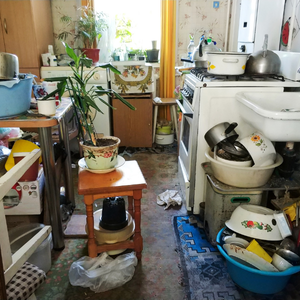

Category: Distressed

  • Selling A House With Unpermitted Work In Arkansas Without The Stress

    Selling A House With Unpermitted Work In Arkansas Without The Stress

    You finished that addition off the back of the house, the one that turned a cramped three-bedroom into a place your family could breathe in. A contractor came out, work got done, life moved on. Now you’re trying to sell, and someone just asked you for the permit records. Your stomach drops a little. Selling a house with unpermitted work in Arkansas is far more common than most people admit, and the good news is that it doesn’t have to stop your sale.

    Selling a House with Unpermitted Work Is More Common Than You Think

    Sit across enough kitchen tables all over Arkansas and you hear the same story on repeat. A deck went up over a long weekend out in Cabot. One seller in Hillcrest, over in Little Rock, converted the sunroom without a second thought. Out in Bryant, a family finished the basement themselves and never looped in the city. Nobody was cutting corners on safety. Life got busy, the job looked good, and the permit just never happened.

    The average home value in Arkansas is now around $225,822, up 3.5% over the past year, so there’s real equity at stake when you go to sell. As of 2026, the median days on market in Arkansas sits at 54. Your listing has to hold up for two months before you even reach closing. Any permit red flag that surfaces in that window can kill the sale fast, and I’ve seen it show up at the worst moment, right when a buyer’s loan is already in motion. Find out where you stand before you list and you stay in control.

    Unpermitted work shows up in all kinds of places, not just obvious additions:

    • Electrical panels swapped out without an inspection.
    • Plumbing rerouted during a remodel.
    • A converted garage nobody thought twice about.
    • A finished basement or attic that added square footage.
    • A deck, carport, or shed built over a setback line.

    In Arkansas, your fix depends on what was done, when it was done, and what your local building department cares about most.

    What Is Unpermitted Work and Why Does It Matter in Arkansas?

    Sell Your House With Unpermitted Work Arkansas

    A seller I worked with last year had inherited her grandmother’s bungalow in Sherwood, just northeast of Little Rock. Walking the property, we found a full bathroom addition tucked in the back. Tile work, plumbing, the whole thing, built sometime in the nineties, with nothing on record. Not one family member had known it was unpermitted.

    Unpermitted work is any construction, remodel, or trade job (electrical, plumbing, HVAC) done without approval from your local building office. Most new construction, remodels, and trade jobs in Arkansas run through a local permit process. The state has adopted the Arkansas Fire Prevention Code, a three-volume set built on the International Fire, Building, and Residential Codes with Arkansas amendments. Volume III is the residential piece, and it folds in the International Residential Code.

    Here’s where a lot of people get tripped up. That code applies everywhere in Arkansas, rural and unincorporated areas included. What shifts from town to town is who checks, not the rules. Your city building department handles permits inside city limits, and the county handles them outside. A well-staffed office in Fayetteville or Fort Smith inspects on a schedule. A small county office might only send someone when a homeowner asks. So an Izard County farmstead isn’t held to a looser standard than a house in town. The odds anybody checked are just lower.

    How Do You Find Out If Your Home Has Unpermitted Work?

    Arkansas buyers and their home inspectors know exactly what they’re hunting for. A good home inspector in Bentonville or Jonesboro isn’t just checking whether the lights come on. They’re checking what they see against what the public record shows. Permit history is public. An inspector or buyer’s agent can pull it in about ten minutes, sometimes faster in the smaller counties.

    Your city or county building department keeps a record of every permit ever pulled on your address. Little Rock, Fayetteville, and Fort Smith all run online portals. One search, or one phone call out in a rural county, tells you which permits exist and which don’t.

    One pattern keeps repeating. Sellers feel sure about a remodel because a licensed contractor did it. That makes sense. A contractor pulling a permit and a contractor closing one out with a final inspection are two different things, though. An open permit with no final sign-off gets treated the same as no permit at all during a sale. Pull that history yourself, before your buyer’s home inspector pulls it for you.

    What Do Arkansas Sellers Need to Disclose About Unpermitted Work?

    Selling a Home With Unpermitted Work Arkansas

    A seller in Fayetteville who stays quiet about a converted garage can still end up in court after the house sells, even with no state-mandated form in play.

    Arkansas is a caveat emptor state, buyer beware. Courts here rarely make a seller pay for defects a buyer turns up after closing, unless that seller blocked the inspection or lied. Fraud law still applies, so being straight about the big stuff is what really protects you. Real estate agents in Arkansas carry a duty of their own. The Arkansas Real Estate Commission requires a licensee to exert reasonable efforts to learn the facts material to a property’s value or desirability. Your agent’s job can reach further than yours, so the two of you should agree on what’s known before anything hits the MLS.

    Answer buyer questions truthfully. Don’t stand between a buyer and the house. Hide something you know about, and you hand that buyer a fraud claim to file after closing. Spend the money on a real estate attorney before you list if the unpermitted work is structural or large.

    Can You Sell a House with Unpermitted Work in Arkansas?

    Yes. Unpermitted work doesn’t make a house unsellable in Arkansas. What it changes is the pool of buyers who can actually finance a house like yours, and how smoothly the money moves. Some lenders won’t write a loan on a house like that at all. Others will, but ask that the extra square footage be left out of the value. That second one is the sale killer. Your buyer thinks they’re financing 2,200 square feet, and the appraisal comes back counting 1,800.

    Fannie Mae’s rules tell an appraiser who spots an addition without the required permit to comment on the quality and appearance of the work, plus its effect on market value. That appraisal comment goes straight to the lender. From there, it’s the lender’s call, and a rough write-up can end the file.

    Cash buyers skip the mortgage hurdle. That’s one reason sellers with unpermitted work often find direct buyers the cleanest path to closing. Ready Door Homes buys houses across Arkansas as-is. That includes unpermitted additions, finished basements without permits, and work nobody disclosed. No lender approval, no appraisal to clear.

    Does Unpermitted Work Lower Your Home’s Sale Price in Arkansas?

    Selling a House With Unpermitted Work Arkansas

    An appraiser who finds unpermitted square footage has two moves. Leave it out of the value, or count it at a discount. A finished basement you spent real money on, one that buyers genuinely love, can add close to zero to the appraised value.

    When a retroactive permit costs too much or carries too much risk, the other route is to disclose the unpermitted work and price it in. Expect the credit a buyer and their agent ask for to run past the bare permit cost. They’re pricing in their own risk, their own time, and whatever opening a wall might turn up. Buyers assume the worst behind drywall they can’t see.

    Handle the unpermitted work before a buyer drags it into the talks. Pull the permit, or set your price right from the start. Either beats a buyer finding it halfway through the sale.

    Do You Have to Permit the Work Before You Sell?

    Some sellers tell me they’ll just permit it before they list. Sometimes that’s the right call. The process runs longer than it looks, though, especially for structural work or anything touching pipes and wiring.

    You go back to your local building department, hand in plans or drawings, pay the fees, and have an inspector verify the work. Skip permits and you can face stop-work orders, fines, an order to tear the work out, and retroactive permit fees on top. If the work doesn’t meet current code, the inspector may make you open walls, redo wiring, or change structure before the permit closes.

    Your pathFits whenWhat it costs
    Pull a back permit.The work is solid and close to current code.Fees, an inspection, and weeks of waiting.
    Disclose it and cut the price.A permit costs too much or carries too much risk.A price credit larger than the permit itself.
    Sell as-is to a cash buyer.Equity is thin or you need out fast.No repairs, no permits, no showings.

    Get the work signed off when the permit cost is small next to the value you gain. The same goes if your buyers need a bank loan. You can also just sell as-is, especially if permit costs would eat the little equity you have. Ready Door Homes works with sellers in exactly this spot across Central Arkansas, from Little Rock out to Conway and Hot Springs. Sellers in Saline County can start with our Sell Your House Fast in Benton, AR page, and homeowners over in Faulkner County can start with our cash home buyers in Conway page. No repairs, no permits pulled on your behalf, no showings.

    What Steps Should You Take Before Listing a House with Unpermitted Work?

    Pull your permit history from your local building department before anyone else does. Rural homeowners may need a phone call to the county permit office.

    Once you know what you’re holding, a few clear paths open up. A back permit fits smaller, clean projects where the work is solid and up to code. A real estate attorney can help you word it so it’s honest and safe. Listing with an agent? Price the unpermitted work in from day one. That beats getting knocked down after the inspection.

    I still think about a seller in Conway who’d been carrying two mortgage payments for nearly eleven months. An unpermitted bathroom addition kept scaring off every buyer who needed a bank loan. We closed as-is in about two weeks and the double payments stopped. Sometimes the cleanest answer is a buyer who doesn’t need a bank’s permission to close.

    Want a second set of eyes on your house? Our We Buy Houses For Cash In Arkansas page walks through what the process looks like, and we’ve bought houses all over the state with unpermitted work of every kind.


    Frequently Asked Questions

    Do Home Appraisers Look for Unpermitted Work?

    Yes, appraisers flag it. Fannie Mae requires a comment on any addition built without the required permit, covering quality, appearance, and effect on market value. The ANSI Z765 standard sets how the finished area above and below grade gets counted and reported. Square footage that doesn’t land in gross living area won’t carry the value you’d expect, and lenders take those comments seriously.

    What Are the Risks of Buying a House with Unpermitted Work?

    Buyers take on real money risk with unpermitted work. Most set aside cash for retroactive permits and any fines that follow. Cautious buyers budget for the worst case, right down to the city ordering the work torn out. Cost isn’t the whole story. Unpermitted work can also limit a homeowner’s insurance coverage, which turns into a fight over a claim or a snag at refinance.

    What Happens If You Sell a Home with an Unpermitted Finished Basement?

    A below-grade basement gets reported apart from gross living area under the ANSI standard, permit or no permit. Add a missing permit, and the appraiser has even less reason to give it weight. Either way, a bank finances less. If the appraisal lands well under the contract price, your buyer brings more cash, you cut the price, or the sale falls apart. Say the basement is unpermitted upfront and price it that way.

    How Do You Disclose Unpermitted Work in Arkansas?

    Arkansas doesn’t require a formal state disclosure form. Being straight about known problems is still the safer play. If a buyer asks you a direct question, answer it straight. Put the unpermitted work in writing, note it on any form you fill out voluntarily, and have your agent log it in the file. If the work is structural, plumbing, or electrical, have a real estate attorney review your wording before you sign. Most sellers skip that step and wish they hadn’t.


    Sitting on a property with unpermitted work in Arkansas, and not sure which way to go? We’re happy to talk it through. No pressure, no obligation. Contact Ready Door Homes for a straight answer on your options and what we’d offer for the house as it sits today.

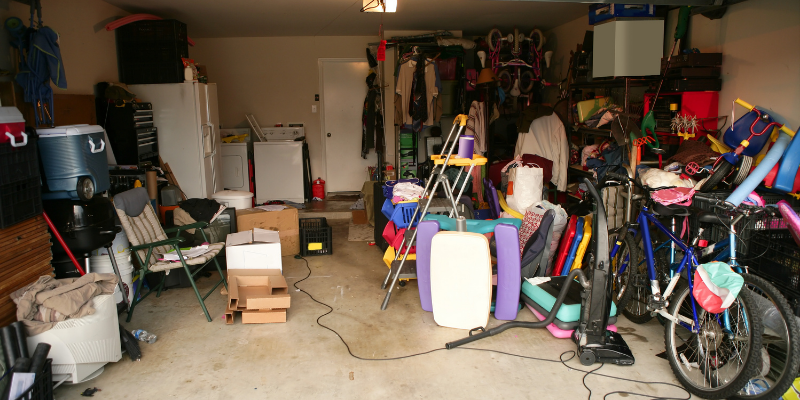
  • How to Sell a Hoarder House in Tennessee

    How to Sell a Hoarder House in Tennessee

    A parent dies. Three adult siblings inherit a home in Bartlett so packed with belongings that the front door won’t swing open. Nobody wants to move in. Nobody wants to manage the property from four hours away. And none of them wants to figure out how to handle a property that the traditional real estate market was never built for. Selling a hoarder house in Tennessee is its own kind of problem, and it has less to do with the home’s value than you’d think. That call reaches us most weeks, often about an older Bartlett estate.

    Selling a Hoarder House in Tennessee: What You’re Actually Dealing With

    Not long ago, I worked with three siblings whose father spent decades filling a home in Germantown. Every room was full, with boxes stacked floor to ceiling in the garage. They listed with an agent, drew a couple of lowball showings, and watched two listings expire without one offer. By the time they called us on a Tuesday afternoon, they were worn out. We closed fast enough that nobody had to carry the property into another season. The cleanup, the pricing anxiety, the fear that no buyer would want the place, all of it ended sooner than they expected.

    That outcome is within reach for plenty of Tennessee sellers who own a property like this one. Knowing your real options is the first step toward it. When you’re ready, here’s how Ready Door Homes can help.

    What Is a Hoarder House and Why Is It Hard to Sell in Tennessee?

    Narrow paths between stacked magazines. Closets that won’t shut, and countertops no one has seen in years. The real estate industry calls this a hoarder house, and it brings obstacles an ordinary Tennessee listing never faces.

    Steps to Sell a Hoarder House in Tennessee

    About 2.5% of adults live with a hoarding disorder, from a meta-analysis of eleven studies covering 53,378 people. Symptoms turn up roughly three times as often in adults aged 55 to 94 as in those aged 34 to 44. That age skew is why so many of these homes belong to long-time owners. Across Tennessee, it adds up to thousands of properties that will change hands in time. You’ll find them from Frayser to Cordova to the back roads of Fayette County. Out there, one family often holds the same home for three generations.

    Financing is where a normal sale often dies. Lenders order an appraisal, and that appraisal has to show the property in decent enough shape to lend on. Appraisers rate condition on a six-point scale, and Fannie Mae won’t buy a loan on a property rated C6, the bottom rung. Anything hurting safety, soundness, or structural integrity has to be repaired up to a C5 or better first. Clutter that blocks rooms, hides mold and rot, or invites pests pushes a house toward that rating quickly. So a hoarder house doesn’t fail because buyers are missing. It fails because lenders can’t fund it as it sits.

    What Are the Biggest Challenges of Selling a Hoarder House in Tennessee?

    The cleanup is where sellers lose the most money and time. Families plan a weekend, spend three months sorting, and still hand a buyer’s inspector plenty to find.

    Price moves with severity, and cleanup crews quote in tiers. A Level 1 or Level 2 cleanup runs $500 to $3,000. Level 3, where several rooms can’t be used, costs closer to $2,000 to $5,000. Level 4 and Level 5 properties bring in biohazard crews, mold work, plus structural repairs, so those jobs run $5,000 to $25,000 or more. Whole-home cleanouts often price out around $1 to $2 per square foot. Get the cleanout estimate in writing for the whole property, split between labor and disposal. All of that assumes the family already agreed on what counts as trash, which is rarely true.

    Past the cleaning bill sits the appraisal problem. Mold, pests, animal waste, and damage hidden under years of weight all pull a property’s value down. Buyers who tour a hoarder’s house use the condition as leverage. You can spend $10,000 clearing the place out and still get pushed under your number by a buyer whose inspector found deferred damage no one knew about.

    Disclosure catches Tennessee sellers off guard. The state’s residential property disclosure law, in Tenn. Code Ann. 66-5-201 and following requires you to tell buyers about material defects you actually know about. No one expects you to hire an inspector and go looking. A cleanout that uncovers water damage or rot, though, moves those items into the known column, so cleaning the house out can widen what you owe buyers in writing. Your buyer can also waive the disclosure and take a disclaimer instead, which is how plenty of as-is sales get written. A local real estate attorney can tell you which route fits your case.

    You can also skip the cleanout and sell the house as it sits, contents and all. Contact Ready Door Homes to see what that looks like for your property.

    What Are Your Options for Selling a Hoarder House in Tennessee?

    Tennessee’s median sale price hit $393,767 in June 2026, up 3.6% from a year earlier. That’s good news for sellers in a normal market. A heavily distressed property won’t touch that median, though, so every option below comes with its own math.

    Listing with an agent after a full cleanup gives you the widest pool of buyers. It also opens the widest gap between the price on the sign and the money in your account. Seller closing costs in Tennessee average about 2.98% of the sale price before commission, and the agent commission is the biggest line by far. On a $300,000 property, plan on roughly $27,000 in commission and closing costs, plus whatever the cleaning ran. None of that money comes back if the house sits.

    Selling as-is to a cash buyer like Ready Door Homes skips all of it. No cleanout, no repairs, no open houses on a Sunday. The offer sits below full retail, and that’s the honest tradeoff on any hoarder house. Subtract the cleaning, the commission, and the carrying costs that pile up while you wait, and the net often lands close, sometimes ahead.

    Auction works for some estates, and some sellers like having a fixed date. The result is hard to predict, and the timeline isn’t always shorter than a direct sale.

    How to Clean Out a Hoarder’s House in Tennessee Before You Sell

    Sorting before hauling saves a seller the most money on a property like this.

    Guide to Selling a Hoarder House in Tennessee

    Good crews charge for time and volume, not for good intentions. Call a junk removal company before anyone has decided what stays, and you’ll pay to haul off things the family later wishes it had kept. You’ll pay more per load, too, because nothing got pre-sorted. Give everyone two or three days to pull out whatever carries sentimental or resale value first.

    Specialty help exists across Tennessee, and it’s worth finding. The Tennessee Department of Environment and Conservation sets the solid and hazardous waste rules that legitimate crews follow. Those rules matter the moment a hoarder’s house turns up old electronics, paint, or pool chemicals. Ask any company you interview whether they handle that material. I’ve watched closings stall because a crew arrived with a dumpster and no plan for the hazardous items.

    Mold, rodent damage, and animal waste sit outside what a standard junk crew should touch. Those count as biohazards, and they call for a licensed remediation team rather than a general contractor. Selling a property without addressing them creates a health risk and a liability you’ll hear about later.

    One pattern keeps repeating: families hold a home for months, trying to handle the cleaning themselves, while quietly carrying costs eat the equity. Taxes, utilities, insurance, and basic upkeep run all year on an empty property. If the cleanup math doesn’t work, selling the hoarder house as-is isn’t giving up. It’s just the cheaper answer.

    Tennessee cash buyers will take the house with the clutter still inside, which stops the taxes, utilities, and insurance from eating the equity while the family sorts through boxes. The same is true if you need to sell your house fast in Bartlett or want cash home buyers in Collierville to handle it.

    How Cash Buyers Make It Easier to Sell a Hoarder House in Tennessee

    Pull up a chair for a second. If you sat at my kitchen table asking whether to clean up or sell as-is, I’d say this. Cash buyers exist because the traditional market leaves a gap, and properties like yours sit in it.

    A cash buyer, whether a local investor or a company like Ready Door Homes, needs no lender approval and no appraisal to clear a condition threshold. They don’t need you to carry out one bag, either. They price the property on what it’s worth once the work is done, subtract that work, and put a number in writing. A serious buyer will also tell you what they plan to spend on cleaning the property out.

    Tennessee’s median days on market ran 69 days in that same June reading, five days longer than a year before. That’s manageable for a clean, move-in-ready home in a decent neighborhood. A hoarder house listed by an agent stretches well past that average, because the first wave of buyers walks out, the price drops, and the listing picks up a stigma.

    Cash sales usually close in two to four weeks. No financing contingency collapses at the last minute. No second inspection follows repairs that weren’t done right. For an estate, a strained family, or a home that simply isn’t market-ready, that speed is worth real money.

    What to Expect When You Sell Your Hoarder House for Cash in Tennessee

    The offer is only one of the numbers that matter. The closing date is the other, and a cash buyer sets it around your schedule instead of a lender’s calendar.

    Tips for Selling a Hoarder House in Tennessee

    Reach out to a buyer like Ready Door Homes, and the sequence is usually the same. Someone walks the property within a day or two, looks at the condition and recent sales nearby, and brings you a written offer you’re free to turn down. Accept it, and a short due diligence period follows, then closing on the date you picked, often in as little as two weeks.

    You don’t have to clean anything out unless you want to. Most cash buyers take a hoarder house as-is, belongings included, and handle disposal themselves. Furniture, appliances, boxes, all of it goes with them. Many will let you pull what you want and leave the rest.

    One landlord I worked with inherited a property in Cordova, holding thirty years of a relative’s belongings. Two other heirs just wanted the whole thing handled. No one had the bandwidth for an estate sale. The garage alone held furniture going back decades, some still in the original packaging. We walked it on a Friday, had an offer ready Monday, and the family closed in eighteen days. No arguing over who managed the cleanout.

    Tennessee property tax bills go out the first week of October and cover that calendar year. You have until the last day of February to pay, and anything still owed on March 1 starts collecting 1.5% interest a month. Close mid-year, and the seller’s share gets split at settlement. Your closing agent runs that number, so it shouldn’t surprise you at the table.

    Sell your Memphis house faster by picking the closing date, keeping what you want, and leaving the rest for the buyer to haul out.

    Frequently Asked Questions

    Can Hoarder Houses Be Sold?

    Yes, and they sell every day in Tennessee. Your choices run from a full cleaning followed by a traditional listing, all the way to an as-is sale straight to a cash buyer who handles the cleanup. Plenty of Tennessee buyers specialize in exactly this kind of property. The right path for your hoarder house depends on how severe the clutter is, how fast you need to be done, and how much you’re willing to spend before closing.

    What Closing Costs Do Sellers Pay in Tennessee?

    Commission and closing costs together put most Tennessee sellers near 9% of the sale price. That figure covers the agent split, title fees, transfer tax, prorated property taxes, and recording charges. Selling directly to a cash buyer removes most of it, since commission and many of the other fees don’t apply to a direct transaction.

    What Is the Hardest Month to Sell a House?

    October, according to ATTOM Data Solutions research on seller premiums, which put sellers at 7.9% above the estimated market value that month. September and November aren’t much better at 8.0% and 8.3%, against 10.2% in May. Condition still outweighs the calendar on a hoarder house, so a distressed property struggles in June about as much as in December.

    What Is the Fastest Way to Clean a Hoarder’s House?

    Hire a professional hoarding crew rather than cleaning it yourself. Most properties take one to five days. A Level 1 or Level 2 home runs one to three days with a crew of three or four. Three to five days is typical once several rooms are unusable, and a Level 4 or Level 5 property can take one to four weeks with remediation included. Sort for valuables before the crew arrives, hire a team experienced with biohazards if there’s mold or pest damage, and get two or three written cleanout estimates first.

    If you want to talk through a hoarder house anywhere in Tennessee, we’re around. No pressure and no obligation. Ready Door Homes works with sellers in exactly this spot. We’ll give you a straight answer about what your property is worth and what a sale could look like, even if you go another direction.

  • How To Sell A Condemned House In Tennessee Fast And Legally

    How To Sell A Condemned House In Tennessee Fast And Legally

    A condemned property notice taped to the front door feels like the floor dropping out, especially when you’re already dealing with an estate, a family situation, or mounting city fines. That notice makes everything feel urgent. Even so, learning how to sell a condemned house in Tennessee starts with one fact: you still own the property, and you can still sell it.

    Can You Sell a Condemned House in Tennessee?

    The homeowners who get stuck are almost always the ones who waited too long to look into it. Every week of inaction costs something: accruing fines, rising property tax debt, and a demolition order creeping closer to execution. Property doesn’t fix itself. Liens don’t disappear.

    Sellers in Bartlett, South Memphis, and rural Fayette County all share the same fear when this situation first hits: that a condemned status makes their property worthless, or worse, unsellable. Neither turns out to be true. The market for distressed real estate in Tennessee is active, and the companies that buy houses for cash in Tennessee move quickly on condemned properties regardless of condition.

    Back in March, I sat across from the Hayes family in Bartlett. Their father had just moved into assisted living, and the 1960s ranch he’d lived in for decades had been flagged by city code enforcement for structural failure along the rear addition and a compromised electrical panel. We closed on a Wednesday. They didn’t clean out a single box.

    That story is typical, not exceptional. The goal of this article is to walk you through how condemnation works in Tennessee, what your realistic options are, and how to sell without making a single repair if that’s the path that makes sense for you.

    What Does Condemned Mean for a House in Tennessee?

    Two types of condemnation exist, and confusing them leads sellers to make bad decisions.

    The first, and by far the most common, is a code enforcement action: a local housing inspector has determined that the property poses safety or health hazards serious enough to prohibit occupancy. The second is a government taking property under eminent domain, which follows an entirely different legal process under Tennessee statutes and is not what most homeowners are dealing with.

    Selling Condemned House Tennessee

    In a code enforcement condemnation, the local government has found the property unsafe due to structural, electrical, plumbing, or environmental hazards. That list is broad: a collapsed roof, mold throughout the HVAC system, raw sewage issues, fire damage to load-bearing walls, or severe hoarding conditions that block egress. Memphis, Knoxville, Chattanooga, and Nashville each run their own code enforcement divisions, so violation types and timelines vary by city.

    It’s worth knowing that not all condemned properties are in the same category. Some carry a single fixable violation, a compromised electrical panel or a failed septic system, while others have accumulated years of deferred maintenance across every major system. The severity of the violations shapes both the timeline you’re working with and the offers you’ll receive. A property condemned for a single structural issue is a very different negotiation than one flagged for structural failure, hazardous materials, and fire damage combined.

    What’s consistent statewide is the notice process. Once a house is tagged as condemned, the owner is typically given 30 to 60 days to make necessary repairs, request a re-inspection, and apply for required permits. That window moves fast. Owners who don’t respond find themselves facing escalating fines or a mandatory housing board hearing.

    Condemnation does not transfer ownership. Your title remains yours, along with all the rights and obligations that come with it, including the full right to sell.

    How Tennessee Condemnation Codes and Violations Affect a Sale

    If you ignore a condemnation order in Nashville, the city can demolish the structure and bill you for the cost. In Memphis, demolition costs typically range from $8,600 to $18,000, depending on the size of the structure, with larger homes running higher. That demolition bill attaches as a lien to the land itself, even after the structure is gone. Sellers often assume the worst outcome is just fines. Nashville’s environmental court can also impose up to $50 per day per violation, a cost that compounds fast on an unresolved property.

    The City of Memphis has one of the most active code enforcement programs in the state, with thousands of open violation cases at any given time. Properties in neighborhoods like Frayser or South Parkway East can move through the demolition pipeline faster than owners expect, particularly when the structure has been vacant for an extended period. Knoxville runs a similar program through its Neighborhood Codes Enforcement office, and both cities have mechanisms to escalate cases that go unresponded to. Waiting does not make the problem smaller.

    Tennessee requires sellers to complete a Residential Property Condition Disclosure form covering structural, mechanical, and environmental conditions. You must disclose the condemnation status and any known violations in any sale contract. Attempting to hide a condemnation order creates legal exposure that no sale price is worth.

    Traditional lenders won’t finance a condemned property. That eliminates most retail buyers from the outset and leaves two realistic paths:

    1. Repair it enough to clear the condemnation status, often six figures depending on the violations cited.
    2. Sell as-is to a cash buyer who purchases in the current condition and takes on the code violations at closing.

    How to Sell a Condemned House in Tennessee As-Is

    Selling a Condemned Home Tennessee

    Selling as-is is entirely legal in Tennessee, as long as you properly disclose the condemnation status. Once the sale closes and ownership transfers, the buyer takes on responsibility for all code violations and condemnation issues, and that transfer of liability is one of the most underappreciated benefits of moving quickly.

    Some sellers worry that disclosing a condemnation order will kill the sale. With a retail buyer using financing, it likely would. With a cash buyer who specializes in distressed properties, disclosure is simply part of the conversation. They’ve seen condemned properties before. What matters to them is that the disclosure is complete and accurate, and that the title can transfer cleanly.

    Your contract should explicitly state who is responsible for the violations after closing. A real estate attorney familiar with Tennessee property law can make sure that the language protects you once the deed transfers. It’s worth the cost of a one-hour consultation before you sign anything.

    One caution: sellers sometimes skip attorney review because they assume cash sales are too informal for legal paperwork. That’s exactly backward. A cash sale still needs a proper contract, a title search, and a clean chain of ownership.

    What Cash Buyers Look for in a Condemned House in Tennessee

    A seller in Cordova called me after receiving a city notice about a rental she’d held for 12 years. The tenant had left, the pipes had frozen over winter, and by spring, the kitchen floor joists had rotted through. She had a Monday morning deadline on her first code enforcement hearing.

    Cash buyers deal with situations like this constantly. What they’re evaluating is not the house in its current condition. It’s what the property can become. They run renovation cost estimates, look at what comparable repaired homes sell for nearby, and back-calculate an offer that leaves enough margin to do the work.

    The calculation typically works like this: a buyer estimates the after-repair value of the property, subtracts their projected renovation or demolition costs, deducts their target margin, and that becomes their offer. Understanding this math helps you evaluate whether an offer is reasonable. A low offer on a property with heavy violations isn’t necessarily a lowball, it may reflect an accurate read of the rehab costs. A low offer on a structurally sound property in a strong neighborhood is worth pushing back on.

    They also look at the title. Existing liens, tax arrears, and prior code violation fines all factor into the offer or get addressed at closing. A title with ten years of unpaid property taxes attached is a larger discount driver than the physical condition of the structure. Pull your title report early so you know what’s on it.

    The condition of the lot matters too: size, zoning, flood zone status, and any historic overlay. Buyers are pricing the land’s potential, not the building’s current state, which is why owners who need to sell their house fast in Memphis, TN, still receive competitive offers even on fully condemned structures. Suburban lots hold value the same way, so we buy houses in Bartlett and work as cash home buyers in Collierville on identical as-is terms.

    How to Prepare to Sell a Condemned House in Tennessee Without Repairs

    You’re not preparing the house for anyone. You’re preparing the information.

    Gather the following before reaching out to buyers:

    How to Sell a Condemned Home Tennessee
    • The condemnation notice and any follow-up correspondence from the city or county
    • Your property tax account statement showing what’s currently owed
    • A title search from a local title company (this shows liens, judgments, and any clouds on ownership)
    • Any permits or contractor estimates from prior repair attempts, since even partial records reduce a buyer’s uncertainty

    Having this paperwork ready signals to buyers that you’re a serious seller, which tends to produce faster and more competitive offers. Buyers who work in the distressed market evaluate dozens of properties and move on quickly from sellers who are disorganized or hard to communicate with. The sellers who achieve the best outcomes are those who make it easy to say yes to a transaction.

    Pricing the property yourself is not worth the effort. Cash buyers will give you their number based on their own analysis. Your job is to get multiple offers so you can compare. Contacting two or three buyers and letting them compete is the single most effective way to get closer to fair market value for a condemned property.

    Once you’ve accepted an offer, a cash sale typically closes within 2 to 3 weeks. Some close faster, which matters when a code enforcement deadline is approaching.

    Why a Direct Cash Sale Works Better Than Listing a Condemned House in Tennessee

    Retail buyers using mortgage financing cannot purchase a condemned property. Any agent who suggests listing it on the MLS without addressing that reality first is setting you up for canceled contracts and wasted weeks.

    Listing also means agent commissions in the range of five to six percent, closing costs, and potential seller concessions after inspection. On a $150,000 land-value sale, that’s easily $12,000 to $15,000 out of your pocket before you’ve addressed a single lien.

    Cash saleTraditional listing
    Buyer financing requiredNoYes, condemned properties are ineligible
    Repairs before closingNoneTypically required to clear condemnation
    Agent commissionNone5 to 6%
    Closing timeline2 to 3 weeks60 to 90+ days, if it closes at all
    Who handles code violationsBuyerSeller, before or during sale
    Disclosure requiredYesYes
    Risk of canceled contractLowHigh

    A direct cash sale eliminates the commissions, shortens the timeline, and transfers the repair obligation to the buyer entirely. You don’t need curb appeal. You don’t need to stage or clean anything out. The property value is what it is, and a cash buyer’s offer reflects that.

    What to Expect During the Sale Process for a Condemned Property in Tennessee

    After you accept a cash offer, the buyer orders a title search. This is standard and takes about a week. The title company will flag any liens, tax debt, or other issues that need resolution at closing. Most of those get paid from your sale proceeds at settlement rather than out of pocket beforehand.

    Between the signed contract and the closing date, you’ll typically need to sign a few standard documents: the purchase and sale agreement, the Tennessee Residential Property Condition Disclosure, and the closing statement that itemizes how the proceeds are distributed. If there are outstanding liens, the title company coordinates payoffs directly with the lienholders. You don’t need to manage that process yourself. By the time you sit down at the closing table, the heavy lifting is already done.

    Caroline Tran came to us during a divorce in Cordova. She and her ex-husband co-owned a rental off Germantown Parkway that had been condemned after a kitchen fire left the structure uninhabitable. Neither party wanted the liability of carrying it through a contested rehab. She called on a Thursday; we had a signed contract by that weekend. The garage still had his tools in it when we closed. Neither of them had to set foot in it again.

    That’s the experience most sellers want: handled, clean, final. After closing, the deed transfers, the liens get paid, and your legal exposure to that property ends completely.


    Frequently Asked Questions

    Can you legally sell a condemned house?

    Yes, as long as you fully disclose the condemnation status and any known violations to your buyer, and your contract clearly assigns responsibility for code violations to the buyer after closing. Most cash buyers already expect and accept this as part of their offer.

    How much is a condemned house worth?

    Value depends primarily on the land and what a buyer can build or rehab there. A condemned structure in a high-demand neighborhood may still carry significant land value even if the building needs to come down entirely. Expect offers to reflect the estimated cost of repairs or demolition, any outstanding liens, and what comparable renovated properties sell for nearby.

    What’s the difference between uninhabitable and condemned?

    An uninhabitable property fails to meet livable conditions, but that determination can be informal, made by a landlord or tenant rather than a government official. Condemnation is a formal legal action by a government authority resulting in an official order, posted notice, and legal record. Every condemned property is uninhabitable, but not every uninhabitable property has been formally condemned. The formal status is what triggers legal timelines, fines, and demolition proceedings.

    When a house is condemned, who owns it?

    You do. Code enforcement condemnation does not transfer ownership to the city or county. You remain the titleholder with all rights and obligations, including the right to sell. Ownership only changes without your consent under eminent domain, a separate legal process with its own court procedures and compensation requirements under Tennessee law.


    If you have a condemned property in Tennessee and you’re weighing your options, the most useful thing you can do right now is get a written contractor estimate for the repairs and a title report showing what’s currently on the property. Those two numbers tell you whether the repair path is viable or whether a cash sale is the cleaner move. Feel free to contact us with any questions before you decide.

    If you want a no-obligation cash offer to compare against, Ready Door Homes buys condemned and distressed properties across Tennessee, from Shelby County to Fayette County, and can walk you through exactly what a clean, legal transaction looks like before you commit to anything.