
You finished that addition off the back of the house, the one that turned a cramped three-bedroom into a place your family could breathe in. A contractor came out, work got done, life moved on. Now you’re trying to sell, and someone just asked you for the permit records. Your stomach drops a little. Selling a house with unpermitted work in Arkansas is far more common than most people admit, and the good news is that it doesn’t have to stop your sale.
Selling a House with Unpermitted Work Is More Common Than You Think
Sit across enough kitchen tables all over Arkansas and you hear the same story on repeat. A deck went up over a long weekend out in Cabot. One seller in Hillcrest, over in Little Rock, converted the sunroom without a second thought. Out in Bryant, a family finished the basement themselves and never looped in the city. Nobody was cutting corners on safety. Life got busy, the job looked good, and the permit just never happened.
The average home value in Arkansas is now around $225,822, up 3.5% over the past year, so there’s real equity at stake when you go to sell. As of 2026, the median days on market in Arkansas sits at 54. Your listing has to hold up for two months before you even reach closing. Any permit red flag that surfaces in that window can kill the sale fast, and I’ve seen it show up at the worst moment, right when a buyer’s loan is already in motion. Find out where you stand before you list and you stay in control.
Unpermitted work shows up in all kinds of places, not just obvious additions:
- Electrical panels swapped out without an inspection.
- Plumbing rerouted during a remodel.
- A converted garage nobody thought twice about.
- A finished basement or attic that added square footage.
- A deck, carport, or shed built over a setback line.
In Arkansas, your fix depends on what was done, when it was done, and what your local building department cares about most.
What Is Unpermitted Work and Why Does It Matter in Arkansas?
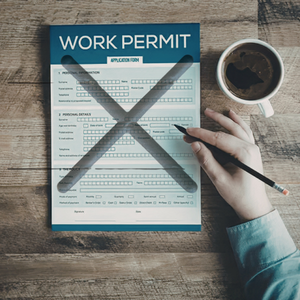
A seller I worked with last year had inherited her grandmother’s bungalow in Sherwood, just northeast of Little Rock. Walking the property, we found a full bathroom addition tucked in the back. Tile work, plumbing, the whole thing, built sometime in the nineties, with nothing on record. Not one family member had known it was unpermitted.
Unpermitted work is any construction, remodel, or trade job (electrical, plumbing, HVAC) done without approval from your local building office. Most new construction, remodels, and trade jobs in Arkansas run through a local permit process. The state has adopted the Arkansas Fire Prevention Code, a three-volume set built on the International Fire, Building, and Residential Codes with Arkansas amendments. Volume III is the residential piece, and it folds in the International Residential Code.
Here’s where a lot of people get tripped up. That code applies everywhere in Arkansas, rural and unincorporated areas included. What shifts from town to town is who checks, not the rules. Your city building department handles permits inside city limits, and the county handles them outside. A well-staffed office in Fayetteville or Fort Smith inspects on a schedule. A small county office might only send someone when a homeowner asks. So an Izard County farmstead isn’t held to a looser standard than a house in town. The odds anybody checked are just lower.
How Do You Find Out If Your Home Has Unpermitted Work?
Arkansas buyers and their home inspectors know exactly what they’re hunting for. A good home inspector in Bentonville or Jonesboro isn’t just checking whether the lights come on. They’re checking what they see against what the public record shows. Permit history is public. An inspector or buyer’s agent can pull it in about ten minutes, sometimes faster in the smaller counties.
Your city or county building department keeps a record of every permit ever pulled on your address. Little Rock, Fayetteville, and Fort Smith all run online portals. One search, or one phone call out in a rural county, tells you which permits exist and which don’t.
One pattern keeps repeating. Sellers feel sure about a remodel because a licensed contractor did it. That makes sense. A contractor pulling a permit and a contractor closing one out with a final inspection are two different things, though. An open permit with no final sign-off gets treated the same as no permit at all during a sale. Pull that history yourself, before your buyer’s home inspector pulls it for you.
What Do Arkansas Sellers Need to Disclose About Unpermitted Work?

A seller in Fayetteville who stays quiet about a converted garage can still end up in court after the house sells, even with no state-mandated form in play.
Arkansas is a caveat emptor state, buyer beware. Courts here rarely make a seller pay for defects a buyer turns up after closing, unless that seller blocked the inspection or lied. Fraud law still applies, so being straight about the big stuff is what really protects you. Real estate agents in Arkansas carry a duty of their own. The Arkansas Real Estate Commission requires a licensee to exert reasonable efforts to learn the facts material to a property’s value or desirability. Your agent’s job can reach further than yours, so the two of you should agree on what’s known before anything hits the MLS.
Answer buyer questions truthfully. Don’t stand between a buyer and the house. Hide something you know about, and you hand that buyer a fraud claim to file after closing. Spend the money on a real estate attorney before you list if the unpermitted work is structural or large.
Can You Sell a House with Unpermitted Work in Arkansas?
Yes. Unpermitted work doesn’t make a house unsellable in Arkansas. What it changes is the pool of buyers who can actually finance a house like yours, and how smoothly the money moves. Some lenders won’t write a loan on a house like that at all. Others will, but ask that the extra square footage be left out of the value. That second one is the sale killer. Your buyer thinks they’re financing 2,200 square feet, and the appraisal comes back counting 1,800.
Fannie Mae’s rules tell an appraiser who spots an addition without the required permit to comment on the quality and appearance of the work, plus its effect on market value. That appraisal comment goes straight to the lender. From there, it’s the lender’s call, and a rough write-up can end the file.
Cash buyers skip the mortgage hurdle. That’s one reason sellers with unpermitted work often find direct buyers the cleanest path to closing. Ready Door Homes buys houses across Arkansas as-is. That includes unpermitted additions, finished basements without permits, and work nobody disclosed. No lender approval, no appraisal to clear.
Does Unpermitted Work Lower Your Home’s Sale Price in Arkansas?

An appraiser who finds unpermitted square footage has two moves. Leave it out of the value, or count it at a discount. A finished basement you spent real money on, one that buyers genuinely love, can add close to zero to the appraised value.
When a retroactive permit costs too much or carries too much risk, the other route is to disclose the unpermitted work and price it in. Expect the credit a buyer and their agent ask for to run past the bare permit cost. They’re pricing in their own risk, their own time, and whatever opening a wall might turn up. Buyers assume the worst behind drywall they can’t see.
Handle the unpermitted work before a buyer drags it into the talks. Pull the permit, or set your price right from the start. Either beats a buyer finding it halfway through the sale.
Do You Have to Permit the Work Before You Sell?
Some sellers tell me they’ll just permit it before they list. Sometimes that’s the right call. The process runs longer than it looks, though, especially for structural work or anything touching pipes and wiring.
You go back to your local building department, hand in plans or drawings, pay the fees, and have an inspector verify the work. Skip permits and you can face stop-work orders, fines, an order to tear the work out, and retroactive permit fees on top. If the work doesn’t meet current code, the inspector may make you open walls, redo wiring, or change structure before the permit closes.
| Your path | Fits when | What it costs |
|---|---|---|
| Pull a back permit. | The work is solid and close to current code. | Fees, an inspection, and weeks of waiting. |
| Disclose it and cut the price. | A permit costs too much or carries too much risk. | A price credit larger than the permit itself. |
| Sell as-is to a cash buyer. | Equity is thin or you need out fast. | No repairs, no permits, no showings. |
Get the work signed off when the permit cost is small next to the value you gain. The same goes if your buyers need a bank loan. You can also just sell as-is, especially if permit costs would eat the little equity you have. Ready Door Homes works with sellers in exactly this spot across Central Arkansas, from Little Rock out to Conway and Hot Springs. Sellers in Saline County can start with our Sell Your House Fast in Benton, AR page, and homeowners over in Faulkner County can start with our cash home buyers in Conway page. No repairs, no permits pulled on your behalf, no showings.
What Steps Should You Take Before Listing a House with Unpermitted Work?
Pull your permit history from your local building department before anyone else does. Rural homeowners may need a phone call to the county permit office.
Once you know what you’re holding, a few clear paths open up. A back permit fits smaller, clean projects where the work is solid and up to code. A real estate attorney can help you word it so it’s honest and safe. Listing with an agent? Price the unpermitted work in from day one. That beats getting knocked down after the inspection.
I still think about a seller in Conway who’d been carrying two mortgage payments for nearly eleven months. An unpermitted bathroom addition kept scaring off every buyer who needed a bank loan. We closed as-is in about two weeks and the double payments stopped. Sometimes the cleanest answer is a buyer who doesn’t need a bank’s permission to close.
Want a second set of eyes on your house? Our We Buy Houses For Cash In Arkansas page walks through what the process looks like, and we’ve bought houses all over the state with unpermitted work of every kind.
Frequently Asked Questions
Do Home Appraisers Look for Unpermitted Work?
Yes, appraisers flag it. Fannie Mae requires a comment on any addition built without the required permit, covering quality, appearance, and effect on market value. The ANSI Z765 standard sets how the finished area above and below grade gets counted and reported. Square footage that doesn’t land in gross living area won’t carry the value you’d expect, and lenders take those comments seriously.
What Are the Risks of Buying a House with Unpermitted Work?
Buyers take on real money risk with unpermitted work. Most set aside cash for retroactive permits and any fines that follow. Cautious buyers budget for the worst case, right down to the city ordering the work torn out. Cost isn’t the whole story. Unpermitted work can also limit a homeowner’s insurance coverage, which turns into a fight over a claim or a snag at refinance.
What Happens If You Sell a Home with an Unpermitted Finished Basement?
A below-grade basement gets reported apart from gross living area under the ANSI standard, permit or no permit. Add a missing permit, and the appraiser has even less reason to give it weight. Either way, a bank finances less. If the appraisal lands well under the contract price, your buyer brings more cash, you cut the price, or the sale falls apart. Say the basement is unpermitted upfront and price it that way.
How Do You Disclose Unpermitted Work in Arkansas?
Arkansas doesn’t require a formal state disclosure form. Being straight about known problems is still the safer play. If a buyer asks you a direct question, answer it straight. Put the unpermitted work in writing, note it on any form you fill out voluntarily, and have your agent log it in the file. If the work is structural, plumbing, or electrical, have a real estate attorney review your wording before you sign. Most sellers skip that step and wish they hadn’t.
Sitting on a property with unpermitted work in Arkansas, and not sure which way to go? We’re happy to talk it through. No pressure, no obligation. Contact Ready Door Homes for a straight answer on your options and what we’d offer for the house as it sits today.