
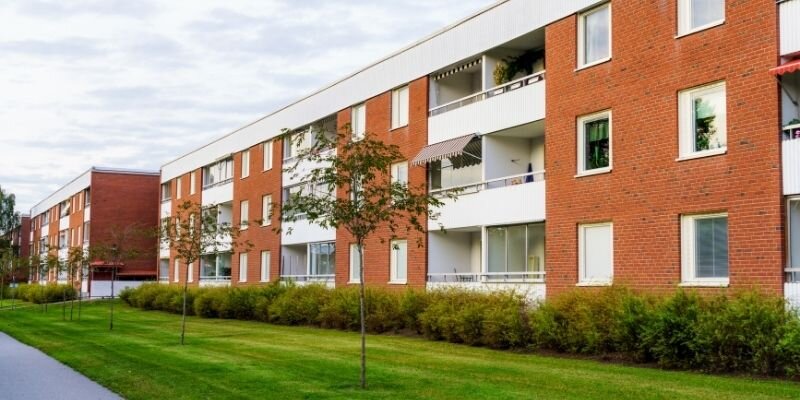
I’ve bought apartments and small multifamily buildings all over this state, from brick duplexes in Hillcrest to tired triplexes near downtown Fort Smith. The sellers who closed quickly knew what they owned before a buyer started asking. The ones who dragged on for six months usually didn’t. If you want to sell an apartment in Arkansas without the drawn-out version, start with your paperwork and a clear read on the law.
What Are the Landlord-Tenant Laws in Arkansas?
You might figure the lease becomes the buyer’s problem the day the deed records. It isn’t that clean. Tenant duties ride along with the building, and anything you mishandled earlier shows up in the closing file as a credit or a contract that dies days before funding.
Arkansas has long leaned toward landlords, which helps a seller right up until it doesn’t. The Attorney General’s office publishes a plain-language landlord and tenant guide worth reading before you list. If a tenant isn’t paying, two points on that page matter most. An unlawful detainer case starts with a three-day written notice to vacate. Once the tenant gets a court summons, they have five days to object in writing.
Security deposits fall under Title 18, Chapter 16, Subchapter 3 of the Arkansas Code. Covered landlords can’t collect more than two months’ rent as a deposit. They also have 60 days after the tenant moves out to return it or send a written, itemized list of what they kept. The rules don’t apply to an owner with five or fewer units who manages them without a paid third party. Hire a management company, though, and that exemption’s gone.
Act as if you’re covered anyway, because buyers only care whether the deposit money exists. If you never kept deposits separate, you can still fix it. Go through your bank statements and look for round numbers that don’t match rent, usually landing a few days before a move-in. Build a one-page ledger showing what each tenant paid and what you’re still holding. If one number can’t be recovered, write down your best estimate and tell the buyer. A documented estimate gets negotiated. A surprise gets used against you.
Late fees have no statutory cap here, so your lease terms govern. When a unit’s paperwork is missing, have the tenant sign a short letter confirming rent, due date, deposit held, and term.
What Are the Landlord-Tenant Laws in Arkansas That Change at Closing?

Most owners picture closing as a clean break. Then the title company asks for an estoppel certificate from each tenant, and the sale suddenly has homework attached.
An estoppel certificate is a short form where the tenant confirms their rent, when they last paid, and the deposit they gave you. It also asks whether they have side agreements with you. Buyers want it because they won’t take your word for the rent roll. I hand-deliver these and wait while the tenant reads. Mailing them and hoping is how a closing slips two weeks.
A sale doesn’t cancel a lease. The new owner inherits every term you signed, including the cheap rent you gave your cousin in unit three. Buyers price that in.
Deposits get transferred or credited to the buyer at closing. Rent for the closing month gets prorated, and the buyer’s share comes out of your proceeds.
Arkansas law doesn’t set a notice period in hours for landlord entry. A tenant can’t unreasonably refuse access, yet showings really run on your lease terms and the goodwill you’ve built. Someone who feels blindsided can sink a listing by griping about water pressure to every buyer who walks through.
So tell your tenants before the sign goes up. Keep it short: you’re selling, their lease travels with the building, and nobody’s asking them to move. What renters fear is eviction and a rent spike. Answer that in the first thirty seconds, and most of them relax.
What Is the Difference Between Consumer Protection Law and Landlord-Tenant Rights?
These are two bodies of law doing different jobs. Landlord-tenant rights come from property and contract statutes covering leases, deposits, and eviction. Consumer protection law goes after businesses that mislead people. In Arkansas, that enforcement sits with the Attorney General’s Consumer Protection Division, which also hosts the state’s landlord-tenant guide.
As a seller, you’re exposed on both sides. A deposit fight with a former tenant is usually a small claims matter. Misleading a buyer about rental income or a known defect is far bigger, and it can follow you past closing.
Inflating a rent roll is the fastest way to turn a clean sale into a lawsuit. I’ve seen sellers print “potential rent” on a marketing sheet as if tenants were paying it. Underwriters catch that. So do buyers, and the ones who catch it late hire lawyers. A rent roll with warts and a bank statement behind it beats a tidy spreadsheet nobody can check.
My test for disclosure is simple. If the buyer found out on day sixty instead of day one, would they be annoyed? Then tell them on day one. That covers the roof you patched yourself and the slab crack under the carpet. Problems at a fair price rarely kill a sale. Problems that surface late do, because by then the buyer is judging you instead of the building.
An as-is clause covers repairs. It won’t protect you if you hide something.
What Happens When a Tenant Leaves Property Behind in Arkansas?
A tenant in a Jacksonville duplex left on a Tuesday, two months behind on rent. He took the TV and left a sectional, a chest freezer, and about forty houseplants. By Friday, the owner had an inspector booked and no idea whether he could legally haul any of it out.
Arkansas answers that more bluntly than most states. Under Arkansas Code § 18-16-108, property left in the unit after a lease ends, voluntarily or not, is considered abandoned. The landlord may dispose of it without recourse by the tenant. The statute sets no storage period and no notice requirement.
Posts claiming Arkansas landlords must hold belongings for thirty or ninety days are borrowing other states’ rules. Before you act on anything you read about abandoned belongings, including this article, run it past an Arkansas attorney who handles landlord work.
My own routine is more careful than the statute demands. I photograph every room before touching anything, closets and cabinets included. Then I send one message to the tenant’s last known phone and email, naming a date they can come get their things. If they don’t show, I’ve got a timestamped record showing I offered. That record matters if somebody’s memory improves six months later.
Tax papers and medical records left behind get bagged and held. Firearms and prescription medication mean a call to local law enforcement, not a trip to the dumpster.
What Does Arkansas Abandoned Personal Property Law Say?

The same statute has a second half that owners overlook. Everything the tenant placed on the premises is subject to a lien in favor of the landlord for sums the tenant agreed to pay. That sounds useful, but chasing a lien on a used washer costs more than the washer’s worth.
Whether the lease has actually ended is the harder question. Unpaid rent plus an unreturned phone call isn’t proof, and a rushed lockout is how a wrongful eviction claim starts. Is the power still on in their name? Did they leave clothes in the closet and food in the fridge? If you still aren’t sure, file for eviction. It’s slower than a new lock, and it won’t come back on you mid-sale.
Cleanouts cost more than owners expect, so get one written price from a junk hauler first. Sometimes that number argues for selling the building as it sits, and cash buyers like us simply price the mess in. If that’s the route you take, here’s how to sell your home for cash in Arkansas with the furniture still inside.
Will Insurance Cover a New Roof in Arkansas?
For years, I assumed a hail claim meant a new roof. I was wrong often enough to stop.
Spring storms hit hard from the Ouachitas through Central Arkansas into the Delta, and the outcome of a claim usually turns on replacement cost versus actual cash value. A replacement cost policy pays for a new roof of like kind and quality, less your deductible. An actual cash value policy subtracts depreciation for the shingles’ age. On a twenty-year-old roof, that check might cover the tear-off and little else.
Pull your declarations page today. If you can’t tell what you have, call your agent and ask whether they pay replacement cost on your roof or depreciate it. Then ask for your wind and hail deductible in dollars. Many policies set it as a percentage of the insured value, which adds up fast on a building with several units. Some also exclude cosmetic damage, so dented shingles that don’t leak may pay nothing.
I’d file before selling if the damage is real and recent. A paid claim is money in your pocket, and a new roof helps the appraisal. If the roof is just old, expect a denial that still lands on the building’s loss history.
Once you’re under contract, an open claim gets complicated, since everyone wants to know who gets the check. Assigning proceeds or escrowing repair money can solve it with the buyer’s cooperation. If the storm hits after you sign, call the buyer that same day.
Get a licensed Arkansas roofer to inspect before you call the carrier. Be wary of storm crews who knock on doors and want an assignment of benefits on the spot. If you think a claim was mishandled, the Arkansas Insurance Department’s Consumer Services Division takes complaints online.
FHA lenders also expect a roof with some remaining life, and a failed roof can stall a conventional loan at underwriting. That’s one reason cash sales are so common on older rentals.
How Is the Real Estate Market in Arkansas Right Now?
It isn’t a bad time to sell here. It’s a slower one, which is a different problem.
A six-month review of Arkansas real estate published in April 2026 put the statewide median sale price around $270,400 as of March 2026, up 2.9% year over year. The same review listed a 97.7% sale-to-list ratio, which fits what I’m seeing: buyers are negotiating again. Median days on market ran 58 to 69 days.
Local numbers split hard from that statewide figure. Redfin’s January through March 2026 data showed a median sale price near $250,708 in the city of Little Rock, up 7.4% from a year earlier. Fayetteville came in around $368,566 over the same stretch, and Northwest Arkansas keeps pulling away on price. Own a rental in the capital? Here’s how we buy houses in Little Rock without a listing period. We also work as cash home buyers in Jacksonville and other Central Arkansas towns.
Days on market usually run from listing to accepted offer, and the lender’s closing time comes on top. If you plan to sell an apartment in Arkansas through an agent, budget about two months just to reach a contract.
Small multifamily doesn’t track those medians closely. Duplexes and fourplexes trade on rental income, so a Pine Bluff building with strong collections can beat a prettier vacant house. Investors are running tight math, so buildings sit longer.
Pricing high and chasing the market down is the real trap. By month four, buyers assume something’s wrong, so price against collected income the first time.
If you can carry the building comfortably and want top dollar, listing makes sense. When holding costs are coming out of savings, a direct buyer like Ready Door Homes is worth a call. We close on our own funds, which skips the appraisal and underwriting wait. You’ll trade some price for a date you can count on.
How Do You Sell an Apartment in Arkansas?

Your rent records matter more than the paint. A buyer’s lender looks hard at the building’s cash flow, and two years of rent deposits you can trace through a bank account will carry a sale further than curb appeal.
Start with the file: leases for every unit, a current rent roll, tax statements, insurance declarations, and repair history. Add which utilities are in your name and what they cost through a winter and a summer. Check whether the property sits in a flood zone, because the buyer’s lender will. If you’ve collected rent in cash with no records, expect only cash investors to bite.
Pricing depends on unit count. One to four units count as residential, and appraisers lean on comparable sales. Five units and up is commercial, valued based on net operating income, with loan size driven by debt coverage.
Gross rent isn’t income either. Start with the rent you actually collect, then subtract taxes, insurance, the utilities you pay, maintenance, and an honest allowance for vacancy. What’s left is what a buyer is buying. Owners who skip that step feel insulted by every offer.
When an offer comes in, look past the price. Can the buyer show proof of funds? How long is the inspection period, and can they walk away for any reason during it? How much earnest money is at risk? A slightly lower number with proof of funds often beats a bigger headline tied to a financing contingency, because the best price means nothing if the sale dies in week six.
Closing runs through a title company or real estate attorney. The warranty deed has to be acknowledged before a notary, then recorded with the circuit clerk in the county where the property sits. Inherited the building? Tell the closing agent on day one. An unfinished probate or an old mortgage that was paid but never released causes more delays than anything else I see.
How Do You Vet a Buyer’s Mailing Address, Terms and Conditions, and Other Posts?
Before you sign with any buyer, mine included, find their physical mailing address. You want an office you could drive to, not a P.O. box in another state.
That sounds minor. It’s the most practical vetting advice I give. Wholesalers with no capital blanket Arkansas with mailers, tie up properties with assignable contracts, and then shop your building to real investors. Assignment isn’t automatically a scam. The trouble starts when nobody tells you, and you find out at the walkthrough that a stranger is the one paying.
Read the terms and conditions on a buyer’s website before you call, looking for whether they buy directly and what happens if they cancel.
Ask where the earnest money will be deposited and when. Money sitting with a neutral title company means something. I’ve talked to sellers two weeks into a contract with no deposit ever made, so call the title company and confirm it landed.
On the first call, ask for a written offer and the names of Arkansas title companies they’ve used. Then call one. A buyer who has worked your county will know the local closing agents and what rents look like on your street. You’re welcome to put us through that same test, and our Contact Us page has our address and phone number.
Use the other posts and guides on a buyer’s site, though you’ll want to check the dates. Arkansas set its first statewide rental habitability standards with Act 1052 of 2021, and older content online may not reflect that.
A man called me one Wednesday from Jonesboro. His employer was moving him to Texas in five weeks, and he’d inherited a rental with a tenant and a garage full of his uncle’s welding gear. We bought it with the welder inside and closed before his start date.
Frequently Asked Questions
How Much Does It Cost to Transfer a Deed in Arkansas?
The Arkansas Department of Finance and Administration sets the real property transfer tax at $3.30 per $1,000 of consideration on transactions over $100. The circuit clerk also charges a recording fee under state law, $15 for the first page and $5 for each additional page. Gifts and some other transfers are exempt, so ask your closing agent whether yours qualifies.
How Many Homes Does a Real Estate Agent Have to Sell Yearly to Make $200,000?
More than most people guess, because gross commission isn’t take-home pay. The agent splits the commission with a brokerage, covers marketing and dues, then pays self-employment tax on what’s left. The real count depends on price point and split. For you, the takeaway is that a commission funds a business, not a windfall.
Do You Pay Capital Gains Tax When You Sell a House in Arkansas?
Often, yes, though Arkansas softens it. The state excludes 50% of net capital gain from income tax and fully exempts net gain above $10 million in a year. Federal rules apply on top. If the home was your main residence and you owned and lived in it at least two of the last five years, you may exclude up to $250,000 of gain, or $500,000 filing jointly. Rental property works differently, since the depreciation you claimed gets recaptured. Talk to a CPA before you sign a contract.
What Is the Fastest Way to Sell a Property?
Sell directly to a buyer who pays cash and doesn’t ask for repairs. You skip the listing period, the showings, and the lender’s underwriting queue, which is where most delays start. An occupied rental or an open probate can still add time. You give up some price for the speed, and for plenty of sellers, that’s worth it.
If you’re getting ready to sell an apartment in Arkansas, or a duplex or rental house, I’m glad to talk it through, even if you end up listing with an agent. Tell me about the property, the tenants, and your timeline. I’ll give you a straight read on what it’s worth and which paths make sense. No pressure, and no hard sell if a direct offer isn’t the right fit.