

A family in Germantown called me one Friday afternoon. Their mother had passed, they’d inherited the house, and the county had already filed suit in Chancery Court. The auction was weeks out, and nobody had warned them. That call sticks with me because it isn’t rare.
Delinquent property taxes in Tennessee move through a specific legal pipeline. By the time most homeowners see how deep they are, the good options are gone. Knowing each step buys you time. I’ve watched sellers recover real ground just by understanding what comes next.
When Are Tennessee Property Taxes Due and What Happens If You Miss the Deadline?
County property tax notices go out in October, and the bill is payable beginning the first Monday in October. Taxes become delinquent on March 1 of the following year. That’s roughly five months to pay. The window is generous, and March 1 is still a hard line.

Miss it, and the clock speeds up. Your account stays with the county trustee for about a year while interest piles on at 1.5 percent per month. Then the trustee hands the delinquent list to the Delinquent Tax Attorney, and the case moves to Chancery Court. Fees from prosecuting the tax suit start stacking there.
Tennessee law doesn’t require the trustee to mail you a notice showing what you owe, and those bills go out as a courtesy. State law presumes that because you own property, you know taxes are due. Never getting a bill is not a defense. Call your county trustee’s office to confirm exact dates and your parcel’s current balance. I do it before closing on any Tennessee property.
The statutory handoff window is narrow. After February 1 but before April 1, the delinquent tax attorney has to file suit in chancery or circuit court for the taxes, penalties, interest, and costs.
One habit protects you here. Tennessee law puts the burden on the property owner to keep a current name and mailing address on file with the assessor of property. Move without updating it, and the notices that matter, including notice of a tax sale, land at an address you left behind. That single gap has cost homeowners their equity.
What Penalties and Interest Stack Up on Delinquent Property Taxes in Tennessee?
A year before that Germantown call, the taxes were a manageable number. By the time the family reached me, the tab had grown by roughly a third.
Starting March 1, and on the first day of every month after, 1.5 percent interest gets added to your base tax. That works out to 18 percent a year. On a $4,000 annual tax bill, you’re adding about $60 a month before any fees land. Six months delinquent, and you’ve spent $360 without touching the principal. That interest sits on top of everything a sale triggers, so it helps to know what taxes you have to pay when you sell a house in Tennessee before you run your numbers.
Filing brings the rest of it, so brace for the arithmetic. Court costs, title search fees, and a 10% penalty computed on the base tax rather than on accrued interest all attach on the date the suit reaches the Chancery Court. In counties with metropolitan government, that penalty pays the delinquent tax attorney, and elsewhere it goes toward prosecuting the suit generally. Judges can also order title examination fees, extra publications, survey fees, and environmental assessments, all treated as court costs. The sheriff’s office charges a service fee for original process on each delinquent taxpayer, and the clerk adds statutory fees on top. Your final payoff figure ends up looking nothing like the original tax debt.
Here is something sellers get wrong: handing the trustee a partial payment does not release the tax lien.
If the payoff figure is closing in on your equity, Ready Door Homes can help you sell before the interest clock runs another month.
What Is a Tennessee Tax Lien and What Does It Mean for Your Property?
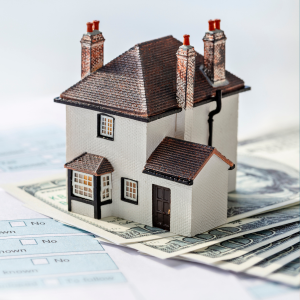
A tax lien isn’t a nuisance. It’s a legal cloud on the real property, and it follows that property through any transfer. Any buyer running a title search sees it. Most conventional lenders won’t touch a sale with an open tax lien on it. Tax liens aren’t the only kind that shows up in a title search, and selling a house with a lien in Tennessee works much the same way, whatever the source.
Left alone, the county files its tax suit and sells the property at public auction to satisfy the lien. For sellers, that creates one practical problem: you can’t hand a buyer a clean title while the lien sits there. A sale can solve both at once. Closing proceeds pay the delinquent taxes, penalties, interest, and court costs, and the lien dissolves at the table. A direct buyer like Ready Door Homes coordinates that payoff through the title company, which handles the process routinely, so you don’t have to bring cash up front.
Selling to a cash buyer skips the lender problem entirely, so the lien stops being a reason your sale falls apart, and you can reach out to Ready Door Homes to get started.
How Tennessee Tax Sales Work and What Properties Are Listed
Every property with unpaid taxes that runs the chancery court process lands on a public auction list.
Notice has to be published at least once in a newspaper of general circulation, or, with the court’s approval, by printed handbills posted around the county. Publication runs at least 20 days ahead of the sale. The delinquent tax attorney also has to make a diligent effort to reach everyone holding an interest, which usually means certified mail. Once those notices go out, your runway is short.
Sales run through the Chancery Court Clerk and Master’s Office by open public auction. Delinquent tax properties sell at auction only, and nobody buys one over the counter.
Opening offers cover the taxes, penalties, interest, attorney fees, and court costs. Anything left over doesn’t come back to you automatically. An interested person has to file a motion with the court to claim excess proceeds, and remaining taxes and lienholders get paid ahead of the former owner. Selling before the auction date cuts all of that off and leaves you deciding where your equity goes.
Excess proceeds don’t sit waiting for you either. The court pays them out in a set order, with unpaid taxes and recorded claims ahead of the former property owner, and you collect only what survives that line. Wait too long to file, and those proceeds can pass to the state as unclaimed property.
Timing matters here, too. In July 2026, Tennessee home prices were up 2.3 percent year over year, with a median sale price of $383,620 and a median 69 days on market. A traditional listing takes time you may not have once a suit is filed. A cash for houses company in Tennessee can close before your sale date and put the leftover money in your hands, not in the clerk’s queue.
What to Expect on Tax Sale Day in Tennessee: Bidding and Payment Rules
Bidders register by filling out an informational form before the tax sale starts. In Nashville, registration opens at 11:00 a.m. and ends promptly at 12:00 noon. Procedures vary from one court to the next, so call your local Clerk and Master’s Office about local logistics.
The winning bidder has until the following Friday at 12:00 p.m. to pay the full offer by cashier’s check to the Chancery Court Clerk and Master. No credit cards. No financing.
Some jurisdictions also allow a raised offer after the auction, usually called a re-bid. In Bristol, anyone wanting to top the winning offer has ten days to bring the court a higher one, and it has to beat the previous offer by at least ten percent. A qualifying re-bid sends the property to a second auction roughly 30 days after the first sale. That rule is local, so confirm it where your property sits.
How Long Do You Have to Reclaim Your Property After a Tennessee Tax Sale?
A seller I worked with in Collierville got the certified mail notice and assumed the house was gone. It wasn’t. She still had time, though the window was closing.
Redemption in Tennessee starts when the court enters the order confirming the sale, not on auction day, and confirmation can lag by weeks. If the delinquency runs five years or less, you generally get one year. More than five years but under eight, and the period is 180 days. Eight years or more, 90 days. Vacant and abandoned property drops to 30 days, no matter how many years are owed.
The redemption amount is more than the back taxes. It covers the penalties and court costs that stacked up while the delinquent tax case ran its course. Redeeming means paying that full amount and filing a motion with the court before your window shuts. Tennessee’s property tax statutes sit in Title 67, Chapter 5 of the Tennessee Code, and the redemption periods are spelled out at 67-5-2701.
How to Sell a House with Delinquent Property Taxes in Tennessee
For years, I assumed sellers with tax problems had to clear the debt before selling. Wrong. The sale clears it.

A man called me from Millington. He’d inherited a rental house carrying two years of unpaid taxes. The furnace had quit the winter before, and the garage still held his uncle’s riding mower and boxes he’d never sorted. He wanted out of a property he never chose to own. By Friday, he had a number he could work with, and the title company paid the taxes straight out of closing proceeds.
Most of these transactions run that way. The settlement statement lists the tax debt as a lien satisfied from the seller’s proceeds. You keep whatever is left, and the buyer takes a clean title. What matters is finding a buyer comfortable with the complexity, and retail buyers and their lenders often aren’t. Direct buyers like Ready Door Homes handle these situations routinely and can close without the financing hurdles that sink a conventional sale.
Timing is the whole game with a delinquent tax sale. Every month the property sits, the Chancery Court file grows, and the payoff climbs. Homeowners who move early hold on to more of their equity. The same holds just outside Memphis, where we buy houses for cash in Bartlett, TN and can work to the county’s calendar instead of a lender’s.
One pattern keeps repeating: sellers wait because they believe the debt disqualifies them from selling. It doesn’t. Waiting narrows the options, since court costs and attorney fees keep growing the payoff every month. Sell sooner, and more equity stays with you.
Every month you wait, the county takes a bigger slice of the same house, so talk to cash home buyers in Cordova, TN and keep the difference.
Frequently Asked Questions
Can I Get Ownership of a Property by Paying Back Taxes in Tennessee?
Paying someone else’s back taxes doesn’t give you their property in Tennessee. You’d have to go through the formal tax sale, where the court auctions the property. Even after a winning offer, the prior owner keeps a redemption window. Ownership doesn’t transfer cleanly until that period runs out.
How Long Can Property Taxes Go Unpaid in Tennessee Before a Sale Happens?
Taxes go delinquent on March 1 of the year after the billing date. About a year later, the trustee turns the file over to a delinquent tax attorney, who must file suit in Chancery Court after February 1 and before April 1. The auction comes at the end of that suit, so the stretch from missed payment to tax sale usually runs at least two years. Court costs and fees accumulate the whole time.
How Are Delinquent Property Taxes Sold in Tennessee?
The county runs a public auction through the Chancery Court Clerk and Master’s Office. Properties get listed once the delinquent tax suit runs its course. Bidders register beforehand, and the opening offer covers outstanding taxes, penalties, interest, court costs, and publication fees. The winner pays in full by cashier’s check. The prior owner keeps a right of redemption for a set period after the court confirms the sale.
How Do You Buy a House That Has Back Taxes?
Buyers taking on a property with delinquent taxes usually pay the debt at closing through the title company, which clears the lien so the title can transfer. At a delinquent tax sale, you’re responsible for the delinquent amount in the opening offer, plus any later years’ taxes the sale proceeds don’t cover. Use a title company that closes delinquent tax sales in Tennessee. That’s the cleanest way to know the lien is gone and the deed you get is good.
If your Tennessee property has a tax problem and you’re not sure what your options look like, we’re glad to talk it through. Ready Door Homes works with homeowners across the state in exactly these situations. No pressure and no obligation, just a straight conversation about the numbers and what a sale could mean for you.
Helpful Tennessee Blog Articles
- Can You Sell a House with a Lien in Tennessee?
- Paperwork for Selling A House By Owner in Tennessee
- Selling a House with Delinquent Property Taxes in Tennessee
- Can You Sell a House with Tenants in Tennessee
- Sell Your Water-Damaged House In Tennessee
- Sell Your House With A Reverse Mortgage In Tennessee
- Selling Your Tennessee Home With Mold Issues
- Sell Fire-damaged House in Tennessee
- Does a Seller Pay Closing Costs in Tennessee
- Can You Sell A House That Failed Inspection In Tennessee
- How To Sell A House With Foundation Issues In Tennessee
- How to File a Quitclaim Deed in Tennessee
- Selling A House That Needs Repairs In Tennessee
- Can the Seller Back Out of A Contract in Tennessee
- Can You Sell a House With Termites in Tennessee