Author: christinasilverstreet

  • Can You Sell a House with Asbestos in Arkansas

    Can You Sell a House with Asbestos in Arkansas

    can you sell a house with Asbestos in Arkansas

    Plenty of Arkansas houses built between the 1920s and 1980 have asbestos somewhere, and the siding is the usual spot. Cement-asbestos shingles were cheap and stood up to fire, so builders put them on a lot of modest places, and you’ll still find them on older houses across the state, Little Rock included. The word alone scares some buyers off. It doesn’t have to end your sale. Arkansas gives sellers more room than most states do, and the smartest move usually isn’t the one a siding contractor pitches.

    What Is Asbestos Siding and How Do You Identify It?
    Selling an Older Home with Asbestos in Arkansas

    Most people picture asbestos as fluffy gray wrap around a basement furnace pipe. On a lot of Arkansas houses, it’s the siding itself. Those hard cement shingles have outlasted two or three roofs and still shed rain just fine.

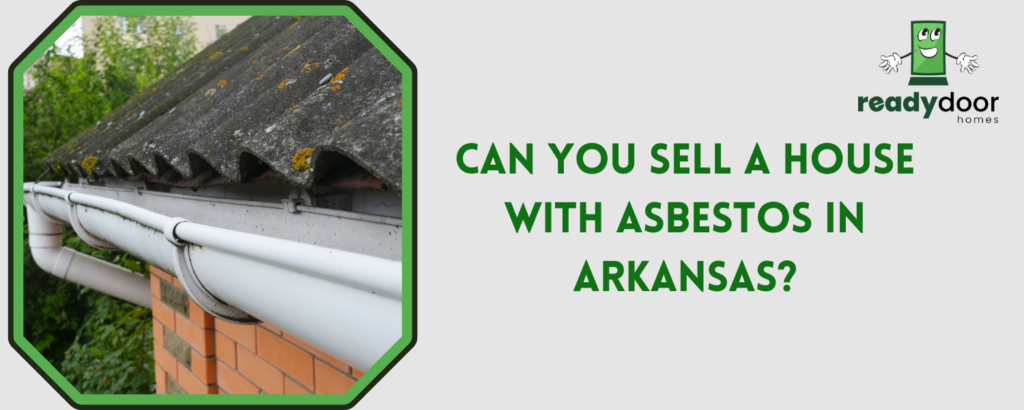
    Look for rigid shingles about 12 by 24 inches, laid in overlapping rows. The bottom edge is often wavy or scalloped. Many faces carry a stamped woodgrain that looks convincing from the curb and fake up close. Knock on one with a knuckle and it rings hard like tile, nothing like hollow vinyl. Chipped corners show a gray, cement-like core, and you’ll often spot evenly spaced nail heads where the shingles came pre-punched.

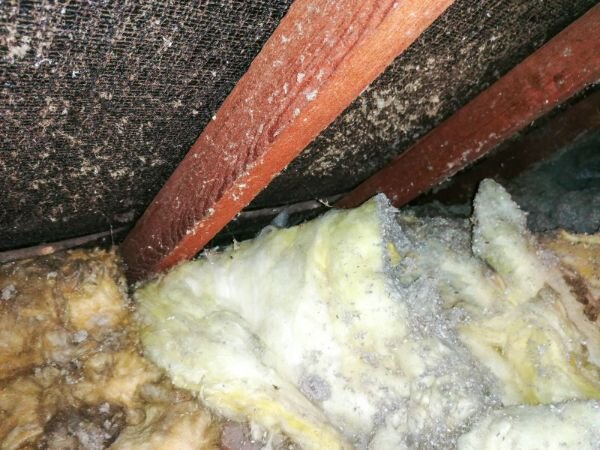
    Siding isn’t the only hiding spot in older properties. I’ve pulled up enough nine-inch floor tiles to know the black mastic under them is a classic suspect. Popcorn ceiling texture, duct tape on old HVAC trunk lines and insulation jacketing on boiler pipes belong on the same list.

    Nobody can confirm asbestos by eyeballing it, and anyone who says otherwise is guessing. A lab has to analyze a physical sample. Professional testing for a home usually runs $300 to $850, depending on how many areas get sampled. If your house predates 1980 and its shingles chip like a dinner plate, treat them as asbestos until a lab says otherwise. That assumption costs nothing and keeps you honest with buyers later.

    Is Asbestos Siding Dangerous to Live With?

    Do You Have to Remove Asbestos Before Selling a House in Arkansas

    Take a power sander to those shingles and you’ll turn a quiet wall into a real health problem in no time. That’s the whole risk in one sentence.

    Asbestos fibers only hurt you once they’re airborne. Bound inside cement board, they can sit inert for decades. Intact siding is what the industry calls non-friable, meaning you can’t crumble it with hand pressure. Friable material (crumbly pipe wrap, damaged ceiling texture) is the worrying category, and siding rarely qualifies unless someone’s smashed it or let it rot.

    Sawing, drilling, sanding, demolition and pressure washing are the moves that cause trouble. I’ve watched sellers do more harm prepping a house for listing photos than decades of Arkansas weather ever managed. You can read more about our company and how we buy older homes as they stand.

    Getting the house ready to list? Skip the pressure washer. A garden hose and a soft brush clean that old exterior well enough for photos without scouring the surface. If a contractor shows up for other outside work, tell them what’s on the walls before anyone starts drilling.

    Families live safely in these homes their whole lives. A fresh coat of paint often does more good than any blasting could. If a shingle cracks, swap out that single piece instead of tearing into the wall. Keep the surface sealed and the safety question mostly answers itself.

    What Are the Legal Requirements for Selling a House with Asbestos in Arkansas?

    Arkansas has no seller disclosure statute. None. The executive director of the Arkansas Real Estate Commission has answered the question directly, and the answer is no. State law doesn’t make every owner disclose the condition of what they’re selling.

    Courts here take caveat emptor seriously, and the burden of finding defects sits mostly with the buyer. The doctrine still has limits that trip people up. You can’t actively hide a known problem or lie when a buyer asks you straight out. Blocking an inspection is off the table too. Cross any of those lines and the as-is clause in your contract may not protect you.

    Most sellers end up filling out a disclosure anyway. The Arkansas REALTORS Association’s Seller Property Disclosure form runs close to sixty questions, and agents encourage every seller to complete it. One of those questions asks point blank about asbestos. Answer it truthfully or don’t sign it. The association’s standard contract also lets buyers ask for a copy as part of an offer, so plan on someone requesting it.

    Listing with an agent changes the math. Licensees answer to the Commission no matter what you decide. Under its rules, they have to make reasonable efforts to learn the facts that are material to a property’s value.

    Federal law does add one mandatory step: any home built before 1978 needs a lead-based paint disclosure. Asbestos has no federal equivalent. After closing on a lot of these houses, my take is that sellers who stay quiet end up paying more. Written disclosure turns an unknown into a priced-in known. A real estate attorney will tell you the same thing for a fraction of what a lawsuit costs.

    Can You Sell a House with Asbestos Siding As-is in Arkansas?

    Selling an Older Home with Asbestos in Arkansas

    Little Rock posted a median sold price of $310,000 as of October 2026, up roughly 9.7% year over year, and median days on market climbed to 58. Asbestos siding doesn’t knock a house out of that market. You can legally sell a house with asbestos in Arkansas, and the material itself isn’t a defect in title.

    Going as-is works. It just means you aren’t making repairs, and it doesn’t erase the honesty rules above. Expect the buyer’s inspector to flag the exterior as possible asbestos in the report. That note rarely sinks a sale by itself, especially when you disclosed it first and set your number with it in mind.

    You’ve got three realistic paths. List on the open market, disclose in writing, and accept that some financed buyers will walk. You could also offer a repair credit at closing and let the new owner decide what to do. The third path is a cash buyer who’s already priced the condition in and won’t reopen talks after inspection. If that third path fits, here’s how you can sell your house fast in Arkansas with the siding left as it is.

    Pricing is where I’ve seen sellers hurt themselves most. Knocking a full removal estimate off your asking price hands the buyer a windfall, since plenty of them just paint the siding and move on. Discount for the hassle instead of for a job nobody plans to do.

    Cash buyers make the most sense when a property has stacked issues, like a dated kitchen, an old roof and inherited furniture nobody wants. That’s the lane Ready Door Homes works in, and a straight as-is offer can spare you the carrying costs of a long listing. Two months of mortgage payments, insurance and utilities on a vacant house in Pine Bluff or Jonesboro eats into whatever premium a retail sale might bring.

    How Much Does Asbestos Siding Removal Cost in Arkansas?

    Removal is the expensive route. Professional siding abatement generally falls between $5 and $15 per square foot, and Angi puts the national average near $2,900 for 2026. Most jobs land between $1,300 and $3,900. Bigger houses and crumbling exteriors push you toward the top of that band fast, and none of it covers the new siding you’ll need afterward.

    Encapsulation is the option contractors tend to mention last. Sealing the existing shingles with a specialized coating runs about $2 to $6 per square foot, and it keeps the fibers locked where they are. The coating isn’t permanent, so it needs upkeep. For a house you’re about to sell, it’s usually the better buy. Those figures are national averages, and residential crews in smaller Arkansas towns may price jobs differently, so get two bids before you commit.

    Who can legally do the work is its own question. Under Arkansas Code 20-27-1006, asbestos abatement contractors and consultants need a license from the Division of Environmental Quality before any demolition, renovation or response action. DEQ’s air quality office says most residential demolition and renovation is exempt from state asbestos regulation. Certain conditions can still pull a job back under Regulation 21. Call DEQ before anyone touches your house and confirm where your project lands.

    If you spend thousands removing siding before a sale, you rarely see it back at closing. Appraisers don’t hand out a line-item credit for abatement, and buyers in this market negotiate over kitchens and roofs. Our look at whether you should replace your roof before selling your house covers the same question for the other big exterior job.

    Can You Get a Mortgage on a House with Asbestos Siding in Arkansas?

    Lenders care about condition far more than the word asbestos. On a residential loan, the appraiser is there to judge value and basic safety, not to collect lab samples.

    What appraisers do flag is worn exterior material, such as cracked shingles, exposed substrate and peeling paint on a pre-1978 home. Government-backed loans hold properties to stricter condition standards than conventional financing. That makes an FHA or VA appraisal the place where a rough wall becomes a required repair before closing. Siding that’s intact and painted usually clears without trouble. If you’re wondering who covers those reports, here’s a breakdown of who pays for home appraisals and inspections in a typical sale.

    Paying cash takes the question off the table, which is one reason dated houses tend to end up with cash buyers. Statewide, Arkansas had 19,232 homes for sale in September 2026, with a median sale price of $276,206. Homes took a median 61 days to sell, a full week longer than a year earlier. Benton County slowed more, with average days on market rising from 46 to 65 compared with September 2025.

    Frequently Asked Questions

    Do Realtors Have to Disclose Asbestos?

    Agents carry obligations that Arkansas sellers don’t. Commission rules require licensees to make reasonable efforts to learn facts that are material to a property’s value, and known asbestos fits that description. So even in a buyer-beware state, your agent will likely put it in writing whatever your preference. Fighting that is a bad idea.

    Can I Sell a House with Asbestos Siding?

    Yes, and you can sell without removing a single shingle. The siding isn’t illegal, it isn’t a title defect, and it won’t block a closing. Your two real jobs are honest communication and sensible pricing. Financed buyers may balk if the material looks worn, and that’s when a cash sale starts to make sense.

    What Is the 3-5-7 Rule for Asbestos?

    It’s a federal sampling rule, and it wasn’t written for your house. Under AHERA, which covers schools, an inspector takes at least three samples of friable surfacing material from an area of 1,000 square feet or less. Areas between 1,000 and 5,000 square feet need five, and anything larger needs seven. Siding isn’t surfacing material, so those numbers don’t map onto your shingles. A home inspector will usually treat the whole wall as one material, since every shingle on it came from the same product run.

    Should I Test Before I List?

    Only if you plan to act on the answer. Testing turns “probably asbestos” into “confirmed asbestos,” and you’d then owe every buyer who asks an honest answer about it. Some sellers want that certainty. Others would rather describe the home as a 1958 build with original cement-board siding and let buyers inspect on their own dime. Neither approach is dishonest. Just don’t test, learn the result and then stay quiet about it.

    Does Asbestos Siding Hurt Resale Value?

    Less than people assume. Intact, painted siding reads as dated rather than dangerous, and it draws the same discount any 70-year-old exterior draws. Deterioration is what moves the number. Once shingles are cracked, missing or shedding, buyers start pricing a full re-side, and Angi puts new siding alone at $4 to $16 per square foot.

    The Short Version

    You can sell, and you don’t have to abate. Honest answers are the one thing you can’t skip, and your agent will likely disclose the siding anyway. Price the house for what it is and it’ll move.

    If an inherited place in Benton County or a rental in Pine Bluff is sitting there because of the siding question, it doesn’t have to be complicated. Send us the address and we’ll take a look. You’ll get a number without repairs or testing, and you’re under no obligation to do anything with it. You’ll find our phone number and a short form on our Contact Us page.

  • How to Find a Trustworthy Realtor When Moving Out of State

    How to Find a Trustworthy Realtor When Moving Out of State

    How to Find a Realtor in Another State

    Nine hundred miles is a long way to drive for a twenty minute showing. Lots of people run that math when a job transfer, a divorce, or an aging parent pulls them toward a new state. You end up hiring a stranger to guide a six figure decision in a market you can’t drive through on a Saturday morning. Pick poorly and it costs real money. A good pick saves you flights, weeks of back and forth, and a few arguments with your spouse. I’ve bought houses for years and watched both outcomes from the other side of the closing table. This is how I’d vet a real estate agent in a state I’d never lived in.

    What Does a Real Estate Agent Do?

    A woman called me from a hotel outside Denver, four days into a move. Her house back home was still full of furniture, and her dog was waiting in the lobby. Her listing agent had already arranged the lockbox and the photographer. The two of them had worked through pricing in a pair of conversations, entirely by text. That matches what I’ve seen agents juggle once a seller’s already gone.

    That’s the real job. Agents handle the legwork for people who can’t be in two places at once.

    Pricing comes first, since it decides most outcomes. After that comes marketing, fielding offers, and keeping contracts on schedule. They also ride herd on home inspectors, appraisers, title officers, and mortgage lenders who all answer to different clocks. A good estate agent tells you the hard truth about your price three weeks before the market tells you louder.

    MLS access stopped being the value years ago, since nearly every listing is on your phone now. You’re paying for judgment. Which properties are overpriced? Which neighborhoods flood, and which lender actually closes on time?

    NAR released its 2025 Profile of Home Buyers and Sellers that November, and 91 percent of sellers worked with an agent, the highest share on record. On the buying side, 88 percent of buyers went through an agent or broker, according to a Virginia REALTORS summary of the report. For-sale-by-owner sales fell to 5 percent, a historic low.

    Real Estate Agent vs Realtor vs Broker: What’s the Difference?

    Finding a Realtor in Another state

    Every licensed person who hands you a business card at an open house gets called a Realtor. The word is narrower than that.

    A real estate agent holds a salesperson license from one state. Realtor is a trademarked membership title. It means the agent joined the National Association of REALTORS and agreed to follow its code of ethics and complaint process. A broker sits one rung up, with more coursework, more transaction experience, and the right to run a brokerage and supervise other agents. Some agents add extra titles on top, like Certified Residential Specialist, which signals extra training in residential sales.

    Does the title mean they’re good? No. I’ve worked with plain-license agents who ran circles around the ones with letters after their names.

    For an out-of-state move, the distinction matters. Brokers set the policies on remote notarization, wire procedures, and who signs what when you’re not in the room. If your agent can’t answer a question about process, ask who their managing broker is and whether you can talk with them.

    Early last year a family in Kokomo, Indiana reached out about their mother’s house. Thirty years of belongings were still inside, and three siblings were scattered across two time zones. They wanted a clean exit. The garage alone held two decades of woodworking equipment nobody had the heart to price. We walked it on a Tuesday and bought it as it stood, contents and all.

    How Do Buyers Find the Right Real Estate Agent?

    Paid matching sites deserve the skepticism they get. Many rank agents by who bought the lead rather than who sells the most houses on your side of town. Treat them as a starting list and nothing more.

    Referrals still win. In that same 2025 survey, 43 percent of buyers found their agent through a friend, neighbor, or relative. Moving across state lines breaks the chain, since your trusted circle has no idea who’s good in Boise.

    Two workarounds get you most of the way. Start by asking your current agent for an agent-to-agent referral. Brokerages keep relocation networks, and your agent earns a fee only if the match sticks. Then call the relocation department at a large brokerage in your destination city. Ask for three names with recent closings in your target zip code.

    Interview all three. Most buyers talk to exactly one agent before signing. That habit’s fine when you know the town and hard to defend when you don’t.

    One pattern I keep seeing is buyers hiring the first agent who answers the phone on a Sunday. Quick replies are a real skill. It isn’t market knowledge, though, and it won’t give anyone negotiating nerve when a seller counters hard.

    Ask each candidate to send three listings they think fit, then ask why they picked them. You’ll learn more from the reasoning than from the resume.

    How Do Sellers Find the Right Real Estate Agent?

    How to Vet a Realtor in Another State From Home

    Selling from six states away is its own problem. You know your hometown cold, yet every showing now happens while you’re unpacking somewhere else.

    Most people in your spot lean on reputation. In that NAR report, about 35 percent said reputation was the deciding factor. Reputation is checkable, too. Pull the agent’s last twelve months of closings and compare list price to sale price. Then ask for two seller references from homes that didn’t sell in the first week.

    Vacant houses need a different plan than occupied ones, since someone still has to keep the yard trimmed and let the HVAC tech in for service calls. Some agents handle that personally, while others hire it out and bill you. A few quietly do neither until the grass draws a code violation.

    Listing isn’t the only path, either. If the house needs work you won’t be around to watch, a direct sale to a local buyer like Ready Door Homes skips showings and repairs. It also ends the gap between two mortgage payments. This isn’t a knock on agents. A direct sale trades some top-line price for certainty on timing, and some people need that more. If you’d like to know who’s on the other side of that sale, you can read about our company first.

    Compare both numbers honestly before you pick. Net proceeds after commissions, repairs, and three extra months of carrying costs beat gross price every time.

    What Questions Should You Ask a Real Estate Agent?

    Nationally, homes took a median 33 days to go from listing to contract in September 2026, up from 31 days in August, according to NAR’s existing-home sales report. That figure won’t tell you much about your own street. Ask the agent for the number in your neighborhood and price band, and ask where it came from. For a local comparison, here’s how long it actually takes to sell a house in Tennessee.

    Then work through the practical ones. How many homes have you closed within three miles of this property in the past year? Who covers a 7 p.m. showing request while you’re traveling? What’s your commission, and since no law sets that rate, how much room is there?

    Remote closings deserve their own question. Some states permit remote online notarization, and some settlement agents won’t use it even where it’s allowed. Confirm the process with the title company before you’re sitting at an airport gate signing a power of attorney.

    I’d also ask what they’d price the house at if it had to sell in thirty days, then what they’d price it at with no deadline. The gap between those answers shows how they think about risk.

    Ask what their marketing actually looks like. Good photos, floor plans, and a video walkthrough matter more for out-of-state buyers, who shortlist properties before they ever book a flight. An agent who shrugs at that question hasn’t watched how buyers shop now.

    Ready to Start House Hunting? Here’s How to Begin.

    How to Find a Realtor in Another State

    Do I have to sell before I buy? Usually, yes, unless you can carry two housing payments without losing sleep.

    Lock down financing before anything else. Get a full pre-approval from a lender licensed in the destination state. Loan approvals there depend on state-specific insurance, taxes, and sometimes flood rules your current lender has never touched. Freddie Mac’s 30-year fixed averaged 6.86 percent in September 2026, as cited in that same NAR release.

    Budget from the local number, not the national headline. The median existing-home price hit $417,500 in September 2026. Medians in Denver and most of California sit far above that, and plenty of Midwest markets sit well below.

    Inventory gives you a bit more room than it did a year ago. Supply held at 4.8 months in September 2026, up from 4.5 months a year earlier. That’s enough slack to ask the seller to cover some costs instead of waiving everything in sight.

    Plan one scouting trip and make it count. Give it three days, one agent, and eight to twelve properties. Spend at least one evening driving your likely commute at the hour you’d really drive it. Luxury homes and starter homes alike look different at 5:30 p.m. on a weekday.

    Rent first if you can stomach a second move. Buying blind in a neighborhood you’ve seen for two afternoons is how people end up selling at a loss eighteen months later.

    Red Flags That Should End the Interview

    Hire an unlicensed or suspended agent and your contracts, earnest money, and recourse all get tangled in ways that take lawyers to unwind. Checking takes a few minutes. Every state runs a license lookup through its real estate commission. ARELLO’s licensee verification database also searches dozens of participating jurisdictions at once. Its parent site lists contact information for regulatory agencies if you’d rather go straight to the state.

    Watch for an agent who won’t put the commission in writing. Fee talk only gets fuzzy when someone gains from the fuzz. It helps to know how much Realtors charge to sell a house in Tennessee before you sit down, since an inflated fee is easier to spot with a benchmark in hand.

    Dual agency is the one I’d push back on hardest. An agent on both sides of your transaction can’t fully fight for either one. You already know less than the locals in a new market, and that setup works against you. Some states permit it with disclosure. Permitted isn’t the same as wise.

    Other warnings are quieter. Look out for an agent who only tells you what you want to hear about your price, or one who can’t name a single drawback to a neighborhood. Be wary of a “team” where you meet the lead once and then talk to an assistant for sixty days.

    Wire fraud deserves a paragraph of its own. Never accept wiring instructions by email without calling the title company at a number you looked up yourself. Treat any last-minute change to those instructions as fraud until you’ve confirmed it by phone.

    Should You Sell Your Current House Before You Move?

    Owning two houses in two states while working in one of them is a bad arrangement for almost everybody.

    An empty house keeps costing money no matter how long it sits on the market. Mortgage, insurance, utilities, lawn service, and property taxes keep running whether or not a buyer shows up. A vacant house in another state also tends to find expensive problems on its own schedule. Most standard policies limit coverage once a home sits empty for thirty to sixty days, so call your carrier before you hand the keys to a neighbor.

    Listing works well when the house shows cleanly and you’ve got cushion in the calendar. A cash sale fits better when the roof’s at the end of its life, the house is still full, or your start date in the new state won’t budge. If that’s where you are, here’s how to sell your house fast in Tennessee without listing it first.

    A woman in Hattiesburg, Mississippi reached out while settling her father’s estate. Her mother had just moved into assisted living, and her own job was in another state. His coffee cup still sat on the rail of the screened back porch. She told me she couldn’t face four months of strangers walking through the house. We closed on her timeline, she kept what mattered, and we handled the rest.

    That’s the whole calculation. Price, speed, and certainty rarely come as a set, so decide which two you need most. Plenty of sellers I talk with find their real priority was never the last few thousand dollars. They wanted their weekends back and their parent settled.

    Frequently Asked Questions

    How Do You Buy a House in a State You Don’t Live In?

    Start by getting pre-approved with a lender licensed where you’re buying. Then hire a local agent you’ve interviewed by video and checked through that state’s license lookup. Plan at least one in-person trip to tour the shortlist and drive the neighborhoods at different hours. Confirm early with the title company how you’ll sign, since remote notarization rules and settlement practices vary by state. Nobody wants to discover the limits of a power of attorney on closing day.

    Should I Rent First or Buy Right Away in a New State?

    Renting for six to twelve months is the safer play when you don’t know the area or the job is new. It also makes sense when your budget only works if you’re right about a neighborhood you’ve visited twice. Buying right away fits when you already know the city and your income is steady. The house should still make sense if you had to sell it in three years. There’s no prize for owning on day one.

    Can I Close on a House in Another State Without Being There?

    Usually, yes. Many states allow remote online notarization, and most allow a mail-away closing package or a limited power of attorney. Lenders and title companies add their own rules on top of the state’s. Get written confirmation of your signing method at least two weeks out, not the Friday before.

    Do I Need to Sell My House Before Buying in the New State?

    Not always. Carrying two mortgages in two states is harder than it looks on a spreadsheet, and lenders count both payments against you. If equity in your current home is funding the next down payment, selling first removes the hardest variable. A bridge loan or a contingent offer can work, though both cost you leverage in a negotiation.

    How Far in Advance Should I Start Planning an Out-of-state Move?

    Ninety days is comfortable. Sixty is workable. Thirty means renting a storage unit and sorting it out later, which is fine if you know that going in. Start with the lender, because everything else keys off what you can actually buy.

    If the house behind you is what’s holding up the whole plan, it helps to know what a straightforward sale would look like first. We buy houses as-is, on the date that works for your calendar. There’s no cost or obligation to hear the number. Reach out whenever you’re ready, ask whatever you need, and decide from there. Contact us when you’d like a number to compare against a listing.

  • How to Sell a Mississippi House with Water in the Crawl Space

    How to Sell a Mississippi House with Water in the Crawl Space

    How to Sell a Mississippi House with Water in the Crawl Space

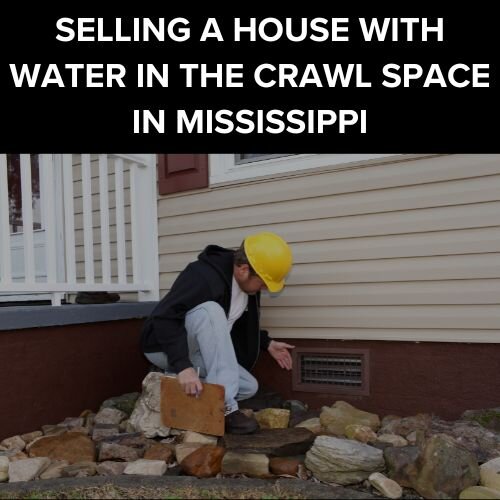
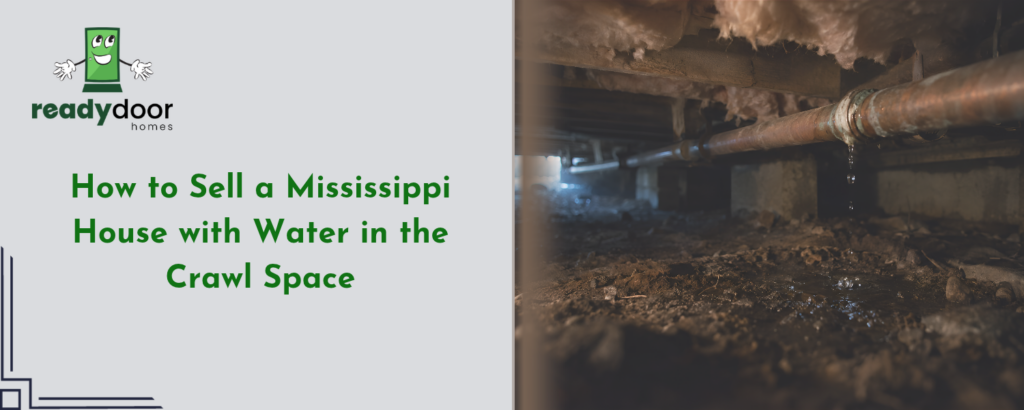
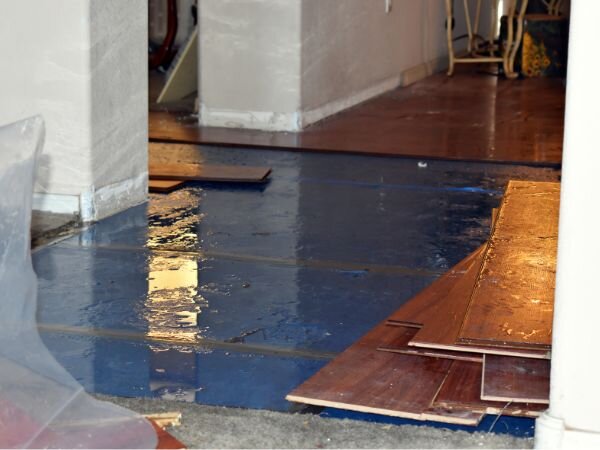
    Pop the access hatch on an older pier-and-beam house in August and your nose knows before your flashlight does. Damp earth, a sour smell, maybe a joist gone soft at one end. Buyers fear standing water under the floor more than almost anything else I run into. I’ve bought houses in this state long enough to see some version of it most months. You’ve got more options than it feels like right now.

    What Causes Crawlspace Water Damage in Mississippi Homes?

    Encapsulating a crawl space runs about $5,500 on average across the country, based on Angi’s 2024 cost data. That price exists because crawl space water damage shows up all over the country. Here, our humidity makes it worse in nearly every one I’ve walked.

    Yazoo clay runs under much of the Jackson metro, and it swells when it’s wet and shrinks as it dries. That movement cracks foundation walls and opens fresh paths for moisture, and I’ve seen it firsthand in houses built right on top of it. Down on the Coast, in Gulfport and Pass Christian, homes sit low and Gulf storms bring surge and heavy rain.

    Then there’s our air, since a vented crawl space pulls in humid Gulf air all summer, and that air condenses on cool ductwork and pipes. No storm required. Add a downspout dumping against the foundation, a slow supply line leak, or a yard that slopes toward the house, and the moisture never gets a chance to leave.

    What Water Damage Restoration Services Are Available in Mississippi?

    Selling a Mississippi Home with Crawl Space Moisture

    You don’t need the platinum package. You need the water to stop coming in, plus someone who’ll tell you straight whether the wood under your floors still holds the house up.

    Restoration crews across the state work in stages. They pump out standing water, run big drying fans, treat mold where it’s taken hold, and pull out ruined insulation. Then comes the lasting fix, which might be a heavy vapor barrier, a sump pump, outside drainage, or full encapsulation. A simple barrier is a different animal from sealing vents, insulating walls, and adding a dehumidifier.

    A few years back, a longtime landlord in Clinton called me in the middle of a divorce. He and his ex were splitting a handful of rentals, and one had water under the back bedroom. It had sat untouched for two seasons, which I see a lot when owners split property. On the Tuesday walkthrough he told me to handle it. He didn’t want to chase one more contractor estimate. Calls like that are a big part of why our company buys houses as-is.

    What Makes a House a Distressed Property in Mississippi?

    I used to think distressed meant falling apart. Wrong. Plenty of distressed houses look fine from the curb and carry one issue a lender won’t finance around.

    Standing water under the floor system is one of those issues. FHA appraisers flag it, and it has to be fixed before the loan gets approved. VA appraisers want excess moisture treated too. Most lenders get nervous when an inspection report mentions mold. A buyer with 5% down can’t close on a house their lender won’t touch, so the contract dies and your listing goes back on the market. You can see how appraisal required repairs in Mississippi change by loan type before you list.

    Deferred maintenance, inherited property nobody lives in, rot in the sill plate, a failed inspection, or insurance that won’t renew can each push a solid Mississippi home into the distressed column. Most of the time the house isn’t the problem. Financing is.

    Can You Sell a House Fast with Water in the Crawl Space in Mississippi?

    Can You Sell a House with a Wet Crawl Space in Mississippi

    That’s where a cash buyer earns a look. Statewide, homes sold for a median of $268,728 in September 2026, up 2.7% from a year earlier, with Redfin putting median days on market at 54. A clean house follows that timeline, while a property with crawl space water damage rarely does.

    Selling as-is to a direct buyer skips the appraisal, the lender’s repair conditions, and the haggling that follows a bad inspection. We buy houses in that shape all the time at Ready Door Homes, and we price the crawl space in rather than argue over it. See how the process works when you sell your house fast in Mississippi to a direct cash buyer.

    A cash offer usually comes in lower than a fixed-up retail sale. Weigh that gap against the restoration invoice and the months of bills you’d carry in the meantime.

    What Are the Most Common Questions About Crawlspace Water Damage?

    Hide the water and you could be writing checks long after closing. Mississippi sellers fill out a Property Condition Disclosure Statement under Miss. Code § 89-1-501 and the sections after it, and the Mississippi Real Estate Commission publishes the form. Nolo’s plain-English summary is a decent first read.

    Timing matters too, because a buyer who signs an offer before getting that disclosure can back out. They just send written notice within three days of personal delivery, or five days if it came by mail.

    Disclosing a known defect doesn’t have to sink your sale, especially with the right buyer. Investors and renovators read a known problem as something they can price. What wrecks a closing is the surprise, found by a stranger with a moisture meter two days before closing.

    What Do Mississippi Homeowners Say About Our Water Damage Restoration Service?

    Most sellers call expecting a contractor conversation, because that’s what everyone told them to do: get estimates, do the work, then list. Halfway through the call, the math flips. The repair costs more than it adds in value, and they’d be fronting that money on a house they already want to leave.

    That pinch hits hard on the Coast. Biloxi’s median sold price was $293,950 across the 294 closings Resideline tracked in the six months through early October 2026. A drainage system plus joist repair eats a real slice of that. Agent commissions and closing costs take another bite, and this breakdown of what it actually costs to sell a house in Mississippi shows how much.

    What sellers tell me afterward usually sounds like relief. No staging with a dehumidifier humming in the corner, and no explaining the smell to strangers on a Saturday. Our Ready Door Homes team walks the crawl space, prices what’s there, and sends a number you can take or turn down. No sales pitch comes with it, and I’ve watched visits wrap in under an hour.

    Need Water Damage Restoration in Mississippi? Call Now

    How to Sell a House with Crawl Space Water Problems in Mississippi

    Standing water under a house doesn’t hold still. It wicks into the subfloor and feeds mold on the joists, and the repair estimate climbs every month it sits.

    You’ve got two honest ways to handle crawlspace water damage. Hire a restoration crew, dry it out, replace what rotted, and list the house with receipts in hand. Or sell it as it stands and leave the dirt to the next owner. Both work. Waiting eight months for it to dry on its own is the one move that won’t, because a Gulf Coast summer never lets it.

    If you’d rather skip the contractor estimates, we’ll come see the house, crawl space included, and give you a number. No cleanup, no repairs, and no open house with a box fan running in the hallway. Here is how it works from the first call to closing day.

    Frequently Asked Questions

    Do I Have to Fix Crawl Space Water Damage Before Selling in Mississippi?

    No. Nothing in state law requires repairs before a sale. You do have to disclose what you know about crawl space water damage on the Property Condition Disclosure Statement. Plenty of houses with wet crawl spaces sell as-is anyway. Cash buyers and renovators price the problem in.

    Will a Mortgage Lender Approve a House with a Wet Crawl Space?

    Often not. FHA appraisers flag standing water, and it has to be fixed before the loan gets approved. VA appraisers want excess moisture treated, and conventional lenders can call for repairs too. That’s the main reason these houses end up with cash buyers.

    How Much Does Crawl Space Water Damage Repair Cost?

    It depends. What caused it and how long it ran both matter. Regrading the yard and redirecting a downspout usually costs far less than structural work. Encapsulation, a sump system, and new joists and subfloor together can run into five figures. Get two contractor quotes before you assume either end.

    Does Homeowners Insurance Cover Crawl Space Water Damage?

    Sometimes. A pipe that suddenly bursts is usually covered. Groundwater, seepage, slow leaks that ran for weeks, and flooding generally aren’t. Flood damage needs a separate NFIP or private flood policy. Check your declarations page first.

    How Fast Can I Sell a House with Water Damage?

    Usually one to three weeks. A cash sale typically moves as fast as the title search allows. A listed sale with repairs first takes as long as the restoration, then roughly another thirty to forty-five days for a financed buyer.

    If you’re sitting on a wet crawl space and don’t want to collect contractor quotes, it costs nothing to see what the house is worth as-is. Call or send us the address. We’ll take a look, and you can do whatever you like with the number, including nothing at all.