
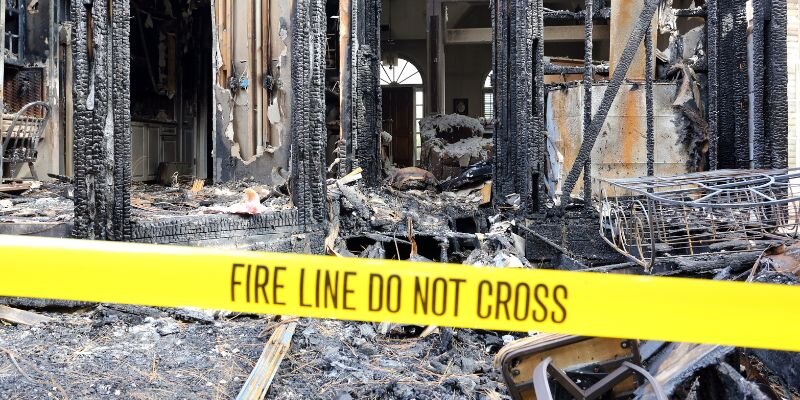
It can be stressful to stand in front of a home damaged by fire, especially when insurance delays and doubts about selling start to pile up. Even with fire damage, your stuff is still worth something. Homeowners in Tennessee, from Gatlinburg and Nashville to Memphis, still have options. For example, cash buyers are actively buying fire-damaged homes, which can make the selling process easier.
Tennessee Fire Damage Property Valuation and Appraisal Process
To find out how much a Tennessee home that has been injured by fire is worth, you need to know a lot about smoke, fire, and water damage. It’s because standard evaluations don’t always cover everything. Home inspectors who are licensed to do their job usually charge between $400 and $800 and check for more issues than just the ones that are clear. They check whether the foundation is stable, whether the roof and walls are damaged, whether smoke is getting in, whether the power isn’t working properly, and whether there are any hidden issues like mold or wood rot that were caused by putting out the fire. This is especially critical for a house with foundation issues, where fire damage can compound existing structural vulnerabilities and make accurate valuation even more complex.
There is also the matter of how prices match in the market. There is something different about this estimate because fire-damagedhomes don’t sell as often and cost more to fix up. The cost of homes in Tennessee is still going up. The middle price for a home in the state was $353,000. Even so, homes that have been damaged by fire still sell for 20% to 40% less than similar houses that haven’t been damaged. For sure, if the damage is very bad.
You should know the difference between the two types of reviews because they are not the same. Market appraisers find out how much people are willing to pay for something when the market is open. Insurance adjusters, on the other hand, determine the cost to repair or replace something. Get more than one professional opinion. If the damage is severe, it will help you deal with buyers and insurance companies more effectively. This includes views about both market value and insurance.
Tennessee Insurance Claims vs Selling Fire-Damaged Property
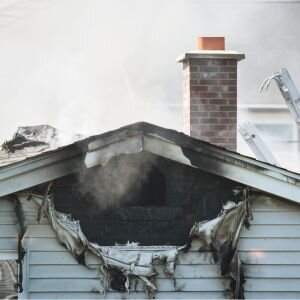
Did you have a house fire in Tennessee? You can either sell it or file a claim with the insurance company. You need to know how much money you make and how long you work at each job. Your HO-3 insurance will cover the damage to your stuff and the extra bedroom caused by the fire. This is the most common type of home insurance. The actual cost may be lower if the insurance does not cover everything. The last payment occurs 140 to 180 days after the claim is submitted. It could yet happen in a few days.
Making a fire and lightning damage claim costs a lot of money. It may be used by 77,340 persons. You may lose a lot of money if you lose $200,000. Living, rebuilding, and getting back what you lost costs money. Also, the insurance company will normally pay out the home’s actual cash value first. Older houses could drop 20% to 30% in value unless the flaws are remedied. Meaning some policies may not cover you if the house breaks down or the power goes out. That can happen if the owner is away.
If your mortgage balance exceeds the house’s current market value after the fire, or if you want to move, it might be wiser to sell it as-is than to wait for the claims process to conclude. Ready Door Homes buys fire-damaged homes in Tennessee. You don’t have to fix problems or hire lawyers to get cash out of these places. That way, they will be there quicker.
Tennessee Fire Damage House Sale Options for Homeowners
If you are a Tennessee homeowner suffering from fire damage, you have many options depending on the severity of the damage, your financial needs, and the time frame you choose. Light to moderate damage properties can still be marketed traditionally with a real estate agent after cleanup and repairs, but homes are lingering on the market longer as conditions become more buyer-friendly. Auction sales are good for homes that have suffered extensive damage, connecting sellers with contractors and investors ready to begin a repair effort.
Cash Buyer Programs are still one of the quickest and easiest options for fire-damaged property. This also applies to homeowners who need to sell a house that failed inspection, as cash buyers typically waive standard inspection contingencies. These buyers generally buy homes as-is and can close in as few as 7-14 days, with no financing contingencies, no inspections, and no repairs to negotiate. Other possibilities are wholesale assignments, in which investor home buyers in Memphis, TN, like Ready Door Homes buy and flip contracts quickly, and owner-financing arrangements that appeal to buyers who can’t get ordinary loans on damaged residences.
Some homeowners are seeking more flexible long-term solutions, such as lease-option agreements or joint ventures with contractors and investors. Then, lease options let the owners make money while still keeping ownership until the buyer has the house fixed up and exercises their option to buy. Partnerships can also help lower upfront costs by having investors or contractors make the repairs in exchange for a share of profits when the property is sold.
Fire-Damaged House Renovation Costs vs Quick Sale in Tennessee
Renovation costs are among the most crucial factors in deciding whether to rebuild or sell a fire-damaged house in Tennessee. Average fire repair expenses can range from about $3,000 up to $50,000 or more. But severe structural damage can dramatically increase costs. Big fixes such as foundation work, roof replacement, framing, electrical upgrades, HVAC replacement, smoke cleanup, water damage repairs, and mold treatment can easily add tens of thousands of dollars onto the overall project cost.
Beyond repair costs, homeowners need to consider the cost of permits, inspections, temporary accommodation, moving and storage, and mortgage payments while their house is being remodeled. Larger fire restorations can take 6 to 12 months to complete, creating enormous carrying costs while the home is uninhabitable. Market conditions also affect repair costs, as they are not always fully recovered when it comes time to sell.
For homeowners who have experienced significant damage, selling their house as-is may be the simplest and safest alternative. Ready Door Homes, a cash buyer, buys fire-damaged houses as-is, so sellers don’t have to deal with the delays, surprise costs, and financial uncertainty of restoration. This method is particularly attractive if the repair costs exceed 60% of the property’s potential post-repair value.
How to Sell Fire-Damaged Property in Tennessee Without Repairs
How can you successfully sell a fire-damaged property in Tennessee without repairing it? You need smart pricing, honest disclosures, and targeted marketing. This is the kind of opportunity cash buyers and renovation pros look for. But for success, you must sell the property as an investment opportunity and not just a damaged home. Professional photos, detailed inspection reports, bids from contractors, and structural assessments can all help a buyer to understand more about the property’s potential and need for remodeling.
Price is key, especially since homes that are severely damaged typically sell for 40% to 60% of their value after repairs. Marketing could be directed towards investor networks, contractor groups, and real estate investment platforms instead of using the traditional MLS. Flexibility in showing schedules and clear communication is beneficial in speeding up the process of buyers inspecting the property especially when there are safety issues or limited access.
Tennessee’s disclosure laws require sellers to disclose any known fire, smoke, water, and electrical damage. Good paperwork protects the seller from future obligations and builds trust in buyers in negotiations. Title and insurance issues can often be a delay in the sale of fire-damaged property, so getting these things out of the way early and working with experienced cash buyers or investors will help the closing process go a lot smoother and faster.
Fire-Damaged Home Inspection Requirements: Tennessee Sales
In Tennessee, selling a property with fire damage may involve many inspections to determine safety, structural soundness, and code compliance. Structural engineers might check out the foundations, the roofs, and the load-bearing walls. Licensed electricians will check the electrical panels and wiring for damage and determine whether the property is livable. Fire and smoke damage inspections of heating, cooling, and air quality systems are common in HVAC.
Older homes may contain hazardous materials, such as lead or asbestos, and may require environmental monitoring. Local building authorities may require that a municipality inspect the building to ensure that it is in compliance with current safety and building codes before it can be occupied or sold. Insurance companies tend to want to do a lot of investigating before they will insure a damaged house.
Pre-sale inspections help sellers find out about problems before prospective buyers do, avoiding surprises that could kill a sale. Additional professional inspections may be required for such things as pools, septic tanks, wells, detached structures, etc., depending on the property. Knowing these facts from the beginning will help to boost the buyer’s confidence and speed up the selling process.
Tennessee Fire Damage Property Disclosure Laws for Sellers
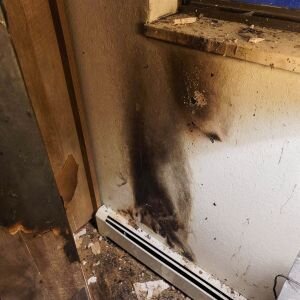
Tennessee disclosure laws compel sellers to submit written notification of all material defects they are aware of when selling a fire-damaged property. The Tennessee Residential Property Disclosure Act compels sellers to disclose fire, smoke, electrical, water damage, and other hazards that materially influence property value, safety, or habitability. Failure to report known concerns can result in legal liability, contract cancellation, and monetary penalties. Usually, it is better to lean toward over-disclosure than to omit crucial material.
Supporting data such as insurance claim records, inspection reports, contractor estimates, and repair receipts can also help buyers gain a clearer understanding of the property’s condition, while demonstrating transparency. In Tennessee, disclosure is generally required three business days after contract acceptance, but earlier delivery can help to attract more serious buyers and avoid delays. Also, working with experienced real estate attorneys or agents can help ensure compliance, especially if new issues arise during the selling process and additional disclosures become essential.
Selling a Fire-Damaged House As-is: Tennessee Property Laws
As-is sales can help homeowners sell fire-damaged properties faster while reducing sellers’ liability for future repairs. However, Tennessee law still demands accurate documentation and complete disclosure of known material problems, including fire, smoke, water, and electrical damage. The contract must state that the buyer is purchasing the property as is and accepts the known risks of damage for it to be enforceable as is.
And even if you sell “as-is,” buyers can still inspect the property and back out of the sale if the inspections reveal conditions they don’t want to take on. As-is conditions usually relieve the seller from the duty to make repairs, but they don’t eliminate disclosure requirements or insulate sellers from deliberately concealing problems. Appropriate warranty disclaimers are also crucial for limiting potential post-closing claims regarding the property’s habitability, fitness, or condition.
As-is sales involving fire-damaged residences are greatly helped by the professional advice of expert real estate agents and attorneys. Investors and contractors are generally more comfortable buying as-is than a traditional buyer, who may be more apprehensive, especially if financing is involved. Maintaining thorough documentation, including contracts, disclosures, inspection reports, and signed buyer acknowledgments, provides legal protection for sellers and ensures compliance with Tennessee real estate law.
Cash Buyers for Fire-Damaged Houses in Tennessee Markets
Tennessee cash buyers are a significant part of the market for fire-damaged properties. They are aware of the cost to repair a house, the permits required in the area, and the problems associated with buying distressed homes. In towns like Nashville, Memphis, Knoxville, and Chattanooga, investor networks are actively looking for fire-damaged buildings, and wholesalers and online investment platforms help connect sellers with local and national buyers who have the resources and ability to tackle these projects.
Direct marketing to investors, real estate investment organizations, and cash buyer networks is often more effective than relying solely on regular MLS listings for damaged properties. Sellers should focus on dealing with qualified buyers who can present proof of cash, recent buying activity, and competence with refurbishment projects. Sometimes you might get a better price by creating a competitive bidding environment among a few cash bidders, either through traditional auction-style bidding or sealed-bid offers.
Ready Door Homes is a professional cash buyer that buys fire-damaged homes across Tennessee and often offers a rapid, fair cash offer without making repairs or negotiating for days. Cash purchases often settle in 7 to 21 days because there are no financing delays, appraisals, and various inspection variables that can bog down regular sales. The speedier process allows homeowners to get through hard situations and move on with less stress.
Tennessee Real Estate Agents Specializing in Fire-Damaged Properties
When it comes to selling fire-damaged properties, real estate experts who specialize in this area are highly significant since they know the disclosure requirements, pricing methods, and buyer prerequisites for damaged homes. General brokers don’t study refurbishment costs, insurance challenges, and investor buyer pools to develop reasonable pricing and profitable marketing strategies. With their understanding, they can clearly present the properties while emphasizing each property’s potential. And they know how to reach qualified buyers effectively. They also pre-qualify prospects so that buyers know the property’s quality and have the financial resources required, reducing wasted time and increasing the likelihood of serious offers.
Beyond marketing and price, these agents also bring value through smart negotiation and the ability to manage complex sale. When they’re looking at offer and arranging transactions, they take into account things like the cost of repairs, how long it takes to secure permits, and the hassles of financing. They also liaise with insurance companies, contractors, inspectors, and municipal agencies to keep transactions running despite added difficulties. Commission schemes differ because of the extra work involved and are often divulged up front. They also work with specialists such as contractors, attorneys, and inspectors who are familiar with damaged properties and can be beneficial throughout the selling process.
Tennessee Fire-Damaged House Buyer Financing Options Available
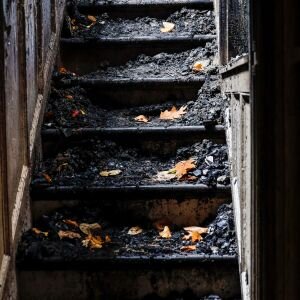
Limited, but available, financing options exist for fire-damaged houses through alternative programs and specialist lenders. Understanding them helps sellers locate eligible buyers and build a workable sale. The normal mortgage route is seldom available because most lenders want livable homes that meet minimum criteria, which is rarely the case with fire-damaged homes until they are extensively repaired. An attractive alternative is the FHA-backed 203(k) rehabilitation loan, which allows buyers to roll the purchase and renovation costs into a single loan, up to $625,500 in total. Buyers must present detailed remodeling proposals, contractor estimates, and longer closing dates (think 45 to 60 days).
Other financing options are available for investors and non-traditional buyers. Hard money lenders focus on the property’s value, not the borrower’s credentials, and can close in 10 to 21 days. The interest rates are much higher (about 10% to 15%), but they are a perfect fit for short-term rehabilitation projects. Private lenders offer more flexible, customized terms such as interest-only payments and balloon structures. Cash buyers are still the quickest and most certain, often closing in 7 to 14 days with no financing conditions. Seller financing is another option that broadens the buyer pool by providing owner-based payment structures. Partnership arrangements (where buyers pool resources) and lease-option agreements also allow buyers to control the property while preparing for future purchase or financing.
Selling a Fire-Damaged House: Tennessee Mortgage and Lien Considerations
Selling houses that have been damaged by fire can be particularly challenging because of the mortgage and lien issues, since the insurance proceeds, contractor liens, existing mortgages, and other claims may not all agree on what is left of the value of the property. The mortgage payoff calculations should include proceeds from insurance as well as proceeds from the sale. The insurance proceeds are normally paid to the lender first, with the usual loan agreement, and can be used to make repairs or to pay off the mortgage. If the insurance and selling profits are greater than the mortgage balance, the sellers could have some money left to move or other needs. If that amount, combined with any other amounts, is less than the mortgage balance, a deficiency obligation may arise. Property taxes must be paid until the sale. If taxes are delinquent, liens must be paid at closing. This further reduces net proceeds.
Another major risk is contractor liens, particularly when emergency repairs, debris removal, or stabilization work was done after the fire and remains unpaid. Before a good title can be delivered to buyers, these liens will have to be cleared. Short Sales: If the sale proceeds are not enough to cover the mortgage obligations, a short sale may be required. This process takes 60 to 120 days to complete with lender approval. It also includes the detailed validation of financial data. Tennessee does allow deficiency judgments after a short sale, but lenders can give up that right in negotiations if they wish to pursue unpaid balances. In more difficult financial situations, depending on the seller’s circumstances, bankruptcy options such as Chapter 7 (which may discharge mortgage obligations) or Chapter 13 (which reorganizes debt) may also be options.
Financial and legal issues are intertwined; professional help needed in the sale of fire-damaged property. Experienced agents, real estate lawyers, and accountants can help you avoid costly mistakes by guiding you through lien settlement, mortgage negotiations, insurance coordination, and closing procedures. Using this knowledge, they ensure all claims are handled correctly and that sellers know exactly what net proceeds and risks are associated with the deal.
Selling a Fire-Damaged House: Tennessee Tax Implications Guide
The tax ramifications of selling homes burned in a fire are complex and multifaceted, involving several overlapping issues, including capital gains, insurance proceeds, casualty loss deductions, and potential property tax reassessments. Calculating capital gains becomes a bit more complex because the IRS treats insurance proceeds as part of the total sale proceeds. If the combined insurance and sale proceeds exceed the property’s adjusted basis, capital gains tax may apply to the difference. Insurance revenues also have tax implications depending on how they are used. Generally, money used for repairs is not taxed, but sums in excess of repair costs may be taxed. Insurance proceeds used to buy replacement property that qualifies may be eligible for tax deferrals under the regulations for replacement property.
Substantial relief from uninsured fire damage can be found in casualty loss deductions. Taxpayers may deduct certain losses on their tax returns, but income and other limits restrict these deductions. In eligible transactions, taxpayers may realize a significant tax benefit by reinvesting insurance funds into replacement property within the mandated periods, deferring capital gains taxes. Some counties are also going to re-evaluate fire-damaged properties and provide refunds for overpaid property taxes, so there’s that layer of financial relief to consider as well.
Other tax considerations may include moving expenditure deductions in select cases, such as relocations for work; most personal moves no longer qualify under current tax legislation. Sales of property destroyed by fire often involve complex interactions among insurance, sale proceeds, and tax requirements, so professional tax preparation is critical to ensure compliance and maximize potential benefits. Adequate paperwork, including insurance claim records, repair estimates, and sale documents, is also necessary to support tax positions and safeguard against any IRS audits.
Frequently Asked Questions
Can You Sell a House with Fire Damage in Tennessee?
Yes, you absolutely can sell a house with fire damage in Tennessee. Many investors and cash buyers actively seek fire-damaged properties for renovation projects. The key is pricing appropriately for the condition and being transparent about all damage in your disclosures.
What Makes a Fire-Damaged House Unable to Sell?
Extreme structural damage that makes rebuilding costs exceed the property’s after-repair value can make houses difficult to sell. Properties with environmental contamination, foundation failure, or those located in declining neighborhoods may struggle to attract buyers even at reduced prices.
How Hard Is It to Sell a House with Significant Fire Damage?
Selling significantly fire-damaged houses requires specialized marketing to reach investor buyers rather than traditional homebuyers. While the buyer pool is smaller, qualified investors often move quickly and pay cash. Working with experienced agents or cash buyers, such as Ready Door Homes, can considerably streamline the process.
What devalues a fire-damaged house the Most?
Structural damage, electrical system destruction, and extensive smoke penetration typically result in the greatest loss of value. Hidden damage like compromised foundations or extensive water damage from firefighting efforts can also significantly impact value. The combination of multiple damage types compounds the effect on property value.
If you’re dealing with fire damage to your Tennessee property, you don’t have to navigate this alone. Whether you’re in Nashville’s Gulch, the mountains near Pigeon Forge, or anywhere else across the Volunteer State, there are people ready to help. I’ve seen hundreds of homeowners successfully move forward from fire damage, and you can too.
Ready Door Homes has helped countless Tennessee homeowners sell fire-damaged properties quickly and fairly. Their team understands the unique challenges posed by fire damage and can offer tailored options for your specific situation. If you want to explore your options without pressure or obligation, reach out to Ready Door Homes.
Remember, fire damage isn’t the end of your story. It’s just the beginning of your next chapter.
Helpful Tennessee Blog Articles
- Can You Sell a House with a Lien in Tennessee?
- Paperwork for Selling A House By Owner in Tennessee
- Selling a House with Delinquent Property Taxes in Tennessee
- Can You Sell a House with Tenants in Tennessee
- Sell Your Water-Damaged House In Tennessee
- Sell Your House With A Reverse Mortgage In Tennessee
- Selling Your Tennessee Home With Mold Issues
- Sell Fire-damaged House in Tennessee
- Does a Seller Pay Closing Costs in Tennessee
- Can You Sell A House That Failed Inspection In Tennessee
- How To Sell A House With Foundation Issues In Tennessee
- How to File a Quitclaim Deed in Tennessee
- Selling A House That Needs Repairs In Tennessee
- Can the Seller Back Out of A Contract in Tennessee
- Can You Sell a House With Termites in Tennessee