
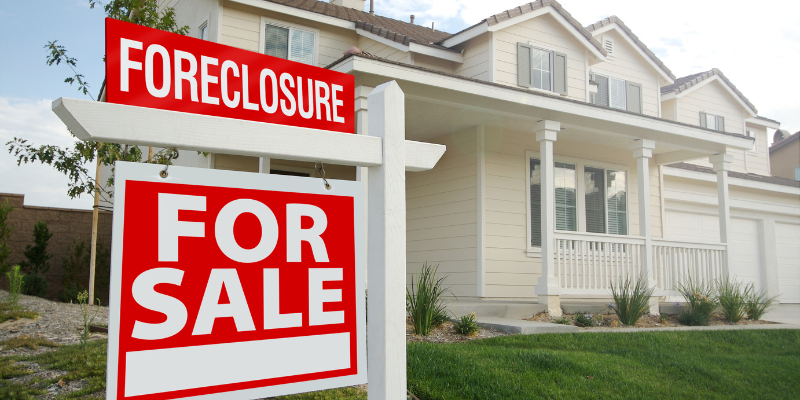
If you want to sell your Memphis, TN home, it can be hard to figure out how to deal with the complicated world of foreclosure. Before you sign a deal, you need to know the rules and steps that make up Tennessee’s default process. This full guide has all the information you need to sell a foreclosed home, with step-by-step instructions and tips from experts to help you do your best. If you’re having a hard time with money or are just looking into your options, finding the available ways can help you calm down and see things more clearly. Learn everything you need to know to sell your Memphis home that is in foreclosure.
Key Highlights
- Understanding Tennessee’s unique foreclosure laws is crucial to navigating property sales during foreclosure.
- Judicial foreclosure involves court processes, while nonjudicial foreclosure is quicker and often cheaper.
- Selling a home during foreclosure can minimize credit damage and financial loss.
- Effective foreclosure strategies include loan modifications, refinancing, and legal consultation.
- Nonjudicial foreclosure in Tennessee allows rapid property sales without court involvement.
Understanding Foreclosure in Memphis, Tennessee
Tennessee has its own rules and processes that make it harder to deal with foreclosure. Foreclosures happen in this state, and you need to know how they work if you are going through them or want to buy one. There are different ways to go through foreclosure in Tennessee, which can have different effects on buyers and landlords. This part talks about the different kinds of loans and how foreclosures work. It also talks about which loans are handled by the courts and which are not. You can better deal with the risks and problems that come with Tennessee foreclosures if you know these steps. They will also help you make smart choices about homes in this situation.
What is the Foreclosure Process?
The default process starts when a person doesn’t pay their mortgage. This could lead to either a nonjudicial or judicial default in Tennessee, depending on the terms of the mortgage contract. That is the most usual type of foreclosure. In this type, the seller can sell the house without the court getting involved. This makes the process go faster, which speeds up the sale. Most of the time, this way is faster and less expensive, but you have to follow the Tennessee eviction laws to the letter when it comes to steps and notices.

To go through the default in Tennessee, you have to do a few things. The first is a government warning of default. In this document, the homeowner is told about their debt and the upcoming foreclosure proceedings. Most of the time, the letter is sent after 90 to 120 days of non-payment. This is your very last chance to make things right. That’s when the customer can talk to the lender and maybe work out a new deal for the loan so the house doesn’t go into foreclosure. It’s important to know the steps of the foreclosure process because it shows you when to do things and what your legal duties are.
Even after the foreclosure sale, Tennessee law lets people get their homes back. This part of the process is very important. The first owner can get back into their home by paying off all of their debts during this time. This isn’t always possible, but it’s sometimes the only way to get the ball back. A neutral trustee oversees the foreclosure process in Tennessee. This person makes sure that everyone is treated fairly and stresses how important it is to balance the rights of both the renter and the lender.
You need to know a lot about both judicial and nonjudicial loans in Tennessee if you want to quickly get through the default process. Each type changes the amount of time and choices that landlords and people who might want to buy their homes have. You can learn more about Tennessee’s foreclosure rules by talking to a foreclosure expert or hiring a lawyer. This will help you make smart decisions during the foreclosure process. People who know a lot about the foreclosure process can make smart decisions, limit the amount of money they could lose, and look at their options, such as selling the home during default.
Struggling with foreclosure in Memphis? The Ready Door Homes Team can guide you through a fast, hassle-free home sale so you can protect your credit and move on stress-free.
Types of Foreclosure: Judicial vs. Nonjudicial Foreclosure
People who buy or rent property in Tennessee need to know the difference between judicial and nonjudicial repossession. In these different ways, the speed at which a default can happen and the rights of everyone involved are greatly changed. People who are in judicial default have to go through the court system to fight or slow down the process. However, it usually takes longer and costs more to do so. Foreclosure that doesn’t go to court, on the other hand, speeds up the selling process and costs less, but the borrower has less power to fight the process.
In Tennessee, the lender has to sue the borrower to get a court default. In the official process, this starts the court case, where the borrower is called to present any arguments. Lenders feel safer with this method because a lawyer can look over the borrower’s case. However, it may take longer and cost more. Even though it doesn’t happen very often, judicial foreclosure is sometimes the best option. It depends on the borrower’s situation and how complicated the mortgage deal is. It is quick and easy to remove someone without going to court in Tennessee, on the other hand.
This works because of the power of sales language, which you can find in the mortgage or deed of trust. When someone doesn’t pay back a loan, the manager, not the lender, starts the property’s sale. This means that the ways of giving notice that are required by Tennessee law must be strictly followed. Some of these are public warnings and time limits that protect the borrower’s rights while speeding up the foreclosure process. Choosing the right method changes important things, such as how long you have to sell the house, how likely it is that you can get the loan back, and how you can question the sale. There are pros and cons to both judicial and nonjudicial evictions.
These things can help you make smart decisions when you’re negotiating terms, taking steps to keep your home from going into foreclosure, or looking at your sale options to keep your home from going into foreclosure. The way foreclosures work in Tennessee shows how important it is to pick the right road based on your legal, financial, and emotional state. It can make a big difference for people who are having trouble paying their loans, whether the sale goes through the courts or not. People can make it through Tennessee’s complicated foreclosure rules if they stay informed and get help from a professional. After that, they can make smart choices to protect their own interests and their money during these tough times.
The Impact of Memphis, TN Foreclosure Laws
Tennessee has its own rules about mortgages that are very different from those in other states. These rules have a big impact on foreclosures in Memphis. People who own homes in Memphis need to know these rules in order to do well during the rough seas of foreclosure. Tennessee has rules that explain how to handle both judicial and nonjudicial foreclosures. These rules decide whose rights are affected, when they happen, and how much they cost. For people in Memphis who are facing foreclosure, these rules are also very important because they explain things like default notices, redemption times, and the steps that need to be taken. People who own homes can better deal with issues and think about their options, like selling their homes during foreclosure, if they know how the law works.
How Tennessee Laws Affect the Foreclosure Process
In particular, the rules for evictions in Tennessee have a big effect on how they work in Memphis. These rules spell out what you need to do to keep your home from going into debt. They tell both lenders and borrowers what their rights and responsibilities are and when payments are due. In order to keep their home, people in Memphis or Tennessee who are facing foreclosure need to know how these rules work. These laws set the rules for foreclosures and protect both the borrowers’ and lenders’ interests during the whole process. So, knowing these rules can make a big difference in how the default goes.
The rules for foreclosure in Tennessee are different because they allow for two main kinds of foreclosure: judicial and nonjudicial. This type of foreclosure doesn’t happen very often, but the court oversees it and gives owners the chance to fight the sale. So, borrowers are helped because they get to go to court and make their case. However, the foreclosure process takes longer and costs more to fight. The lender is sued to start the official process of a judicial foreclosure. The judge can extend the deadline by taking time to think about it and giving the person a chance to appeal.
It’s important to know when a court foreclosure might be the best option, especially when there are a lot of issues or disagreements. In Memphis, on the other hand, settlements that don’t go to court are more usual and speed up the process. The “power of sale” clause that is usually part of a mortgage deal is used in this way to sell the house without going to court. To protect the borrower’s rights, Tennessee’s default laws say that strict notice rules must be followed during the process. Giving the public notices at the right time and making sure the borrower knows when they need to react are both parts of this. People should have a good chance to fix the problem before the sale.
Understanding how Tennessee foreclosure laws work can be overwhelming, but you can contact Ready Door Homes to sell your Memphis home quickly and safely, protecting your rights and easing the stress of the process.
There is also a redemption term in Tennessee’s foreclosure laws. This is a time when borrowers can get their property back by paying off their debt in full, even after the foreclosure sale has already taken place. It will be hard to make ends meet right now, but this is the last chance for people to keep their homes. People who own homes in Memphis and are thinking about this option should know the exact rules and due dates for this pardon right. Also, these rules make it clear what an independent trustee’s job is during a nonjudicial foreclosure process. The trustee’s job is to keep an open eye on the process and make sure that all the rules are followed and that everyone is treated equally. People need to believe in the legal system, so it’s important to be fair and follow all the rules set by the law when evicting someone.
The main goal of Memphis’s foreclosure rules is to protect everyone involved and make it easy to quickly settle mortgage debt. For people whose homes are in foreclosure, knowing these rules can help them not only get through the process but also look at other options, such as selling their homes during foreclosure to cut down on losses. If homeowners know about Tennessee’s individual foreclosure laws, they can plan their next steps in a way that may help them avoid the worst effects of default and keep their money safe.
Can You Sell a House in Foreclosure in Memphis, TN?
A lot of Memphis, TN, homeowners can sell their houses when they are in foreclosure. To make the most of this chance, you need to know how Tennessee foreclosures work and what your rights are. If someone has stopped paying mortgage payments on a house that is in foreclosure, the lender has started the process of selling the house. People who own a home can still change the outcome of the foreclosure process by selling their home before it’s over. This way could help you avoid major credit damage and money loss. We’ll talk about what you can do and how to sell your home while it’s in foreclosure.
Options to Sell a House During Foreclosure
The lender’s date for the foreclosure sale can make a person who is in default feel stressed. Still, you should know that selling a foreclosed home is not only possible, but also a good idea to keep your money from getting worse. One thing that might work is a quick sale. In a short sale, the house is sold for less than what is still owed on the mortgage, as long as the lender agrees. People who make this choice may be able to avoid the shame of a full default and also find it easier to pay off their debt. Before the banker agrees to the short sale, they need to know about the money issues and why a short sale is better than default.

Since lenders want to get back as much of the loan as possible, they may be more likely to agree to a short sale if you can show them a plan that will work and help them get the most money back. You could also look into a pre-foreclosure sale. One way to do this is to put the house on the market before the foreclosure sale. This gives the owner a chance to get some of their home wealth back. It is very important for people in Tennessee to know the notice and timeline rules for the foreclosure process. These rules help people make smart decisions about whether to sell or not.
A homeowner has a better chance of selling their home before the foreclosure is finalized if they put it for sale quickly and at a price that is competitive. There are also public sales, though they happen less often. They can settle the bills and speed up the sale. People who want to buy foreclosed homes are often willing to make deals that are good for both the lender and the borrower. You may also be able to avoid foreclosure by negotiating with the lender. For example, the homeowner may give the property to the lender willingly in exchange for not having to pay the mortgage.
This keeps the homeowner’s credit from getting hurt by default, even though there isn’t a normal sale. No matter what choice is made, it is important to stay in touch with the lender and any possible buyers and be open and honest with them about the sale. Learn about and think about these options to get the help homeowners need to get through a foreclosure. With this, they can move into homes that are better for their current budgets without having to deal with the long-term effects of a foreclosure sale.
When foreclosure looms, investor home buyers in Memphis and other cities in Tennessee can provide a fast, hassle-free sale so you can move forward with confidence.
Steps to Sell Your Home Before Foreclosure Completion
You need to plan ahead and act quickly if you want to sell your home before it goes into foreclosure. Also, you should know how Tennessee’s rules on foreclosure affect the process and how long it takes. To find out if you can even sell your home, the first thing you need to do is figure out how much money is in it. People who own homes need to look at their bills and the home’s market value to make sure that the sale will be enough to pay off the mortgage. To avoid a default sale, this is a very important step.
You need to talk to the lender about a short sale or a mortgage change if the bills are more than the home is worth. Setting the right price is very important once it’s clear that the house can be sold. Setting prices that are competitive will help the deal go smoothly before the Tennessee foreclosure auction. The house may sell faster if you set the price low in a market with lots of other homes for sale. This makes the deal more appealing. Also, it’s important to know how long you have to get your house back under Tennessee’s rules for default. This window gives homeowners a small but important chance to get back in charge of the sale of their home by letting them settle their bills before the sale is finalized. If you talk to the lender in an open way, you can often find answers that work for everyone and help both the homeowner and the lender reach their goals.
Getting past red tape can be hard, but keeping the lender informed about possible buyers and offers shows initiative and can often buy you important extra time. Following Tennessee’s rules on foreclosure, trustees take care of the process for the loan. They can also help you figure out when things need to be done and what steps need to be taken. As soon as possible, talk to potential buyers and be clear about the status of the sale. This can sometimes save talks that look like they are going to fail. People will also be more likely to buy if you buy a foreclosed home instead of going through the normal estate sale process.
If you’re careful and negotiate well, you can make the scary process of foreclosure easier to handle. This can help people sell their homes and maybe even avoid going through the full financial pain. People can protect their credit, make sure they are treated fairly, and move on, maybe into a new home, while the financial effects of losing their home are still fresh in their thoughts if they stick to a plan.
Strategies to Stop Foreclosure in Memphis, TN
It can be scary to think about going into default, but it’s important to know what to do. TN homeowners can stop going into default and fix their funds in a number of ways. Taking legal action or taking steps to avoid problems can both help and maybe even solve the problem. This part talks about good things that people can do to keep their homes from going into foreclosure. There are steps that people can take and legal rights that people can use to lessen the damage that foreclosure does to their homes.
Effective Methods for Homeowners to Avoid Foreclosure
People in Tennessee who own homes and are in danger of losing them should first learn about and use the choices that are available to them under state law. Talking to your lender right away is one of the best things you can do to keep the default from going to a public auction. To keep houses from going into foreclosure, it’s very important to stay in touch. Most of the time, lenders will work with you to change your loan or make new payment plans that will keep your home from going into foreclosure.
Once you get a loan modification, you can change the terms of the loan. For example, you can lower the interest rate or give yourself more time to pay. This restructuring might make it easier for homeowners to pay their bills, which might keep them from going into foreclosure. An agreement to wait is another good option. In this kind of deal, the lender temporarily lowers or stops the homeowner’s mortgage payments. This gives them time to fix their money problems. When you’re having short-term money problems that you think will go away soon, these deals can really help. In this way, you can start making payments again as soon as things level off.
People who want to change their loans should talk to their lenders and think about the pros and cons. A refinance gives you a new loan to pay off the old one. Most of the time, the terms or interest rate on the new loan are better. If you can refinance and your home is worth enough, you might be able to get lower monthly payments and make your loan last longer. You can escape foreclosure and feel less stressed about money if you do this. Before you decide to borrow money, you should carefully weigh the costs against the money you could save. This will help you make the best long-term decision. If you want to know if refinancing is the best choice for your case, talk to a financial advisor or lawyer who deals in foreclosures.
Tennessee’s foreclosure rules can help a homeowner figure out what their legal options are. Talking to a lawyer who knows these rules can help them handle more difficult situations. A lawyer might be able to help you understand and use your rights when it comes to deficiency decisions or to fight any wrongdoings during the foreclosure process. The lender must follow all of Tennessee’s strict rules for default, which can be ensured by a lawyer. You’ll be safe this way, and the process might even slow down, giving you more time to figure out what’s wrong.
Some people who can’t keep up with their homes might also want to sell them to keep them from going into debt. It’s possible to keep your credit score high and avoid getting a deficiency decision if you sell your home. You can take care of your debts, move on to a new home, and meet your obligations if you set up a pre-foreclosure sale or a short sale with your lender’s permission. One of the best ways to escape the long-term effects of default is to sell. However, this may not be the best choice for everyone.
Finally, people who own their own homes should know about government programs that assist people who are having trouble paying their debts. Government and state services might be able to help you keep your home from going into foreclosure. These include everything from financial advice to mortgage help programs that can help you change your loans and stop the default process. Homeowners who learn about and use these tools can feel much safer and more at ease, which can help them stay in their homes.
To stop foreclosure, you need to use a variety of strategies that are based on a good understanding of the choices you have and are tailored to your particular situation. Tennessee homeowners who are facing foreclosure can plan their way through the process by talking to lenders, looking into refinancing, getting legal help, thinking about different ways to sell their homes, and looking into government aid. So, they can be sure to use all the tools at their disposal to secure their financial future.
Worried about foreclosure in Tennessee? A company that buys homes in Bartlett and nearby cities in Tennessee can help you sell quickly, protect your credit, and take control of your financial future.
| Strategy | Action Steps | Benefits | Considerations | State-Specific Guidance |
|---|---|---|---|---|
| Loan Modification | Negotiate terms, lower interest | Reduced monthly payments | Requires lender approval | Varying eligibility criteria |
| Refinancing | Apply for new loan terms | Potentially lower interest rates | Closing costs involved | Subject to state regulations |
| Short Sale | Sell for less than owed | Avoids foreclosure on record | Can impact credit score | Legal requirements differ |
| Repayment Plan | Catch up on missed payments | Reinstates original loan | Requires consistent payments | Specific conditions may apply |
| Forbearance | Temporary payment suspension | Allows recovery time | Interest continues to accrue | Varies by lender and state |
This table provides an overview of effective strategies to manage and potentially avoid foreclosure, emphasizing proactive and informed approaches aligned with state-specific considerations.
Navigating the Foreclosure Process in Memphis, TN
You need to know all of Tennessee’s default rules in order to go through the foreclosure process in Memphis. All buyers, present and future, should pay close attention to this. People who have gone into default have stopped making their mortgage payments. This lets the lender begin the foreclosure process. In Tennessee, the process of foreclosure can be either court-ordered or non-court-ordered. How long it takes to get rid of the property and the rights of both the renter and the lender are different for each type. It is easier and faster to remove someone without going to court in Tennessee. The lender can sell the house through this process without the court getting involved. This makes the foreclosure sale go much faster. To protect the borrower’s rights, however, strict adherence to the foreclosure notice processes set out by Tennessee law is needed.

The very first thing that needs to be done to foreclose is to send a letter of failure. Most of the time, this is sent after several late payments. It’s a legal notice that the homeowner has broken their mortgage and that the house will be sold at foreclosure if the debt isn’t paid. At this point, it’s very important to talk to the service. You might be able to find other ways to stop the sale if you try to discuss, such as loan modifications or a repayment plan. The homeowner may be able to find answers that work for them and stop the foreclosure process from going forward if they talk to the lender.
To fix issues after a foreclosure sale in Memphis, it’s important to know the rules about foreclosures. People in Tennessee who have lost their homes can get them back by paying off their bills during a time called “redemption” that comes after the foreclosure process. This window is a key part of the Tennessee seizure process, but if you don’t have enough money, it might be hard to use.
Another option is to look into the option to sell the house during the sale. When you put a house on the market at the right time and price, it might sell quickly and avoid going to auction. A short sale is also a good choice. In this case, the seller agrees to take less than what is owed. At this point, the homeowner may still have to pay some money, but their credit score will be much better.
The most important things to think about during the Memphis seizure process are the laws. You need to make sure that you follow Tennessee’s eviction rules at all times to protect your own interests. To make smart choices in the difficult world of foreclosures, you should talk to a lawyer or an expert on the subject. They can help you understand your rights and responsibilities better. Homeowners in Memphis who are facing foreclosure can find good choices, like selling the house to avoid going through foreclosure at all, if they know these steps and rules. This will protect their credit and financial future.
Need to sell your home? Get a fast, hassle-free sale without expensive repairs. Call us at (901) 499-3555 for a fair cash offer. We take care of all the details and make the process easy.
FAQs:
What is the difference between judicial and nonjudicial foreclosure in Tennessee?
Judicial foreclosure involves court proceedings, offering borrowers a chance to contest the foreclosure, while nonjudicial foreclosure skips the court, leading to faster and cost-effective home sales.
Can selling a home during foreclosure minimize financial damage?
Yes, selling a home during foreclosure can help minimize credit damage and financial loss by settling debts before the foreclosure sale affects credit scores.
What strategies can help prevent foreclosure in Tennessee?
Strategies include loan modifications, refinancing, and legal consultation. Communication with the lender and exploring government assistance programs also offer pathways to avoid foreclosure.
How does the notice of default impact the foreclosure process in Tennessee?
The notice of default initiates the foreclosure process, providing the homeowner a chance to settle debts or negotiate with the lender before a foreclosure sale occurs.
Is there a redemption period after foreclosure in Tennessee?
Yes, Tennessee law allows a redemption period after the foreclosure sale, giving homeowners a chance to reclaim their home by paying the full foreclosure debt, although financially challenging.