
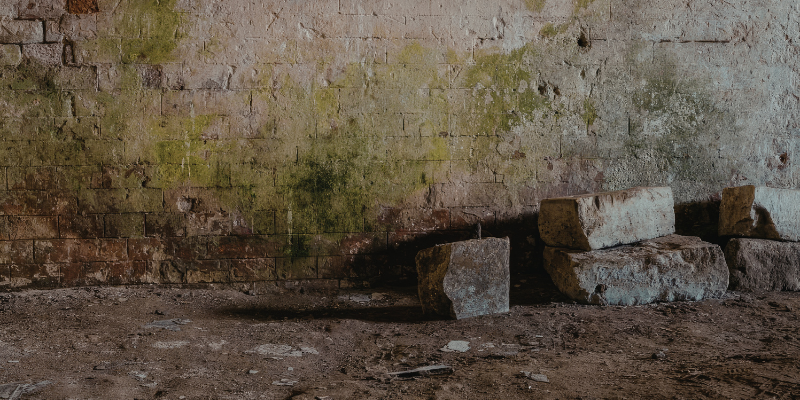
Finding a buyer for a home with mold problems in Tennessee is only the beginning. Important laws affect every seller that need to be understood prior to listing a home. Mold homes have closure laws, mitigation laws, and laws that protect sellers from liability post-sale. In severe cases, untreated mold can even render a property uninhabitable, turning what was once a manageable issue into a condemned house situation that complicates any future sale. The difference between a positive home sale and an expensive legal battle is properly handling a home sale affected by mold. This guide provides the legal laws of Tennessee, mold mitigation suggestions, and the best practices to orient the seller with the laws so the sale can be successfully completed with confidence. For sellers who want to skip the complexity entirely, Ready Door Homes purchases mold-affected homes as-is, offering a straightforward and hassle-free alternative.
Tennessee State Laws Governing Mold Inspection and Remediation Before Sale
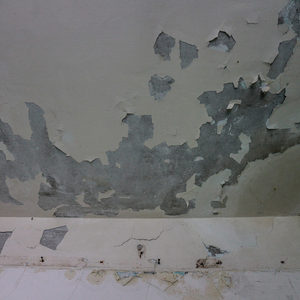
Mold is a material defect that must be disclosed. Mold is definitely a material defect. Under law, things like mold and water issues and foundation issues need to be disclosed on the Tennessee Residential Property Condition Disclosure form, which is also required to be filed with the property at closing. Tennessee law doesn’t require sellers to uncover unknown issues by doing their own mold inspections, but mold, once you know of its existence, has to be disclosed. Failing to disclose mold can expose sellers to lawsuits, contract cancellations, and fraud claims if mold is not identified and disclosed.
Tennessee law gives sellers meaningful flexibility in terms of mold being a material defect in the law, and while disclosure is mandatory, remediation is entirely at the seller’s discretion. Under Tennessee law, if a mold issue exists and is disclosed, the seller has the option of mold remediation or any combination of other seller options, i.e., selling the home with a price reflecting the existing mold to a buyer fully aware of the mold, completing full remediation to eliminate the issue, and potentially increasing market value. Understanding these options allows sellers to make the most informed decision for their situation.
Professional Mold Testing and Certification Requirements for Home Sales
Tennessee regulations do not require sellers to provide professional mold testing; however, buyers may request testing as part of a home inspection, and it can drastically alter the transaction. The average cost of performing a mold test is between $250 and $650, but it can range up to $1,000 depending on the size and severity of the mold. A certified mold professional can test the extent of the problem and how large the infestation can potentially get. Documenting testing and results is a good idea because it helps guide proper mold remediation so as not to waste time and resources on negative growth. Testing not only helps the decision-making on remediation, but it also helps to document the circumstances of the infestation.
Professional testing can actually work in a seller’s favor. If a seller’s home test is on a professional level and there is no mold, it gives buyers confidence and can help accelerate the transaction. However, if a test does show mold, the sellers can utilize this information to document the extent and severity of the mold. It is also a good practice to help inform buyers of the extent and severity of the mold growth. Professional testing demonstrates transparency and can meaningfully help close the transaction. With testing, it also shows that the seller is not trying to hide anything and can help with closing the transaction. If you are looking to sell your water-damaged house, this transparency is especially important to move the process forward.
Environmental Testing Standards for Mold Clearance in Tennessee
According to Tennessee law, it is necessary for sellers to disclose all known material defects, which include all known forms of mold. Tennessee Code Annotated Section 66-5-210 lays out requirements on seller disclosure, and it includes mold, moisture, and other defects that sellers have actual knowledge of. Most importantly, and unlike other cases where a seller might be relieved of liability if a defect is resolved or remediated, the seller is responsible for fully disclosing the mold issues, even if these issues have been remediated. It is for the protection of the seller from liability claims in the future and for the protection of the buyer, so they are adequately informed about potential defects.
Certain laws must be followed in Tennessee when it comes to disclosing known issues that arise from mold. Buyers have the right to pursue legal action if undisclosed mold is discovered after closing. There are methods used to conceal mold rather than properly remediate it. It is Tennessee law that if a seller knows of certain defects and does not disclose them, they can be found to have committed fraud. Full disclosure makes it far easier to defend against disputes that may arise after closing.
Cost-effective Mold Removal Strategies for Tennessee Homeowners
Mold remediation in Tennessee costs about $1,223 – $3,754, with most companies charging $10 – $25 per square foot. Extensive damage can push costs to $7,000. For areas with damage of less than 10 square feet, it’s recommended to use gloves and a mask with proper ventilation and some household cleaning products. The removal method is endorsed by the EPA and the CDC. If damages exceed small surface mold, it is recommended to hire a professional contractor, especially for future disclosures to the buyer to keep them in the loop and for documented proof of completion of the work.
To keep costs down, the best option is to get as many quotes as possible and see which company can do it the most affordably. You can see a lot of improvement in pricing based on the contractor. Companies focused on cash-pay customers often offer more competitive pricing. Shopping around takes time but is worth the effort. Focus remediation on basements, bathrooms, and crawl spaces, as these are the areas buyers and inspectors scrutinize most. The buyers will most likely have the most concerns in those areas. A well-done mold remediation project will alleviate buyers’ concerns.
Timeline for Mold Remediation Before Listing Your Tennessee Home
In Tennessee, most mold remediation jobs take one to five days to complete, but severe cases with significant drywall damage can take up to a week or longer. However, the project duration is contingent upon the severity of the mold, where it resides, how far it has grown, and on what it is growing. Small bathroom and basement jobs can take one to two days. However, the process is substantially prolonged by the Tennessee humidity, which increases mold and all drying-related issues. Before and after remediation, there can be minor structural work and modifications to electrical and plumbing systems that require permits. Clearance testing and any necessary structural repairs can add additional days to the overall timeline.
Consider scheduling remediation work outside of peak season. Work contracts and the mold remediation work itself, especially here in Tennessee, are also busy in the spring and summer. However, booking remediation work early gives you the best chance of listing during peak demand. Companies that buy homes in Bartlett and nearby cities are another route if waiting on remediation is not an option.
Documentation Requirements for Mold Treatment in Real Estate Transactions
When mold issues arise, sellers should keep detailed logs of the remediation work before a home sale. This should include remediation contracts, invoices, before and after inspection photos, and clearance testing results. Remediation companies provide detailed reports outlining the scope of work, materials used, and areas treated. These documents should be readily available for home buyers. If you repaired the issues after disclosure, this becomes evidence of good faith on your part and will help buyers to understand that the issues have been taken care of. Lastly, if you chose a home price reduction or a home credit over remediation works, the detailed logs are for your protection post-sale and outline the decisions clearly.
Finally, clearance testing results and warranties strengthen your logs. Warranties give buyers assurance that mold issues are unlikely to return, which adds credibility to your listing. Clearance tests provide evidence that the remediation works are finished, and are more convincing than your remediation contract. Treating your documentation as a selling asset builds buyer trust and reduces the likelihood of deals falling apart.
Legal Requirements for Mold Disclosure When Selling Tennessee Homes
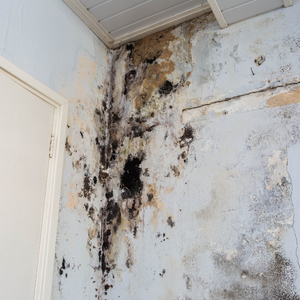
Per Tennessee law, sellers must disclose all known material defects, and mold is included. Tennessee Code Annotated Section 66-5-210 describes the seller’s duties to disclose in response to questions on the seller’s disclosure questionnaire about defects in the home, including mold and moisture. Sellers must disclose not only current issues but also previous issues, even if the seller has remediated the mold. This law is designed to protect buyers and inform them of all the facts of the home so that the sellers do not provide a basis for a lawsuit in the future.
You can face severe repercussions in Tennessee for not complying with mold disclosure. When buyers later discover previously undisclosed mold, it can lead to lawsuits and/or fines. If it appears that the mold disclosure was purposely omitted, it can actually be considered to be fraud under Tennessee law. Being honest and fully disclosing known facts is the best way to protect you legally from disputes after the sale is complete. The best practice is to complete proper mold remediation and provide full supporting documentation.
Buyer Rights and Seller Obligations in Mold-contaminated Property Sales
In Tennessee, there are several key buyer rights for mold disclosure, and sellers need to know this before negotiating. After mold disclosure, the buyer has many options. They can demand the seller remediate the mold before closing, they can negotiate a reduction to the sale price, or they can walk away from the transaction entirely . Sellers cannot demand that a buyer agree to a sale for a mold-contaminated property. However, if the seller offers mold remediation work and is clear from the beginning, they may succeed in closing a sale instead of seeing the deal break apart.
If there are mold issues and a buyer decides to sue the seller after the closing for mold disclosure, the buyer has a solid claim. This is a breach of the Tennessee mold disclosure law. The legal and financial consequences of non-disclosure far outweigh the challenges of a transparent sale. Disclosing and offering complete documentation is more of a negotiating step than an obstruction for the seller. buyers who feel fully informed are far more likely to proceed with confidence and close successfully.
Legal Liability Issues for Undisclosed Mold in Tennessee Home Sales
In Tennessee, failing to inform buyers about mold can lead to substantial legal and financial consequences for sellers. Closing and discovering mold in a house allows buyers to substantiate a seller’s knowledge of it and sue for repair and other costs, health costs, housing costs, and loss of value to their property. Sellers also lose the protection of their homeowners’ insurance when fraud is involved. Intentional concealment carries far greater consequences than a simple oversight. Sellers can expect to pay the buyers’ attorney fees, and combined, those costs can far exceed the sale price of the house. Punitive and compensatory damages can be expected along with the expected costs once the omission occurs.
Insurance does not pay for these damages. Disclosure of these repairs in Tennessee is not only the legal requirement solidifying any civil protections for sellers, but it is also the most logical and beneficial way for sellers to protect their most valuable financial asset and avoid these lawsuits. No seller should ever choose to hide a mold problem and attempt to avoid the costs of discovery. Prolonging lawsuits after closing can force sellers to pay for the repairs on a house they no longer own.
How Does Mold Affect Property Values in Tennessee Real Estate Markets
The impact of mold on property value in Tennessee is determined by the location of the property, the severity of the mold, and local market conditions. The real estate market in Tennessee is robust. The median sale price of homes is an all-time high at $353,000, an increase for the thirteenth consecutive year. In Nashville, the median home price stood at $481,000 as of November 2025. Tennessee’s strong market provides some cushion against mold-related value impacts. For instance, in Green Hills or Belle Meade, the offers are expected to drop 5% to 10% in the presence of minor mold compared to extensive issues in slower market areas, where there is expected to be a price drop of 20% to 30% or a requirement for the seller to accept a cash-only offer.
The presence of mold has an impact on property value and also has repercussions on financing. The presence of mold is a challenge for appraisers and loan providers in that mold impacts the value at the point of loan appraisal and in the long-term value of a home for the lender. Significant mold issues can disqualify buyers from conventional financing, pushing them toward non-conventional loan options, which severely narrows the pool of potential buyers. Determining the impact of mold on the value of property and understanding the local market are some of the strategies that a seller can employ to price the home without losing value.
Negotiating Price Reductions Due to Mold Issues in Property Sales
When buyers discover mold, they always estimate remediation costs before making an offer or ask for price concessions or credits during the transaction. Sellers can get ahead of this by obtaining professional remediation quotes before listing. Significant mold issues can disqualify buyers from conventional financing. If the remediation quotes come in at $5,000, buyers can be expected to ask for price reductions starting from $7,000 to $10,000 for the inconvenience and to account for the risk and uncertainty of doing it themselves. Having documented estimates removes the guesswork and prevents buyers from inflating their concession requests, putting sellers in a clearer position of having to negotiate only against the estimates, as buyers cannot come back with wild concessions.
Selling can be complicated, and in addition to accepting the price reduction, sellers also have the option of showing that the remediation credit will be given at closing, also addressing buyers’ concerns. Such remediation credits can further assist in meeting properties’ appraisal values. To prevent mold concerns from derailing deals, sellers can address root causes such as poor ventilation and excess humidity before closing by providing the remediation pre-close and evaluating the solutions with professional documentation.
Market Strategies for Selling Previously Mold-affected Properties in Tennessee
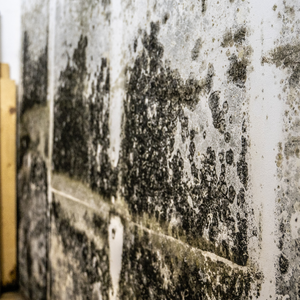
As of November 2025, Tennessee’s real estate market is swinging toward buyers. Properties are taking 73 days on average to sell, an 11-day increase from the previous year. The average sale price is also going down, selling at 97.4% of the list price. For mold-affected home sellers, this presents an opportunity for competitive selling prices that also fully disclose any problems regarding the mold. Pricing accurately based on condition helps attract serious buyers and reduces time on market. Moisture problems can also be targeted with professional staging, new paint, a clean, dry, mold-free basement, and an improvement of overall lighting.
The strategy that works best for mold-affected properties is selling to cash buyers and/or investors. Cash home buyers in Tennessee and surrounding cities are well-positioned to make this process straightforward. These buyers understand renovation projects and view mold as a manageable issue rather than a deal-breaker. Selling to this type of buyer helps sell with no home-selling contingencies, along with a quick and relatively safe transaction. These cash buyers price mold-affected properties accurately based on market conditions. This approach saves sellers the time, money, and stress that a prolonged traditional listing would otherwise require.
FAQs
Do You Have to Disclose Mold Remediation When Selling a House in Tennessee?
Yes, according to Tennessee law, sellers have to disclose all known material defects, including any past issues of mold and mold issues that have been remediated. That means sellers have to disclose the mold even if the mold was treated and removed. Mold law disclosures help buyers make informed decisions, and they protect sellers from being held liable in the future.
What Kills 100% of Mold?
There is no single treatment that can kill all mold spores. This is why professionals don’t just kill them, but rather focus on removal and prevention. Killing and decolorizing mold with bleach is not the same as removing it. Chemical and physical removal leaves the mold less likely to survive. Soap, water, and a bit of scrubbing can remove mold from hard surfaces. Professional mold remediation uses physical removal, HEPA filtration, and some protective antimicrobials.
How Much Mold Can Affect Selling a House?
The U.S. Environmental Protection Agency (EPA) recommends hiring a professional to handle mold outbreaks over 10 square feet. Unless professional services are sought, minor outbreaks are unlikely to affect the sale of the property. On the other hand, large outbreaks may necessitate a price adjustment, pre-closing mold remediation, and limitations on offers to cash buyers. The location, type, and size of mold growth are all factors that can impact the sale.
What Not to Fix Before Selling a House?
There is no law in Tennessee that requires you to fix mold prior to selling, but you are required by law to disclose any mold that exists. Deciding on mold remediation mostly depends on your budget, target buyers, and your schedule. If you are advertising to cash buyers, as-is sales, and taking care of repairs themselves is not a problem. In contrast, regular buyers want to have mold and repairs taken care of prior to closing. To come to the best decision, you should calculate the cost of mold remediation and compare it to the estimated drop in selling price.
You are not required to fix mold before selling in Tennessee, but you must disclose it. Whether to remediate depends on your timeline, budget, and target buyers. If you need to sell quickly, want to avoid costly repairs, or simply prefer a hassle-free process, Ready Door Homes is here to help. We provide fair cash offers, handle all the details, and make the entire process as seamless as possible. Ready to get started or have questions? Contact us at (901) 499-3555 today for a no-obligation offer.
Helpful Tennessee Blog Articles
- Can You Sell a House with a Lien in Tennessee?
- Paperwork for Selling A House By Owner in Tennessee
- Selling a House with Delinquent Property Taxes in Tennessee
- Can You Sell a House with Tenants in Tennessee
- Sell Your Water-Damaged House In Tennessee
- Sell Your House With A Reverse Mortgage In Tennessee
- Selling Your Tennessee Home With Mold Issues
- Sell Fire-damaged House in Tennessee
- Does a Seller Pay Closing Costs in Tennessee
- Can You Sell A House That Failed Inspection In Tennessee
- How To Sell A House With Foundation Issues In Tennessee
- How to File a Quitclaim Deed in Tennessee
- Selling A House That Needs Repairs In Tennessee
- Can the Seller Back Out of A Contract in Tennessee
- Can You Sell a House With Termites in Tennessee